A Crown in the Smile Zone
A crown on a front tooth has two jobs: it can cover and protect a tooth weakened by damage or decay, while restoring its shape and appearance. Because it sits in the visible part of the smile, the choice involves more than finding a material that is strong enough.
A dentist will consider the tooth’s condition, how the bite comes together, appearance goals, and budget before recommending treatment. Ceramic and porcelain crowns can resemble natural enamel, while other materials may offer different strengths. The right option depends on an examination and the needs of the individual tooth, not a universal ranking. The Cleveland Clinic’s guide to dental crowns explains the main material and treatment considerations.
At davidmmayerdmd.com in Paterson, crown care is part of a full-service practice that also provides routine, emergency, and family dental services. This article looks at crown materials and choices for front teeth, the details that help a crown blend in, and tradeoffs such as strength and cost. It also compares crowns with alternatives and covers practical care, including what to do if a temporary crown loosens or a crown comes out.
Crown Materials and Front Tooth Choices
 A crown covers the entire tooth, but the material affects its appearance, strength, and suitability for a particular tooth. Common choices include metal, porcelain-fused-to-metal (PFM), all-ceramic or porcelain, zirconia, and resin. The Cleveland Clinic’s guide to dental crowns describes how these options serve different needs.
Metal crowns, including gold alloys, are durable and resist chipping, but their metallic color usually makes them less appealing for a visible front tooth. PFM crowns pair a strong metal base with a tooth-colored porcelain surface. Over time, that porcelain can chip, and a metal edge may show near the gumline.
All-ceramic and porcelain crowns can mimic the color and translucency of natural enamel, which may help them blend with nearby front teeth. Zirconia is another tooth-colored ceramic option, valued for its strength. Some zirconia crowns may appear less translucent than porcelain, so the balance between appearance and durability is worth discussing.
Resin crowns are generally less costly than other materials, but they are more fragile and more likely to break. They may be used as temporary restorations, though whether resin is appropriate depends on the tooth and treatment plan.
No material guarantees a particular look or lifespan. A dentist weighs the tooth’s condition and location, bite forces, appearance priorities, and budget when discussing options. At davidmmayerdmd.com, crown care is part of a full-service practice that also provides routine, emergency, and family dental services; an examination can help clarify which material fits an individual tooth.
Details That Shape a Natural Match
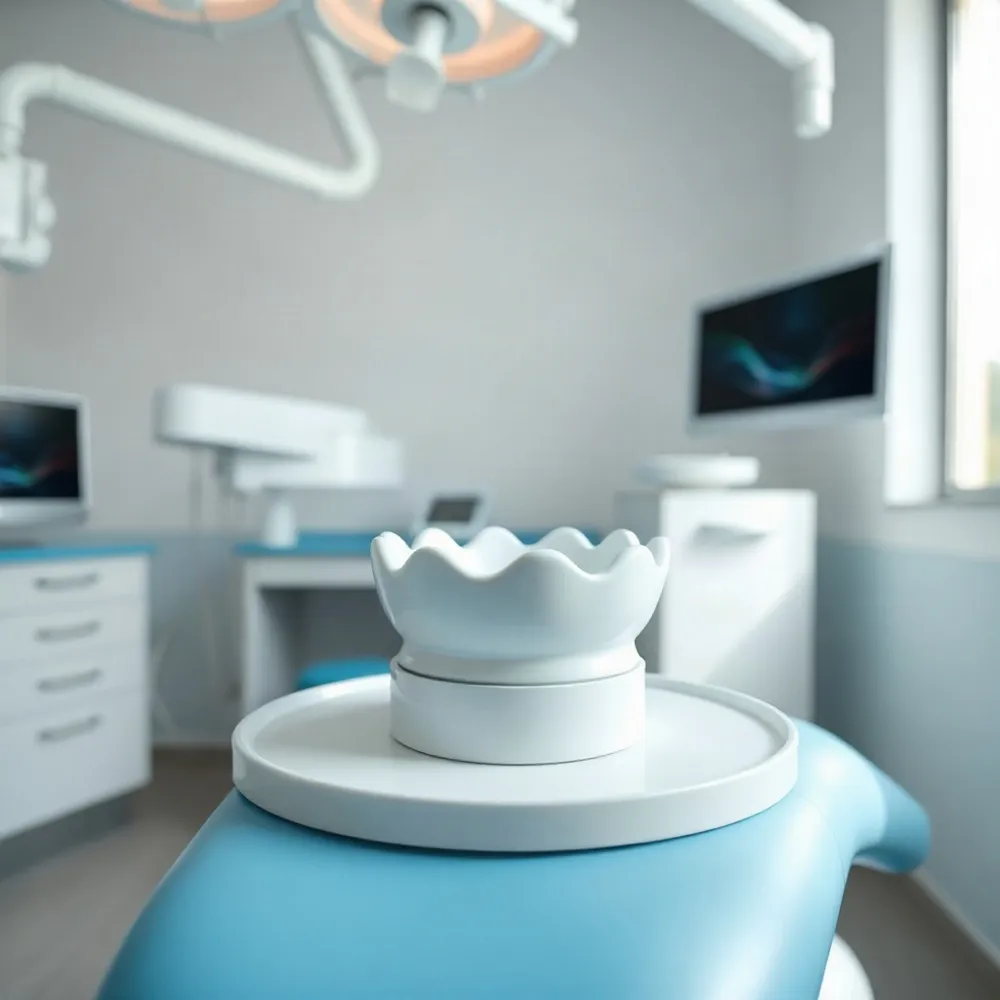 A front-tooth crown can look very natural, but matching one crown beside neighboring teeth takes more than choosing a similar basic shade. Natural enamel varies in color and translucency, and it reflects light differently across the tooth. The dentist and dental laboratory may consider these features alongside the crown’s shape, contour, surface texture, and fit at the gumline.
The tooth beneath the crown and the way the teeth meet when biting also influence material choice and appearance. A more translucent material may suit one tooth, while another may need a material that better masks discoloration. A crown should be assessed for both its appearance and function, including whether its margins fit smoothly and its bite feels comfortable. Cleveland Clinic’s overview of dental crowns describes how crown choice depends on the tooth’s condition, oral-health needs, preferences, and budget.
If a crown looks mismatched, flat, or too opaque, ask your dentist to assess its shade, surface, fit, the underlying tooth, and your goals. Depending on what is causing the difference, a surface adjustment may help, or the dentist may discuss replacing the crown with one better suited to the surrounding teeth. The practice of David M. Mayer DMD in Paterson offers a range of restorative dental care, so patients can discuss these concerns in the context of their overall oral health.
A mismatch does not automatically mean that nearby healthy teeth need crowns. Your dentist can explain a conservative approach and whether the crown alone can be adjusted or remade. The right option depends on an examination and the condition of the tooth, not appearance alone.
Zirconia Tradeoffs to Discuss
Zirconia offers a tooth-colored alternative with substantial strength, but its suitability for a front tooth depends on more than durability. The Cleveland Clinic’s overview of dental crowns notes that zirconia can withstand heavier forces than other ceramic crowns. That strength may be useful, though appearance and bite also matter.
Some zirconia types are less translucent than natural enamel, so matching the light and depth of nearby front teeth can be challenging. More translucent versions may improve the appearance, but the right choice depends on the tooth underneath and the desired result. At davidmmayerdmd.com, crown recommendations are made within a full-service dental practice, where the dentist can assess the tooth and discuss treatment options with the patient.
Zirconia is also very hard. If its shape or bite is not adjusted carefully, it may wear the opposing tooth, which is why precise fit and bite checks matter. Layered zirconia can offer a more aesthetic surface, but its porcelain layers may chip; repair or removal of zirconia can also be difficult and is worth discussing before treatment.
Cost and insurance coverage vary by material, individual needs, and plan. Ask the dentist to explain the likely costs and whether your coverage applies. The relevance of these trade-offs depends on the tooth’s position, bite, chosen zirconia type, and appearance goals, so no single material is right for every patient.
Crowns, Veneers, and Other Options
A crown covers the entire visible part of a tooth and is mainly used to restore or protect it. A veneer is a thin shell bonded to the front surface, usually to improve appearance when the tooth is otherwise relatively healthy. The Cleveland Clinic’s guide to dental crowns explains how these restorations differ and when alternatives may be considered.
A crown may be appropriate when a tooth is substantially weakened by decay, a large filling, a crack, or root canal treatment. A veneer may suit concerns such as discoloration, a small chip, or a minor shape change when the tooth does not need the broader coverage a crown provides. Because preparing a crown requires removing some natural enamel, the dentist considers the condition of the tooth and how much healthy structure can be preserved.
Less extensive concerns may have other solutions. Tooth-colored bonding or a filling can address limited chips or cavities; an inlay or onlay may repair damage that is too extensive for a filling but does not require a full crown. Whitening may help with some stains, while orthodontic treatment can address certain alignment or spacing concerns. These options do not serve the same purpose, so the choice depends on the cause of the concern.
If a tooth is severely damaged and a crown is unlikely to provide a predictable result, extraction followed by an implant may be discussed. That is not automatically the next step: the dentist must assess the tooth, surrounding tissues, bite, and overall oral health.
At davidmmayerdmd.com in Paterson, a dental evaluation can help connect a treatment choice to both the tooth’s needs and the patient’s goals. The practice provides adult and family dental care, including crowns and implants, and its multilingual team speaks English, Spanish, and Arabic. Ask about the benefits, limitations, and likely tooth preparation for each option before deciding.
Understanding Crown Costs
A dental crown may cost about $800–$3,000 per tooth before insurance, but this is a general estimate, not a quote. Actual fees vary by location and practice, so ask for a written estimate based on your treatment needs.
For a front tooth, the material and the work needed to achieve a suitable shade, shape, and fit can affect the price. The tooth’s condition matters, too. A root canal, core buildup, or other preparatory treatment may add to the total. A dentist can explain which steps are needed after examining the tooth. The Cleveland Clinic’s overview of dental crowns also notes that treatment choice depends on the tooth’s condition, preferences, and budget.
If you need more than one crown, the estimate will generally reflect the number of teeth being treated and the work required for each one. Costs are not always a simple per-tooth calculation, since treatment needs may differ across teeth.
Insurance may lower your out-of-pocket cost, but benefits depend on your plan, including its deductible, annual limit, and coverage rules. Before treatment, request an individualized estimate from the dental office and confirm your benefits with your insurer. The team at davidmmayerdmd.com provides adult and family dental care in Paterson, and can discuss your treatment needs and the costs associated with your care.
Temporary Crown Care
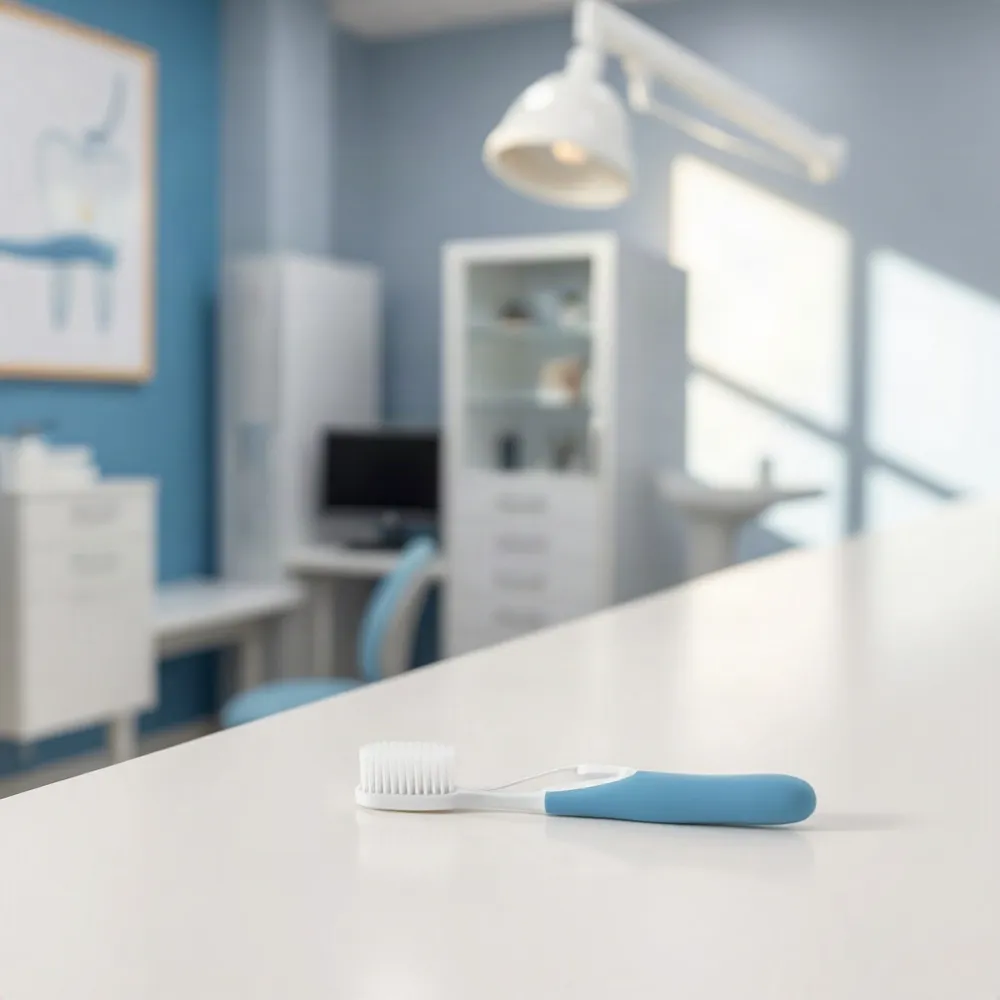 A temporary crown is a short-term cover placed over a prepared tooth while the permanent restoration is being made. On a front tooth, it also helps protect the tooth and maintain your appearance during the wait.
With traditional treatment, the dentist prepares the tooth and takes an impression or digital scan, then places the temporary crown. At a later visit, the permanent crown’s fit and appearance are checked before it is bonded in place. Some practices use CAD/CAM technology to make crowns in one visit, but same-day treatment is not suitable for everyone. Ask your dentist which approach fits your tooth and treatment needs. Cleveland Clinic’s guide to dental crowns describes these treatment options.
Careful cleaning helps protect the prepared tooth and keep the temporary crown in place. Brush gently with a soft-bristled toothbrush. When flossing, slide the floss out through the side rather than pulling it upward past the crown, which could loosen it.
Choose softer foods and avoid biting hard, sticky, or chewy foods with the crowned tooth. Ice, hard nuts, popcorn kernels, taffy, and caramels can damage or dislodge a temporary crown. A temporary crown is not as secure as the final restoration, so use extra care when eating.
If the crown feels loose or comes off, contact your dentist promptly and keep the crown safe. Do not try to reattach it with household glue or other adhesives. Follow the office’s instructions and keep your appointment for the permanent crown. Call sooner if you develop worsening pain or swelling, or if your bite feels uneven. At davidmmayerdmd.com, patients can discuss crown treatment with a multilingual team offering care in English, Spanish, and Arabic.
If a Crown Falls Out
If a crown on a front tooth comes loose or falls out, find it and gently rinse it with water. Store it in a clean container and bring it to your dentist. A loose crown is a reason to contact a dental professional, even if you feel no pain.
Call your dentist promptly to arrange an appointment. The exposed tooth may become sensitive or be more vulnerable to damage, so avoid biting with it until you receive advice. Choose soft foods, and brush gently around the area.
If the crown is intact and fits easily, temporary dental cement may be an option when used exactly as directed. Do not force the crown into place, and never use super glue or household adhesive. These steps are temporary, not a substitute for dental care.
Seek urgent dental care if you have severe pain, swelling, bleeding, or a broken tooth. For other crown concerns, Cleveland Clinic guidance on dental crowns also advises contacting a dentist about a loose restoration. If you need to store a crown while arranging care, see what to do when a crown falls out.
Make the Choice With Your Dentist
A front-tooth crown should protect and restore the tooth while fitting naturally with your smile. The right choice depends on the tooth’s condition, your bite, appearance goals, and budget, so there is no single material that suits everyone. Cleveland Clinic’s guide to dental crowns explains how crowns can serve both restorative and cosmetic purposes.
At an appointment, ask your dentist to explain material options, expected appearance, how the crown may meet your opposing teeth, likely costs, and whether another treatment could work. An examination lets the dentist assess the tooth and recommend an approach for your needs. At David M. Mayer DMD in Paterson, patients can discuss treatment with a multilingual team serving families in English, Spanish, and Arabic.
After placement, brush twice daily with fluoride toothpaste, floss daily, and keep routine dental visits. These habits help protect the crown and the natural tooth beneath it, so your dentist can check fit and address concerns early.