Recognizing a Crown Problem
A dental crown covers and protects a weakened tooth, helping it function comfortably. But the crown or its fit can change over time, and the tooth beneath it can still develop problems.
New pain, lingering sensitivity, a loose crown, visible damage, or irritated gums are reasons to contact a dentist. These signs do not automatically mean the crown must be replaced. An examination can identify the cause and help protect the natural tooth underneath.
Arrange prompt evaluation for looseness, worsening discomfort, or a persistent unpleasant taste. Severe pain, swelling, pus, or fever calls for urgent dental care. David M. Mayer, DMD, in Paterson provides same-day emergency treatment, along with adult and family dental care.
Warning Signs Beneath the Crown
 A crown can look intact while a problem develops at its edge or in the tooth beneath it. The crown itself cannot decay, but bacteria can enter where the crown meets the natural tooth and contribute to decay or infection. Sometimes there are no obvious symptoms, so a dental examination may be needed to identify hidden damage.
Arrange an evaluation for persistent pain, pain when biting, lingering sensitivity to hot or cold, or a bite that suddenly feels uneven. A loose or shifting crown, chips, cracks, rough edges, visible wear, gum redness, swelling or recession, and changes in color or fit also deserve attention. These signs do not confirm a particular problem, but a dentist can check the crown and underlying tooth. Rutgers School of Dental Medicine describes common signs and causes of faulty crowns.
Food or bacteria trapped around a loose, damaged, or poorly fitting crown can contribute to an unpleasant taste or persistent odor. Pain, swelling, or a bad smell may also involve irritated or infected gums, so avoid trying to adjust or remove the crown yourself. At davidmmayerdmd.com, patients can access adult and family dental care, including same-day emergency treatment, at a Paterson practice with a multilingual team speaking English, Spanish, and Arabic.
Seek urgent dental care for facial swelling, fever, pus, or severe or worsening pain. Trouble swallowing or breathing needs immediate emergency attention. A dentist can examine the area and may use X-rays to assess what is happening beneath the crown.
How Long Crowns Typically Last
Dental crowns often last about 5 to 15 years, though some remain serviceable longer. This range is a general guide, not a deadline for replacement. A Rutgers overview of faulty crowns notes that crowns may last up to an average of 15 years, but an individual crown’s condition matters more than its age alone.
Lifespan depends on the crown material and fit, oral hygiene, and the tooth’s position. Bite changes, grinding, and chewing hard objects can also place extra stress on a crown. At davidmmayerdmd.com, routine checkups are part of a full-service practice that can assess crown fit and discuss care in the context of each patient’s needs.
Brush twice daily and floss every day along the gumline around the crown. Regular dental visits help identify wear or changes before they cause discomfort. If you grind your teeth, ask your dentist whether a night guard may help protect the crown.
An older crown is worth having checked even if it feels normal, since wear or a change in fit may not be obvious. Age alone does not mean urgent replacement is needed. Contact a dentist if the crown feels loose, cracks, or comes off; the practice in Paterson offers same-day emergency treatment for urgent dental concerns.
When a Crown Falls Out
 Contact a dentist as soon as possible, even if the tooth does not hurt. Without its crown, the tooth may become sensitive or more vulnerable to damage. The team at davidmmayerdmd.com provides same-day emergency dental treatment in Paterson, so call to ask how soon you should be seen.
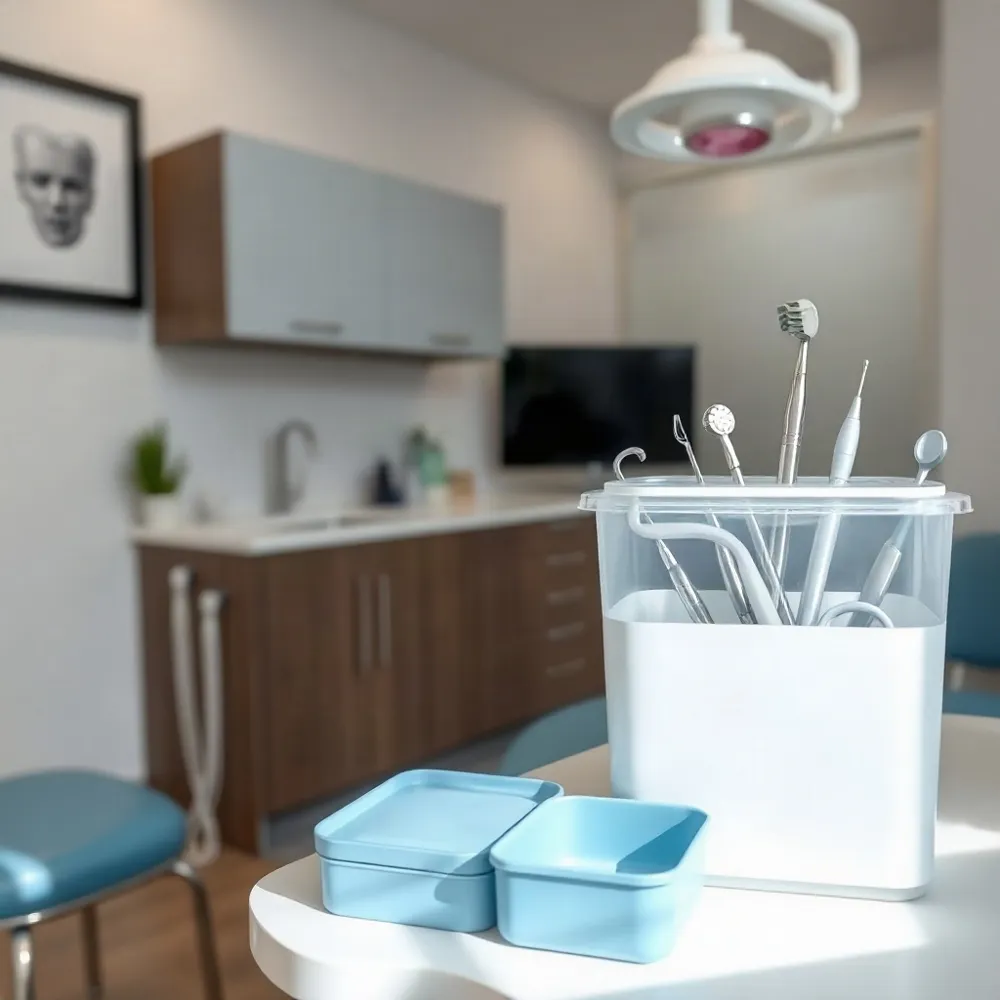
Gently rinse the crown with water, place it in a clean container, and bring it to your appointment. Do not force it back onto the tooth or use household glue. Rutgers School of Dental Medicine advises storing a detached crown and bringing it to a dentist, rather than trying to reseat it yourself.
Until you receive care, avoid chewing on that side and skip hard or sticky foods. Keep the area clean by brushing gently. Ask the dentist whether temporary dental cement is appropriate for your situation, and follow their instructions rather than treating it as a replacement for an examination. For more guidance, see what to do when a crown falls out.
If the crown is intact and the tooth beneath it is in suitable condition, a dentist may be able to recement it. A damaged crown or tooth may need further treatment or a new crown. If part of the tooth came away with the crown, save both pieces and arrange prompt assessment. The dentist will check how much tooth remains and whether the break extends below the gumline or involves the root. Depending on the damage, treatment may include rebuilding the tooth; more extensive injury may call for other options.
Ask the dental office how quickly you should be seen. Seek urgent advice for severe or worsening pain, swelling, fever, bleeding, a bad taste, or an obviously broken tooth.
Dental Examination and Treatment Choices
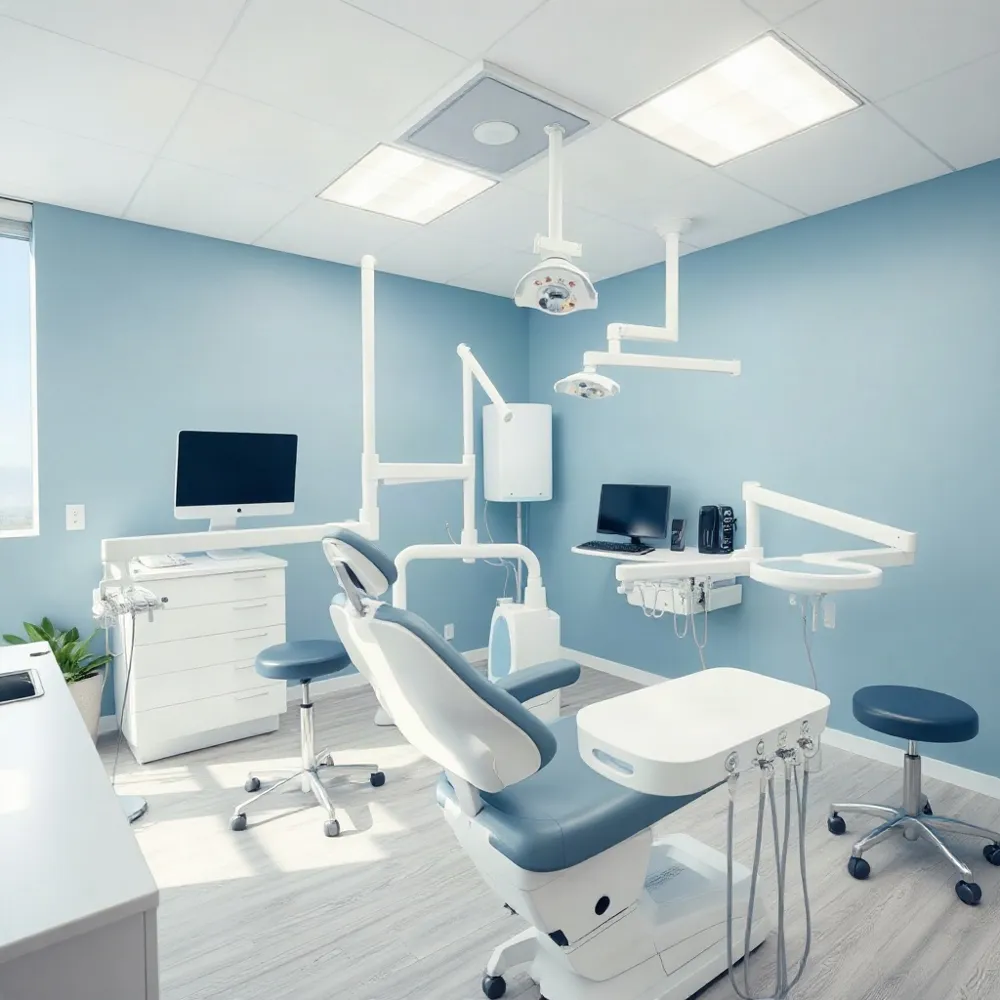 A crown that looks damaged or feels different does not automatically need replacement. At davidmmayerdmd.com, a dentist assesses how the crown sits and functions, then checks the tooth and surrounding gums to identify what is causing the change.
The examination may include checking the crown’s stability, edges, surface, and bite for looseness, gaps, chips, cracks, or wear. The dentist also looks for gum inflammation, recession, decay, or infection around the crowned tooth. Symptoms such as pain, sensitivity, an uneven bite, or an unpleasant taste help guide the evaluation, but they do not determine treatment by themselves. X-rays may reveal decay or damage hidden beneath the crown. Rutgers’ overview of faulty crowns describes how poor fit, insecure placement, and poor oral hygiene can lead to symptoms and consequences of faulty crowns.
Costs and Recementing Expectations
How much does it cost to repair or replace a dental crown?
The fee depends on whether the crown can be recemented, repaired, or needs replacement, as well as its material, your location, and any treatment needed for the tooth beneath it. A general U.S. benchmark for a new crown is about $700 to $1,400, but this is not a personalized estimate or a local fee.
Recementing or a minor repair may cost less than a new crown, while treatment for decay or other damage can raise the total. At davidmmayerdmd.com, the Paterson practice provides crown care as part of its adult and family dental services. Ask the dental office to explain expected fees, insurance coverage, and available payment options before treatment.
How long can a recemented dental crown last?
There is no fixed lifespan for a recemented crown. It may remain secure for years or loosen sooner, depending on why it came off, the condition of the crown and tooth, and whether the fit is sound. An examination can help determine whether recementing is suitable or another treatment is needed.
Brush carefully twice a day, floss around the crown, avoid chewing hard objects or sticky foods, and keep regular checkups. If the crown loosens again or you develop pain or swelling, contact a dentist promptly.
Act Promptly Without Assuming the Worst
A loose, damaged, painful, or fallen crown deserves a prompt dental call, but it does not automatically mean replacement is needed. An intact crown may still be suitable for repair or recementing, depending on the tooth’s condition.
Seek urgent care for severe pain, swelling, fever, or pus. An examination, sometimes with X-rays, can reveal problems hidden beneath the crown and help guide treatment, as described by Rutgers School of Dental Medicine. At davidmmayerdmd.com, patients can access same-day emergency dental treatment in Paterson. The right assessment can help protect the tooth without assuming the worst.