The Appeal of One Visit
Some dental offices can design, make, and place a permanent crown during one appointment. This same-day approach may spare you a separate visit and the need to wear a temporary crown while waiting for a laboratory-made restoration.
One-visit treatment is not right for every tooth or patient. The tooth’s condition, its location, and the type of restoration needed all matter, so a dentist should assess your needs before recommending an approach.
For patients in Paterson, David M. Mayer, DMD provides a range of dental care, including crowns and same-day emergency treatment. Ask the office whether a same-day crown is available for your case. The sections ahead explain crown materials, the treatment process, timing, cost, and care to help you discuss your options with a dentist.
When a Tooth Needs a Crown
 A crown may be recommended when a tooth is too damaged or decayed for a regular filling to restore it, or when it is cracked, broken, weak, or severely worn. Learn more about when a tooth may need a crown.
Crowns also have other uses. They can protect a tooth after root canal treatment, cover a dental implant, support a bridge, or improve the appearance of a severely discolored or misshapen tooth. At davidmmayerdmd.com, crown recommendations are part of a full-service dental practice that also provides care such as implants and family dentistry.
A crown covers and strengthens a tooth, but it cannot replace missing support or repair every type of damage. If too little healthy tooth structure remains to hold it securely, or a fracture or decay extends far below the gumline or into the root, a crown may not be a dependable option. Severe infection that cannot be treated successfully, or significant bone and gum loss that leaves the tooth unstable, can also limit the chance of saving it.
An examination, and sometimes X-rays, helps the dentist assess the tooth’s remaining structure, roots, and surrounding bone. Depending on what the evaluation shows, treatment may involve root canal therapy, another type of restoration, or extraction. The right choice depends on the individual tooth and its support, so a crown is not automatically the answer even when a tooth is damaged.
Choosing a Crown Material
 Crown materials differ in appearance, strength, and how they handle chewing forces. The right option depends on which tooth needs treatment, your bite, and your preferences. A dentist can explain which materials suit your situation.
All-ceramic porcelain can mimic the color and translucency of natural teeth, so it is often considered for visible areas. It may be more vulnerable to chipping under heavy chewing forces. Zirconia is a strong, metal-free ceramic that can suit back teeth and, in some cases, visible teeth.
Porcelain-fused-to-metal (PFM) crowns pair a metal base with a porcelain exterior. The porcelain can chip, and a dark line at the edge may become visible if the gums recede. Gold and other metal-alloy crowns are durable and can be gentle on opposing teeth, but their metallic color may make them less appealing for front teeth.
At davidmmayerdmd.com, crown planning is part of a full-service dental practice serving patients in Paterson, New Jersey. Discuss tooth location, bite, appearance goals, and personal needs with your dentist before choosing a material. For a closer comparison, see this guide to dental crown materials.
How Same-Day Crowns Work
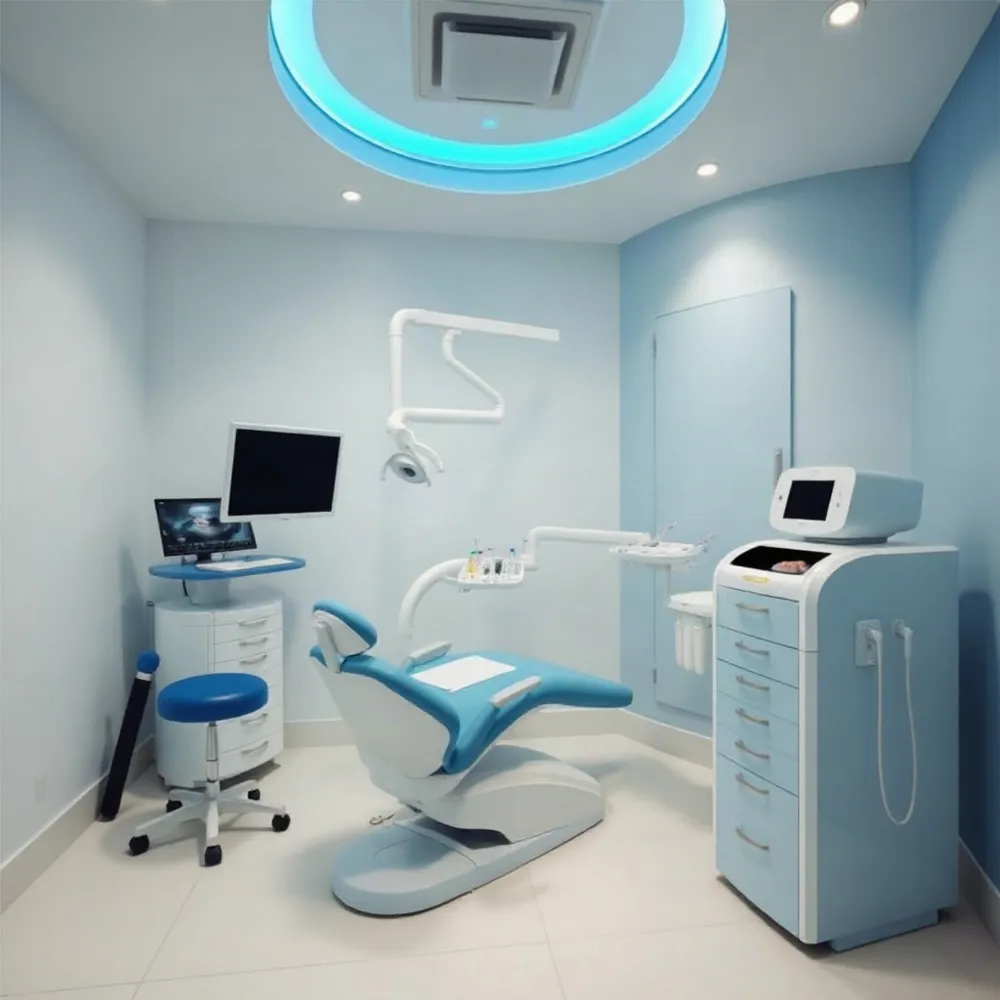 Traditional crown treatment usually takes place over two visits. The dentist prepares the tooth and takes an impression, then places a temporary crown while a dental laboratory makes the permanent one. At a later appointment, the dentist checks the finished crown and cements it in place. A same-day crown is designed, made, and placed in the office during one visit, so there is usually no temporary crown or separate placement appointment.
For a same-day crown, the dentist first prepares the tooth, then captures a digital scan. Software helps shape the crown to fit the tooth and align with the bite. An in-office milling machine carves the design from a ceramic block. Before placement, the dentist checks the crown’s fit and the way the teeth meet, makes any needed adjustments, and bonds it in place.
The appointment commonly takes about one to two hours, though the tooth’s condition and any additional treatment can affect the timing. Some workflows take longer, so it is sensible to ask the dental office for an estimate. At davidmmayerdmd.com, a dentist can assess the tooth and discuss suitable crown treatment; patients should confirm directly whether same-day scanning and milling are available.
The main convenience is completing treatment without waiting for a laboratory crown, wearing a temporary, or scheduling a second placement visit. The trade-off is that chairside crowns are often made from ceramic and may offer fewer material and design choices than laboratory-made crowns. A lab crown may allow more detailed color layering for a complex cosmetic match. The dentist can explain the available options and how each fits the tooth’s needs.
Same-day treatment may also involve a long visit, and complex cases can require extra adjustments or a different approach. Costs and insurance coverage vary, so patients can ask the office and their insurer about expected out-of-pocket expenses before proceeding. A dentist at davidmmayerdmd.com can consider the tooth’s condition, bite, and appearance goals when discussing options.
Both same-day and laboratory-made crowns can restore a damaged tooth. The right choice and expected lifespan depend on factors such as the tooth, crown material and fit, oral care, and the dentist’s assessment, not simply on how the crown was made. A clinical examination can help determine which approach suits the patient’s needs and schedule.
Lifespan and the Tooth Beneath
A dental crown often lasts about 5 to 15 years, and some last 20 years or longer. These are general ranges, not guarantees. Your crown’s lifespan depends on its material and fit, the condition of the tooth beneath it, and the forces it faces. For more on expected lifespan and replacement limits, see factors that affect crown longevity.
Chewing pressure can be greater on back teeth, while grinding, clenching, biting hard objects, or dental trauma can put extra stress on any crown. Daily brushing and flossing help protect the crown’s edge, and routine dental checkups can help a dentist spot changes before they become obvious.
The natural tooth remains beneath the crown and may still be alive and sensitive. To make room for a secure fit, the dentist removes some outer tooth structure before placing the restoration. The crown covers and protects the prepared tooth, but it cannot prevent every future problem.
Decay can still develop at the crown’s edge or underneath it, especially if the crown loosens or cleaning is inadequate. Problems do not always cause symptoms at first, so regular checkups matter even when the crown feels normal. Contact a dentist if you notice looseness, a crack, discomfort, sensitivity, persistent pain, or a bad taste.
At davidmmayerdmd.com, crown treatment is part of a full-service dental practice in Paterson, New Jersey, where routine checkups and restorative care are available. A dentist can assess the tooth and crown, identify concerns, and discuss appropriate next steps.
Understanding Crown Costs
A dental crown typically costs about $700 to $1,400 per tooth in the United States, though actual fees may fall outside this range. The estimate is a starting point, not a quote for an individual case. For an overview of related cost and insurance considerations, see Understanding Crown Costs.
The final price can depend on the crown material, which tooth needs treatment, and how complex the restoration is. Laboratory or custom-fabrication fees may also affect the total. A root canal, core buildup, or treatment for decay may add to the cost if needed before the crown is placed.
Dental insurance may cover part of a crown when it is considered necessary, but benefits and out-of-pocket costs vary by plan. At davidmmayerdmd.com, patients can discuss crown treatment with a multilingual team serving Paterson and request an estimate based on their care needs.
Ask for a written estimate that lists preparatory treatment, the crown, and the expected insurance contribution. This makes it easier to understand what the plan may pay and what you may owe before treatment begins.
Eating After Crown Placement
Most people can return to their usual diet after a permanent crown is placed, but follow your dentist’s instructions while the cement sets and your mouth adjusts. Wait until any numbness wears off before eating so you do not accidentally bite your cheek or tongue.
For the first day or two, choose soft foods and avoid hard, sticky, or chewy items. If your dentist advises it, chew on the opposite side. A temporary crown needs extra care: sticky or tough foods can loosen it, so avoid them for as long as the temporary restoration is in place.
Mild sensitivity may occur as the tooth adjusts. Contact your dentist if the crown feels loose, your bite seems uneven, or pain persists or gets worse. For more guidance on caring for a new restoration, see eating and caring for a new crown.
A Personalized Treatment Decision
A one-visit crown may mean fewer appointments and no temporary crown, but convenience alone should not determine treatment. The tooth’s condition, needed material, appearance goals, and your schedule all matter.
At davidmmayerdmd.com, crown care is part of a full-service dental practice in Paterson, with more than 40 years of experience and a multilingual team. Ask your dentist whether a same-day option is available and suitable, and discuss expected costs, material choices, and aftercare before deciding.