A Clear Plan Before Your Visit
A possible same-day crown appointment can raise practical questions: What will happen, how long should you allow, and do you need to prepare in a particular way? This guide explains the general process and offers points to discuss with your dental team. Your own instructions should come from the office providing your care.
Same-day treatment is not suitable for every tooth or treatment plan. The dentist must assess the tooth, and availability also depends on the dental office’s equipment and workflow. At David M. Mayer, DMD, the practice serves patients in Paterson with a range of dental care, but you should contact the office to confirm whether same-day treatment is available for your case.
Before your visit, ask what to expect, how much time to set aside, and whether you have any specific preparation instructions. Do not assume you need to fast, change medication, or follow another office’s guidance. Your dental team can tailor directions to your health and planned treatment.
How Same-Day Crown Treatment Works
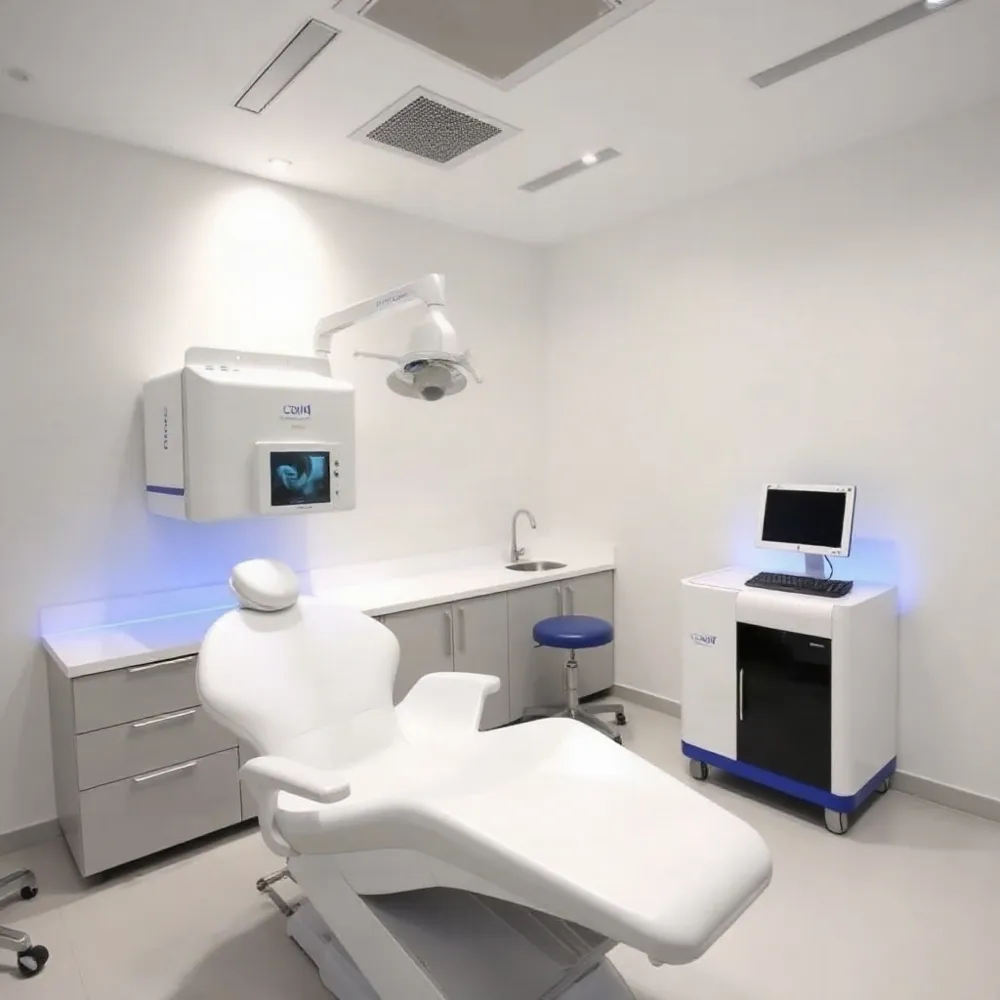 Yes, some crowns can be designed, made, and placed in one visit. Digital scanning captures the prepared tooth, and in-office milling equipment makes the crown during the appointment. When this approach is suitable and available, it may avoid a temporary crown and a separate placement visit. The process and technology offered can vary by dental office.
At davidmmayerdmd.com, the dental team can assess the tooth and discuss treatment options; ask the office whether same-day crown care is available for your case. The same-day crown process generally begins with an examination and, when needed, X-rays. The dentist numbs the area and shapes the tooth so the crown can fit.
Next, a digital scan records the tooth’s shape. The dentist uses that information to design the crown, then mills it from a suitable material. Before bonding it in place, the dentist checks its fit, appearance, and bite, making adjustments if needed. The exact steps depend on your tooth and treatment plan.
What happens if a traditional crown is recommended?
A conventional crown often involves an initial preparation visit, a temporary crown while a dental laboratory makes the permanent one, and a return appointment for fitting and cementing. The wait may span a few weeks, though timing varies. A same-day crown requires a longer visit, but it is not the right option for every tooth.
The dentist must consider the tooth’s condition, remaining structure, and any additional treatment needed. For example, a root canal can affect the overall schedule. Ask what steps are planned, whether a temporary crown may be needed, and how much time to reserve. The dental team at davidmmayerdmd.com can explain the options after evaluating your needs, without assuming that one approach fits everyone.
Comfort and Questions to Raise
 Preparing a tooth for a crown is usually done with local anesthetic to numb the area. You may notice pressure or vibration as the dentist shapes the tooth, but sharp pain should be addressed. Tell the dentist right away if you feel pain or are worried about your comfort, so the team can pause and respond.
After the anesthetic wears off, mild soreness, gum tenderness, or sensitivity to hot and cold may occur for a short time. If pain is severe, gets worse, or does not begin to improve, contact your dental office. A temporary crown may be used in some treatment plans to protect the prepared tooth while a permanent crown is made.
Before treatment, share relevant health details with the dental team, including medications, allergies, pregnancy, and any medical conditions. Mention dental anxiety as well. This gives the dentist information to consider when planning your care and discussing comfort measures. Patients at davidmmayerdmd.com can raise these concerns with the practice’s multilingual team, which serves patients in English, Spanish, and Arabic.
There is no universal preparation checklist that applies to every same-day crown appointment. Eating, medication, and arrival instructions can depend on your health and treatment plan, so ask the treating office what applies to you. You can also ask what comfort measures are available and what sensations to expect during tooth preparation.
For more on the procedure and comfort questions, see what to expect during a crown fitting visit.
Weighing Same-Day and Traditional Options
A same-day crown can reduce the number of visits: the tooth is scanned digitally, and the crown is designed, made, and placed during the appointment when the case allows. This can avoid impression putty and the temporary crown often worn while a laboratory makes a restoration. For an overview of the same-day crown process, see how these steps may differ from conventional treatment.
Many same-day crowns are ceramic, while laboratory-made crowns may offer a broader choice of materials and more detailed shade or translucency adjustments. That flexibility may matter for a highly visible tooth or a complex case, but it does not make a lab-made crown the right choice for everyone. The dentist needs to assess the tooth and the treatment goal.
The practice at davidmmayerdmd.com provides a range of restorative care, including crowns, and has more than 40 years of experience serving patients in Paterson. Ask the dental team which options are available for your case and how the expected appearance, fit, and cost compare.
Your tooth’s condition, bite, appearance preferences, and budget all belong in the decision. A dentist can explain the trade-offs and recommend an approach based on the clinical findings, rather than assuming that either same-day or laboratory-made treatment is best.
Eating and Caring for the Crown
What can I eat and drink after getting a temporary or permanent crown?
If your mouth is numb, wait until the numbness has worn off before chewing to avoid accidentally biting your cheek or tongue. Follow your dentist’s instructions about when to eat and drink after treatment. If the tooth feels sensitive, soft, lukewarm foods may be more comfortable.
With a temporary crown, choose softer foods and chew on the opposite side when possible. Avoid sticky, chewy, hard, or crunchy foods, such as gum, caramel, nuts, and ice, because they may loosen or damage the crown. After permanent bonding, your dentist may give different instructions about when to eat and which foods to avoid. At davidmmayerdmd.com, the dental team serves patients in Paterson and can provide guidance based on their treatment and needs.
How should I care for my teeth after crown placement?
Brush gently twice a day with a soft-bristled toothbrush and floss carefully around the crowned tooth. If you have a temporary crown, slide the floss out sideways rather than pulling it upward, which could dislodge the crown. If it loosens or comes off, contact the dental office promptly. Save the crown if you can, and do not try to reattach or repair it at home.
Keep up with daily brushing, flossing, and routine dental checkups. These habits help protect the crown, gums, and natural tooth underneath. Follow the care instructions provided by your treating dentist, and contact the office if pain is severe, persists, or worsens. For more guidance, see eating and caring for a new crown.
Longevity and When to Call
Dental crowns often last about 10 to 15 years, and some last longer. Their lifespan varies with the crown material, the tooth’s location, bite forces, oral hygiene, and habits such as grinding or chewing hard objects. For more on what affects durability, see factors that influence crown longevity.
Good daily care helps protect the crown and the tooth beneath it. Brush twice a day with fluoride toothpaste, floss around the crown each day, and keep regular dental checkups. Avoid chewing ice, pens, or other hard objects. If you grind or clench your teeth, ask your dentist whether a nightguard may help.
Some gum soreness or sensitivity to hot and cold can occur for a short time after treatment. Recovery differs from person to person, so follow the instructions provided by your dental team. At davidmmayerdmd.com, crown care is part of a full-service dental practice serving patients in Paterson, with routine and restorative care available.
Contact the dental office if the crown feels loose or chipped, your bite feels uneven, pain worsens or persists, or sensitivity does not improve. Swelling alongside pain is also a reason to seek advice. A dentist can assess whether the crown or surrounding tooth needs attention.
Confirm Your Personal Instructions
Whether a same-day crown is suitable depends on an examination of your tooth and treatment needs. Before scheduling, ask the dental team to confirm its process, expected appointment time, and any instructions tailored to your health or visit.
At davidmmayerdmd.com, the Paterson practice offers a range of dental care, but confirm directly whether same-day treatment is appropriate and available for your case. Raise questions before treatment, and contact your dentist if pain, sensitivity, or bite concerns arise during recovery.