Efficient Solutions for Restoring Your Smile
Modern dentistry has moved toward prioritizing patient comfort and efficiency, shifting away from the multi-visit protocols that once defined restorative care. At davidmmayerdmd.com, we utilize advanced CEREC technology to transition from those lengthy, traditional methods toward a streamlined experience that restores your smile in a single visit.
A dental crown acts as a protective cap, covering a tooth weakened by decay, fracture, or following a root canal. While traditional processes often require two appointments spaced weeks apart and the use of temporary restorations, our approach at davidmmayerdmd.com allows us to prepare, design, and place your custom crown during one appointment. By replacing traditional, uncomfortable physical impressions with precise digital scanning, we ensure both a virtually painless process and a fit tailored to your specific anatomy.
Efficiency does not come at the expense of quality. By integrating CAD/CAM software, we achieve a level of precision that preserves more of your natural tooth structure than conventional methods. This commitment to modern, compassionate care ensures that your restorative needs are met with both speed and lasting durability.
Understanding Dental Crowns and Their Function
 A dental crown is a custom-fitted, tooth-shaped cap designed to cover the entire visible portion of a damaged, decayed, or weakened tooth. By acting as a protective shell, a crown restores the original shape, strength, and functionality of your tooth, allowing you to chew and speak with comfort.
Dentists use crowns to provide essential support for cracked or worn-down teeth and to safeguard teeth after root canal therapy. Beyond these functional applications, crowns help cover dental implants and serve as anchors to hold dental bridges in place. They also play a role in cosmetic enhancements by correcting severely stained or misshapen teeth.
At davidmmayerdmd.com, we emphasize these restorations as a method to protect your long-term oral health by preventing further decay. Whether you are addressing structural concerns or seeking restorative care, a crown provides a durable, natural-looking solution that preserves the integrity of your smile.
Comparing Same-Day CEREC Technology to Traditional Methods
The primary difference between traditional and same-day CEREC crowns lies in the fabrication process and timeline. Traditional crowns are typically crafted in an external dental laboratory over two or more visits, requiring you to wear a temporary crown in the interim. At davidmmayerdmd.com, we utilize advanced CAD/CAM technology to design and place a permanent, high-quality ceramic restoration in a single appointment.
What is the difference between traditional and same-day crowns?
While traditional crowns require messy physical putty impressions and multiple trips, same-day CEREC crowns use digital intraoral scanners for superior accuracy. This process eliminates the inconvenience of temporary restorations, which can often be prone to dislodging or breakage. Our approach at davidmmayerdmd.com prioritizes your comfort by replacing outdated impressions with precise 3D mapping.
Traditional methods offer a wider range of material options, such as porcelain-fused-to-metal, which may be better suited for complex aesthetic cases or specific structural needs. However, our same-day ceramic restorations provide excellent durability and a natural aesthetic that avoids the dark lines often associated with older metal-based crowns. Ultimately, the best choice depends on your specific oral health needs, the condition of the affected tooth, and your personal schedule.
The Streamlined Same-Day Procedure Experience
 The path to a restored smile has evolved from a multi-week ordeal into a precise, single-visit solution at davidmmayerdmd.com. Rather than scheduling multiple appointments and wearing a fragile temporary restoration, patients benefit from advanced CAD/CAM technology that handles design and fabrication in one afternoon.
How long does a same-day crown procedure take?
A same-day crown procedure is designed for efficiency and typically takes between 60 and 90 minutes to complete in a single visit. The process begins with an oral evaluation and tooth preparation, followed by digital impressions captured via an intraoral camera. Once the 3D model is generated, advanced chairside technology mills your custom-colored, high-quality ceramic crown right in our office. After the restoration is crafted, your dentist will ensure a precise fit before bonding it securely to your tooth. This modern approach eliminates the need for uncomfortable temporary crowns and the multiple-week wait associated with traditional off-site laboratory procedures.
Is the process of getting a dental crown painful?
The process of getting a dental crown is typically painless because your dentist will use a local anesthetic to thoroughly numb the area before beginning treatment. During the procedure, most patients report feeling only minimal discomfort, similar to what you might experience during a standard filling. While some temporary sensitivity or mild soreness can occur once the anesthetic wears off, this is usually easy to manage with over-the-counter pain relievers or by avoiding hot and cold foods for a few days. Our compassionate team prioritizes your comfort throughout every step, ensuring you feel relaxed and informed. If you experience any persistent discomfort following your visit, we are always here to provide follow-up care and support.
By replacing messy putty impressions with digital scanning, our practice avoids the gagging and discomfort often reported with traditional dental materials. The on-site milling machine then carves your crown from a solid ceramic block in about 15 minutes, ensuring a perfect color match and bite alignment that traditional labs might miss. This high level of precision allows for a virtually painless experience that gets you back to your routine without the delay of a return visit.
Weighing the Benefits and Considerations
Selecting the right restorative treatment involves understanding both the efficiency of modern technology and the clinical needs of your specific tooth. At davidmmayerdmd.com, our patients often prioritize the convenience of same-day CEREC crowns, which eliminate the need for temporary caps and second visits. These restorations are crafted from durable, metal-free ceramic that mimics the light-reflecting properties of natural enamel, ensuring a high-quality aesthetic outcome.
What are the advantages and disadvantages of same-day crowns?
The primary benefit of a same-day solution is the elimination of traditional putty impressions and multi-week wait times. While many patients enjoy this seamless experience, traditional lab-fabricated crowns may still be recommended for complex clinical cases. For example, some situations involving extensive bridge work or specialized color layering require the manual expertise found in off-site laboratories. Unlike the standardized efficiency of a milling machine, traditional methods allow for a broader range of material options, such as gold or porcelain-fused-to-metal, which some dentists prefer for heavy grinding or specific structural reinforcement needs.
How much do dental crowns cost?
Investment in a dental crown is determined by several variables, including the restorative material chosen and the complexity of the underlying tooth damage. Because procedures like a core buildup or root canal therapy often precede crown placement, the total cost is rarely a flat fee. Most insurance providers recognize the restorative value of both traditional and same-day options, often extending coverage to either method. To receive an accurate estimate for your specific treatment plan, we encourage you to visit davidmmayerdmd.com for a professional assessment.
Long-Term Care and Crown Maintenance
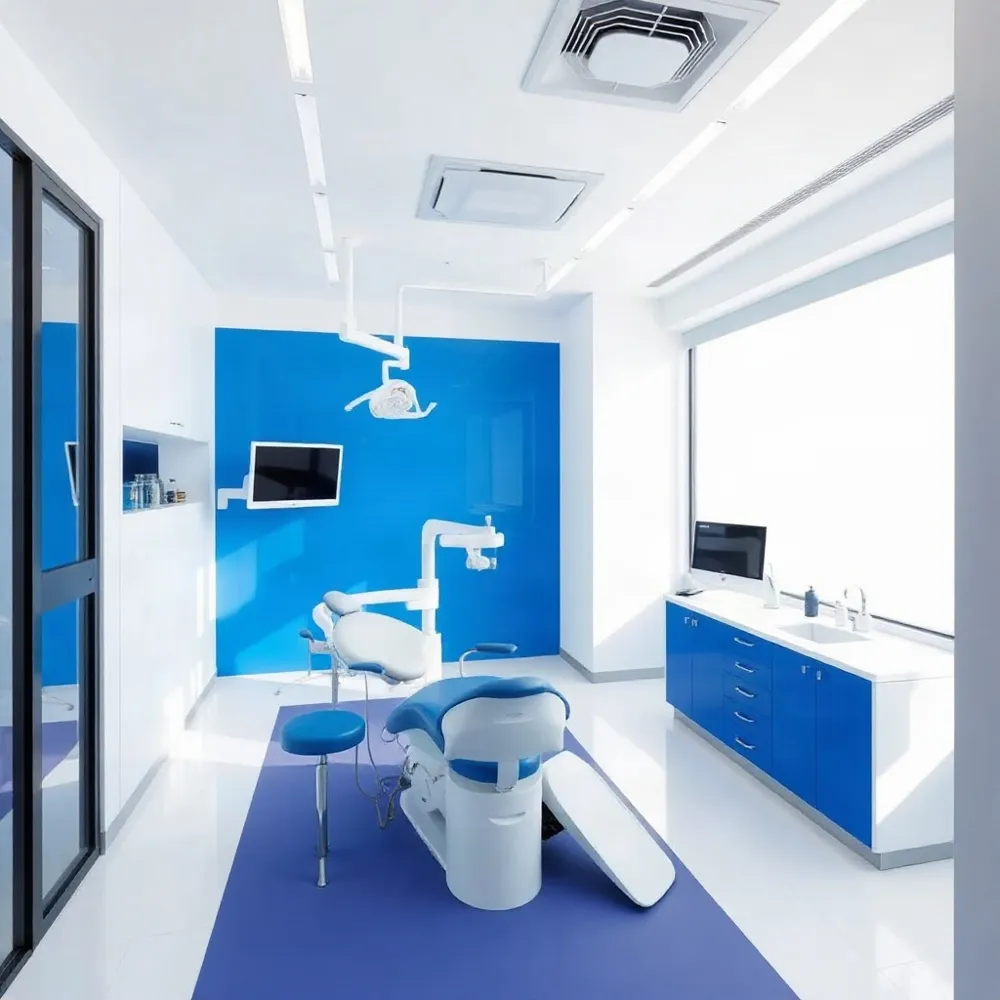 With diligent oral hygiene and regular dental check-ups, most dental crowns can last 10 to 15 years or significantly longer. The longevity of a restoration depends on material quality, daily habits, and whether you experience trauma or tooth grinding. At davidmmayerdmd.com, we emphasize that while the high-quality ceramic material used in our same-day CEREC crowns is incredibly durable and resists abrasion, it still requires the same care as your natural teeth.
How long do dental crowns last and what happens to the natural tooth underneath?
Beneath the crown, the underlying natural tooth remains in place, serving as the essential foundation for the restoration. While the crown material itself cannot decay, the natural tooth structure underneath remains susceptible to decay at the margin where the crown meets the gum line. Consistent brushing and flossing are vital to protect the health of the supporting tooth and ensure the long-term success of your crown. We recommend avoiding habits like chewing on ice or hard candy to prevent unnecessary fractures, and patients who grind their teeth may benefit from a custom-fitted nightguard to preserve both the crown and their dental health.
Investing in Your Oral Health
Modern dental technology has transformed restorative care from a multi-week waiting game into a precise, efficient, and comfortable experience. By utilizing advanced CAD/CAM technology, practices like davidmmayerdmd.com now offer durable solutions that restore both function and aesthetics in a single visit.
Choosing the right path for your dental health requires an honest conversation with your care provider. Whether you require a routine restoration or have concerns about a damaged tooth, assessing your specific clinical needs ensures the most effective outcome. Our team at davidmmayerdmd.com prioritizes your comfort and long-term well-being, helping you feel confident in every stage of your treatment.
Investing in high-quality restorative work is an investment in your future. If you are ready to address decay or structural concerns, scheduling a consultation allows us to determine the best approach to maintain your smile for years to come.