When Dentures Stop Fitting Well
A denture can start to rock, slip, or rub even if it once felt secure. The gums and jawbone change over time, altering the shape of the surfaces that support the denture. These changes may make eating or speaking less comfortable and can leave sore spots.
Relining adds material to the underside of an existing denture to help it fit the mouth’s current contours. It may be an option when the denture is in good condition and looseness is the main concern, but it cannot address every problem. Cracks, worn teeth, or a damaged base may call for another treatment.
An examination of the denture and oral tissues helps determine what is causing the change and whether relining is appropriate. At davidmmayerdmd.com, the team provides denture care and repairs in Paterson, with same-day emergency treatment available. If a denture has become uncomfortable or unstable, a professional fit check can help guide the next step.
What Relining Changes
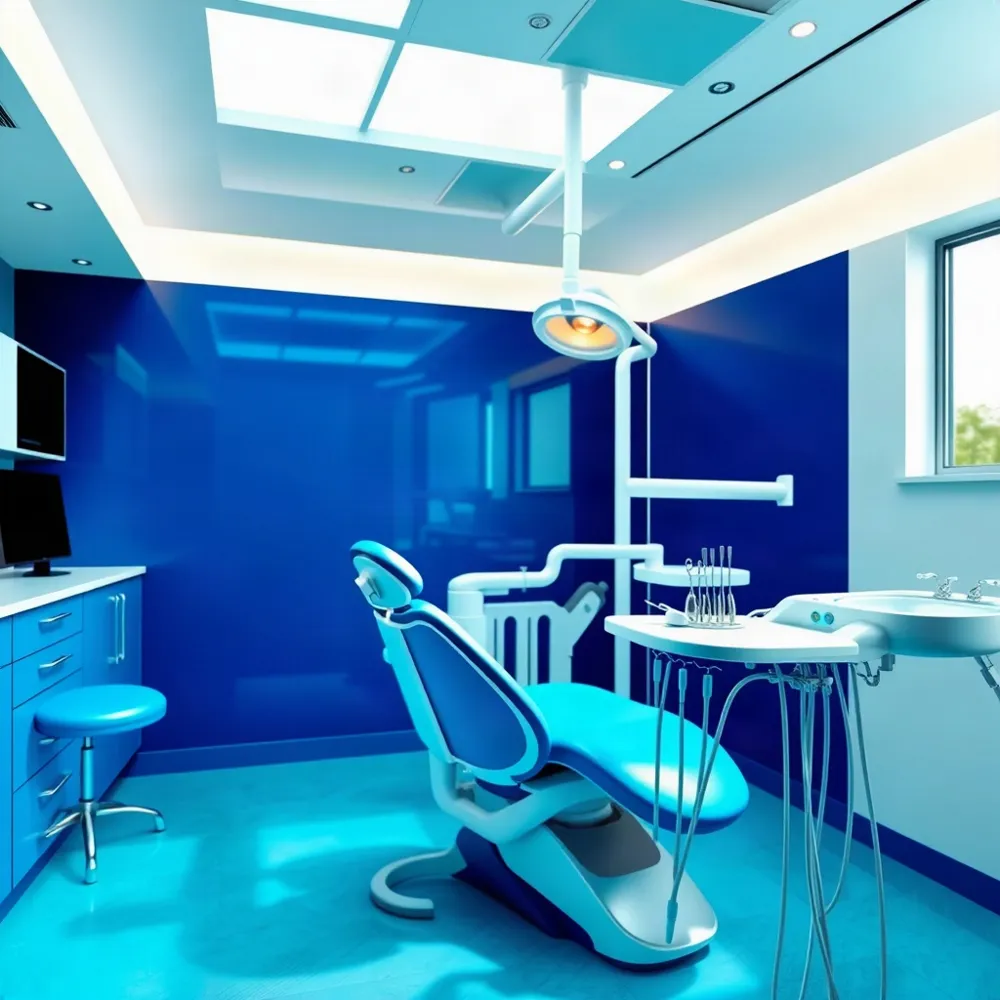 A reline adds material to the surface of an existing denture that rests against the gums. It reshapes that inner surface to better match the mouth’s current contours, while the denture’s artificial teeth and most of its base generally stay in place. See what a denture reline changes for how this differs from repairing a crack or replacing a tooth.
When the denture fits more closely, it may feel steadier during meals and conversation. Less movement can also mean less rubbing and pressure on the gums, which may ease sore spots and make chewing or speaking more comfortable. Results depend on the denture’s condition and the shape of the mouth, so a reline is not the right fix for every problem.
Arrange a dental assessment if the denture feels loose, your gums are sore or red, it clicks while you eat or speak, or food repeatedly gets trapped underneath. Difficulty chewing or needing more adhesive than usual are also reasons to have its fit checked. The team at davidmmayerdmd.com provides denture care as part of its full-service practice in Paterson, and can assess whether the issue calls for a reline, an adjustment, or another treatment.
Avoid trying to correct the fit by adding more material or changing the denture yourself. An examination can help identify the cause of discomfort and whether the existing denture is suitable for relining.
Choosing the Right Reline
The right liner depends on gum comfort, denture fit, and the condition of the denture itself. At davidmmayerdmd.com, an experienced dental team can assess these factors before recommending whether a reline, repair, or replacement is appropriate.
What are the different types of denture relines, and how do they differ?
A soft reline uses pliable material that cushions the gums and may suit people with tenderness or irritation. It can wear down sooner than a hard reline, which uses durable acrylic similar to the denture base and is often chosen for longer-term fit correction. Laboratory processing may take extra time.
A temporary liner offers short-term support when gums are healing or while a longer-lasting reline or new denture is being arranged. It is not a permanent fix, so the dentist will discuss what should follow.
How does a dentist decide whether a soft or hard reline is more suitable?
The dentist considers gum sensitivity, the way the denture fits, and whether its base is sound. An examination, and sometimes an impression, helps guide the choice. A softer material may be more comfortable for tender gums, while a hard reline may suit a patient whose gums can tolerate a firmer surface.
A cracked, badly worn, warped, or otherwise unsuitable denture may need repair or replacement rather than relining. The team at davidmmayerdmd.com provides denture repairs and same-day emergency treatment, though the appropriate option depends on an in-person assessment.
What are the potential disadvantages or limitations of denture relining?
A new lining can feel different at first, and follow-up adjustments may be needed to improve comfort and bite. Relining also cannot stop the gums and jaw from changing over time, so fit can require attention again. If discomfort persists or the denture feels unstable after treatment, contact the dental office for reassessment rather than trying to reshape it at home.
A personalized fit check helps distinguish a temporary adjustment from a problem that needs a different solution. Discuss expected follow-up and care instructions with the dentist before leaving the appointment.
What Happens During Treatment
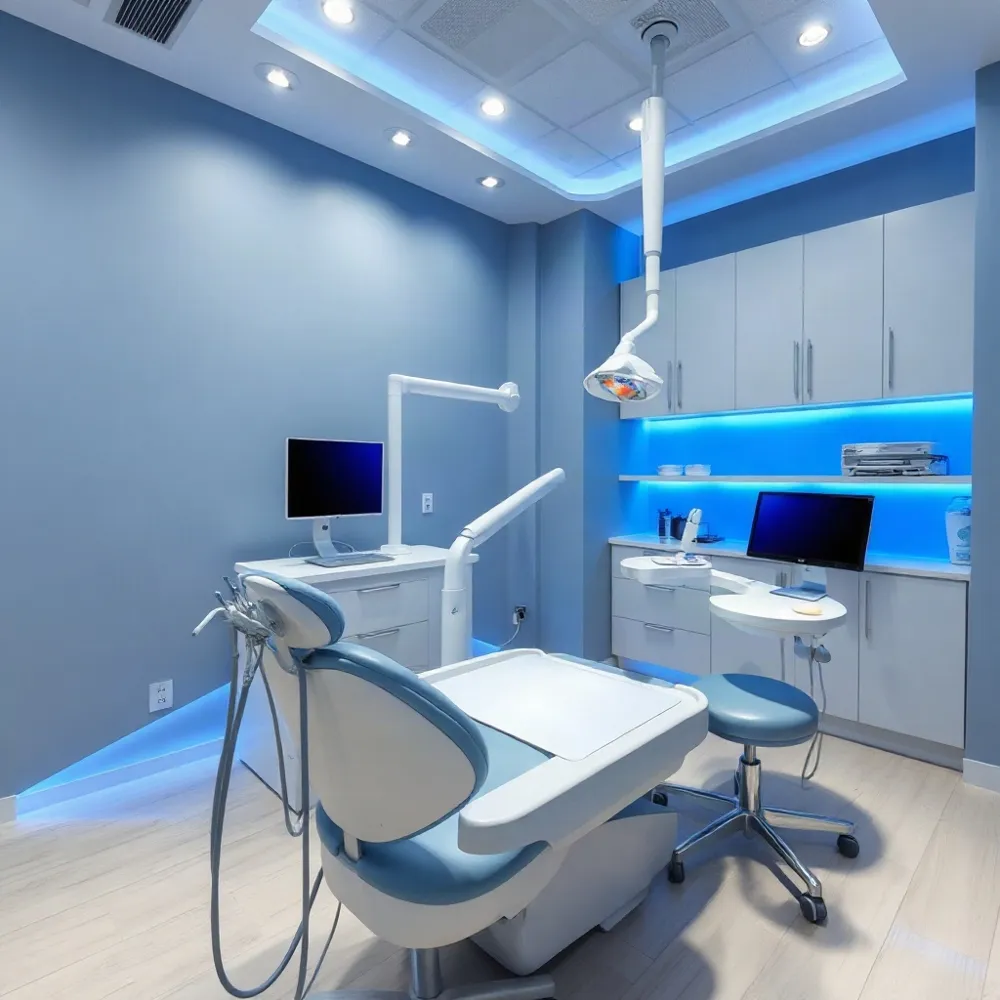 A professional reline starts with an examination of the denture and the tissues beneath it. The dentist checks for sore areas, damage, and signs that a change in fit is the main problem.
When needed, an impression records the current contours of the gums so the lining material can be shaped to the mouth. The dentist adds material to the denture’s inner surface, then checks how it sits and adjusts pressure points or the bite for comfort.
Minor changes and some soft relines can be completed in the office. An appointment may take roughly 30 minutes to an hour, but the actual time depends on the method and the work required. A laboratory-made hard reline takes longer, and the denture may need to stay at the lab for a few days.
Ask the dental team how long you may be without your denture and what to do in the meantime. At davidmmayerdmd.com, denture care is part of a full-service practice that also offers same-day emergency treatment, so patients can discuss timing and related concerns with the team.
For a broader look at impressions and adjustments in denture care, see the process of getting dentures.
Understanding Relining Costs
How much does denture relining cost, and does dental insurance cover it? There is no single national price. The amount depends on the reline type, provider, location, the denture’s condition, and whether laboratory work is needed.
Published fee schedules from 2023 to 2026 list about $71 to $179 per arch for a chairside reline and $118 to $330 per arch for a laboratory hard reline. These are schedule or allowed amounts, not guaranteed retail prices. One practice estimates $150 to $400 or more for a soft reline and $200 to $400 or more for a hard reline, illustrating how quotes can differ. These figures come from practice and fee-schedule information, not a single standardized national price.
Ask whether a quote covers one arch or both. Upper and lower dentures may be priced separately, so treating both can raise the total. A dental team should also examine the denture before quoting, since a damaged base or worn teeth may call for something other than a reline.
At davidmmayerdmd.com in Paterson, an individualized estimate can account for the denture and the recommended treatment. Patients comparing costs can also review denture cost considerations, where overall expenses vary with the care needed.
Insurance coverage depends on the plan. Original Medicare generally does not cover routine dental services or dentures. Some Medicare Advantage plans include dental benefits, while adult Medicaid dental coverage and prior-approval rules vary by state. Before scheduling, ask the dental office for a written estimate and contact your insurer to confirm covered services, annual limits, copayments, and whether prior authorization is required.
Maintaining Fit Safely
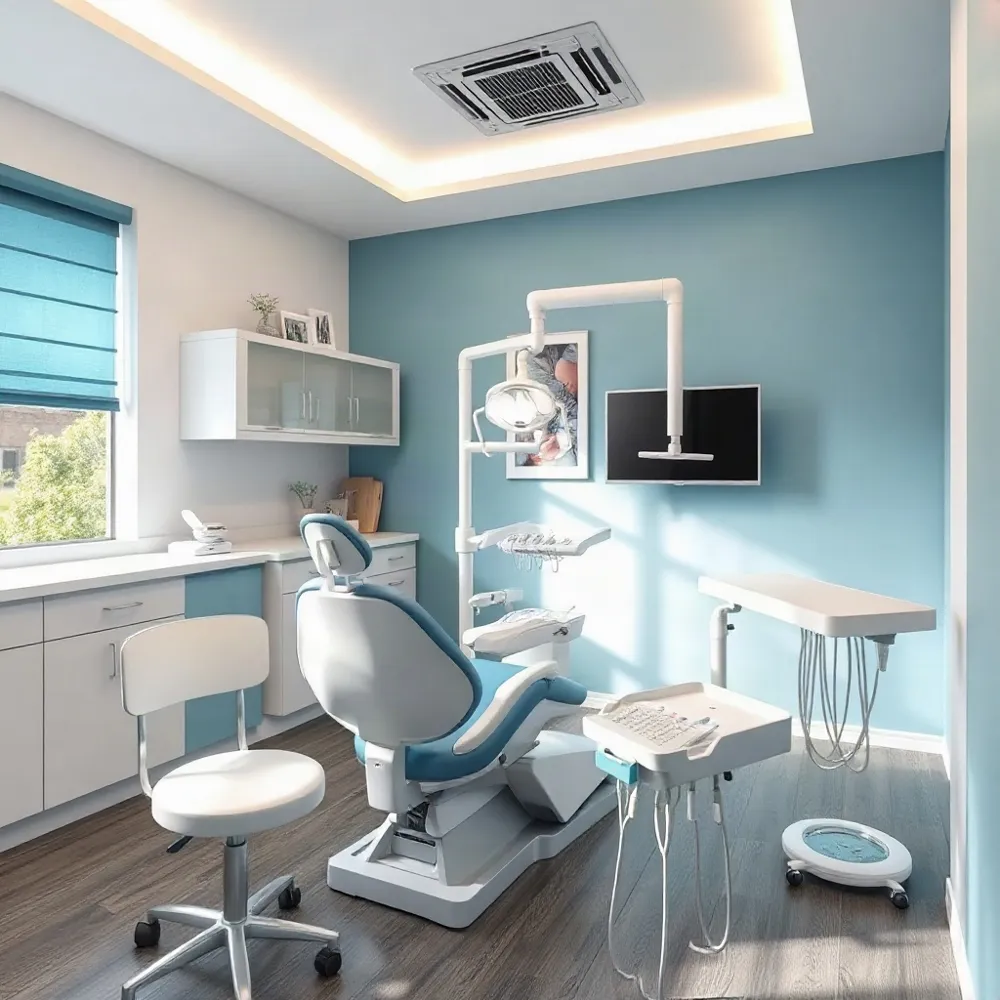 There is no fixed schedule for relining and no set lifetime limit on how many times a denture can be relined. Many people benefit from a fit check every one to two years, but oral changes and the denture’s condition determine when treatment is needed. For guidance on ongoing care, see denture maintenance and longevity.
A reline may be repeated as long as the denture remains suitable for adjustment. If it continues to fit poorly, or has a damaged base or worn teeth, repair or replacement may be a better option. At davidmmayerdmd.com, a dental team can assess the denture and oral tissues before recommending a next step.
Is it safe to reline dentures at home with a kit?
Home kits should not replace a professional assessment. Material applied unevenly can alter the bite, cause discomfort, damage the denture, or make later treatment more difficult. A loose fit may reflect changes in the mouth or a problem with the denture, so avoid trying to reshape or repair a damaged appliance yourself.
Contact a dentist if looseness persists or chewing becomes difficult. Seek an evaluation for ongoing irritation, a crack, a broken tooth, or red or swollen tissues beneath the denture. Increasing adhesive use may mask the problem without correcting its cause.
A Personalized Fit Check
The right next step depends on the denture’s condition and the health of the tissues beneath it. A reline may help when fit has changed, while damage or worn components can call for another solution.
If your denture feels loose or causes discomfort, arrange an examination rather than relying on extra adhesive. At davidmmayerdmd.com, the Paterson practice offers denture care and repairs; ask the dental team to explain the recommended treatment and provide a clear cost estimate before proceeding.