Why Daily Denture Care is Crucial
Importance of Daily Denture Maintenance
Daily denture maintenance is essential to preserving the fit, appearance, and functionality of dentures. Proper care helps remove food particles, plaque, and bacteria that accumulate during the day, preventing staining and preserving the structural integrity of the denture material.
Impact of Neglecting Denture Hygiene on Oral Health
Neglecting denture hygiene can lead to a variety of oral health problems such as denture stomatitis, persistent bad breath, inflammation, and mouth sores. Buildup of plaque and harmful microbes like Candida albicans may cause infections, discomfort, and gum irritation. Poorly cared for dentures also increase the risk of bone loss and complicate wearing dentures comfortably.
Basic Overview of Proper Denture Care Routines
Proper denture care involves daily rinsing of dentures after meals to clear food debris, gentle brushing with a soft-bristled denture brush and non-abrasive cleanser, and soaking overnight in water or a denture-cleansing solution to maintain moisture and shape. Hot water and abrasive products should be avoided to prevent warping and damage. Additionally, it is important to clean the mouth, gums, tongue, and roof daily to maintain overall oral health. Regular dental check-ups are recommended to assess fit, make necessary adjustments, and professionally clean dentures.
| Care Step | Purpose | Important Tips |
|---|---|---|
| Rinse after meals | Remove food debris | Use lukewarm water, avoid hot water |
| Brush daily | Remove plaque and stains | Use soft brush, denture cleanser |
| Soak overnight | Maintain shape and hygiene | Use denture soaking solution or water |
| Clean mouth daily | Prevent infections and soreness | Brush gums, tongue, and roof gently |
| Regular dental visits | Professional cleaning and fit check | Visit at least annually |
Best Practices for Daily Denture Cleaning and Handling
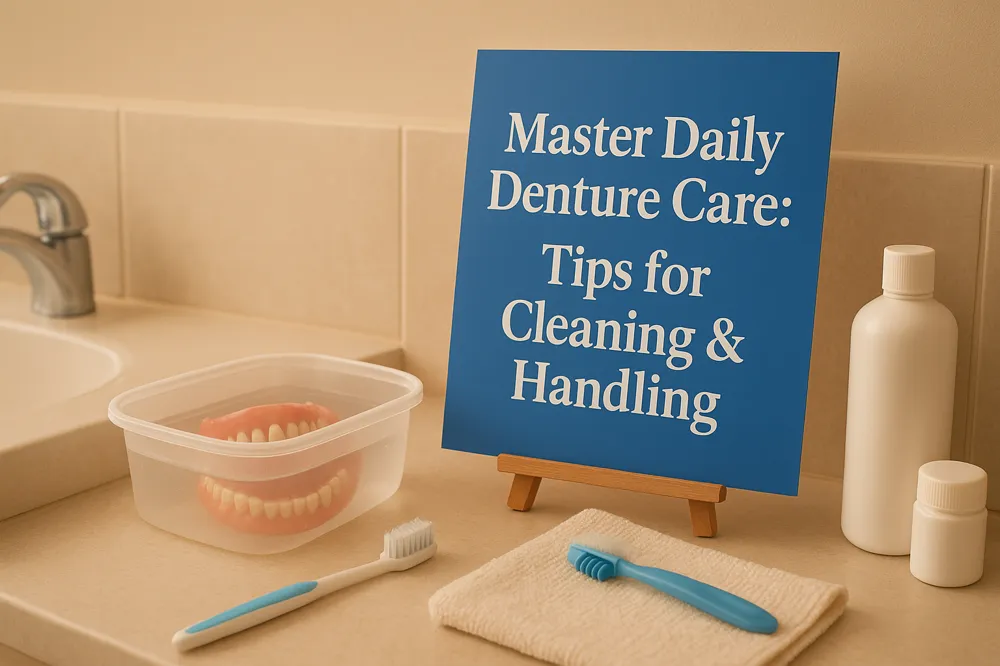
What is the best way to care for dentures?
Caring for Your Dentures involves a consistent daily routine to maintain cleanliness and oral health. Ideally, dentures should be removed and Gently brushing dentures at least twice a day. Use warm (not hot) water and a soft-bristled denture brush to avoid damage. Mild soap or Non-abrasive denture cleaners are preferred over regular toothpaste, which can be abrasive. Avoid bleach and harsh chemicals as they can weaken or discolor dentures. After cleaning, dentures should be Soaking dentures overnight in water or a recommended denture-safe solution to help maintain their shape and moisture.
What is the most effective way to clean dentures?
Effectively cleaning dentures includes Brushing dentures daily with a soft-bristled brush and a Non-abrasive denture cleaner designed to remove food debris, plaque, and bacteria. After eating, Rinsing dentures after eating helps eliminate food particles and prevents staining. It's important to Rinsing dentures before reinserting, especially if they were soaked in a cleaning solution, to avoid irritation or chemical ingestion.
Daily Brushing Techniques
Use a Soft-bristled brush for dentures. Brush gently but thoroughly on all surfaces, including those contacting the gums and any clasps or fixatives. Avoid using abrasive strokes or hard bristles that can scratch and create crevices where bacteria can thrive.
Use of Soft-Bristled Brushes
Soft-bristled brushes minimize the risk of scratching and damaging the denture surface. They effectively remove biofilm without harmful abrasion, helping keep the dentures smooth and less prone to staining or bacterial buildup.
Appropriate Cleaning Agents for Dentures
Nonabrasive denture cleansers, such as denture pastes, creams, or effervescent tablets, are recommended. Mild hand soap or dishwashing liquid can be alternatives when denture cleansers are unavailable. Always avoid regular toothpaste, bleaching products, and harsh chemicals.
Rinsing Dentures After Meals
Rinsing dentures after eating removes loose food particles and reduces plaque accumulation. This simple step helps maintain hygiene throughout the day and prevents staining and odor.
Proper Handling to Avoid Damage
Handling dentures carefully during cleaning by standing over a soft surface or a basin filled with water to prevent breakage if dropped. Gently insert and remove dentures to avoid bending or damaging clasps and the denture base.
Consistent application of these cleaning and handling practices promotes denture longevity, oral comfort, and prevents complications such as infections or irritation. Regular dental check-ups for dentures are essential to assess denture fit and oral health.
The Importance of Soaking Dentures Overnight and Safe Soaking Methods
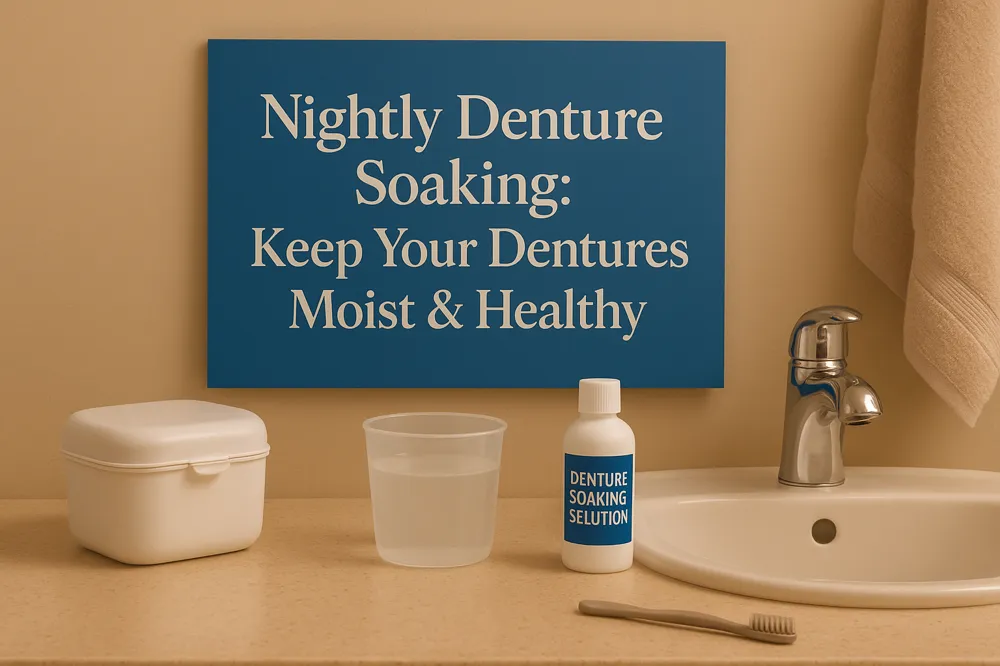
Why Should Dentures Be Soaked Every Night?
Yes, it is important to soak dentures nightly. Soaking Dentures Overnight in clean water or a mild denture-soaking solution keeps them moist and helps preserve their shape. This routine also aids in maintaining hygiene by loosening plaque and preventing bacterial buildup that can cause odors or infections. By soaking dentures regularly, you support their longevity and comfort. For more detailed advice, see Daily denture cleaning tips.
What Are the Best Soaking Solutions for Dentures?
Dentures should be placed in either plain water or a denture-specific soaking solution recommended by dental professionals. These cleaning dentures with denture cleansers solutions are formulated to remove stains, reduce biofilm, and disinfect without damaging denture materials. Avoid soaking in hot water, harsh chemicals, or bleach, as these can cause warping, discoloration, or structural damage. For safety tips, see Avoid hot water for dentures.
How Long Should Dentures Be Soaked?
Soaking Dentures Overnight typically for up to 8–12 hours is optimal to maintain moisture and cleanliness. However, leaving dentures soaking for too long in plain water may weaken the acrylic and promote bacterial growth. Using a denture cleanser during soaking helps balance cleanliness with material preservation. More on this can be found in Denture cleaning tips.
What Are the Risks of Improper Soaking?
Incorrect soaking practices such as using hot water, bleach, or leaving dentures dry can warp or distort their shape, leading to poor fit and discomfort. Additionally, insufficient cleaning or prolonged exposure to water without disinfecting agents can encourage bacteria and fungal growth, increasing the risk of oral infections like denture stomatitis. Hence, proper soaking and handling is key to safe denture wear. Refer to Denture care and maintenance for more on health risks associated with poor denture hygiene.
Key Soaking Precautions
- Use only lukewarm or cool water for soaking.
- Choose denture soaking solutions approved by dental associations such as those with the ADA Seal of Acceptance.
- Rinse dentures thoroughly before reinserting to avoid chemical ingestion; see Rinsing Dentures After Eating.
- Handle dentures carefully, ideally over a towel or basin, to prevent breakage; see Handling Dentures Carefully.
- Never soak metal partial dentures in corrosive solutions; consult your dentist. More on Caring for Partials with Metal Components.
Following these guidelines ensures dentures remain comfortable, hygienic, and durable for extended use.
Keeping Dentures Secure and Comfortable Throughout the Day
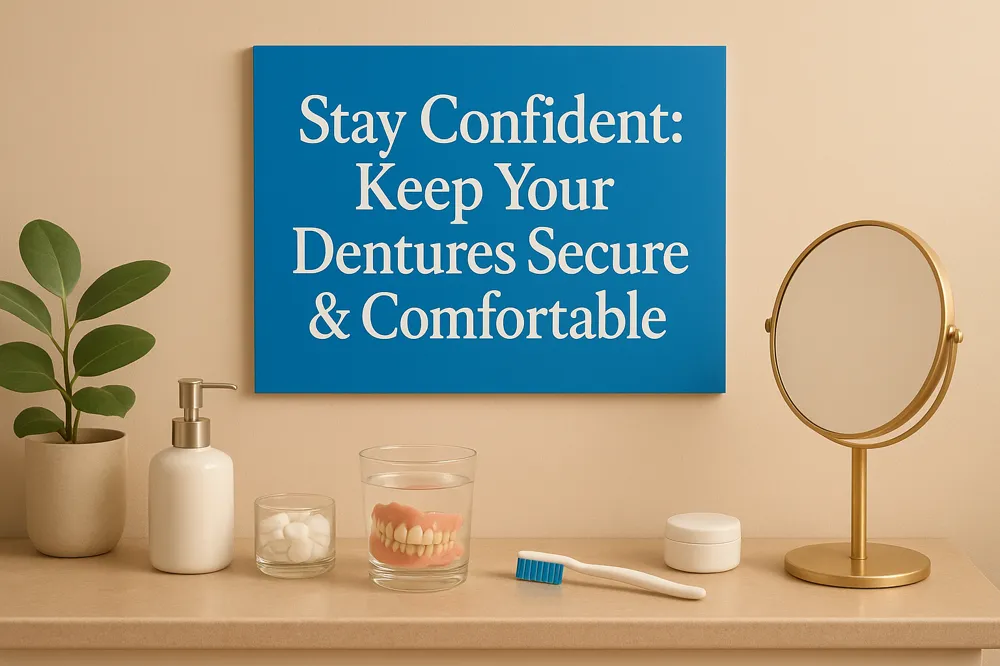
How can I keep my dentures in place all day?
Ensuring your dentures stay secure and comfortable throughout the day begins with a proper fit. Ill-fitting dentures can cause discomfort, looseness, and sores, so Regular dental check-ups for dentures are essential as your mouth changes over time.
Denture adhesives benefits can enhance stability and retention, especially for those experiencing minor looseness or dry mouth. It is important to use adhesives as directed, selecting Zinc-free denture adhesive options if advised, since overuse or improper use of adhesives may lead to health risks or skin irritation.
Diet also plays a critical role in denture comfort. Avoid sticky, hard, or overly chewy foods that risk dislodging or damaging your dentures. Start with softer foods and smaller bites to improve chewing efficiency and comfort.
Maintaining excellent Daily denture care tips—Rinsing dentures after meals, Brushing dentures daily with a soft-bristle brush and Using Non-Abrasive Denture Cleaner, and Soaking Dentures Overnight—prevents residue buildup that can impede fit and adhesive effectiveness. Handling dentures carefully and Storing dentures safely also help preserve their shape and stability.
Regular dental checkups for dentures help detect the need for adjustments or replacements before problems develop, ensuring your dentures provide reliable function and comfort throughout each day.
Extending the Lifespan of Your Dentures with Proper Care
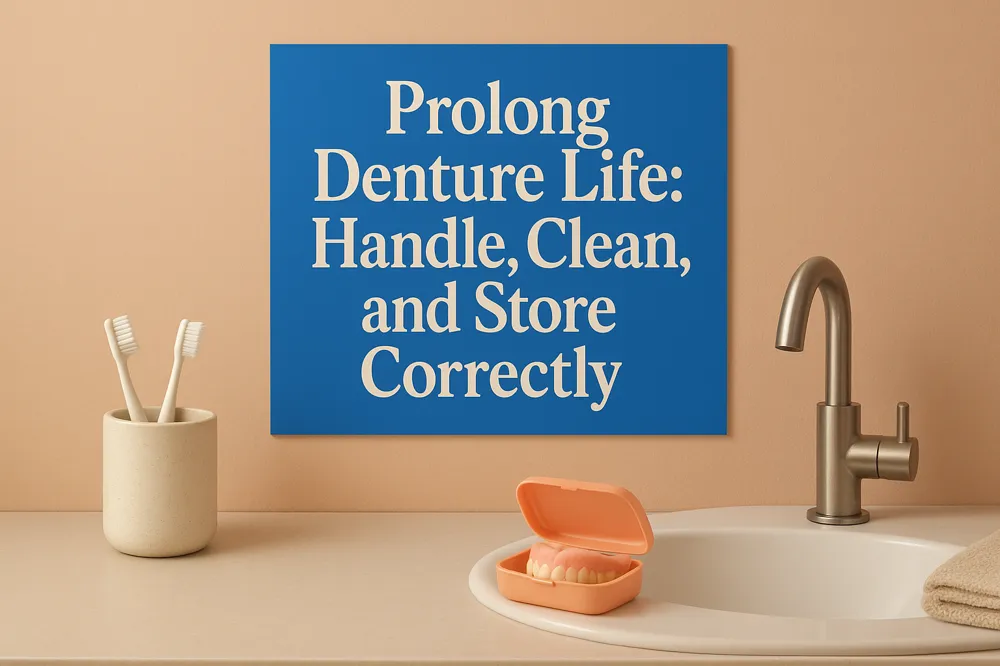
How can I make my dentures last longer?
Proper Caring for Your Dentures and handling of dentures are crucial to extend their lifespan and maintain oral health.
Handling and Storage Tips
Handling dentures carefully to avoid damage; always clean them over a soft towel or a sink filled with water in case they slip. After meals, Rinsing Dentures After Meals thoroughly with lukewarm water to remove food particles and prevent buildup of bacteria and stains. When not worn, Placing dentures in water or cleanser to keep them moist and maintain their shape. Avoid drying out, which can lead to Preventing denture warping or cracking.
Avoiding Hot Water and Harsh Chemicals
Never use Avoid hot water for dentures or boiling water for cleaning or soaking dentures, as heat can warp the denture material and alter fit and comfort. Avoid abrasive toothpaste, bleach, whitening products, or harsh chemicals as they can damage the dentures' surface and structure. Instead, use using non-abrasive denture cleaner or mild soap formulated for denture care.
Regular Dental Check-Ups and Professional Cleanings
Schedule regular dental check-ups for dentures at least once a year—or more frequently as advised—to have your dentures Professional denture cleanings and examined. Dentists can identify issues such as plaque deposits that daily brushing cannot remove, assess fit and comfort, and provide timely Adjusting Dentures Over Time or repairs.
Signs Dentures Need Adjustment or Replacement
Pay attention to discomfort, looseness, sores, persistent bad breath, or changes in your bite. These signs indicate that dentures may need professional adjustment or replacement. Dentures generally require replacement every 5 to 10 years due to natural wear and bone changes in the mouth, as advised in Signs for Denture Replacement.
By combining Gentle Handling of Dentures, avoiding damaging substances, maintaining daily denture cleaning tips, and consulting dental professionals regularly, you can significantly extend the life and comfort of your dentures.
Consequences of Poor Denture Hygiene and the Role of Routine Dental Visits
What are the consequences of not cleaning dentures regularly?
Neglecting to clean dentures can cause bacteria, fungi, and plaque buildup. This leads to bad breath, gum irritation, and oral infections such as denture stomatitis — inflammation of the tissues under the dentures. Staining and unpleasant odors often accompany poor hygiene. Rough denture surfaces trap more bacteria, worsening these effects (denture cleanliness and hygiene, Denture cleaning guidelines).
Why is removing dentures overnight important?
Removing dentures at night allows oral tissues to rest and prevents continuous exposure to bacteria. Overnight soaking keeps dentures moist and maintains their shape. Failure to remove them encourages bacterial growth and yeast infections like thrush, increasing oral discomfort and health risks (Removing dentures at night, Soaking dentures overnight).
How should oral tissues be cared for with dentures?
Even without natural teeth, cleaning gums, tongue, cheeks, and the roof of the mouth daily is essential. This prevents the buildup of bacteria and reduces the chance of infections or irritation, supporting overall oral health and denture comfort (Cleaning gums, tongue, and cheeks daily, oral tissue care with dentures).
What professional denture cleaning methods are recommended and how often?
Professional cleanings remove tartar and deposits patients cannot eliminate. Dentures should be assessed at least annually during dental visits for fit, function, and presence of any damage or oral health issues. Adjustments or replacements may be necessary over time due to bone changes or wear. Regular check-ups also allow early detection of complications such as oral sores or fungal infections (Professional denture cleanings, Importance of regular dental checkups).
Additional Tips: Oral Hygiene and Handling for Overall Denture Comfort
How should I clean the gums, tongue, cheeks, and palate when wearing dentures?
Maintaining the health of your mouth tissues is crucial when using dentures. After removing your dentures, gently clean your gums, tongue, cheeks, and palate daily with a soft toothbrush or gauze. This routine helps remove bacteria and debris, reducing the risk of irritation and infections, and promotes overall oral health and comfort. (Rinsing dentures after eating, Cleaning your mouth after denture removal, Cleaning gums, tongue, and cheeks daily, oral tissue care with dentures
What are the guidelines for safe denture removal and insertion?
Handle dentures carefully during removal and insertion to avoid damage or injury. Always remove and insert dentures gently; avoid forcing them. It’s recommended to stand over a soft surface or a sink filled with water during these activities to prevent breakage if dentures are accidentally dropped. Proper handling preserves denture integrity and enhances comfort. (Handling dentures carefully, Proper denture handling techniques, Proper handling of dentures)
How do environmental factors like hydration and weather impact denture comfort?
Hydration plays an important role in denture comfort by supporting saliva production, which aids in natural lubrication and adherence. Dry mouth can cause dentures to feel loose and uncomfortable. Additionally, humid or dry weather can influence oral dryness and denture fit. Staying well-hydrated helps maintain oral tissue health and improves denture stability. (Staying hydrated for denture comfort, Hydration and denture care)
Why should I avoid at-home denture repairs?
Attempting to repair or adjust dentures yourself can cause irreversible damage, warping, or a poor fit, leading to discomfort or oral tissue injury. Always consult your dentist for professional assessment and repair if you notice breakage, loosening, or discomfort. This ensures that repairs are done safely and maintain denture function. (Professional denture repair advice, Professional denture adjustments, Fixing dentures professionally)
Why is routine professional evaluation important?
Regular dental checkups (at least annually) allow your dentist to assess denture fit, oral tissue health, and wear. Changes in your mouth over time may require adjustments or replacement to prevent soreness, infections, and other complications. Professional cleaning can remove stains and tartar buildup inaccessible to home care, ensuring your dentures remain comfortable and functional. (Regular dental checkups for dentures, Professional denture cleanings, Importance of regular dental check-ups
Maintaining Your Dentures for a Healthy Smile Every Day
Daily Denture Care Practices
Proper daily maintenance of dentures is vital for comfort, appearance, and oral health. After meals, rinsing dentures with lukewarm water removes food debris and helps prevent staining. Brushing dentures at least once daily with a soft-bristled brush and a non-abrasive denture cleaner—not regular toothpaste—is essential to remove plaque and bacteria safely. Soaking dentures overnight in water or a mild denture solution keeps them moist, preserves their shape, and guards against warping. Handling dentures gently during cleaning and storage, ideally over a soft towel or water-filled sink, prevents accidental damage.
Importance of Regular Dental Visits
Regular dental check-ups play a crucial role in denture maintenance. Dentists assess fit and function, making adjustments or repairs as needed to prevent irritation or sores. They also professionally clean dentures to eliminate buildup that daily brushing cannot remove. Periodic evaluations help identify early signs of oral health problems and determine when dentures may need relining or replacement, typically every five to ten years.
Impact on Oral Health and Denture Longevity
Consistent denture care benefits overall oral health by minimizing infection risks, bad breath, and gum inflammation. Nightly removal of dentures allows gum tissues to rest and promotes healthy mouth tissues. Proper maintenance extends the lifespan of dentures, improving stability, comfort, and aesthetics, thus supporting a confident, healthy smile every day.