Two Different Denture Problems
A denture that slips and one with a crack may look like they need the same fix, but relining and repair address different problems. A reline changes the surface that rests against the gums to improve fit. A repair restores damaged parts, such as a cracked base or broken tooth.
These issues can overlap: a denture may be loose and damaged at the same time. Symptoms offer clues, but they cannot confirm which treatment is suitable. A dentist needs to examine both the appliance and the mouth, including its fit and the condition of the gums.
At David M. Mayer DMD, denture repair services are part of a full-service practice in Paterson, New Jersey. An assessment can help distinguish a fit problem from physical damage and guide the next step.
What a Reline Changes
A denture that once felt secure can loosen as the gums and jawbone change over time. When the appliance shifts, rubs, or feels uncomfortable, a dentist can check whether its fit has changed and whether a reline may help.
A reline adds or replaces material on the denture’s tissue-facing surface, shaping it to make closer contact with the gums. It adjusts the fit of the existing appliance rather than replacing the denture or its teeth. At David M. Mayer DMD in Paterson, a dental team can assess denture fit as part of its range of denture care.
Signs worth discussing with a dentist include a denture that shifts during meals or conversation, sore or irritated gums, trouble chewing or speaking, or a growing need for adhesive. These symptoms do not confirm that a reline is needed, since other problems can cause similar discomfort.
Relining is generally considered when the denture is otherwise in serviceable condition and the main concern is fit. It will not repair a crack, replace a broken tooth, correct major wear, or restore a damaged base. If the appliance has both a poor fit and structural damage, an examination can help determine whether it needs more than one type of treatment. Professional denture care for loose or damaged appliances can help clarify the options.
One to two years is a commonly cited interval for considering a reline, but it is not a universal schedule. Changes in fit, comfort, and the mouth matter more than the calendar, so persistent looseness or soreness is a reason to arrange an evaluation rather than wait for a set date.
What Denture Repair Addresses
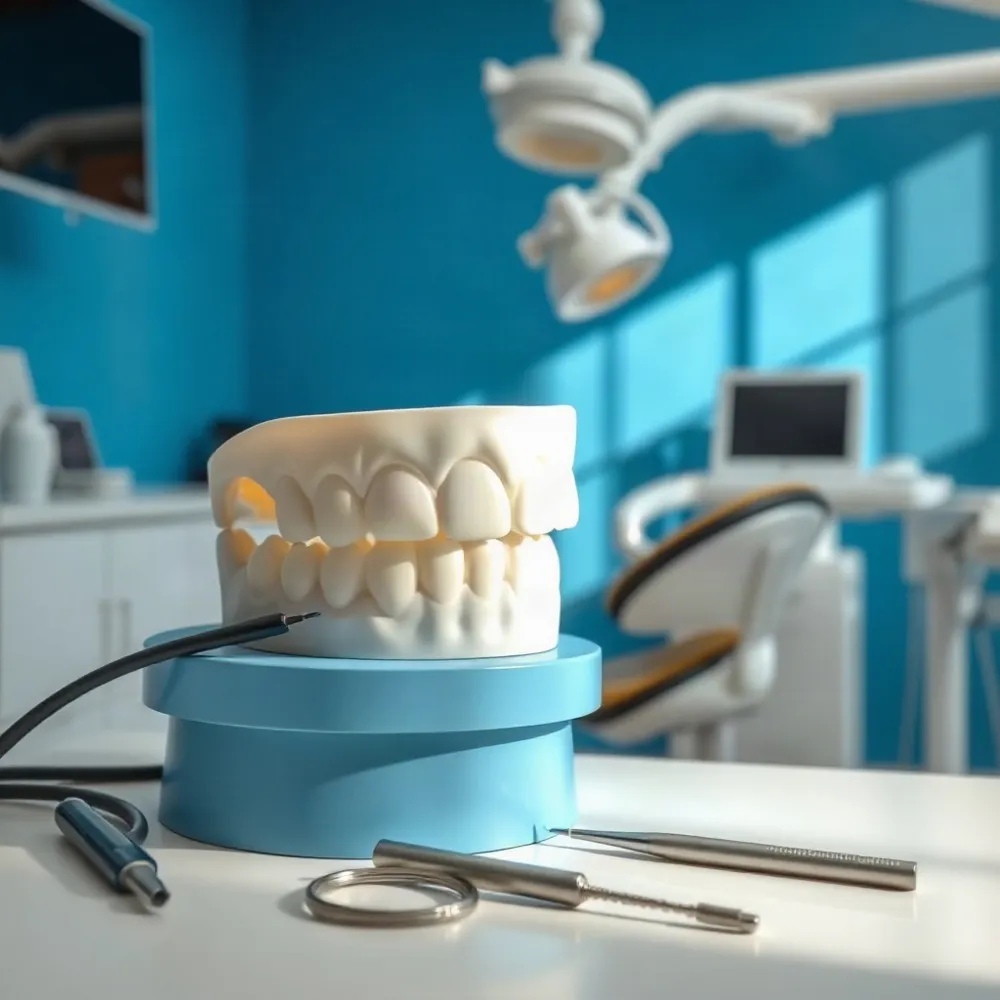 Denture repair restores a damaged part of the appliance; it does not, by itself, correct a denture that has become loose or no longer fits well. That distinction matters because a repair can address a break while leaving the underlying fit problem unchanged.
Examples include a cracked or chipped base, a broken or missing artificial tooth, or damage to another component, such as a clasp on a partial denture. At davidmmayerdmd.com, a dental evaluation can help determine whether the damage is repairable and whether the denture also needs a fit adjustment.
A rebase is a more extensive option than a routine repair. When the denture teeth remain in good condition but the acrylic base has deteriorated, the dentist may replace the base and attach the existing teeth to it. A reline, by contrast, changes the tissue-facing surface to improve fit. Some dentures need both structural work and a fit adjustment, so the procedures are not mutually exclusive.
Turnaround depends on the type and extent of the work. A simpler repair may take about a day, while more complex work can take longer. The dentist can explain the expected process after examining the denture; David M. Mayer DMD offers same-day denture repair services, though timing depends on the individual case. For a closer look at what repairs address, see same-day denture repairs.
How the Dentist Chooses
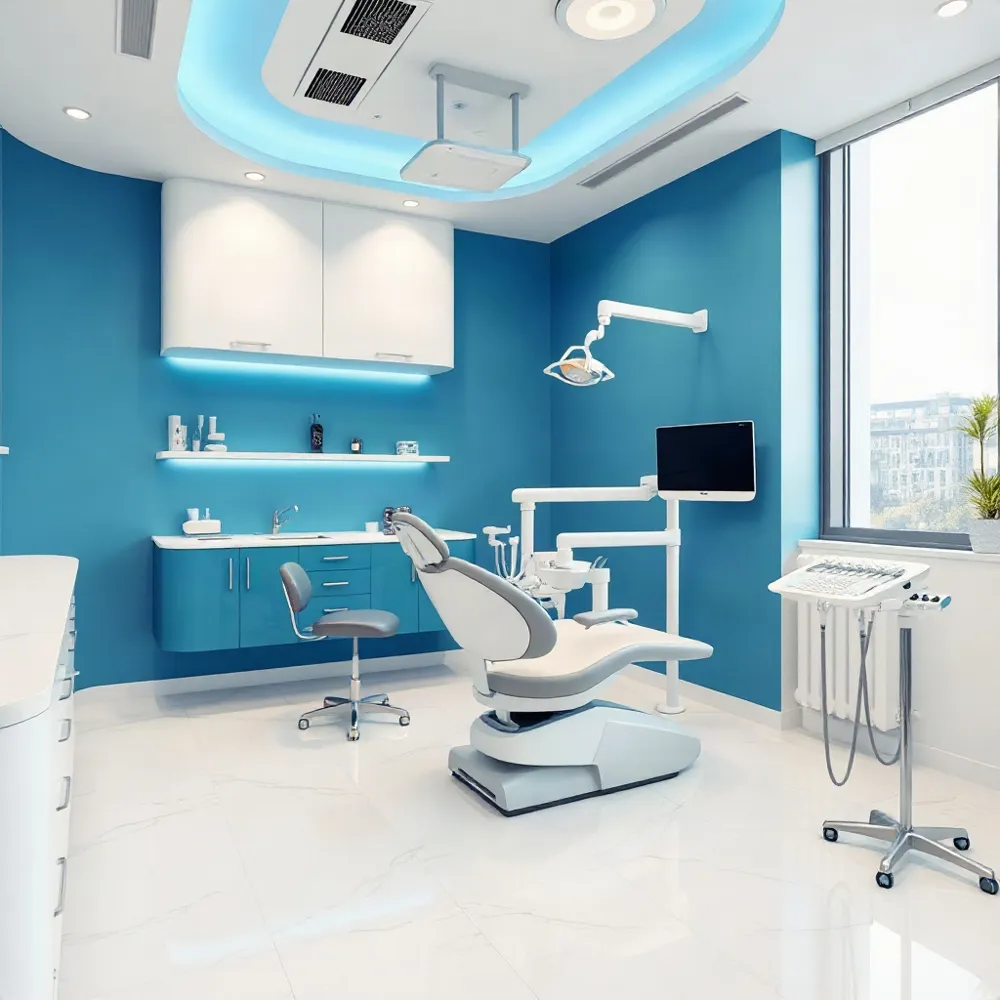 A dentist assesses the denture and how it works in your mouth before recommending a treatment. At David M. Mayer DMD, the evaluation can consider cracks, worn teeth, weakened or distorted acrylic, previous repairs, and damage to parts such as a partial denture’s clasp. The dentist also checks fit, bite, comfort, speech, and chewing.
Some symptoms offer clues, but they do not confirm what treatment is needed. If a denture is loose but otherwise in sound condition, a reline may be considered. If it has a crack or broken tooth but still fits acceptably, repair may be an option. A denture with both problems may need more than one procedure.
Repeated fractures, substantial wear, a major change in the bite, or instability that continues after a fit correction may prompt a conversation about replacement. Age alone does not settle that decision. The denture’s condition and whether it supports comfortable eating and speaking matter too.
The recommended plan depends on the findings, not on a single symptom or a fixed schedule. A dentist may repair damage and address fit separately, or explain why the existing denture may not be a sound basis for further treatment. For more on how dentists assess denture damage and fit, see the related guide.
Why Professional Care Matters
 A loose, cracked, or broken denture can rub against the mouth and irritate the gums. Sore spots may make eating or speaking uncomfortable, and continued movement or damage can make the problem worse. If you notice fit or comfort concerns, professional denture care can help identify what needs attention.
Avoid trying to repair, reline, or adjust a denture at home. Household glue and do-it-yourself kits can damage the appliance or change how it fits and how your bite comes together. A dentist can examine both the denture and your mouth before recommending a repair, reline, or another option.
Contact a dental professional if your denture feels loose or uncomfortable, or if it has a crack, break, or sharp edge. Do not keep wearing an appliance that is causing pain or injury. At David M. Mayer DMD in Paterson, evaluations and denture repair services are part of a practice that also provides same-day emergency treatment; the appropriate timing and treatment depend on the problem.
If a denture breaks, keep the pieces together and ask the dental office what to do next. Leave it out if it has a sharp edge or is hurting your mouth, rather than risking further injury. Timely advice can help you understand the available treatment and support comfort and function while the denture is assessed.
Let the Problem Guide the Plan
A reline adjusts how an otherwise serviceable denture fits; a repair addresses a crack, broken tooth, or other damage. If the denture is badly worn or cannot be restored predictably, replacement may be considered.
These options are not interchangeable, and some dentures may need more than one type of treatment. The right plan depends on the appliance’s condition, the health of the gums and other oral tissues, and what will best support comfort and daily function.
If your denture feels loose or uncomfortable, or you notice damage, arrange an examination rather than choosing a procedure on your own. A dentist can assess the fit and condition, explain suitable options, and advise whether it is safe to keep wearing the denture. Avoid home repairs, which can worsen damage or create a poor fit.