The Right Repair Depends on the Tooth
A filling may repair a small cavity when enough healthy tooth remains. A crown may be recommended when decay or damage has weakened the tooth too much for a filling to support it. Neither option is always better; the right choice depends on the condition of your tooth.
A filling repairs the affected area and usually preserves more of the natural tooth. A crown covers the visible part of a tooth and can provide added support when more structure has been lost. The dentist must examine the tooth to see which treatment is suitable.
At David M. Mayer, DMD & Associates in Paterson, NJ, the dentist can assess the tooth and explain the options, including dental crowns. A clear explanation can help you understand why a filling or crown is being considered and ask questions before treatment.
What Each Treatment Does
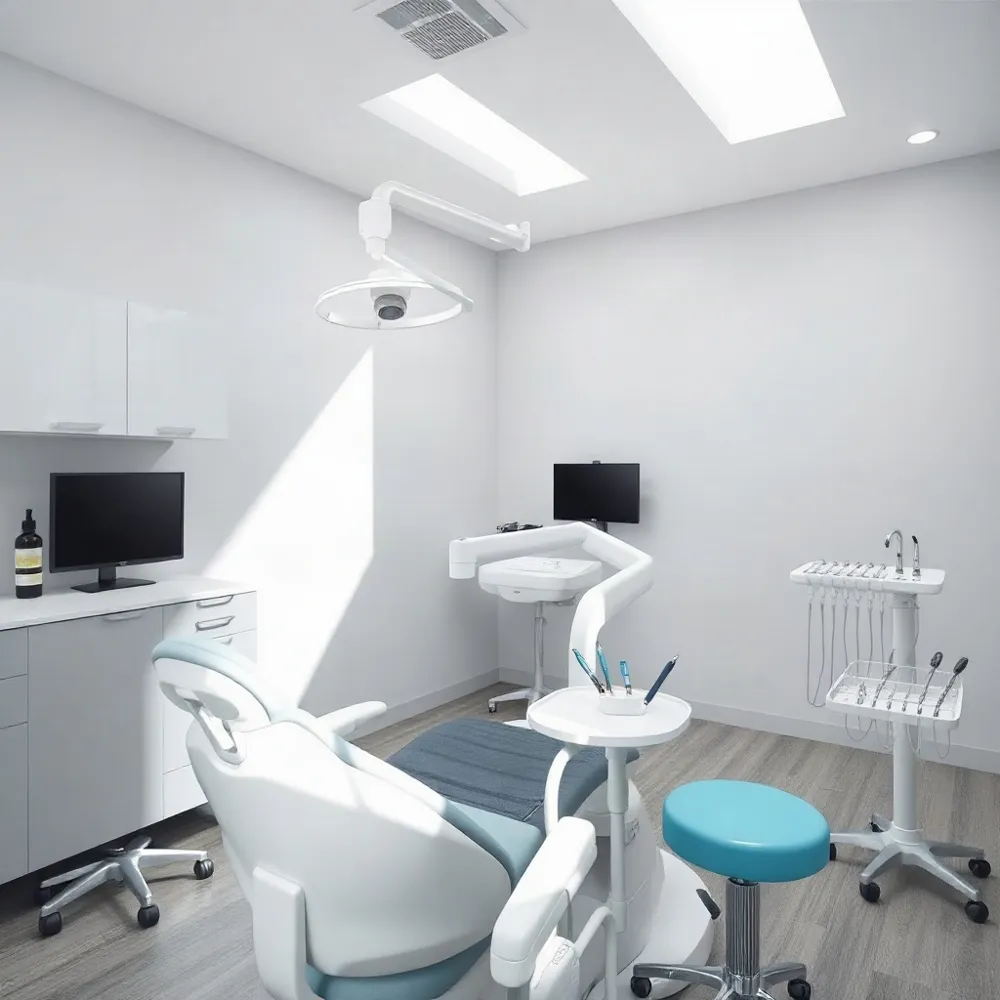 A filling repairs the area left after a dentist removes decay or minor damage. Tooth-colored composite is often used, and the repair can preserve more of the natural tooth than a crown. Learn about dental fillings and when this option may be considered.
A crown covers the visible part of a tooth. It may restore support when a large cavity, crack, or earlier treatment has left the tooth weak. At David M. Mayer, DMD & Associates in Paterson, NJ, fillings and crowns are both available, and CEREC crowns can be made in a single visit when suitable.
A crown requires shaping some of the tooth so the restoration can fit. Because that natural structure does not grow back, preserving it matters. The goal is not simply to choose the treatment expected to last longer, but to find an option that can repair and protect the tooth appropriately. The dentist can explain crown treatment and what the examination shows.
Can I ask for a filling instead of a crown?
Yes. Ask whether a filling could work and what the dentist sees, including the benefits and risks of each choice. A filling preserves more tooth, but may not support a badly weakened tooth or one with extensive decay or a crack. At an appointment, the dentist can examine the tooth and discuss the reasons for the recommendation before treatment begins.
How Dentists Assess the Tooth
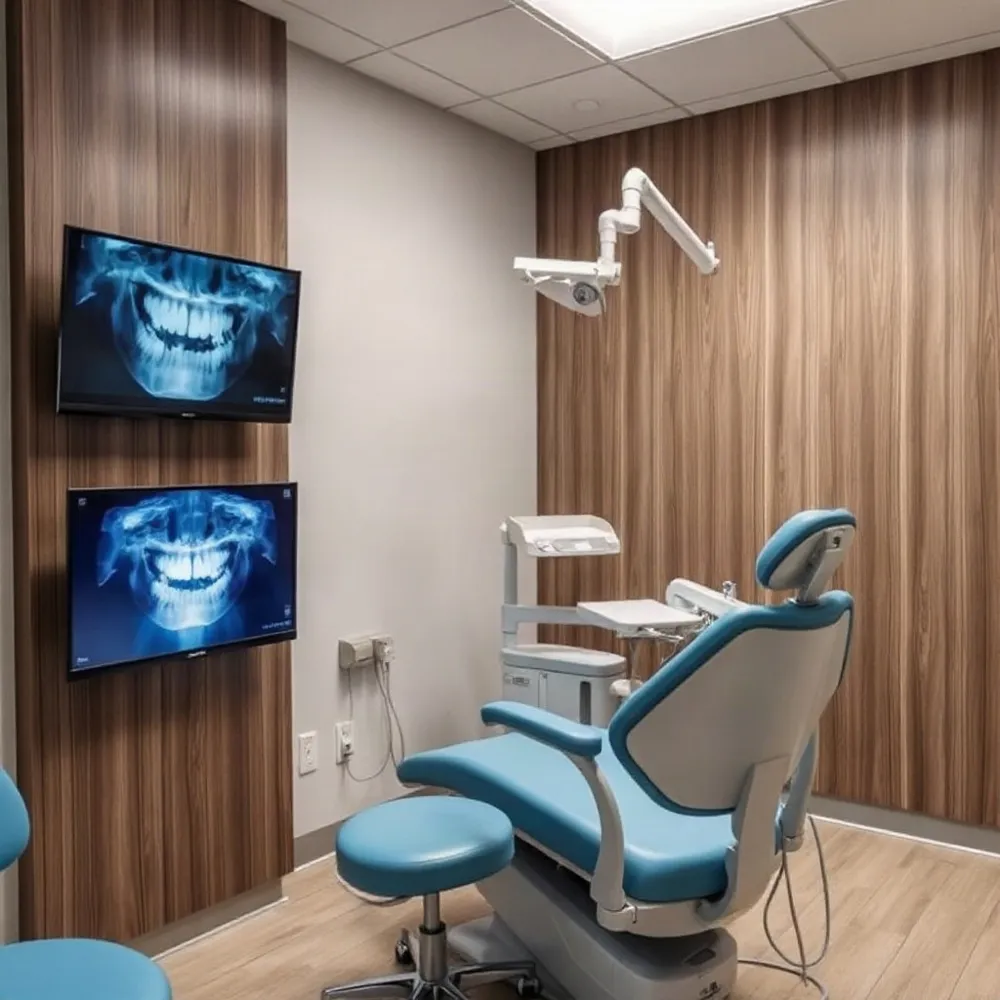 A dentist decides whether a filling or crown is suitable by examining the damage and how much healthy tooth remains. A small cavity may need only a filling, while a weakened tooth may need the added support of a dental crown.
The dentist considers the cavity’s size and depth, any cracks or fractures, and whether the tooth has had earlier fillings or a root canal. Tooth location matters too. Back teeth handle strong chewing pressure, so a large cavity, repeated repairs, or weakened tooth walls may need more support than a filling can provide.
An examination can reveal damage that is hard to see at home. When appropriate, X-rays can help show decay beneath the surface or other signs of structural weakness. At David M. Mayer, DMD & Associates in Paterson, NJ, 3D digital X-rays are one part of the evaluation, not a decision on their own.
Pain, sensitivity, or what you can see in a mirror does not settle which treatment is right. The dentist weighs those signs alongside the exam and imaging, then explains the options. If the tooth’s nerve is affected, root canal treatment may also need to be considered.
A dentist may also consider earlier treatment and the tooth’s history when assessing a damaged tooth. Learn more about how dentists choose treatment.
When a Filling May Not Be Enough
A dentist may consider a crown when decay or damage has left too little strong tooth to hold a filling safely. A crown covers the visible tooth more fully, while a filling repairs a smaller area. Learn about dental crowns and when they may be recommended.
This may apply to extensive decay, a significant crack or break, a large or failing filling, or substantial wear. Thin or weakened tooth walls can flex under chewing pressure, and a filling may not give them enough support. A crown may offer fuller coverage, but a crack does not automatically mean a crown is needed. The dentist must assess its depth and location.
A tooth that has had root canal treatment may also need a crown, depending on how much healthy structure remains. A root canal treats infected or badly inflamed tissue inside the tooth; a filling or crown restores the tooth afterward. The dentist can explain whether root canal treatment is needed and which restoration fits the tooth.
Delaying care can allow decay to spread and weaken more of the tooth, sometimes making treatment more involved. If you are in Paterson, NJ, an examination and, when needed, X-rays can help the dentist check the damage and discuss options. At David M. Mayer, DMD & Associates, 3D digital X-rays are available as part of care, and CEREC crowns can be made in one visit when suitable.
A tooth may receive a filling, a crown, or a root canal followed by a restoration. The right plan depends on the condition of the tooth, not just whether it hurts.
A filling may be enough for limited damage, but extensive decay, a crack, a failing large filling, wear, or weakened tooth walls may call for a crown. If decay reaches the inner tissue, root canal treatment may be needed before the tooth is restored.
A Chip Needs an Examination
A chipped tooth needs an examination to determine the best repair. Depending on the size and location of the chip, the dentist may recommend bonding, a filling, or a crown.
A small edge chip may need only tooth-colored material to rebuild its shape. A larger break, especially on a tooth that takes strong chewing pressure, may need more coverage and support. At David M. Mayer, DMD & Associates in Paterson, NJ, an examination helps determine which repair fits the tooth. Learn about bonding, inlays, and onlays for smaller repairs.
Before your visit, avoid chewing on the damaged side and save any broken piece in a clean container to bring with you. Call the office promptly, even if the chip does not hurt, since the visible break may not show the full extent of the damage.
For facial swelling, trouble breathing or swallowing, or bleeding that will not stop, go to the emergency room or call 911. For other chips, contact a dentist for guidance and an appointment.
What Makes CEREC Different
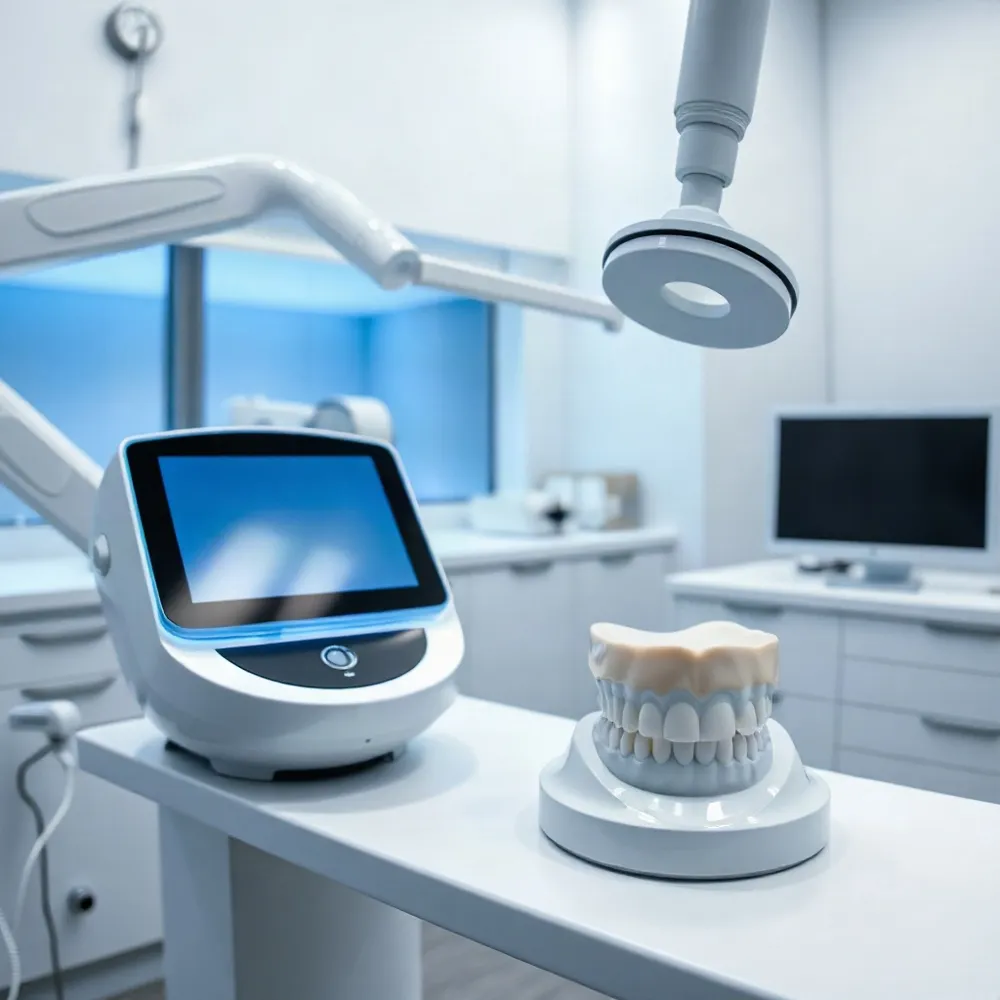 Yes. A CEREC crown is designed from a digital scan and made in the dental office, so a suitable crown can often be placed during one visit. A conventional lab-made crown usually requires a temporary crown while the permanent one is made, followed by another appointment.
At the Paterson office, a CEREC visit includes preparing the tooth, taking a digital scan, and making the crown. Plan for about 90 minutes to two hours. You can learn more about CEREC crowns made in one visit.
Both approaches restore a tooth, but the number of visits is not the only factor. CEREC is not suitable for every tooth, and convenience should not decide treatment. The dentist examines the tooth and discusses whether a same-day crown fits its condition and the care it needs.
When a Crown May Not Be Possible
A crown needs enough healthy tooth to hold it in place. If decay or a break extends far below the gumline, too little tooth remains, or a deep crack reaches the root, a crown may not be a suitable repair.
That does not mean severe decay or infection always rules out saving the tooth. In some cases, root canal treatment can address infection inside the tooth, followed by a crown to protect what remains. The dentist examines the tooth and may take X-rays to assess the damage before explaining whether this approach is an option.
At David M. Mayer, DMD & Associates in Paterson, NJ, 3D digital X-rays can help the dentist evaluate a damaged tooth. If the tooth cannot be restored, the dentist can discuss options such as tooth extraction and replacement with an implant or bridge. The right choice depends on your examination and needs.
Ask what makes the tooth restorable, what treatment is recommended, and what may happen if you wait. To discuss a damaged tooth, call (973) 881-8568 or book an appointment. The team speaks English, Spanish, and Arabic.
Questions Patients Ask Before Treatment
Decay can form at the edge where a crown meets the natural tooth. New sensitivity, pain, a bad taste, swollen gums, or a change in how the crown fits are reasons to arrange a dental check, though these signs do not confirm decay.
Brush regularly, clean between your teeth, and keep up with dental exams so a dentist can check the crown and the surrounding tooth. Patients in Paterson, NJ can call the office at (973) 881-8568 or book an appointment online. The team speaks English, Spanish, and Arabic.
Frequently asked questions
Can decay form under a crown?
Yes. Decay can develop where the crown meets the tooth, so keep the area clean and have it checked at routine visits.
What symptoms around a crown need a check?
New pain, sensitivity, a bad taste, swollen gums, or a change in fit should be assessed. Symptoms alone cannot show the cause.
How can I help care for my crown?
Brush, clean between your teeth, and attend regular dental exams. Call or book online if you notice a change.