Revolutionizing Restorative Care with Modern Dental Technology
Restorative dentistry has moved beyond traditional, multi-visit models to prioritize speed, precision, and patient comfort. At davidmmayerdmd.com, we utilize state-of-the-art Same-Day Dental Crowns to restore damaged teeth in a single appointment, effectively eliminating the common inconveniences associated with conventional lab-fabricated restorations.
Traditional methods often require weeks of waiting, multiple office visits, and the use of temporary crowns that may be uncomfortable or prone to shifting. In contrast, our CEREC technology employs advanced digital scanning to create a 3D map of your mouth. This precise approach replaces messy, traditional putty impressions while ensuring a highly accurate fit.
By integrating digital design and in-house milling, we offer restorative solutions that are both durable and aesthetically natural. This commitment to efficiency means you can enjoy long-term dental health without the need for multiple trips to our office, providing a seamless path toward a stronger, more confident smile.
Understanding Dental Crowns and Their Essential Role in Restoration
 A dental crown is a custom-fitted, tooth-shaped cap that fully encases the visible portion of a damaged or weakened tooth to restore its natural shape, size, strength, and appearance. At davidmmayerdmd.com, we prioritize these restorations to protect teeth that have suffered from severe decay, fractures, or significant wear. By shielding the inner tooth structure from harmful bacteria and everyday biting forces, these dental crowns act as a durable, long-term solution to preserve both your oral health and chewing functionality.
What is the purpose of a dental crown, and why do dentists recommend them?
Dentists recommend crowns to reinforce teeth that can no longer support large fillings or to provide necessary stability for dental bridges. They are especially critical after a root canal procedure, as the tooth can become brittle and require the structural support of a cap to prevent future breakage. Beyond these restorative needs, crowns serve as the final component for dental implants, effectively replacing the missing crown portion of the tooth.
Cosmetic needs also drive the recommendation for these restorations. If you have misshapen or severely stained teeth, a porcelain crown provides a way to improve your smile while maintaining the underlying tooth structure. Whether you are addressing an emergency fracture or choosing elective cosmetic refinement, the goal remains to prevent further damage and ensure your bite remains balanced and comfortable for years to come.
The Evolution of Crown Technology: CEREC vs Traditional Methods
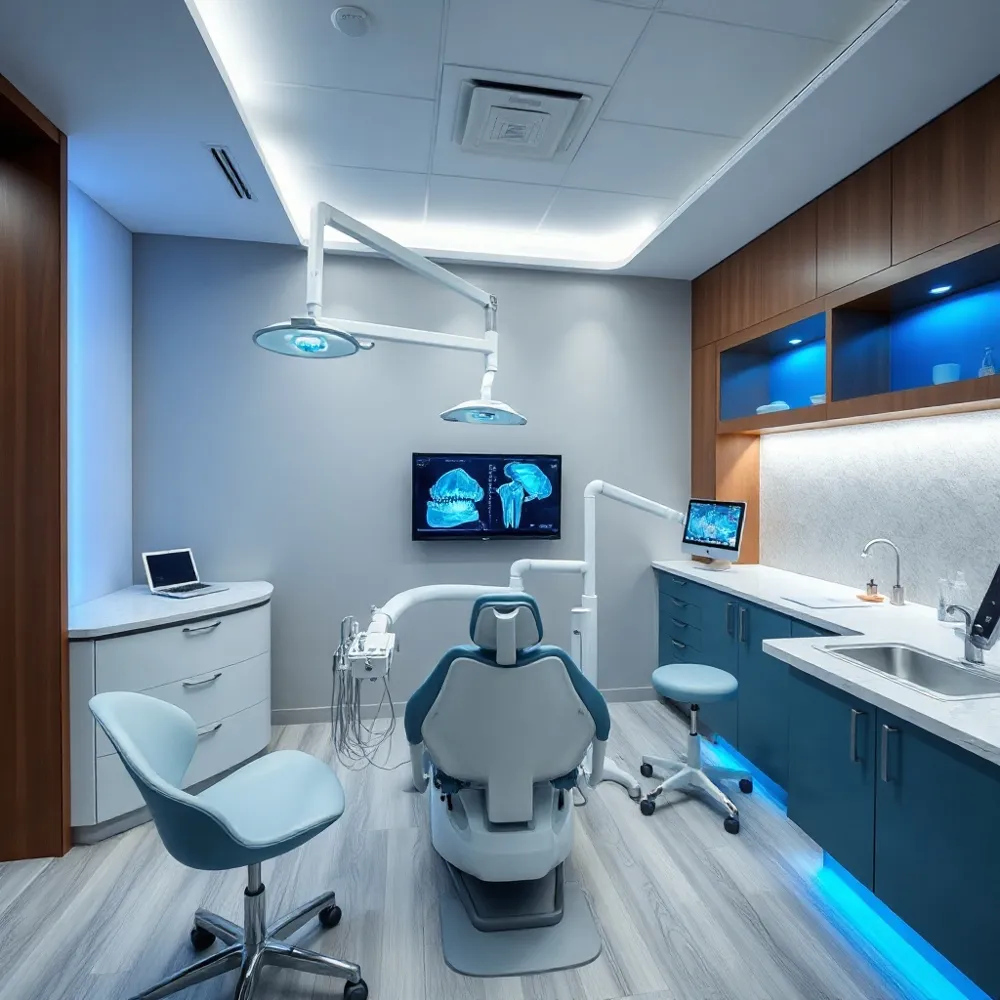 Restorative dentistry has moved from manual, multi-appointment methods toward digital precision. CEREC technology, or Chairside Economical Restorations of Esthetic Ceramic, represents this shift by enabling the design and milling of crowns directly in-office.
What is the difference between same-day (CEREC) crowns and traditional lab-made crowns?
The primary difference between same-day CEREC crowns and traditional lab-made crowns lies in the fabrication process and timeline. These modern systems utilize advanced CAD/CAM technology to design and mill a high-quality ceramic restoration in our office, allowing the entire procedure to be completed in a single visit without the need for temporary crowns.
In contrast, traditional crowns require physical impressions and an off-site laboratory, necessitating two appointments separated by a one-to-two-week waiting period during which a temporary crown is worn. While CEREC offers unmatched convenience and requires minimal tooth preparation, traditional crowns provide a wider variety of material options, such as porcelain-fused-to-metal, which can be advantageous for highly complex clinical cases. At davidmmayerdmd.com, we prioritize both efficiency and structural integrity, ensuring that whether you select a digital workflow or a lab-fabricated option, your restoration meets your long-term health goals.
The patient experience has also been transformed by the transition from traditional putty impressions to digital 3D scans. By using intraoral cameras, we eliminate the need for cumbersome impression trays, leading to a more comfortable process that maps tooth geometry with remarkable accuracy. This integration of technology ensures a precise fit for every patient at davidmmayerdmd.com, minimizing gaps and enhancing the aesthetic outcomes of your smile.
Durability and Clinical Precision in Modern Restorations
Modern dental restorations, including same-day crowns, leverage advanced ceramic materials to balance aesthetics with daily functional demands. These restorations are engineered to mimic the properties of natural enamel, providing robust support for teeth that have suffered decay or structural compromise. At davidmmayerdmd.com, we emphasize that longevity relies heavily on both material quality and the patient's ongoing oral hygiene routine.
Are same-day crowns as durable as traditional crowns?
While modern same-day options are highly durable, traditional lab-fabricated crowns often remain the standard for complex structural requirements. Traditional crowns benefit from the specialized manual expertise of a dental laboratory, which can produce an exceptionally precise internal fit and use materials like porcelain-fused-to-metal for added strength in demanding bite areas. Conversely, in-office CEREC crowns offer unmatched convenience by eliminating the need for temporary restorations and multiple visits. Our team at davidmmayerdmd.com evaluates each case individually, often recommending lab-fabricated solutions when a fracture extends deep below the gumline or when extreme bite forces necessitate specific metallic alloys.
Managing expectations regarding longevity is an essential part of the restorative process. With proper maintenance, such as regular cleanings and avoiding the use of teeth as tools, both ceramic and traditional restorations can provide decades of functional support. Patients should consider their specific lifestyle factors, such as bruxism or aggressive chewing habits, when choosing between these technologies. We encourage a consultation with our team to determine the most reliable, long-term solution tailored to your unique dental wellness.
Weighing the Benefits: Convenience, Comfort, and Clinical Suitability
Selecting the right dental restoration involves balancing clinical requirements with the practical benefits of modern technology. At davidmmayerdmd.com, our team specializes in providing high-quality same-day crowns that utilize advanced CAD/CAM technology to restore function and aesthetics in a single appointment. By removing the need for a two-week waiting period, we eliminate the reliance on temporary crowns, which are frequently prone to shifting, breaking, or causing sensitivity during the transition between visits.
What are the primary pros and cons of choosing same-day crowns?
Same-day crowns offer exceptional convenience by restoring tooth function in a single visit, effectively eliminating the need for temporary crowns and multiple appointments. This efficient digital process allows patients to resume normal eating and speaking habits quickly while avoiding the discomfort associated with traditional impressions. However, same-day crowns may not be suitable for all cases, as complex bite issues or specific structural requirements might still be better addressed by custom, lab-made restorations. Additionally, traditional crowns are often crafted from a wider variety of durable materials and may offer superior precision regarding long-term internal fit. Ultimately, while same-day technology provides an excellent, time-saving solution for many, your dentist can help determine if this option meets your specific dental health needs.
When comparing these options, it is helpful to weigh individual factors like tooth location, bite force, and cosmetic goals. While laboratory-fabricated options provide extensive material choices, such as porcelain-fused-to-metal for molars under heavy pressure, the same-day crowns provided at davidmmayerdmd.com are crafted from durable, tooth-colored ceramics that offer a seamless, natural look. If you are uncertain about the best approach for your oral health, our office provides professional assessments to determine whether your specific case warrants the immediate convenience of in-office digital fabrication or the nuanced customization possible through traditional laboratory processes.
Patient Experience: Procedures, Temporary Crowns, and Long-Term Oral Health
 Receiving a same-day dental crown is a virtually painless process thanks to modern dental technology and local anesthesia. Before the procedure begins, your dentist will completely numb the area, ensuring you feel only gentle pressure rather than pain. While the treatment itself is comfortable, you may experience some mild tenderness in the gum area for a few days afterward. Any minor discomfort can typically be managed easily with over-the-counter pain relievers or simple saltwater rinses.
Is the procedure for receiving a same-day crown painful?
Our team at davidmmayerdmd.com is dedicated to your comfort and utilizes precise digital design to ensure your experience is as efficient and stress-free as possible. Unlike traditional methods that may involve multiple visits and impression materials, our in-office technology allows for a seamless, single-appointment restoration that gets you back to your routine quickly.
How do temporary crowns function, and do they crack easily?
A temporary crown acts as a protective placeholder that shields your prepared tooth and maintains its position while a permanent restoration is being fabricated in a dental lab. Because they are crafted from a composite resin material that is less durable than permanent porcelain, they are more susceptible to cracking or dislodging. To protect the temporary crown, you should avoid chewing hard, crunchy, or sticky foods. If your temporary crown happens to crack, contact our office immediately so we can recement or replace it to ensure your tooth remains protected.
What happens to natural tooth structure under a dental crown?
To prepare a tooth for a dental crown, a dentist must reshape the natural tooth structure by removing a small amount of enamel to ensure the custom cap fits securely. Once placed, the crown acts as a protective shield that reinforces the underlying tooth, restoring its strength, shape, and functionality. It is important to note that although the crown material itself cannot decay, the natural tooth structure at the margin where the crown meets the gum line remains vulnerable to bacteria. Consistent oral hygiene is essential to preserve the health of the underlying tooth and the integrity of the long-term bond.
Choosing the Optimal Crown Solution for Your Dental Wellness
Selecting a restorative option depends on unique clinical needs, such as the location of the tooth and specific bite forces. While same-day crowns offer unmatched efficiency and comfort by eliminating temporary appliances, certain complex fractures may still benefit from traditional laboratory fabrication.
At davidmmayerdmd.com, we prioritize your long-term oral health by utilizing advanced technology alongside professional clinical judgment. Our team is committed to providing accessible, high-quality care tailored to your individual situation.
We invite you to schedule a consultation with our experienced staff to discuss which approach best supports your functional goals and aesthetic preferences. Trust our team to restore your smile with precision and care.