Introduction to Dental Crowns: More Than Just Caps
What Are Dental Crowns and Why Are They Used?
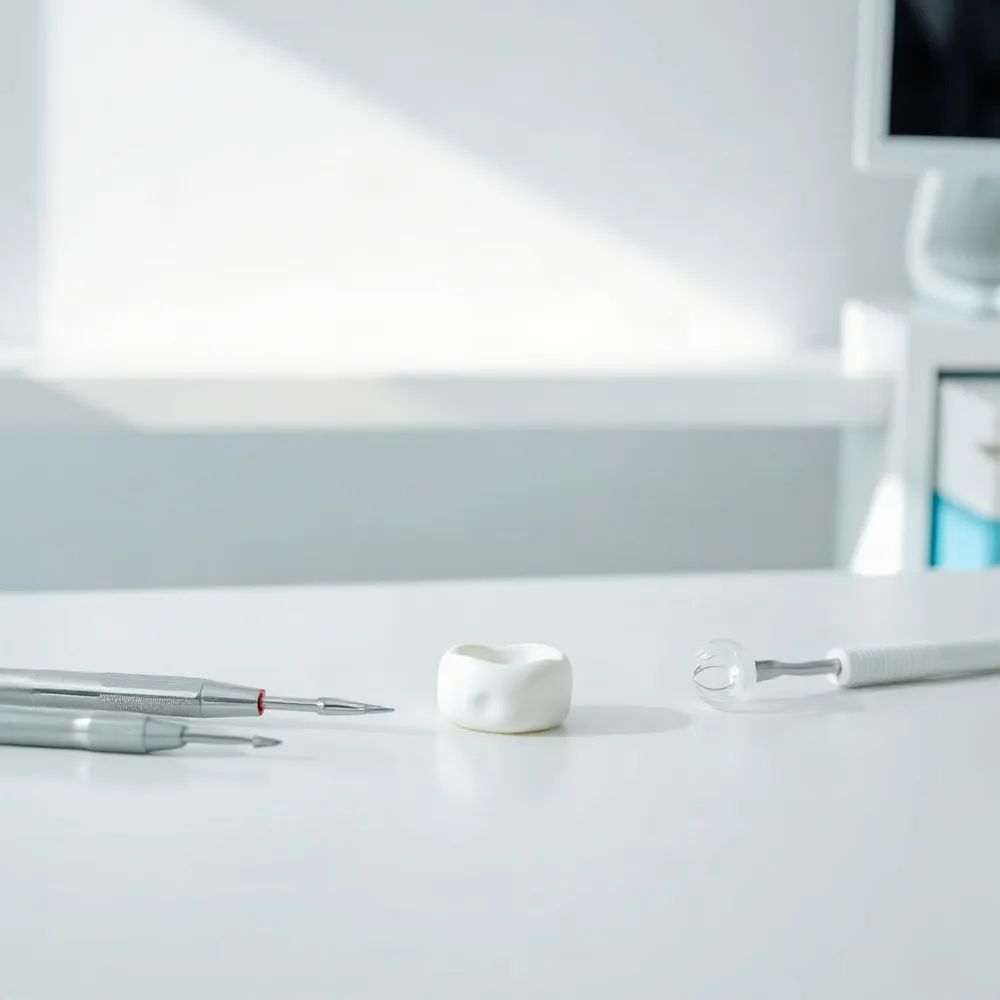
Dental crowns are custom-made caps that fit over damaged or weakened teeth. They restore the tooth’s shape, size, strength, and function, making them an essential part of dental treatment for cracked, decayed, or worn teeth. Beyond protection, crowns improve aesthetics, cover implants or root canal-treated teeth, and support dental bridges.
Common Misconceptions About Dental Crowns
Many people think dental crowns are only for cosmetic purposes or that they always require multiple visits. However, modern crowns often combine both functional and aesthetic benefits. Technologies like same-day CEREC crowns now enable single-visit procedures without compromising quality.
Benefits and Durability
Dental crowns not only protect teeth but also restore their functionality. They seal out bacteria, prevent further decay, and can last on average 10 to 15 years, sometimes up to 30 years with proper care. This longevity depends greatly on maintaining good oral hygiene and attending regular dental checkups.
Key Facts About Dental Crowns
- Dental crowns typically last 5 to 15 years, but can endure 20 to 30 years with proper care.
- CEREC technology enables same-day crowns using digital scanning and on-site milling for quick, precise results.
- Crowns are made from various materials like metal, porcelain-fused-to-metal, ceramic, and resin, each suited to specific needs.
- Good oral hygiene, avoiding hard or sticky foods, and regular dental checkups are vital for extending crown lifespan.
- Crowns restore tooth strength and shape, protect against fractures, and are essential in root canal and implant treatments.
- Modern crown placement uses digital impressions and CAD/CAM technology for greater comfort and precision.
- Same-day crowns reduce treatment visits, preventing the need for temporary crowns and minimizing discomfort.
- The crown procedure is performed under local anesthesia with minimal discomfort, using advanced anesthetic techniques.
- In traditional methods, a temporary crown protects the tooth until the permanent crown is fitted and cemented.
- Proper care includes brushing, flossing, dietary caution, and nightguards for bruxism to maximize crown longevity.
1. Truth #1: Dental Crowns Can Last Much Longer Than You Think

Average Lifespan of Dental Crowns
Dental crowns are designed to restore and protect damaged teeth, and their lifespan varies depending on materials, care, and patient habits. On average, crowns last between 5 to 15 years, but many can function well for 20 to 30 years with proper maintenance.
Factors Influencing Crown Longevity
The durability of dental crowns depends on several factors including the crown material, oral hygiene, and lifestyle habits. Good oral hygiene routines such as brushing twice daily, flossing, and routine dental checkups play a critical role in preventing decay and gum disease around the crown, which helps extend its life. Additionally, avoiding hard or sticky foods and protecting teeth from damage by using nightguards in cases of teeth grinding can prevent cracking or dislodgement (Caring for dental crowns).
How Modern Materials Extend Durability
Technological advances have introduced durable materials like high-quality ceramics, zirconia, and advanced porcelain that closely mimic natural teeth and offer exceptional strength. Same-day crowns crafted with CEREC technology use these materials, providing both durability and aesthetic appeal. These modern materials can endure wear and tear for decades, contributing to the potential for crowns to last 20 to 30 years when paired with proper care.
2. Truth #2: Same-Day Crowns Offer Convenience Without Compromising Quality

What is CEREC technology for same-day crowns?
Same-day crowns are crafted using CEREC crowns technology, which employs advanced digital scanning and on-site milling. This process replaces the traditional impressions with a quick, comfortable digital scan of your tooth and allows dentists to design and fabricate a custom crown during a single appointment, often within one to two hours.
What materials are used in same-day crowns?
These crowns are typically made from high-quality ceramic or porcelain materials that are metal-free and biocompatible. The ceramic materials used mimic the natural color, texture, and translucency of real teeth, providing a very natural-looking restoration.
How do same-day crowns compare in durability and aesthetics with traditional crowns?
Same-day crowns offer durability comparable to traditional crowns, with a lifespan of 20 to 30 years when maintained with good oral hygiene. Their ceramic construction ensures they match the natural luster of teeth, offering an excellent aesthetic outcome that blends seamlessly with the surrounding dentition.
What are the limitations and availability of same-day crowns?
While same-day crowns suit most damaged or decayed teeth, certain complex cases—especially involving multiple teeth or front teeth restorations—might still require traditional crowns fabricated in a lab. Not all dental practices offer same-day crowns due to the high cost and required space for the specialized technology, making this service less universally accessible but highly convenient where available.
3. Truth #3: There Are Multiple Types of Crowns Tailored to Specific Needs

Various Materials Used for Dental Crowns
Dental crowns come in several material types, each offering distinct advantages and potential drawbacks:
- Metal Crowns: Made from gold, platinum, or base-metal alloys like nickel or chromium, these crowns are highly durable and require less tooth enamel removal. They are ideal for molars where chewing forces are strongest but are less aesthetic due to their metallic appearance. See more on Metal Dental Crowns.
- Porcelain-Fused-to-Metal (PFM) Crowns: These combine the strength of a metal base with a porcelain exterior that can be color-matched to surrounding teeth. However, porcelain can chip over time, and a gray line may appear near the gum if the porcelain wears down. Learn about Porcelain-Fused-to-Metal Crowns.
- Ceramic or Porcelain Crowns: Known for their natural look and translucency, all-ceramic crowns are popular for front teeth and for patients with metal allergies. They provide excellent aesthetics but are generally less durable than metal crowns and may chip more easily. Explore All-Ceramic Crowns.
- Resin Crowns: Typically less expensive, resin crowns are less durable and more prone to wear and fractures. They are often used as temporary solutions. Details on All-Resin Crowns.
Considerations Influencing Crown Selection
Choosing the right crown material depends on several factors:
- Durability: Metal crowns excel in longevity and resistance to biting forces, making them suitable for back teeth. Ceramic and porcelain crowns, while more aesthetic, may require more careful use to prevent chipping. Read about Durability of Dental Crowns.
- Aesthetics: For visible teeth, ceramic or porcelain crowns are preferred due to their ability to resemble natural teeth closely. See the section on Dental Crowns and Aesthetics.
- Allergies and Biocompatibility: Patients with metal allergies benefit from ceramic or zirconia crowns that are metal-free and biocompatible. More info on Zirconia Crowns Features.
Dentists tailor crown selection to each patient’s specific dental needs, location of the tooth, and cosmetic preferences to ensure optimal function and appearance. For a comprehensive Dental Crowns Overview, consult a dental professional.
4. Truth #4: Proper Care Is Essential to Maximize Crown Lifespan and Function

Oral Hygiene Practices Specific to Crowned Teeth
Maintaining dental crowns requires a commitment to excellent oral hygiene similar to that of natural teeth. Brushing and flossing with crowns twice daily with a soft-bristled toothbrush and non-abrasive fluoride toothpaste helps prevent plaque buildup around the crown margins. Flossing once a day is crucial to remove food particles and bacteria from the areas adjoining the crown, reducing the risk of decay and gum disease beneath and around the restoration.
Foods and Habits to Avoid
To prolong the life of your dental crown, it is important to avoid hard and sticky foods such as ice, nuts, popcorn kernels, caramel, and chewing gum, which can dislodge or crack crowns. Additionally, cutting raw fruits and vegetables into smaller pieces can reduce stress on crowns. Limiting sugary and acidic foods helps prevent enamel erosion on adjacent natural teeth and the tooth underneath the crown. For more details on avoiding hard foods with crowns, please refer to relevant guidelines.
Importance of Regular Dental Checkups
Routine dental visits every six months allow for early detection of any issues such as crown looseness, cracks, or decay around the crown. Professional cleanings help keep the crown and surrounding gums healthy, preserving both function and appearance. Any discomfort or changes in bite should prompt an immediate consultation with your dentist. Regular dental checkups are essential for preventing plaque buildup around crowns and maintaining oral health.
Using Nightguards to Protect Crowns from Grinding
For patients who grind or clench their teeth during sleep (bruxism), wearing a custom-fitted nightguard is essential. Nightguards protect crowns from excessive wear, chipping, or fracture caused by these habits, preserving the restoration’s integrity and extending its lifespan.
5. Truth #5: Dental Crowns Do More Than Just Improve Appearance

Functional Benefits of Dental Crowns
Dental crowns offer critical functional advantages beyond enhancing the aesthetics of your smile. They act as protective caps that cover weakened, cracked, or damaged teeth, thereby restoring their natural shape, size, and strength. This reinforcement helps teeth withstand daily chewing forces and prevents further deterioration or breakage.
Crowns in Root Canal and Implant Treatments
Crowns play an essential role in dental procedures like root canal therapy and implant restorations. After a root canal, the treated tooth can become fragile and more susceptible to fracture. A custom-fitted crown protects and strengthens it, ensuring durability. Similarly, crowns cap dental implants, restoring missing teeth and providing full function and appearance.
Preventing Jawbone Recession
By supporting compromised teeth, dental crowns help stimulate the jawbone and prevent bone loss that typically follows tooth decay or loss. This preservation of jawbone integrity contributes to overall oral health, maintaining facial structure and preventing complications associated with bone recession.
Through these functional benefits, dental crowns contribute significantly to oral health and quality of life, making them indispensable in comprehensive dental care.
6. Truth #6: The Crown Placement Process Has Advanced For Greater Comfort and Precision
Modern digital impressions and scanning technology
The process of placing dental crowns has been significantly improved by digital advancements. Instead of traditional putty impressions, many dentists now use digital scanning for crowns that capture precise 3D images of the affected tooth. This method is not only more comfortable for patients but also enhances the accuracy of the crown fit, reducing the risk of errors and the need for adjustments.
Reduced number of visits with same-day crowns
Thanks to Computer-Aided Design and Manufacturing (CAD/CAM) technology, some crowns can be designed, milled, and placed all in a single visit. Known as same-day crowns or CEREC crowns, this reduces the treatment time from multiple appointments to just one. Patients benefit from avoiding temporary crowns and fewer injections, making the process more convenient and efficient.
Local anesthesia and minimal discomfort during procedure
dental crown procedure is typically performed under local anesthesia, numbing the tooth and surrounding area to ensure a painless experience. The preparation involves removing a small amount of tooth structure, but the use of modern anesthetic techniques minimizes patient discomfort both during and after the procedure.
Temporary crowns and fitting process
In traditional multiple-visit procedures, after tooth preparation, a temporary dental crown is placed to protect the tooth while the permanent crown is fabricated in a laboratory. At the next appointment, the dentist removes the temporary crown and fits the permanent one, making adjustments as needed for comfort and function before permanently cementing it. This approach ensures a precise fit and patient satisfaction.
Conclusion: Empower Yourself with Knowledge About Dental Crowns
Understanding What Dental Crowns Offer
Dental crowns are a robust, versatile dental solution designed to restore, protect, and enhance damaged or weakened teeth. They provide functional support and aesthetic improvements, lasting between 10 and 30 years when cared for properly.
Making Informed Dental Decisions
Equipped with comprehensive knowledge about types, procedures, benefits, and maintenance, patients are empowered to choose treatments that best fit their oral health needs and lifestyle. Being aware of dental crown advancements such as same-day crowns can add convenience and reduce treatment time.
The Role of Professional Guidance
Regular dental checkups and professional care are essential to monitor crown condition, prevent complications, and maximize longevity. Trusting qualified dental professionals ensures tailored treatment plans and optimal outcomes.
By embracing informed choices and diligent care, patients can confidently regain dental health and smile with assurance.