Understanding the Role of Your Dental Crown
A dental crown serves as a durable protective cap designed to restore the strength, function, and aesthetics of a tooth compromised by decay, trauma, or structural weakness. By shielding the remaining natural tooth structure, a crown helps prevent further fracture or loss, especially following procedures like root canal therapy.
At davidmmayerdmd.com, we prioritize a professional and efficient treatment journey. Our practice integrates state-of-the-art technology to ensure each restoration fits precisely to your unique bite. Unlike traditional methods that may require multiple weeks of waiting for off-site fabrication, our approach focuses on reducing downtime while maintaining the highest standard of care.
Modern dental crown procedures are tailored to be as comfortable as possible, with local anesthesia used to ensure a painless experience during enamel preparation. Whether you require a traditional two-visit timeline or are interested in the convenience of modern CAD/CAM restorations, we focus on high-accuracy impressions and personalized aesthetic matching. This commitment to precision ensures that your final restoration not only looks natural but functions seamlessly with your existing smile.
Defining the Crown and Its Restorative Function
The journey to a restored smile typically begins with a comprehensive diagnostic evaluation. Using digital X-rays, a dentist assesses the health of the tooth roots and surrounding bone to confirm the structural integrity required to support a permanent crown. This initial assessment ensures that the procedure, whether standard or specialized, is the right choice for your specific needs.
The Preparation and Restoration Timeline
During the preparation phase, the area is numbed with local anesthesia to maintain patient comfort. The outer enamel is carefully removed to create a precise foundation for the new restoration. While many practices still follow a multi-visit model involving a laboratory-fabricated crown and a temporary cap, others utilize CAD/CAM technology to manufacture ceramic crowns onsite. At davidmmayerdmd.com, we offer same-day diagnostics and placement to minimize time spent in the chair, eliminating the need for traditional temporary crowns.
If a laboratory-fabricated crown is necessary rather than a same-day option, the process involves two distinct appointments spaced approximately 1 to 2 weeks apart. During this gap, a patient wears a temporary restoration. It is critical to avoid sticky or hard foods during this period to prevent dislodgement or damage to the temporary cap.
- Clinical examination and X-rays to clear the tooth for restoration.
- Reduction of tooth enamel to allow for a secure, comfortable crown fit.
- Digital scanning or manual impression to capture an accurate model of the bite.
- Fabrication of the permanent crown either by an off-site laboratory or an in-house milling system.
- Final bond of the permanent restoration using specialized dental cement after verifying fit and color.
The final appointment centers on technical precision. The dentist assesses the bite alignment and the shade of the crown to ensure it integrates seamlessly with your natural smile. Once adjusted for optimal comfort, the crown is polished and bonded into place. Dental crown procedure standards dictate that this final step is essential for long-term health, protecting the underlying natural tooth structure from decay as effectively as a healthy, unmodified tooth.
Selecting Your Material and Understanding Associated Costs
 Selecting the right material for a dental crown involves balancing aesthetic goals with mechanical needs. At davidmmayerdmd.com, we prioritize biocompatibility alongside structural integrity, ensuring that each restoration supports long-term oral health. We assess the specific force loads on your teeth to recommend materials that offer the best performance.
Porcelain and Ceramic. These materials are favored for their ability to mimic the natural translucency of teeth, making them a standard choice for front-facing smile zones. They are highly biocompatible, though they may require more significant enamel removal compared to metallic options.
Porcelain-Fused-to-Metal (PFM). PFM crowns provide a hybrid advantage, utilizing a metal substructure for stability and a ceramic exterior for color matching. This makes them a durable choice for teeth subjected to moderate chewing pressure.
Gold Alloys. While less common in cosmetic-heavy regions, gold remains the gold standard for back molars. These alloys exhibit excellent wear characteristics that closely resemble natural tooth enamel and require the least amount of structural reshaping.
Understanding dental crown types is essential for effective budgeting. While costs typically range from $800 to $3,000 per unit, the final price is determined by the complexity of the case and the chosen material. Many patients find that insurance plans cover roughly 50% of these major restorative costs, though coverage varies widely.
We believe transparency regarding your treatment is vital. Even if you consider same-day porcelain restorations or traditional lab-crafted caps, our team works closely with you to navigate insurance benefits and long-term value. For those needing durability in back teeth, our diagnostic process ensures you do not overpay for aesthetics where strength is the primary clinical requirement.
Navigating the Clinical Procedure from Exam to Final Fit
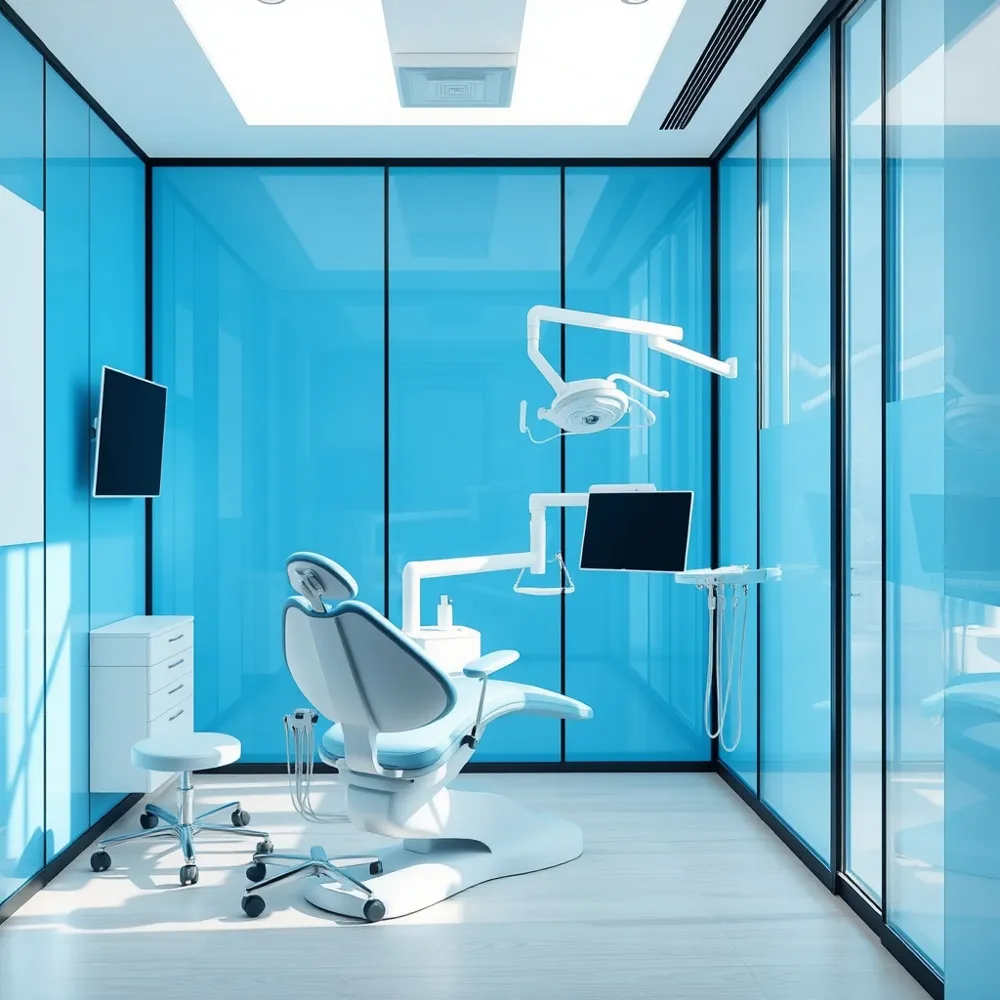 The dental crown procedure begins with a comprehensive examination to ensure the tooth is a suitable candidate for restoration, often involving treatment for any underlying decay. During the preparation phase, the dentist applies a local anesthetic to ensure your comfort while they carefully reshape the tooth by removing a small amount of enamel to accommodate the new crown.
An impression of your tooth is then taken using either physical molds or precise digital imaging to create a custom-fit restoration that perfectly matches your bite and smile. Advanced technology now offers same-day options for many patients, which eliminates the multi-week wait often associated with traditional laboratory fabrication. When a lab-crafted dental crown is required, a temporary crown is placed to protect the tooth during the interval. Finally, at your follow-up appointment, your dentist removes the temporary fixture and securely cements your permanent, polished crown into place for long-lasting support and function.
What happens during the dental crown procedure?
The process is designed to restore both the strength and the appearance of your natural tooth structure. If you are concerned about the comfort of your visit, note that non-invasive digital scanning can enhance your experience, which is a significant step forward from the traditional impression materials used by many other practices. Once the permanent crown is seated, the dentist performs a check of your bite alignment and polishes the surface to ensure it feels natural against your surrounding teeth.
Time Management and Appointment Expectations
The length of your dental crown procedure depends on the chosen restoration method. A traditional protocol generally divides the workload into two visits. During the first, we prepare the tooth and capture clinical impressions, requiring 60 to 90 minutes. You will then return roughly two weeks later for a final 20 to 30 minute appointment where we bond the permanent restoration.
For patients seeking greater efficiency, our Crowns While You Wait technology utilizes advanced CAD/CAM systems to complete the process in a single, streamlined visit. This modern approach often lasts approximately two hours from start to finish, eliminating the need for a temporary crown and a second appointment.
Regardless of the timeline, your comfort remains our priority. While the standard dental crown procedure is precise, cases involving underlying issues, such as the need for root canal treatment, can influence the total duration. Our team at davidmmayerdmd.com provides a clear estimate during your initial consultation so you can plan your schedule with confidence.
Ensuring Comfort and Addressing Common Concerns during Procedures
The dental crown procedure is performed under local anesthetic to ensure the area is fully numbed, making the process largely pain-free for you during the treatment itself. While you should not feel pain during the procedure, it is normal to experience some temporary sensitivity, gum tenderness, or mild discomfort as the anesthesia wears off and the area begins to heal.
These sensations are generally a normal response to the procedure and typically subside within a few days. Many patients find that over-the-counter pain relief, such as ibuprofen or acetaminophen, is helpful for managing this brief adjustment period. At davidmmayerdmd.com, we prioritize your comfort by using non-invasive techniques and state-of-the-art tools.
If your bite feels uneven or if you experience persistent pain following your visit, it is important to contact our office. We can assess and adjust your crown, ensuring your restoration fits perfectly and functions comfortably into the future.
Essential Maintenance and Longevity Post-Care
 For the first 24 to 36 hours after your dental crown is fitted at davidmmayerdmd.com, avoid hard, sticky, or chewy foods and prioritize a soft-food diet to allow the dental cement to set properly. While the area may feel sensitive or inflamed for a few days, you can manage discomfort with over-the-counter anti-inflammatory medication and gentle warm salt water rinses. Maintain your oral hygiene by brushing carefully with a soft-bristled toothbrush, and floss gently around the restoration to avoid putting excessive pressure on the crown. Because local anesthesia may cause temporary numbness, wait for the sensation to wear off before eating to prevent accidental injury. If you experience persistent pain, notice any damage to the crown, or feel the need to avoid your normal diet after the initial recovery period, please contact our office for a follow-up assessment.
What are the potential disadvantages of dental crowns?
While dental crowns are a highly effective, long-term solution for restoring damaged teeth, there are several factors to consider. The process requires permanent removal of natural tooth structure to accommodate the crown, which is an irreversible step. Some patients may experience temporary sensitivity to hot or cold temperatures, or in rarer cases, allergic reactions to the materials used. It is also important to note that dental crowns do not make a tooth immune to decay; if plaque accumulates at the gum line, secondary decay can still occur underneath the restoration. Finally, crowns may eventually require replacement due to normal wear and tear, and ensuring a precise, comfortable fit is essential to prevent bite issues or irritation.
At davidmmayerdmd.com, we emphasize that consistent daily habits are the cornerstone of protecting your restorative work. Even though the crown material itself cannot decay, the natural tooth structure underneath remains susceptible to bacterial infiltration. We recommend that our patients commit to twice-daily brushing with fluoride toothpaste and maintain a consistent flossing routine. For those with bruxism, we often suggest a custom night guard to shield the restoration from the significant forces of clenching or grinding, as these habits can lead to premature wear or even fracturing of the ceramic or porcelain materials.
Protecting Your Smile Assets for the Future
Investing in a dental crown is a proactive step toward preserving your oral health, effectively reinforcing weakened teeth while preventing further structural damage. Beyond the immediate restoration, true longevity relies on consistent, diligent home care and regular professional evaluations.
At davidmmayerdmd.com, we prioritize your long-term success by monitor-ing the integrity of your restorations during routine check-ups. Our team remains dedicated to providing a comfortable, efficient experience that values your time. By pairing daily hygiene with professional cleanings, you ensure that your smile remains healthy, strong, and functional for years to come.