Caring for Your Dental Crown at Home
A dental crown functions as a durable cap designed to restore a compromised tooth to its original size, strength, and appearance. While modern materials offer high resilience, the long-term success of your restoration relies significantly on the partnership between professional clinical care and your daily oral hygiene routine. At davidmmayerdmd.com, we emphasize that although the crown itself is resistant to cavities, the underlying natural tooth structure and surrounding gum tissue remain susceptible to decay at the margins.
Establishing a consistent maintenance plan is the most effective way to protect your investment. This includes brushing twice daily with a soft-bristled toothbrush and non-abrasive toothpaste to prevent surface scratching. Because plaque often accumulates between teeth, daily flossing is essential. When cleaning around your restoration, use a gentle C-shape motion or utilize tools like a water flosser to remove debris without dislodging the crown. If you have questions about specific techniques, you can explore the guidance provided in our quick guide to maintaining a same-day crown for longevity.
Beyond routine cleaning, avoid using your teeth as tools for tasks like opening packages or biting nails, as this creates mechanical stress that can lead to chipping or structural failure. For patients who struggle with bruxism, a custom-fitted nightguard is a standard recommendation to prevent excessive wear. By prioritizing these preventive habits and attending regular check-ups at davidmmayerdmd.com, you ensure that your crown remains a stable, functional part of your smile for years to come.
Understanding Crown Materials, Costs, and Limitations
What are the common types of dental crowns and their associated costs?
Dental crowns function as custom-fitted caps used to restore the strength and appearance of damaged teeth, with common materials including all-ceramic or porcelain, porcelain-fused-to-metal (PFM), and gold alloys. At davidmmayerdmd.com, all-ceramic or porcelain crowns are highly aesthetic and often preferred for front teeth, while gold crowns are frequently chosen for molars due to their superior durability and resistance to wear. PFM options offer a balance between strength and appearance, though the metal base may occasionally show at the gum line.
Because the total investment for a crown varies based on the chosen material, the complexity of the procedure, and individual insurance coverage, exact pricing is determined during a clinical examination. We encourage you to visit our Paterson office to discuss the best restorative option for your needs and receive a clear estimate of your out-of-pocket costs.
What are the primary disadvantages of dental crowns?
The primary clinical consideration for a crown is that the procedure requires the irreversible removal of a portion of natural tooth enamel to ensure the cap fits properly. Because this process permanently alters the tooth structure, the underlying natural tooth will always require a protective covering. It is also important to remember that while the crown material itself cannot decay, the natural tooth structure underneath remains susceptible to decay at the margins if oral hygiene is neglected.
Some patients may experience temporary discomfort or sensitivity shortly after the crown is placed. While modern restorative materials are highly durable, they are not invincible and may eventually require replacement after years of use. Maintaining a consistent oral hygiene routine is essential for maximizing the lifespan of your restoration.
Initial Recovery and Post-Operative Care
 Receiving a dental crown typically involves local anesthesia to numb the specific treatment area, allowing you to remain fully alert and conscious throughout the appointment. Because local anesthesia does not impair your coordination or reaction time, most patients can safely drive home immediately after the procedure. If you feel any lingering numbness or general distraction that could affect your driving comfort, it is best to arrange for a companion to assist you. Our team at davidmmayerdmd.com is happy to discuss any concerns you have about your return journey before your visit begins.
Can I drive myself home after getting a crown?
While you can generally drive after local anesthesia, minor gum tenderness or sensitivity to hot and cold temperatures is a normal part of the initial healing process. You can manage mild post-procedure discomfort with over-the-counter pain relievers, such as ibuprofen or acetaminophen, or by rinsing gently with warm salt water. This sensitivity should typically subside within a few days to a week. For those needing guidance on managing this recovery phase, our 10 Rapid-Recovery Hacks After Getting a Same-Day Crown offers helpful suggestions for a smooth healing period.
How long does it take for a new crown to settle in?
Most patients notice their new crown feels like a natural part of their smile within a few days to two weeks. It is common to be hyper-aware of the new restoration at first, but this sensation should gradually fade as your bite stabilizes. If the crown feels high or uncomfortable when biting, it is important to notify our office immediately for a fit adjustment. Failing to address an uneven bite can lead to further soreness or potential cracking of the restoration. We prioritize ensuring your crowns fit comfortably and function perfectly, so please reach out if any concerns arise during your adjustment phase.
What are the immediate post-operative instructions for a permanent crown?
Once your permanent crown is seated, allow one to two hours for the cement to fully set before eating or drinking. For the first 24 hours, adhere to a soft-food diet and avoid sticky or hard substances like caramel or ice that could dislodge the restoration. At davidmmayerdmd.com, we advise patients to continue their standard oral hygiene routine, though you should exercise extra care by brushing and flossing gently around the new crown area. Should you encounter persistent throbbing, a loose feeling, or significant sensitivity that does not improve after one week, contact our office for a professional assessment.
Dietary Habits and Temporary Crown Precautions
Your dietary choices play a primary role in the success of your restorative treatment at davidmmayerdmd.com. While a permanent crown is designed to function like a natural tooth and withstand normal chewing, a temporary crown requires extra care because it uses a weaker adhesive and material. During the short period you wear a temporary crown, you should avoid hard, crunchy, or sticky foods like popcorn, nuts, caramel, and chewing gum, which can easily dislodge or damage the restoration. Additionally, avoid extreme temperatures to manage tooth sensitivity, and try to chew on the opposite side of your mouth whenever possible.
What dietary precautions should I take with a temporary versus a permanent crown?
Once your custom, permanent crown is placed, you can return to your normal diet, though it remains wise to avoid chewing on ice or using your teeth as tools to prevent damage to any dental restoration. Maintaining adequate hydration is also beneficial, as water helps rinse away food debris and stimulates natural saliva production, which protects your teeth against decay. Our team at davidmmayerdmd.com emphasizes that while your new crown is durable, you should still be mindful of your habits. If you ever experience issues with a loose or damaged crown, please contact our office immediately for assistance.
Effective Cleaning and Oral Hygiene Practices
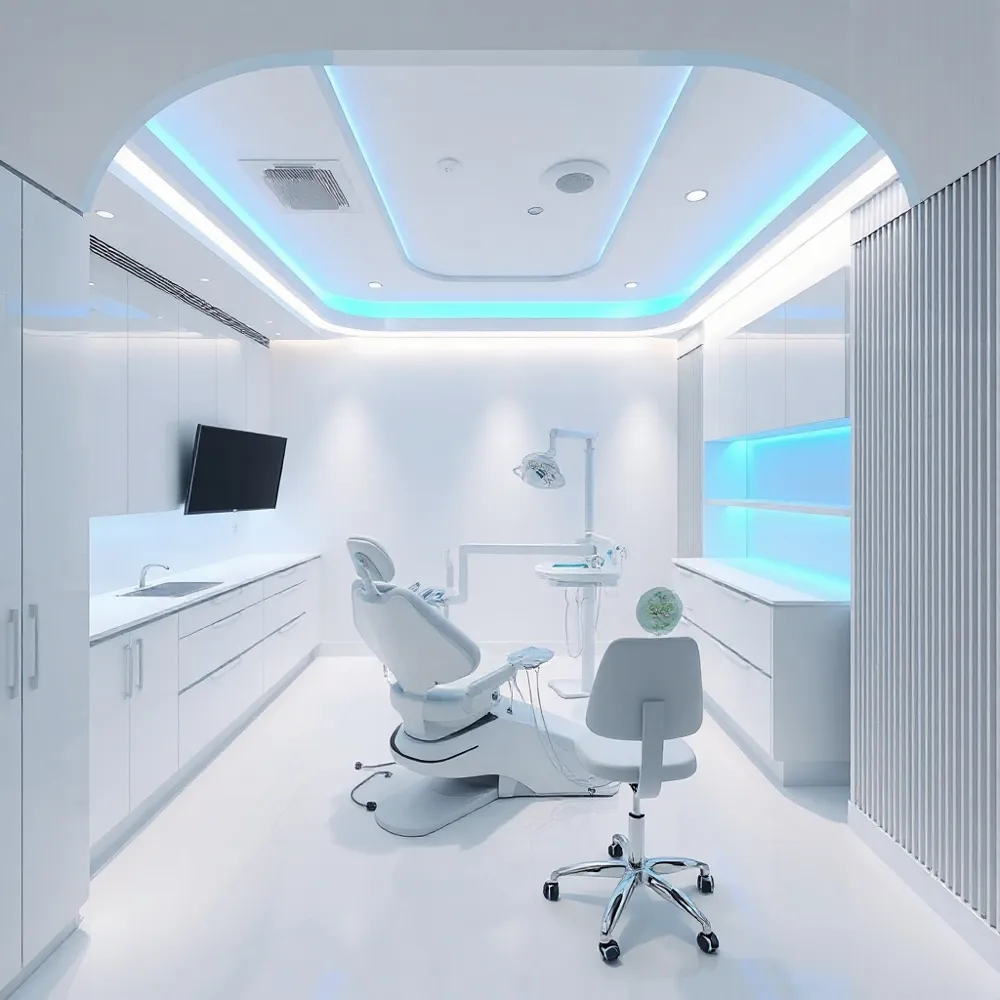 Maintaining a healthy smile after a restorative procedure at davidmmayerdmd.com requires a dedicated oral hygiene routine. While the crown material itself is resistant to cavities, the underlying natural tooth structure and the gumline remain vulnerable to plaque buildup and decay. Consistent care prevents these risks and supports the long-term success of your restoration.
How should I properly floss and clean around a dental crown?
To properly clean around a dental crown, you should floss at least once daily using a gentle C-shape motion to wrap around the tooth. It is vital to use an up-and-down motion rather than a side-to-side sawing motion, which can stress the restoration or damage surrounding gum tissue. When finished, carefully pull the floss out from the side rather than snapping it upward to avoid catching or dislodging the crown. If you find traditional flossing difficult, a water flosser is an excellent alternative for effectively clearing debris without applying tension. Avoid using floss picks, as they are generally less effective than standard floss at removing plaque from the margins of your crown.
Brushing your teeth twice daily for two minutes is equally important. Use a soft-bristled toothbrush held at a 45-degree angle toward the gumline. Gentle, circular motions clean the area thoroughly without being abrasive. Be sure to use non-abrasive fluoride toothpaste, as whitening formulas often contain grit that can dull or scratch the surface of your crown over time.
Can a water flosser or regular flossing dislodge a crown?
A properly cemented permanent crown should not be dislodged by regular flossing or a water flosser, as the adhesive used is significantly stronger than the force applied during standard oral hygiene. If a crown does come loose during these activities, it often indicates an underlying issue, such as dissolved cement, tooth decay, or a structural complication that requires professional evaluation. While temporary crowns may be more easily loosened and require extra care, permanent restorations should be cleaned just like your natural teeth using an up-and-down motion. Water flossers are actually a highly effective way to clean around crowns, as they safely remove debris from hard-to-reach areas without compromising the restoration. If you notice any movement or sensitivity around a crown, please contact our office for a prompt assessment.
Long-Term Care, Prevention, and Troubleshooting
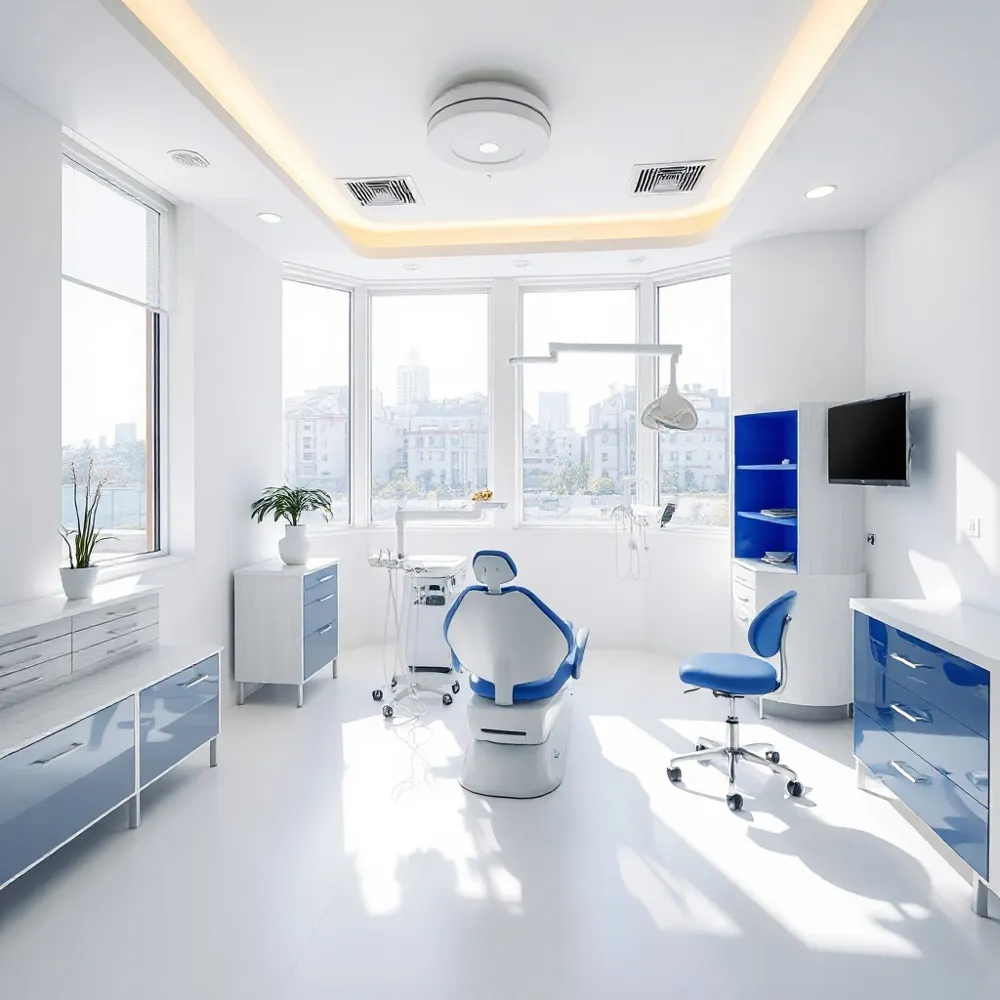 Longevity depends largely on your daily habits and routine care. On average, dental crowns typically last between 10 and 15 years, though they can last even longer with proper care and high-quality materials. At davidmmayerdmd.com, we emphasize that consistent oral hygiene is the foundation of a lasting restoration. Brush twice daily and floss around the crown to prevent decay at the edges, where bacteria can accumulate. Avoid chewing on hard objects like ice or hard candies, as these can crack or damage the restoration. If you suffer from bruxism or teeth grinding, wearing a custom night guard is highly recommended to protect your crown from excessive force. Finally, maintaining regular professional dental check-ups allows us to monitor your crown's fit and health, ensuring it remains functional for years to come.
What should I do if a dental crown falls out?
If your dental crown falls out, stay calm and contact our office as soon as possible to schedule an appointment. Gently rinse the crown and inspect it for any damage, keeping it safe to bring with you to your visit. If the crown is intact, you can temporarily reseat it using over-the-counter dental cement, denture adhesive, or a small amount of toothpaste, but never use super glue. Until you see us, protect the exposed tooth by avoiding sticky, crunchy, or hard foods and chewing on the opposite side of your mouth. If you believe you may have swallowed the crown, please contact a medical professional immediately to ensure it was not inhaled.
What are the main causes of dental crown failure?
Dental crown failure is often caused by poor oral hygiene, which can lead to decay developing at the crown's margins and threatening the natural tooth structure underneath. Improper fit or placement is another significant factor, as gaps or misalignment can create spaces for bacteria to accumulate and cause long-term discomfort. Additionally, bruxism, the chronic grinding or clenching of teeth, subjects crowns to excessive pressure that may result in cracks or loosening over time. Physical trauma from accidents, as well as biting into excessively hard foods or using teeth as tools, can also cause a crown to fracture or become dislodged. Finally, because most crowns have an expected lifespan of about 15 years, natural wear and deterioration over time can eventually lead to failure if they are not replaced as needed.
Commitment to Your Lasting Smile
Your journey toward a durable, healthy smile does not end once your crown is placed. While restorative treatments at davidmmayerdmd.com provide exceptional structural integrity, the longevity of your restoration depends heavily on diligent at-home care and consistent professional oversight.
Regular dental check-ups are essential for verifying the stability of your crown. During these routine visits, our team monitors the integrity of the dental cement, checks for early signs of decay along the gumline, and ensures your bite remains properly aligned. Professional cleaning also reaches areas that standard brushing might miss.
We invite you to schedule your next preventive exam at davidmmayerdmd.com to maintain the health of your smile. By pairing your daily hygiene habits with our routine professional monitoring, you protect your investment and preserve the strength of your restored teeth for years to come.