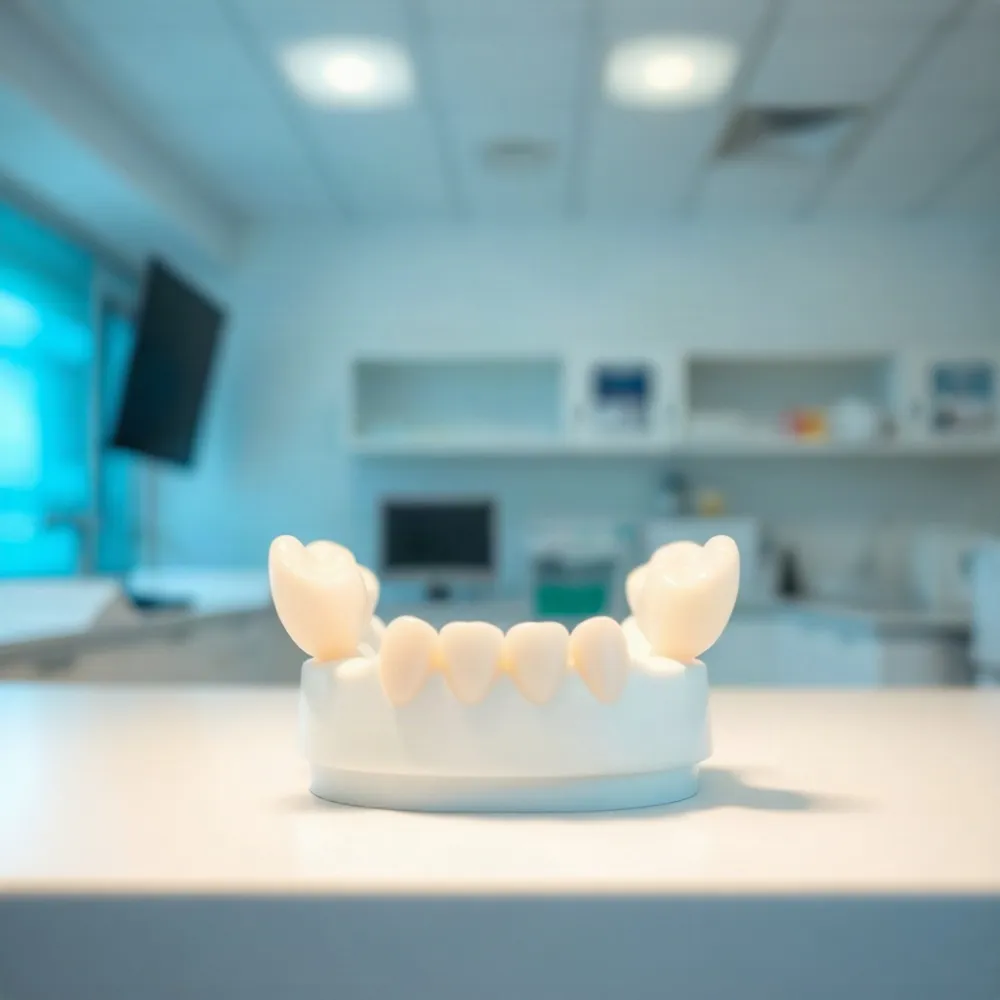
Restoring Your Smile in a Single Visit
For decades, getting a dental crown meant scheduling at least two appointments, wearing a temporary restoration for weeks, and waiting on an off-site laboratory to fabricate the final piece. That multi-step process has been transformed by CEREC (Chairside Economical Restoration of Esthetic Ceramics) technology, which uses computer-aided design and manufacturing to produce a permanent ceramic crown in the dentist's office while the patient waits.
Same-day crowns eliminate the need for putty impressions, temporary crowns, and a second visit. The procedure typically takes about two hours from start to finish, and the crown is designed from a digital 3D scan of the prepared tooth, milled from a solid block of high-quality ceramic, then bonded in place during the same appointment. This approach offers patients a convenient, efficient path to a restored smile.
The following sections explore how same-day crowns are created, compare them to traditional lab-fabricated crowns, and help you understand whether this innovative technology is the right choice for your dental needs.
What Dental Crowns Are and When You Might Need One
 A dental crown is a tooth-shaped cap that fits over the entire visible portion of a tooth above the gum line. Its purpose is to restore the tooth’s strength, size, shape, and appearance after damage or decay has compromised the natural structure.
Common Reasons a Crown Is Recommended
Your dentist may suggest a crown in several situations. After a root canal, the tooth becomes more brittle and prone to cracking, so a crown provides essential protection. Crowns also serve as anchors for dental bridges, cover dental implants, and act as a splint to hold together a cracked tooth. They can restore a severely worn-down or broken tooth and improve the appearance of a discolored or misshapen tooth.
When a large cavity or fracture leaves too little healthy enamel for a filling to hold, a crown becomes the preferred restoration. Fillings rely on the remaining tooth structure for retention; if that structure is weak, the filling can fail. A crown encases the entire tooth, distributing bite forces evenly and preventing further breakdown.
Materials and Longevity
Crowns are fabricated from a variety of materials, including porcelain, ceramic, metal alloys, and composite resin. Porcelain and ceramic options can be color-matched to your surrounding teeth for a natural look. Metal crowns offer superior durability for back teeth where chewing forces are greatest.
With consistent oral hygiene and regular dental checkups, a well-made crown typically lasts between 5 and 15 years. The exact lifespan depends on the material chosen, the location of the tooth, and habits such as grinding or clenching. Your dentist will recommend the best material based on your specific needs.
How Dental Crowns Are Created: Traditional vs Same-Day
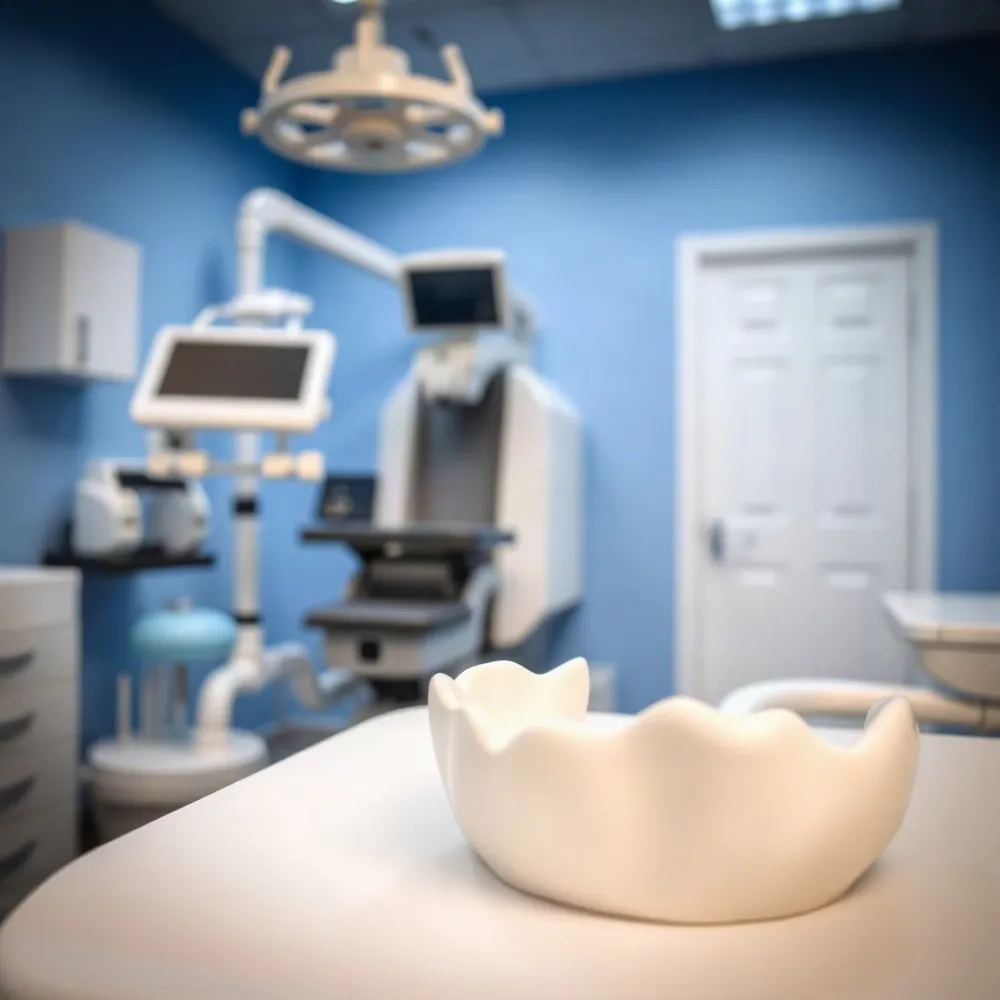 The traditional crown process begins with tooth preparation: the dentist removes decay and a thin layer of enamel to create space for the restoration. An impression is taken using either putty-like material or a digital scanner, and a temporary acrylic crown is placed to protect the tooth.
The impression is sent to an off-site dental laboratory, where a technician crafts the permanent crown from porcelain, metal, or ceramic. This lab phase typically takes one to two weeks. The patient then returns for a second visit, during which the temporary crown is removed and the permanent crown is cemented.
Same-day crowns use a different workflow. At davidmmayerdmd.com, the dentist prepares the tooth and takes a digital scan with an intraoral camera — no messy putty. The scan is sent to CAD/CAM software, which designs a custom crown on-screen.
The design is transmitted to an in-office milling machine that carves the crown from a solid block of ceramic, typically lithium disilicate (EMAX) or zirconia. Both materials are tooth-colored, durable, and biocompatible. Milling takes about 15 to 30 minutes. The dentist then adjusts the fit, stains the crown if needed, and bonds it permanently in the same appointment. No temporary crown and no second visit are required.
Key Differences Between CEREC and Lab Crowns
 The most visible difference between CEREC and lab crowns is the timeline. A CEREC crown is designed, milled, and placed in a single appointment — no temporary crown and no second visit. Traditional crowns follow a two-appointment workflow: tooth preparation and impression taking at the first visit, a temporary crown worn for 1–2 weeks, and a second visit to cement the permanent restoration.
Both methods produce durable, natural-looking restorations. Research published in the Journal of Dentistry found that CEREC and lab-fabricated crowns have comparable clinical longevity over five-year follow-up periods. The strength and esthetics of the final crown depend more on material selection and case complexity than on the fabrication method alone.
Precision and Fit
CEREC crowns are designed from digital 3D scans captured by an intraoral camera. This eliminates the need for messy putty impressions and allows the dentist to capture sub-millimeter details of the prepared tooth, surrounding teeth, and bite alignment. Because the design data is sent directly to the in-office milling machine, the crown fits precisely and adjustments can be made immediately — problems that would require a whole new lab cycle with traditional methods are resolved chairside in minutes.
Clinical Considerations
The choice between CEREC and a lab crown depends on your specific needs. Same-day crowns are excellent for single-tooth restorations on molars and premolars. Complex cosmetic cases involving front teeth, full-arch restorations, or situations requiring specialized all-metal or porcelain-fused-to-metal crowns may still benefit from a traditional lab workflow. Dentist recommendation matters: not every tooth is a candidate, and your dentist will evaluate factors such as remaining tooth structure, bite forces, and esthetic demands.
| Feature | CEREC Crown | Traditional Lab Crown |
|---|---|---|
| Number of appointments | 1 (single visit) | 2 (1 to 2 weeks apart) |
| Temporary crown needed | No | Yes (1–2 weeks) |
| Impression method | Digital intraoral scan | Putty impression or digital scan |
| Fabrication location | In-office milling machine | Off-site dental lab |
| Typical completion time | About 2 hours | 7–14 business days |
| Adjustments | Immediate chairside | Requires another lab cycle |
| Materials | High-grade ceramic block | Metal, PFM, all-ceramic, zirconia |
Cost for both options is generally comparable, with CEREC crowns typically ranging from $800 to $2,500 per tooth. Most dental insurance plans cover CEREC crowns similarly to traditional crowns. At davidmmayerdmd.com, our team uses advanced CEREC technology to provide same-day convenience while keeping pricing transparent and competitive. We are happy to review your insurance benefits and discuss flexible payment options to make treatment affordable.
Advantages and Disadvantages of Same-Day Crowns
Same-day crowns offer a level of convenience that traditional methods cannot match. The entire procedure—from tooth preparation to final bonding—is completed in a single office visit, often in under two hours. This eliminates the need for a temporary crown and a second appointment, a benefit that appeals to patients with busy schedules.
The digital workflow used for same-day crowns also brings several clinical advantages. An intraoral scanner replaces the messy putty impressions of the traditional process, creating a precise 3D model that guides the design and milling of the restoration. Because less tooth structure is typically removed compared to the traditional method, more of the natural tooth is preserved. The restoration is milled from a solid block of high-quality ceramic in the dentist's office, and the dentist can check the fit and make any immediate adjustments before bonding the crown in place.
Clinical Longevity and Fit Considerations
Clinical data supports the reliability of same-day crowns. Studies report a success rate of 95.5% over nine years and over 85% at the ten-year mark. A 2019 systematic review in the Journal of Dentistry found comparable five-year survival rates between CEREC crowns and traditionally lab-fabricated crowns, indicating that durability depends more on material selection and patient factors like bite force than on the fabrication method itself.
That said, some research suggests that same-day crowns may not achieve the same marginal fit as laboratory-fabricated crowns, which could affect long-term gum health. Because they are milled from a single ceramic block, the layered shading possible with a lab technician's hand-layering technique is not available. This can make shade matching more challenging for highly visible front teeth, where subtle color gradients matter most.
Ideal cases. Same-day crowns work well for most back teeth (molars and premolars) and for patients who do not grind or clench their teeth heavily. The single-visit workflow is especially helpful in emergency situations, such as a cracked tooth or after a root canal.
Less ideal cases. Patients with severe bruxism may benefit from the greater strength of a layered porcelain-fused-to-metal crown made in a lab. Complex bite issues or cases requiring a highly customized cosmetic result on front teeth may also be better served by a traditional lab workflow.
At davidmmayerdmd.com, state-of-the-art CEREC technology is used to design and mill same-day crowns in the office. The team evaluates each patient's specific needs—considering the tooth's location, bite forces, and aesthetic requirements—to recommend the restoration that will provide the best combination of function, appearance, and longevity.
Fabrication Timeline and Temporary Crowns
The time required to fabricate a permanent crown depends entirely on the method used. With traditional lab-made crowns, the process takes one to two weeks because impressions must be shipped to an external dental lab where a technician hand-crafts the restoration. During this wait, you wear a temporary crown made from acrylic resin, which protects the prepared tooth but is not designed for aesthetics or long-term wear. These temporaries can break, fall off, or allow teeth to shift, sometimes requiring an unscheduled repair visit.
Same-day crowns using the CEREC system eliminate both the multi-week wait and the need for a temporary restoration. Your dentist takes a digital scan of the prepared tooth, designs the crown with computer software, and mills it from a ceramic block in an in-office machine — the entire process completing in about one to two hours. You leave the same visit with a fully bonded permanent crown, saving time and avoiding the inconvenience of a second appointment.
Yes, temporary teeth are also available while waiting for dental implants or other restorations. A temporary crown on a healing abutment or a partial denture can fill the gap during the months it takes for an implant to fuse with the jawbone. These solutions help prevent neighboring teeth from shifting and maintain normal chewing function.
Getting a temporary crown is typically not painful because your dentist uses local anesthesia during tooth preparation. After the numbness fades, some mild sensitivity is normal and resolves quickly. Severe or sharp pain, however, may indicate an ill-fitting temporary, a cracked tooth, or nerve irritation. If the temporary feels "high" or causes pressure when biting, contact your dentist for an evaluation; a properly fitted permanent crown should feel smooth and natural.
Common Concerns: Sensitivity, Fit, and Decay Under Crowns
Some patients report temporary sensitivity to hot or cold temperatures after a same-day crown is placed. This response is normal and usually subsides within a few days as the tooth adjusts. If the crown feels high or uneven when biting, your dentist can perform a quick bite adjustment in the same visit.
Color match is another area where same-day crowns occasionally fall short. Because they are milled from a single block of ceramic, they cannot replicate the layered shading that a skilled lab technician can achieve. On front teeth, a slight mismatch may be visible, though most patients find the result natural and acceptable. Rare chipping or fracture can occur under extreme biting forces, but proper care and a well-fitted crown keep this risk low.
A tooth can still decay under a crown. The crown itself is impervious to rot, but the natural tooth beneath remains vulnerable if micro-gaps develop, the seal breaks, or gum recession exposes the tooth edge. Early warning signs include sensitivity, pain when biting, discoloration near the crown, or a persistent bad taste. Regular exams and X-rays catch hidden decay early, allowing for treatments that range from a simple repair to a root canal or crown replacement.
It may be too late to place a crown if the tooth is severely broken, decay extends below the gum line, the tooth lacks enough healthy structure, or a crack reaches the gum level. A dead pulp also rules out a crown. In these cases, extraction is often the only option. Your dentist will evaluate the damage and determine whether a crown is still feasible or if replacement with an implant or bridge is needed.
Which Teeth Are Hardest to Prepare for a Crown
Molars, especially lower molars, are generally the hardest to crown prep. Their larger size and position at the back of the mouth make access and visibility challenging for the dentist. Additionally, these teeth endure significant chewing forces, requiring the crown to be shaped with precision to withstand that pressure without breaking.
Any tooth that has severe decay, a crack, or has undergone a root canal can also present difficulties, as the remaining structure may be fragile. A tooth with compromised integrity often requires more careful preparation to ensure the crown fits securely and functions properly.
Digital scanning and in-office milling used by practices such as David M Mayer DMD help manage these challenges by capturing precise 3D measurements and fabricating the crown within the same visit. This technology improves fit and reduces the risk of post‑placement adjustments, even for the most anatomically demanding teeth.
Experience the Convenience of Same-Day Crowns
Same-day crown technology transforms the restorative dental experience. With systems like CEREC, a damaged tooth can be examined, prepared, and fitted with a permanent, natural-looking ceramic crown in a single appointment. This eliminates the discomfort of temporary crowns and the inconvenience of a second visit, while delivering a durable restoration that blends seamlessly with surrounding teeth.
Not every case is ideal for the same-day approach, which is why a professional evaluation matters. At David M. Mayer DMD in Paterson, the team uses advanced digital tools to assess each patient's needs, determining whether a same-day crown or a traditional lab-fabricated restoration is the best fit. Their over 40 years of experience and commitment to state-of-the-art technology ensure that every treatment plan prioritizes patient well-being and long-term results.
If you are ready to restore a cracked, decayed, or worn tooth without the wait, schedule a consultation with David M. Mayer DMD. The practice's multilingual staff and compassionate approach make it easy to explore your options and take the first step toward a full, confident smile in a single visit. Call today to book an appointment.