Introducing Tech‑Driven Invisible Braces for Professionals
Overview of SureSmile Technology
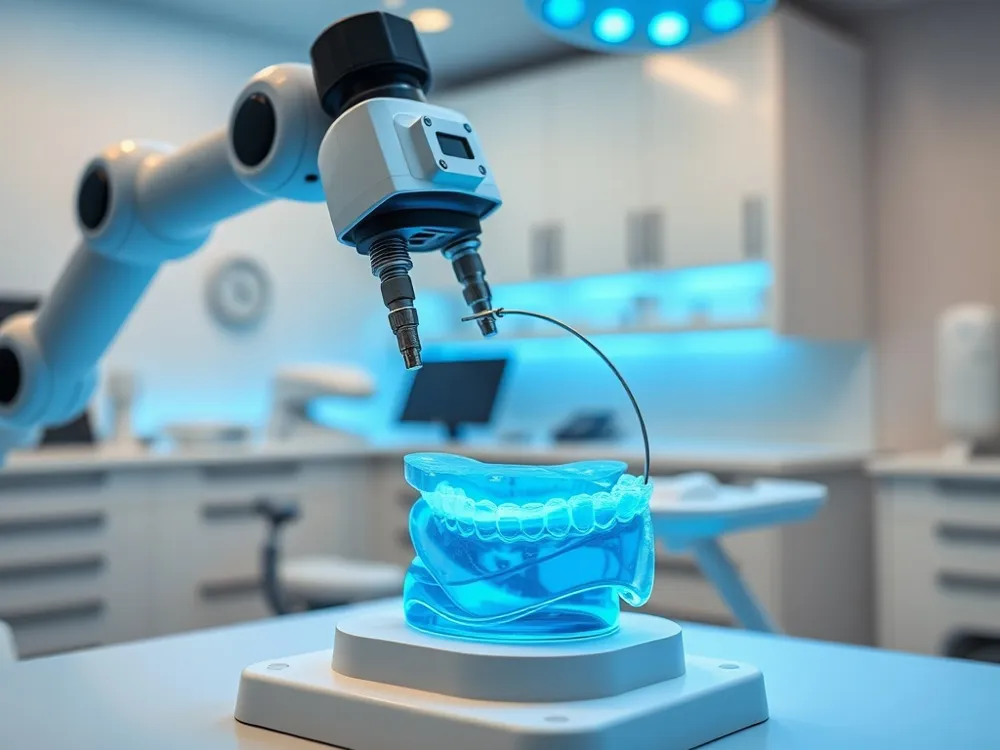
SureSmile® invisible braces combine 3D digital imaging with robotic wire‑bending to create custom aligners or brackets. The system maps tooth movement precisely, often reducing treatment time by 20–30% compared with traditional braces. Each set of clear, BPA‑free aligners is worn for one to two weeks, applying gentle, controlled forces.
Designed for Busy Professionals
Removable aligners allow professionals to eat, brush, and floss without restrictions. The virtually invisible design keeps treatment discreet during meetings and presentations. Fewer office visits—typically every 6–8 weeks—fit easily into a packed schedule, while the smooth plastic eliminates mouth irritation.
Expert Care at David M.ayer, DMD
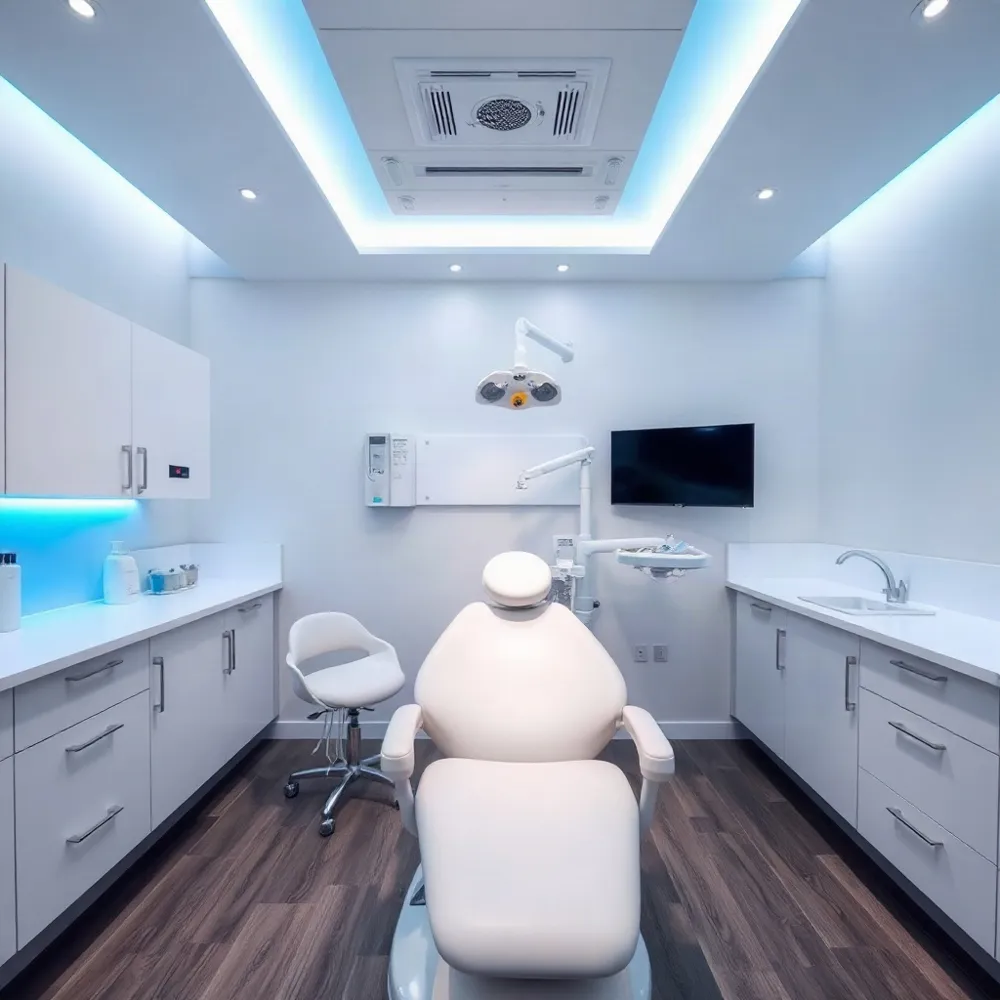
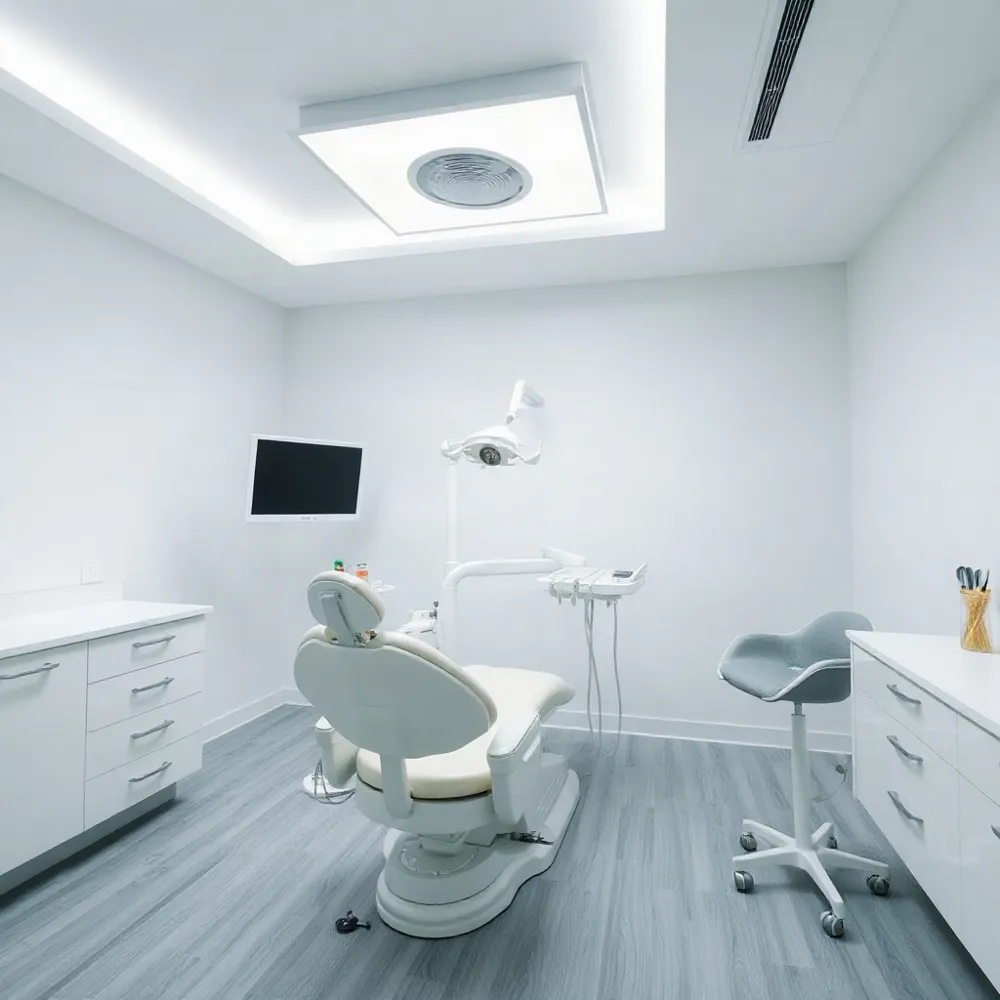
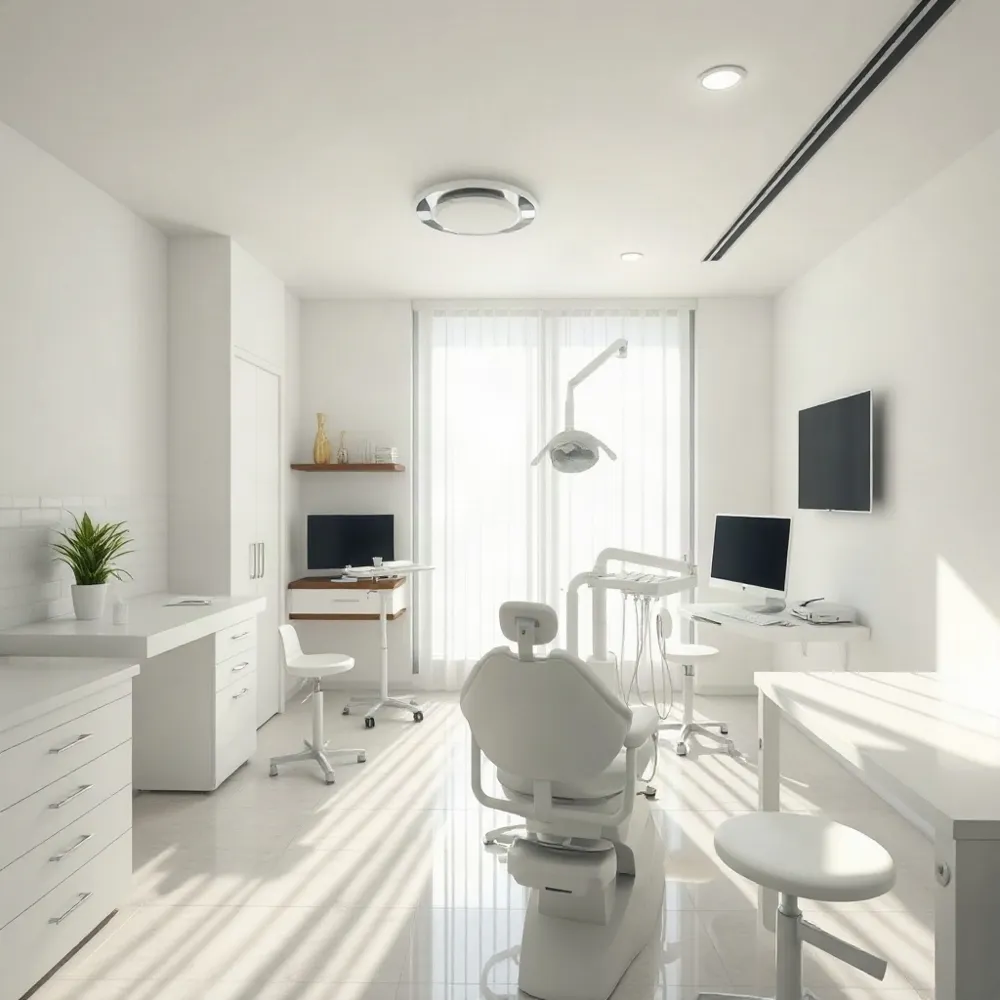
Located in Paterson, NJ, this practice combines over 40 years of experience with state‑of‑the‑art digital scanners and 3D printing. The multilingual team (English, Spanish, Arabic) ensures clear communication, and flexible financing makes treatment accessible. Patients receive personalized support from consultation to final retainer.
The Digital Backbone: How SureSmile Works
What makes SureSmile different from Invisalign?
SureSmile is a clear-aligner system developed by Dentsply Sirona, the world’s largest diversified manufacturer of professional dental products. Unlike Invisalign, which uses only aligners, SureSmile can also employ robotically bent archwires for more complex cases. Invisalign uses proprietary SmartTrack® material, while SureSmile uses Essix ACE plastic. SureSmile can often be more affordable, and studies of over 100,000 cases show high predictability.
“Which is faster, SureSmile or Invisalign?”
SureSmile treatments often show visible improvements in as little as three to six months for mild-to-moderate cases, thanks to robotic wire-bending that can address certain movements more efficiently. Invisalign typically requires at least six months for noticeable changes. However, the actual speed depends on case complexity and patient compliance.
“Do you get a retainer after SureSmile?”
Yes. After SureSmile treatment, patients receive a custom retainer—either permanent or removable—to maintain the new tooth positions. The retainer helps stabilize the ligaments, bone, and muscles, preventing relapse. Your dentist will provide wear instructions, typically starting with full-time wear and gradually reducing to nighttime only.
“SureSmile invisible braces price”
SureSmile invisible braces typically cost between $3,500 and $6,000 for most adult cases, depending on treatment complexity and duration. While this is often more expensive than traditional braces, treatment time is usually shorter (6-18 months), and fewer office visits are needed. Insurance may cover up to $1,500 or more, and many practices offer interest-free financing or monthly payment plans.
| Feature | SureSmile | Invisalign |
|---|---|---|
| Technology | 3D imaging + robotic wire-bending | SmartTrack® aligners only |
| Typical Cost | $3,500–$6,000 | $4,000–$7,400 |
| Treatment Time | 6–18 months (often faster) | 12–18 months (mild cases from 6 months) |
| Retainer Included | Yes, custom retainer provided | Yes, Vivera™ retainers available |
| Best For | Mild to moderate cases, complex cases with precision wires | Mild to moderate cases, large global network |
Patient Experience: Comfort, Aesthetics, and Lifestyle
Discreet Appearance and Comfort
Clear aligners are virtually invisible, made from smooth, medical‑grade plastic that fits snugly against the teeth. This discreet design allows busy professionals to straighten their smile without drawing attention, even during meetings or presentations. The custom fit minimizes irritation to gums and cheeks, offering a comfortable alternative to metal braces.
Removability and Oral Hygiene
Aligners are removable, so patients can eat all their favorite foods without restrictions. Brushing and flossing remain straightforward, reducing the risk of plaque buildup and gum disease. This flexibility supports a healthier mouth throughout treatment.
Speech and Intimacy Considerations
A slight lisp is common when first wearing aligners but typically resolves within a few days. When kissing, aligners stay securely in place and are rarely noticed by partners. Many patients find they can remove them for special moments, as long as overall wear time remains 20‑22 hours daily.
Benefits for Adults and Professionals
The treatment requires fewer office visits—often only every 6‑8 weeks—which fits a hectic schedule. The aligners are travel‑friendly and do not interfere with daily routines, giving adults the confidence to smile while undergoing orthodontic care.
Potential Disadvantages
Clear aligners depend heavily on compliance; inconsistent wear can prolong treatment. They may be less effective for severe malocclusions or major tooth rotations. Additionally, the cost is often higher than traditional braces, though financing plans and insurance can help. Temporary speech changes and mild discomfort when switching trays are possible, but these issues usually pass quickly.
Treatment Timelines, Compliance, and Retention
How long does treatment take with clear aligners vs. braces?
For mild-to-moderate issues, SureSmile® clear aligners typically achieve results in 12‑18 months, while traditional braces often take 18‑24 months for similar cases. Braces work continuously without patient effort, making them faster for severe crowding or major bite corrections. SureSmile’s robotic wire-bending and SmartForce™ technology can show visible changes in as little as three to six months for many patients.
Why is wearing aligners 20‑22 hours daily so important?
Compliance is crucial. Aligners must be worn 20‑22 hours per day to apply consistent, gentle pressure needed for predictable tooth movement. Removing them for eating, drinking, and cleaning is necessary, but inconsistent wear can stall progress, extend treatment length, or compromise the final result. Following the prescribed wear schedule is essential for success.
What happens after the active treatment phase?
Once active treatment is complete, a custom retainer is provided to maintain the new smile. Teeth and supporting structures need time to stabilize after movement. Your dentist will give a wear schedule, typically full-time initially, then transitioning to nighttime-only use. Retainers are essential to prevent orthodontic relapse.
How many office visits are needed?
SureSmile treatment requires fewer in-office appointments than traditional braces. Most patients need check-ins every 6‑8 weeks to monitor progress and receive the next batch of aligners. This reduced visit frequency fits well into busy professional schedules.
What about refinements and adjustments?
If teeth don’t track as planned, refinements—additional aligners—may be needed. Smile data shows 75% of completed cases require one or no refinements, indicating high predictability. Your dentist monitors progress at each check-up and can adjust the treatment plan if necessary.|Treatment Aspect|SureSmile® Clear Aligners|Traditional Braces| |---|---|---| |Typical duration (mild‑moderate)|12‑18 months|18‑24 months| |Patient wear requirement|20‑22 hours/day|Always on (no compliance choice)| |Office visit frequency|Every 6‑8 weeks|Every 4‑6 weeks for adjustments| |Retainer after treatment|Yes, custom retainer provided|Yes, custom retainer provided| |Need for refinements|75% cases need 0‑1 refinements|Adjustments made in‑office| |Suitability for complex cases|Limited for severe issues|Preferred for complex cases|
Professional Pathways: Dental Technology and Careers
Is dental technology the same as dentistry?
No. Dentistry involves clinical diagnosis, treatment, and prevention performed by licensed dentists. Dental technology focuses on designing, fabricating, and repairing dental appliances in a laboratory setting. Technicians do not perform clinical procedures or interact directly with patients.
How long does it take to become a dental technician?
Full-time associate degree programs typically require two years of study. Foundation diplomas can be completed in about two years, while part-time options take longer. After graduation, certification from the National Board for Certification in Dental Laboratory Technology is required to work as a certified dental technician.
What career opportunities exist for dental technicians?
A dental technology degree prepares you to work in hospitals, commercial labs, or private practices. You can specialize in prosthodontics (crowns, bridges), orthodontics (clear aligners, retainers), or conservation (implants). Career paths include laboratory management, education, research, or clinical technician roles that fit appliances directly.
Financial Considerations, Insurance, and Value
Is SureSmile cheaper than braces?
SureSmile generally involves a higher upfront cost than traditional metal braces, with typical fees ranging from $3,500 to $6,000. However, the total expense can be balanced by several factors. The shorter treatment duration—often 6 to 18 months—and fewer in-office visits compared to traditional braces can lower overall costs. Many dental insurance plans cover a portion of SureSmile treatment, and flexible financing options make the investment more manageable.
What is the typical cost of SureSmile?
The price for SureSmile invisible braces is comparable to other premium clear-aligner systems, typically falling between $3,500 and $6,000. This fee includes digital scanning, custom aligner fabrication, and post-treatment retainers. The final cost depends on case complexity and treatment length. Many practices offer monthly payment plans with little or no interest, and HSA/FSA funds can often be used.
Does insurance cover clear aligners?
Many dental insurance plans cover a portion of orthodontic treatment, including SureSmile and Invisalign. Coverage amounts vary, but plans often reimburse up to $1,500 or more. Your dental provider can verify your specific benefits and help you maximize coverage. For patients without insurance, many practices offer in-office coverage plans with a flat annual fee and discounts on advanced treatments.
What financing options are available?
Flexible payment solutions make clear-aligner treatment accessible for busy professionals. Options include interest-free payment plans for 12 months or more, financing through CareCredit, and the use of HSA or FSA pre-tax dollars. These options allow patients to spread the cost over time without high interest, making the investment in a straighter smile more affordable.
Long-term value and oral-health benefits
While the upfront cost of clear aligners may be higher, the long-term value is substantial. Straight teeth are easier to clean, reducing the risk of cavities, gum disease, and enamel wear. Proper alignment can also alleviate TMJ-related pain and improve bite function. These oral-health benefits contribute to overall wellness and can prevent costly dental procedures in the future, making the investment a sound one for professionals seeking both aesthetics and function.
| Treatment Option | Typical Cost Range | Insurance Coverage | Financing Options | Key Value Factors |
|---|---|---|---|---|
| SureSmile | $3,500 - $6,000 | Partial (up to $1,500+) | Payment plans, CareCredit, HSA/FSA | Shorter treatment, fewer visits, precise digital planning |
| Invisalign | $3,000 - $8,000 | Partial (up to $1,500+) | Payment plans, CareCredit, HSA/FSA | Brand recognition, wide provider network |
| Traditional Braces | $2,500 - $6,000 | Partial (usually covered) | Payment plans | Lower upfront cost, effective for complex cases |
Putting Technology and Style Together for Your Smile
Key Takeaways from SureSmile and Clear Aligners
SureSmile clear aligners combine advanced 3D digital imaging with custom-fabricated trays for precise, discreet tooth movement. They are virtually invisible, removable for eating and cleaning, and typically require only 20–22 hours of daily wear. Treatment for mild to moderate cases lasts 6–18 months, often with fewer in-office visits and no dietary restrictions, making them ideal for professionals seeking an efficient, aesthetic solution.
How the Practice Supports Busy Professionals
Our Paterson practice leverages over 40 years of experience and state-of-the-art technology—including digital scanning and 3D printing—to streamline your orthodontic journey. We offer flexible scheduling, remote monitoring options for select progress checks, and a compassionate multilingual team (English, Spanish, Arabic). Same-day emergency care and low-interest financing plans ensure your treatment fits seamlessly into your life.
Next Steps: Schedule a Consultation
Ready to experience the blend of technology and style? Contact our office to book a personalized consultation. We will perform a comprehensive evaluation, show you a digital preview of your expected smile, and craft a custom treatment plan aligned with your schedule and budget. Call our team or schedule online today.