Understanding Dentures: Foundations for Comfort and Function
Definition and Purpose of Dentures
Dentures are removable dental appliances designed to replace missing teeth and surrounding oral tissues. They restore essential functions such as chewing, speaking, and maintaining the facial structure, while also enhancing aesthetics and boosting patient confidence.
Types of Dentures: Full and Partial
Full dentures, also known as complete dentures, replace all teeth in either the upper or lower arch and rest directly on the gums. They are custom-made to fit the patient's mouth, supporting facial muscles to prevent a sunken appearance. Partial dentures are suitable for individuals who still have some natural teeth remaining; they fill gaps caused by missing teeth and are anchored to existing teeth, providing greater stability and preventing teeth from shifting.
Importance of Comfort and Functionality in Denture Choice
Comfort and functionality are crucial factors when choosing between full and partial dentures. The type of denture selected depends on the patient’s oral health, number of missing teeth, lifestyle, and budget. Both types seek to restore proper chewing, speech, and natural appearance. Proper fit and ongoing adjustments ensure optimal comfort and prevent potential issues such as sore spots or looseness, significantly improving the wearer’s quality of life.
Key Facts about Full and Partial Dentures
- Full dentures are custom-made prosthetics that replace all teeth in either the upper or lower jaw.
- They support facial muscles and help prevent sunken facial appearance caused by tooth loss.
- Modern dentures use advanced materials like acrylic resin and porcelain, with options for digital customization including 3D printing.
- Living with full dentures requires an adjustment period, but proper care enables a normal life with eating, speaking, and smiling confidently.
- Partial dentures fill gaps in the mouth, supported by remaining natural teeth using metal clasps or frameworks, generally offering better stability than full dentures.
- Partial dentures prevent teeth from shifting and maintain proper alignment, with typical lifespan of 8-10 years with proper maintenance.
- Costs for partial dentures vary: metal (~$1,800), acrylic (~$1,400), and flexible options, depending on materials and customization.
- Advancements like digital impressions and implant-supported options have greatly improved denture fit, comfort, and function, with overall lifespan of 5-8 years.
- Choosing between dentures and losings natural teeth depends on oral health, with implants offering superior stability and bone preservation, but at a higher cost.
- Options like implant-supported dentures provide long-term stability and comfort, but involve surgical procedures and higher investment, balancing cost vs. benefit.
1. Full Dentures: Comprehensive Solutions for Total Tooth Replacement
Design and Usage of Full Dentures
Full dentures are prosthetic devices intended for individuals who have lost all natural teeth in either the upper or lower jaw. These dentures completely restore the dental arch by resting directly on the gums and underlying bone structures. They play a critical role in not only replacing lost teeth but also support facial muscles, which helps prevent sunken facial look often associated with extensive tooth loss.
Material Composition and Customization Options
Typically, full dentures are custom-made dentures using advanced materials such as acrylic resin and porcelain. These materials provide durability while enabling a natural look that closely mimics real teeth and gums. Patients can select from a variety of sizes, shapes, and shades to achieve a personalized look that complements their facial features. Dentists often offer aesthetic options ranging from subtle to more pronounced styles, allowing individuals to tailor their smiles to personal preferences.
Functionality Including Support for Facial Muscles and Speech
Full dentures restore oral functions effectively by enabling improved chewing and speech capabilities. They support the lips and cheeks, which preserves the natural contours of the face and enhances speech clarity by aiding proper tongue and lip positioning. Although there is an initial adjustment period, most wearers adapt over time, regaining the ability to speak clearly and eat a variety of foods.
Advantages of Full Dentures
One significant advantage of full dentures is their ability to fully restore biting force and the overall appearance of a complete smile. They boost self-confidence, improve social interactions, and help maintain facial structure. Additionally, full dentures are generally more economical compared to implant-supported alternatives while offering the convenience of removability for daily cleaning and maintenance.
Challenges Such as Adjustment Periods and Potential Bone Resorption
The transition to full dentures involves a period of adaptation, during which users might experience soreness, increased salivation, and temporary difficulties in speech and eating. Moreover, full dentures rely on suction and adhesives for retention, which might be less stable compared to implant-supported dentures, leading to occasional slipping or discomfort.
Another significant concern is the gradual bone resorption that can occur in the jaw due to the absence of natural tooth roots. This bone loss may alter the facial structure over time and necessitate relining or replacement of the dentures to maintain a proper fit.
Maintenance Requirements and Lifespan
Proper denture care is essential to maintain comfort, function, and oral health. This includes daily denture cleaning, overnight soaking of dentures, and regular dental visits for denture adjustments. With consistent maintenance, full dentures typically last between 5 to 8 years before requiring replacement or significant adjustment.
Can You Live a Normal Life with Full Dentures?
Yes, living a relatively normal life with full dentures is achievable. Proper care, patience during adjustment, and regular professional support enable patients to eat, speak, and smile confidently. A trusted and experienced dentist can significantly improve the experience by ensuring a precise fit and offering comprehensive advice tailored to individual needs.
What Are Common Disadvantages and Downsides Associated with Full Dentures?
Common disadvantages include an initial period of discomfort and the possibility of dentures slipping during use. Eating certain harder foods may be challenging, and the lack of stimulation to the jawbone can contribute to bone loss. These issues require ongoing attention with maintenance, adjustments, and, in some cases, alternative options such as implant-supported dentures.
What Is the Current Quality and Effectiveness of Modern Dentures?
Advancements in denture materials and technology have greatly enhanced the quality and effectiveness of full dentures. Modern fabrication techniques using digital impressions in denture fabrication and 3D printing ensure a superior fit that reduces irritation and improves comfort. Implant-supported dentures options further elevate function and stability, preventing much of the traditional discomfort and bone loss concerns. Overall, contemporary dentures deliver substantial improvements in oral function and aesthetic appeal, contributing positively to patients’ quality of life.
2. Partial Dentures: Versatile Options to Preserve Natural Teeth and Enhance Oral Health
Purpose and Design of Partial Dentures
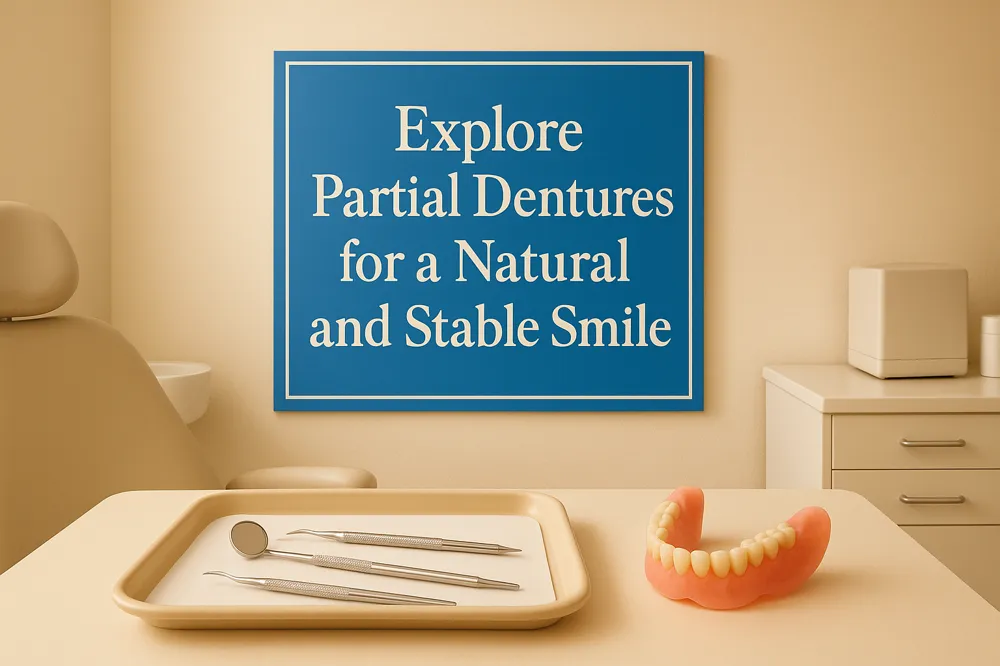
Partial dentures are dental appliances designed to replace one or more missing teeth while the patient still retains some natural teeth. They fill gaps caused by missing teeth, helping restore a balanced and functional smile.
Support from Remaining Natural Teeth and Metal Framework
Partial dentures are anchored securely to the remaining natural teeth using metal clasps or frameworks. This support improves stability and helps distribute chewing forces efficiently.
Comfort and Stability Advantages Compared to Full Dentures
Partial dentures comfort often offers greater comfort and denture stability than full dentures. Because they rely on natural teeth for support rather than only the gums, they tend to stay in place better and reduce irritation. The presence of remaining teeth prevents the denture from slipping, which is a common challenge with full dentures.
Role in Preventing Teeth Shifting and Maintaining Alignment
By occupying the spaces where teeth are missing, partial dentures preventing teeth shifting or drifting out of position. This is essential for maintaining alignment of remaining teeth and oral health.
Adjustment Period and Eating Capabilities with Partial Dentures
Adapting to partial dentures typically includes a short adjustment period—about a week—during which it is advisable to start with soft foods like soups, mashed potatoes, and pudding. Gradually, patients can resume their normal diet as comfort improves. Chewing efficiency is generally restored, allowing for eating a wide variety of foods. Staying hydrated, avoiding sticky or very hard foods at first, and maintaining good hygiene help ensure a smooth transition.
Costs and Options Including Flexible Dentures and Materials
Partial dentures are available in various materials and designs:
- Metal-based partials: Durable with metal frameworks; average cost around $1,800.
- Acrylic partials: Cost-effective, usually about $1,400.
- Flexible dentures: Made from nylon-based, lightweight material, they avoid metal clasps and offer a natural appearance and superior comfort. These typically range similarly in cost but vary by provider.
Notable branded options, such as Aspen Dental's Flexilytes Combo or Cast partials, often come with warranties up to two years. Costs depend on customization, materials, and additional procedures. Insurance and financing options may be available.
Maintenance and Longevity Considerations
Proper care of dentures includes daily cleaning with a soft brush and non-abrasive cleaning solutions, overnight soaking of dentures, and regular dental check-ups to adjust fit and function. With appropriate care, partial dentures generally last between 8 and 10 years, providing long-term benefits in oral health and aesthetics.
| Aspect | Details | Notes |
|---|---|---|
| Purpose | Replace one or more missing teeth | Helps maintain dental alignment |
| Support | Remaining natural teeth via metal clasps/framework | Enhances stability vs. full dentures |
| Comfort | More stable and less irritating than full dentures | Depends on fit and adaptation |
| Eating | Adaptation period (~1 week), progress from soft to normal foods | Generally allows normal eating |
| Options and Costs | Metal partial ( | Costs vary with materials and provider |
| Maintenance | Daily cleaning, soaking, dental check-ups | Lifespan 8-10 years with proper care |
Navigating Denture Choices: Key Questions Answered

Can you live a normal life with full dentures?
Yes, living a relatively normal life with full dentures is possible, though it requires an adjustment period and proper care. The muscles of your face and tongue adapt over time, improving speech clarity and comfort. Regular cleaning and maintenance are essential to keep dentures functioning well and protect oral health. Working with a skilled, communicative dentist who offers comprehensive care enhances the experience, allowing patients to eat, speak, and smile with confidence.
Is it better to have dentures or to keep bad natural teeth?
Preserving natural teeth is generally preferred for overall oral health. However, severely damaged or decayed teeth may necessitate extraction. Dentures provide a cost-effective replacement but may cause slipping and reduced bite force, leading to jawbone resorption and a sunken facial appearance over time. Dental implants, though costlier, integrate with the jawbone, prevent bone loss, and restore nearly full bite strength, offering superior function and aesthetics. Ultimately, keeping natural teeth is ideal, but implants often surpass dentures as a long-term solution when teeth cannot be saved.
What is the current quality and effectiveness of modern dentures?
Modern dentures leverage advanced materials such as acrylic resin and porcelain for greater durability and a natural look. Digital impressions and 3D printing enable precise customization, ensuring better fit, comfort, and reduced irritation. implant-supported dentures add stability and improve chewing efficiency, while traditional removable dentures offer ease of cleaning and convenience. With proper professional adjustments and care, dentures typically last 5 to 8 years, greatly enhancing oral functionality, appearance, and self-esteem.
What are common disadvantages and downsides associated with full dentures?
Full dentures may cause discomfort and soreness during the adjustment phase. They rely on suction and gum shape for retention, sometimes slipping when eating or speaking. Chewing ability may be limited at first, requiring softer foods. Bone loss in the jaw continues without stimulation from natural teeth, potentially altering facial structure over time. Maintenance and periodic adjustments help mitigate issues, and implant-supported dentures offer a more stable alternative.
Can you eat normally with partial dentures?
Most patients can eat normally with partial dentures after an initial adaptation period. Starting with soft foods and progressing gradually enables better comfort. Partial dentures restore bite alignment, improve chewing function, and help prevent decay and gum disease by filling gaps. Avoiding sticky or hard foods during transition, maintaining good hygiene, and staying hydrated support smoother adjustment. Over time, most people regain confident, comfortable eating with partial dentures.
Can you customize the appearance of your dentures?
Yes, you can customize dentures extensively. Dentists offer options for size, shape, and shade to match your natural smile and facial features. Styles can range from soft and natural to more pronounced looks, allowing personal preference and aesthetics to be addressed. Your dental provider will guide you through different options to achieve both functional and attractive results.
What types of dentures and denture materials are available, and what are typical costs?
Dentures come primarily as complete (full dentures) (full arch) or partial dentures. Materials include acrylic resin, porcelain, or acrylic with metal frameworks for stronger partials. Costs vary widely—from $1,500 to $5,000 or more for complete dentures depending on materials and complexity. Partial dentures generally cost less but vary by type and customization. implant-supported dentures are costlier but offer enhanced stability. Selecting materials and types depends on your oral needs, aesthetics, and budget.
What options are available for partial dentures and what are their costs?
Partial dentures options include metal framework types (costing around $1,800) and acrylic versions (approximately $1,400). Brands like Flexilytes Combo and Cast partials offer differing durability and warranties. Nationwide, partial dentures cost between $800 and $2,000. Insurance, financing plans, and temporary dentures during healing are considerations in planning.
What are flexible dentures and how do they compare to other types?
Flexible dentures are made from nylon-based materials, offering a lightweight, comfortable alternative without the need for metal clasps or adhesives. Their translucent gum-colored design blends naturally but are mostly suited for partial dentures rather than full arches. While they are less brittle and easier to wear, they require gentle cleaning due to porous materials.
Which dentures tend to be more comfortable, full dentures or partial dentures?
Comfort depends on individual oral condition and denture design. Full dentures comfort can be comfortable if well-fitted but may cause pressure points. Partial dentures usually provide better stability since they are anchored to natural teeth, enhancing comfort and function. Advances in materials and fabrication improve overall comfort for both types. Consulting with a dental professional ensures the best personal fit.
What are the indications and contraindications for removable partial dentures and full dentures?
Partial dentures are indicated when some natural teeth remain and oral support is adequate. They are contraindicated if remaining teeth are unhealthy or if oral hygiene is poor. Full dentures are suited for patients missing most or all teeth in an arch, but require sufficient jawbone and healthy gums to be effective. Active infections or extremely resorbed ridges might necessitate alternative treatments, such as implants.
Why might a dentist recommend partial dentures instead of implants?
Partial dentures offer a non-surgical, more affordable option without the need for bone availability or extensive procedures. For patients with medical or financial constraints, partial dentures can restore function and aesthetics effectively without surgery.
What are the pros and cons of dentures versus implants?
Dentures are affordable, minimally invasive, and quickly fitted, but may shift, require frequent adjustments, and contribute to bone loss. Implants are a more costly surgical investment but provide superior stability, preserve bone health, and mimic natural tooth function with greater longevity. Patient age, bone health, and preferences affect this choice.
What are the pros and cons of denture implants?
implant-supported dentures improve stability and chewing, maintain jawbone integrity, and offer a natural feel. They require surgery, healthy bone for placement, and entail greater initial expense. Maintenance includes good hygiene to ensure osseointegration success. Not all patients qualify but for many they offer a highly effective, long-lasting solution.
Are full mouth dentures and implant-supported dentures worth the investment?
Traditional full dentures serve as economical, functional tooth replacements. implant-supported dentures demand higher upfront costs ($35,000-$90,000 for full sets) but deliver lasting comfort, stability, facial support, and oral health benefits. Many find the long-term savings in maintenance and improved quality of life justify the investment.
What is the BULL rule for dentures and how does it guide modification?
The BULL rule stands for Buccal Upper, Lower Lingual. It guides dentists to adjust the buccal cusps of upper posterior teeth and the lingual cusps of lower posterior teeth on dentures. This ensures proper occlusion, smooth chewing motions, and comfort by avoiding interference. Following BULL helps optimize denture function and patient comfort.
This comprehensive overview provides clarity to help patients make informed decisions when navigating denture options, emphasizing customization, function, and care for the best outcomes.
Making an Informed Decision About Your Dentures
Understanding Your Options
Choosing between full and partial dentures depends on various factors including the number of missing teeth, oral health, and lifestyle needs. Full dentures replace all teeth in an arch, supporting facial muscles and restoring appearance, while partial dentures fill gaps and stabilize remaining natural teeth.
The Value of Professional Guidance
Consulting a dental professional is essential for personalized advice. Experts assess factors like jawbone health, fit, and budget to recommend the best denture type, ensuring comfort and long-term functionality.
Prioritizing Your Comfort and Needs
Comfort, ease of adaptation, and daily functionality should guide your choice. Both full and partial dentures improve eating, speaking, and confidence, but customized fit and maintenance are crucial for success.
Selecting the right dentures enhances oral health and quality of life, making informed decisions with professional support vital.