Introduction
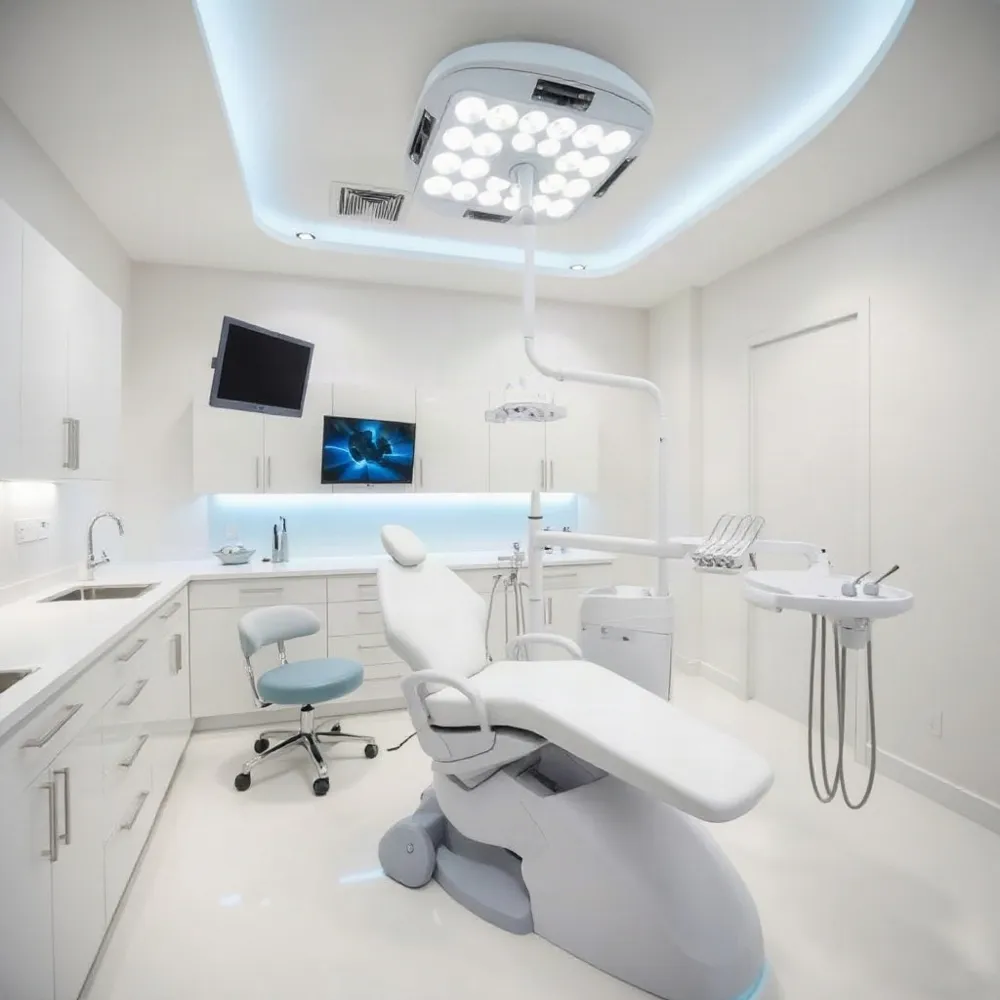
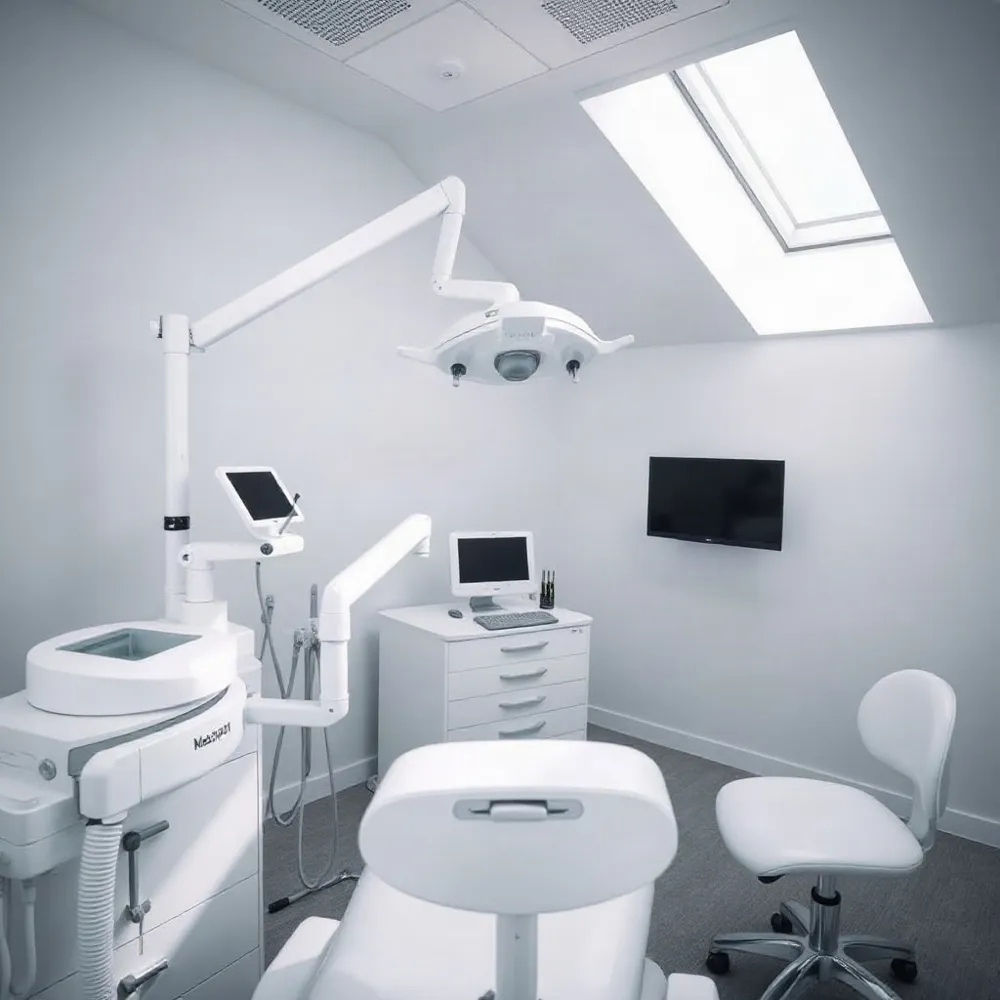
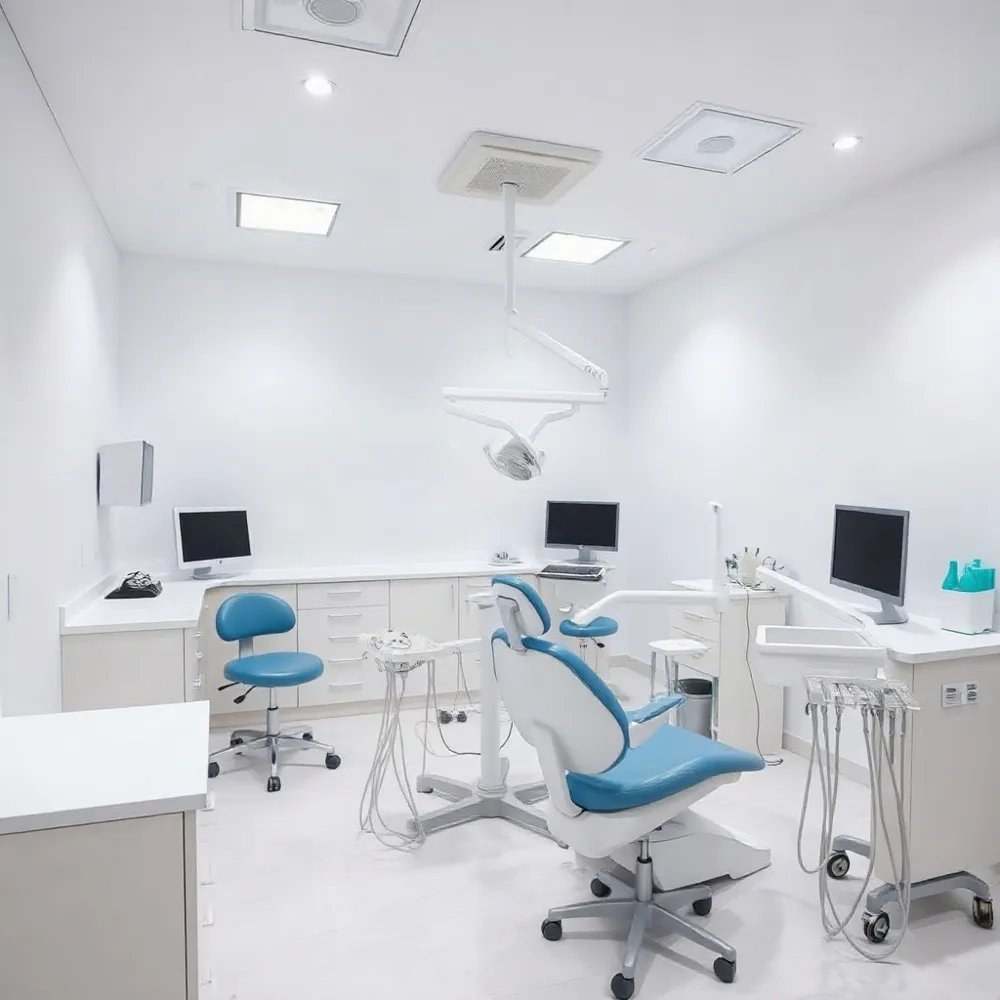
SureSmiles Invisible Braces are a clear‑aligner system that gently shifts teeth into their proper positions using a series of custom‑fabricated, BPA‑free plastic trays. Treatment begins with a digital 3‑D scan, allowing the dentist to create a precise, computer‑aided movement plan that patients can preview before any appliance is placed. Each aligner is worn 20–22 hours per day for about one to two weeks, after which the next tray is progressed, and the removable design lets patients eat, brush and floss without restrictions. In Paterson, NJ, the practice of Dr. David M.ayer (davidmmayerdmd.com) offers SureSmiles with a multilingual team fluent in English, Spanish and Arabic, ensuring clear communication for the city’s diverse community. State‑of‑the‑art digital imaging, over 40 years of dental experience, and a comprehensive patient kit—including a case, Chewies® and a cleaner—make the orthodontic journey efficient, comfortable and discreet for adults and teens alike.
SureSmile Technology and Treatment Scope
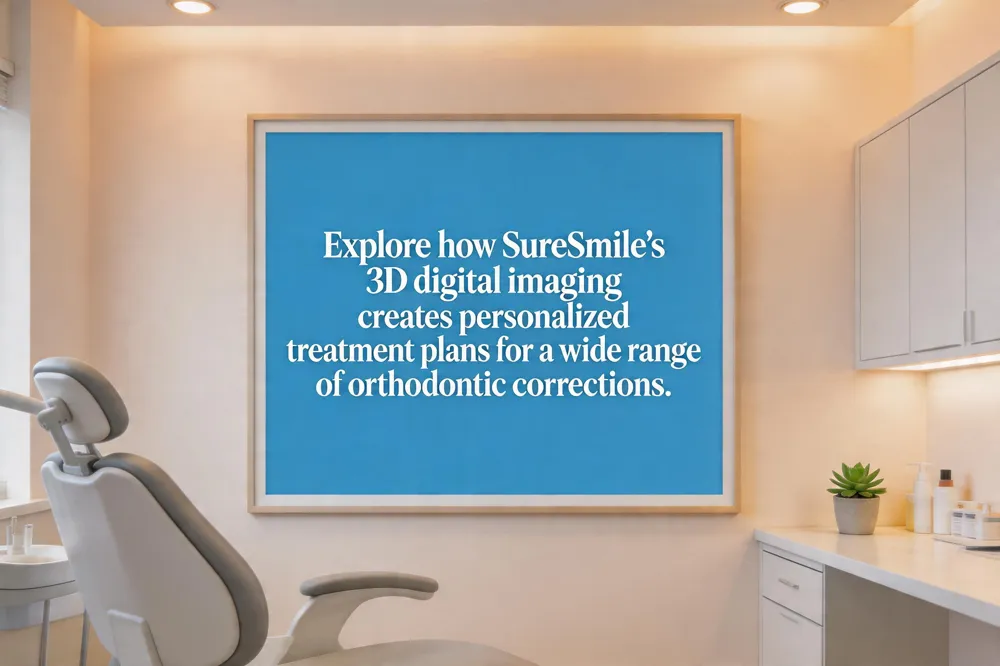 SureSmile leverages advanced digital 3D imaging to capture a precise, impression‑free scan of each patient’s dentition. This data feeds a sophisticated computer‑aided design program that generates a personalized treatment plan, mapping every tooth movement from start to finish and providing a visual preview of the final smile. Because the planners is custom‑built, the system can address a wide range of conditions—including spacing, crowding, overbite, underbite, crossbite, and mild to moderate rotations—while maintaining optimal bite function.
Facial aesthetics benefit indirectly: clear aligners do not reshape bone, but correcting dental alignment improves facial balance, lip support, and the overall harmony of the smile, often giving the impression of a more refined facial contour.
Does SureSmile change your face shape? Clear aligners do not alter bone structure, but improving tooth alignment can subtly enhance facial balance and overall smile aesthetics, giving the impression of a more harmonious facial shape.
Are invisible teeth braces effective? Clear aligners are effective for many mild to moderate orthodontic issues when the case is properly selected, the treatment plan is well‑designed, and the patient follows wear instructions consistently.
What are the pros and cons of SureSmile aligners? Pros: virtually invisible, removable for unrestricted diet and oral hygiene, comfortable material, and the ability to prevent future oral‑health problems. Cons: requires disciplined 20‑22‑hour daily wear, may need minor refinements, and can be less suitable for very complex skeletal discrepancies.
Getting the Most Out of Your SureSmile Aligners
 Cleaning is simple but essential: brush the aligner with a soft toothbrush and toothpaste or a Retainer Brite product before each use, and soak it daily in a mild soap solution for 15‑30 minutes. Avoid mouthwash, denture cleaners, alcohol, bleach, or hot water, which can warp the BPA‑free plastic.
Follow the prescribed schedule—typically a new tray every 1–2 weeks—keeping them in numerical order and storing removed trays in their protective case away from heat. If an aligner is lost or damaged, contact the office promptly for a replacement.
After the alignment phase, transition to retainers. Wear them full‑time (20–22 hours) for the first 6‑12 months, then switch to nighttime wear for at least 1‑2 years, and consider occasional nightly wear thereafter to maintain your new smile. Always adhere to your dentist’s specific retainer guidance.
Understanding the Cost of Clear Aligner Therapy
 Clear aligner therapy is priced based on case complexity, number of trays, and geographic location. SureSmile aligners typically cost between $3,500 and $6,000, with some cases ranging from $4,000 to $7,500. Insurance plans often cover up to $1,500, and many practices provide financing, interest‑free monthly payments, or HSA/FSA options. A $3,000 price for Invisalign is generally reasonable for simple cases such as minor crowding or spacing, falling at the low end of the national $3,000‑$8,000+ range. For more complex bite corrections, the price can climb higher. Metal braces usually run $3,000‑$7,000; a $6,000 bill is typical for comprehensive treatment and not excessive, especially when modern digital planning is used. Invisalign at $7,000 reflects a severe, full‑mouth case and sits at the upper end of its price spectrum; milder cases can be far less expensive. In Paterson, NJ, the multilingual team at Dr. David M.ayer’s practice offers personalized quotes, insurance coordination, and flexible financing to make both SureSmile and Invisalign affordable while delivering high‑quality orthodontic care.
Navigating Invisalign: Common Challenges and Lifestyle Tips
 Invisalign’s popularity stems from its discreet appearance, but many patients quit because they struggle to meet the 20‑22 hours‑daily wear requirement. Missed wear slows progress, creates frustration, and often leads to unrealistic expectations about how quickly results appear. Discomfort is most intense during the first week of a new tray, when teeth adjust to the pressure; this “hardest week” may include sore gums, a temporary lisp, and heightened sensitivity. Patients are advised to follow the 30‑minute rule—putting the aligners back in within half an hour after meals or oral‑hygiene breaks—to maintain consistent force and protect enamel.
Older adults appreciate the near‑invisible, removable nature of aligners, which allows normal eating and thorough brushing, reducing the risk of cavities and gum disease. However, cost can be higher than metal braces, and strict compliance remains essential; extensive dental work or severe bite issues may require supplemental appliances. For intimacy, kissing is safe with aligners in place—the smooth plastic won’t snag, and a quick rinse after meals keeps breath fresh. Using chewies or a brief VPro® session can ease minor anterior movements and improve comfort, helping patients stay on track and enjoy a confident smile throughout treatment.
Invisalign vs. Traditional Braces: Weighing the Options
 Aesthetic differences
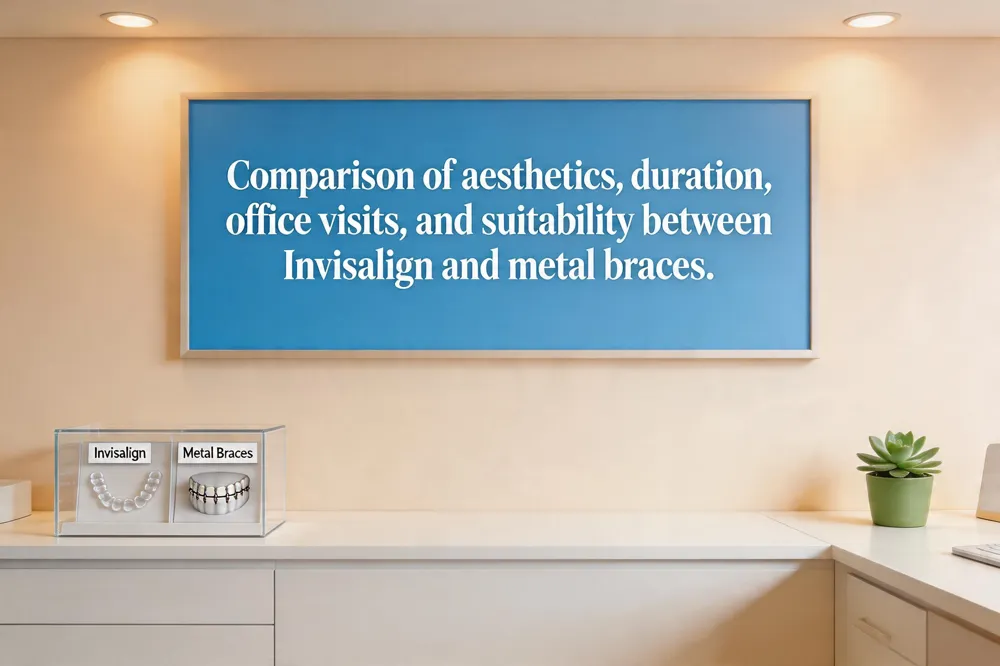
Clear aligners are virtually invisible, allowing patients to straighten teeth without the metal or ceramic brackets of traditional braces. This discreet look is especially appealing to adults and professionals.
Aesthetic differences
Clear aligners are virtually invisible, allowing patients to straighten teeth without the metal or ceramic brackets of traditional braces. This discreet look is especially appealing to adults and professionals.
Treatment duration Invisalign often completes mild to moderate cases in 12‑18 months, sometimes faster than metal braces, which can take 18‑36 months for complex corrections. Both systems rely on patient compliance for optimal speed.
Office visit frequency Aligner therapy typically requires check‑ins every 6‑8 weeks, as new trays are supplied for at‑home changes. Traditional braces need more frequent adjustments, often monthly, to wire and bracket tension.
Suitability for complex cases Invisalign works well for crowding, spacing, and moderate bite issues, but severe rotations or major skeletal discrepancies may need metal braces or surgical assistance. Braces provide continuous force and are the gold standard for the toughest orthodontic problems.
Invisalign benefits and disadvantages Invisalign offers nearly invisible, removable trays that eliminate dietary restrictions and simplify oral hygiene. Digital planning reduces office visits and can shorten treatment. However, trays must be worn 20‑22 hours daily, compliance is critical, costs can be higher, and very complex cases may not be suitable.
Pros and cons of Invisalign vs braces Invisalign’s aesthetic appeal, removability, and fewer appointments are strong advantages, but strict wear schedules and higher price are drawbacks. Traditional braces deliver reliable results for severe cases, yet they are visible, can irritate soft tissue, and require dietary limitations. Choosing the right option depends on case severity, lifestyle, and budget; a professional consultation is essential.
Conclusion
SureSmile clear aligners provide a discreet, comfortable, and highly accurate way to straighten teeth, leveraging 3‑D digital imaging, robotically fabricated trays, and optional VPro® assistance for minor movements. Patients benefit from fewer office visits, removable trays that preserve normal eating and oral‑hygiene habits, and a predictable, virtual preview of their final smile. When selecting a clear‑aligner system, consider the complexity of your bite, your lifestyle, and how closely you can follow the 20‑22‑hour daily wear schedule; SureSmile excels for mild‑to‑moderate cases, while Invisalign or traditional braces may be better for severe malocclusions. For personalized guidance, schedule a consultation at Dr. David M.ayer’s Paterson, NJ practice. Our multilingual team (English, Spanish, Arabic) will walk you through the digital treatment plan, financing options, and post‑treatment retainers. Call (973) 555‑0123 or visit davidmmayerdmd.com to begin your journey toward a healthier, brighter smile.