Providing Timely Care When You Need It Most
When a dental crisis strikes, finding rapid relief is essential to preserving your long-term oral health. While hospital emergency rooms may seem like the only option after hours, research shows that emergency departments often lack the specialized dental tools and staff necessary for definitive care, often leading to wait times exceeding 90 minutes. In contrast, davidmmayerdmd.com provides a more efficient, patient-centered approach by prioritizing Same Day Emergency Dental treatment in our Paterson, NJ, office.
Acting quickly during an emergency can significantly improve your prognosis. For example, re-implanting a knocked-out tooth within one hour offers the best chance at success, a level of urgency that our team is fully equipped to handle. With over 40 years of experience, we utilize state-of-the-art technology to diagnose and treat issues that typical hospital staff might only manage with temporary pain relief.
Accessibility remains a cornerstone of our philosophy. We offer a compassionate, multilingual team fluent in English, Spanish, and Arabic to ensure that every patient receives clear communication during stressful situations. By choosing davidmmayerdmd.com for your urgent dental care, you avoid the high costs and lack of follow-up typical of emergency rooms, ensuring a smoother, more effective path to recovery.
Understanding What Constitutes a Dental Emergency
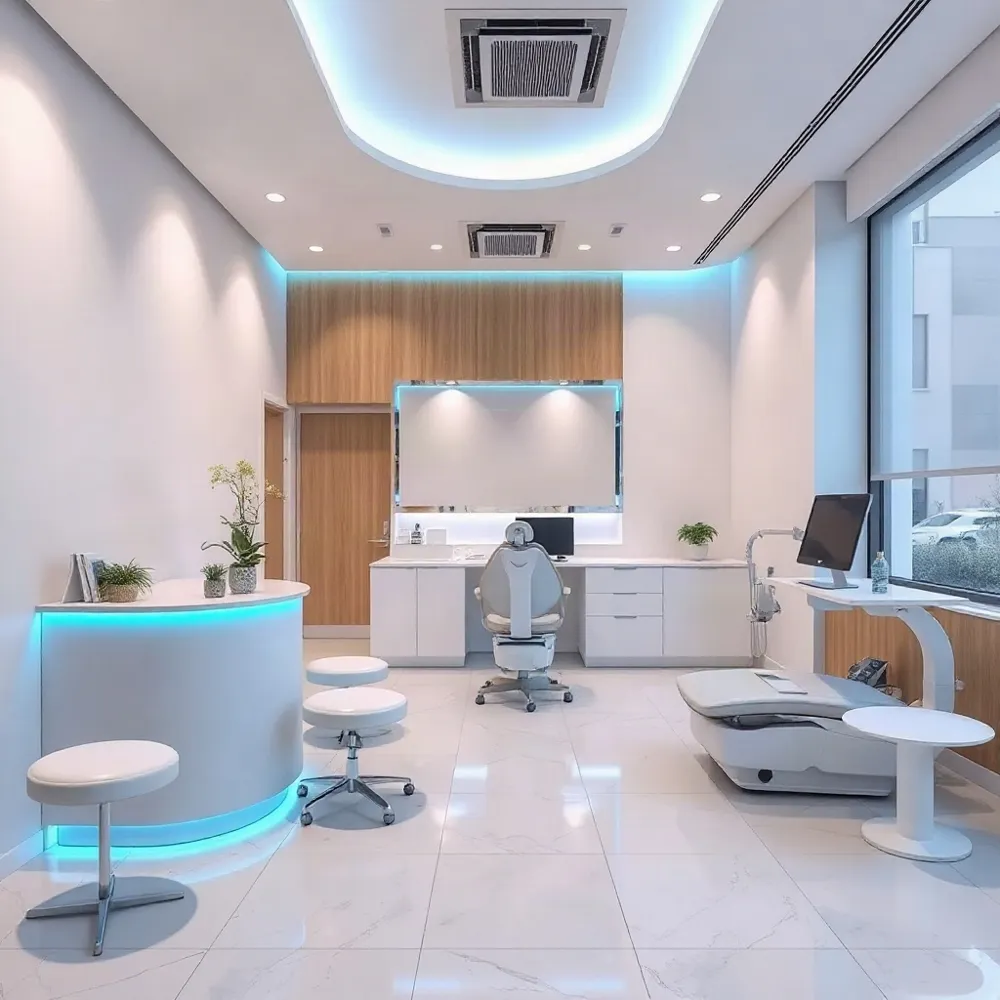 A dental emergency is any situation that requires immediate professional attention to stop bleeding, alleviate severe pain, or address damage that threatens the health of a tooth or facial structure. According to the Cleveland Clinic, common examples include knocked-out or partially dislodged teeth, severe toothaches, dental abscesses characterized by facial or jaw swelling, and badly cracked or fractured teeth. You should also seek urgent care for significant soft tissue injuries, such as deep cuts or lacerations to the lips or gums, and lost or broken dental restorations like crowns or bridges.
At davidmmayerdmd.com, we prioritize rapid intervention to prevent these conditions from worsening. While many issues require our specialized tools, certain situations demand a hospital visit. If you experience trauma resulting in broken facial bones, uncontrollable bleeding, or airway obstruction, proceed directly to the nearest emergency room. Unlike standard hospital emergency departments, which are often limited to providing palliative care such as antibiotics, CareQuest Institute notes that dental offices are better equipped to provide definitive, restorative procedures like extractions and fillings that address the underlying cause of your pain.
Recognizing Urgent vs. Non-Urgent Conditions
Distinguishing between an urgent crisis and a condition that can wait until the next business day is essential. National Institutes of Health guidance clarifies that a knocked-out tooth represents a critical timeline, as it has the best prognosis for being saved if returned to the socket within one hour. Conversely, minor chips, lost fillings, or dull toothaches that respond to over-the-counter relief are often considered non-urgent.
- Severe, persistent pain unresponsive to medication.
- Visible facial or jaw swelling indicative of a dental abscess.
- Traumatic injury, such as a permanent tooth being knocked out or severely dislodged.
- Uncontrolled bleeding from oral soft tissues lasting longer than 15-20 minutes.
- Suspected jaw fracture or severe displacement requiring immediate trauma care.
If you are uncertain about the severity of your condition, American Dental Association standards emphasize that consulting your dentist is the safest course of action. Our team at davidmmayerdmd.com utilizes a multilingual approach in English, Spanish, and Arabic to perform accurate telephone triage, ensuring that patients receive the most appropriate care level for their specific needs.
Why the Dental Office Is Better Than the ER
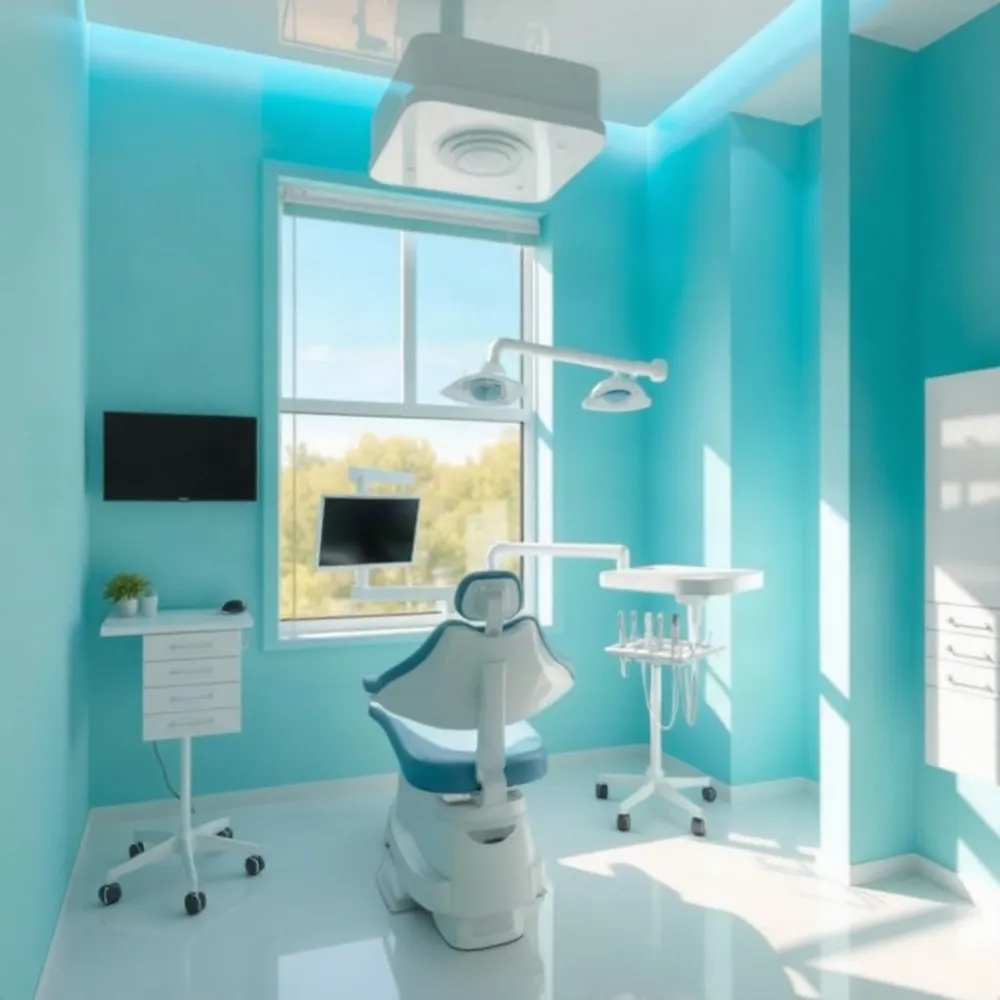 When a dental crisis strikes, many people reflexively head to a hospital emergency room. However, emergency departments are generally not equipped to provide definitive dental procedures, such as extractions or restorative fillings. Because hospital staff often lack specialized dental training and diagnostic tools like intraoral cameras, they typically provide only palliative care, such as temporary pain relief or antibiotics. This approach fails to address the root cause of the issue, forcing patients to seek a secondary appointment with a dentist later to resolve the problem.
The cost of seeking dental care in an ER can be nearly 10 times higher than the same treatment at a dental office. Beyond the financial burden, hospitals often involve significantly longer wait times, whereas a dedicated practice can prioritize urgent needs more effectively. At davidmmayerdmd.com, we leverage over 40 years of experience and state-of-the-art technology to offer same-day emergency treatment. Unlike the temporary measures found in an ER, our multilingual team provides comprehensive assessments to ensure your oral health is restored, not just stabilized.
Avoiding professional dental intervention can lead to dangerous complications, as untreated infections may spread or worsen, impacting your systemic health. Research indicates that poor oral health is linked to comorbidities like cardiovascular disease and diabetes. By choosing a dedicated dental home over a hospital, you benefit from consistent care and a personalized treatment plan that prevents recurring emergencies.
- What is the most common emergency in a dental office? The most common dental emergency encountered is severe tooth pain, typically caused by deep decay, pulpitis, or dental abscesses. These conditions often stem from untreated dental disease, which requires professional intervention to address the underlying infection and prevent further complications. While many patients mistakenly visit hospital emergency departments for these issues, those facilities are generally unable to provide definitive dental treatment, often resulting in higher costs and temporary, palliative care. Visiting a dental office for these emergencies is more effective, as it allows for immediate diagnosis and corrective procedures like extractions or root canal therapy. Seeking prompt, specialized care at a dental practice is essential to restore your oral health and prevent the progression of avoidable dental infections.
Our Structured Approach to Emergency Triage and Scheduling
 Effective management of urgent oral health needs relies on a structured triage protocol. At davidmmayerdmd.com, we prioritize patient outcomes by utilizing telephone assessments to accurately gauge the severity of an injury or pain. This initial step helps our team determine which cases require an immediate, same-day appointment and which can be managed through temporary relief measures until the office opens.
To ensure efficiency, our practice builds deliberate flexibility into the daily schedule, allowing us to address unexpected crises without disrupting routine care. This approach contrasts with hospital emergency rooms, where wait times for non-traumatic dental conditions can exceed 90 minutes. By leveraging state-of-the-art diagnostic technology, we quickly identify the root cause of discomfort, whether it is a fractured tooth or an abscess, to provide a definitive same-day solution.
Clear communication is essential during a crisis, especially when patients are in significant pain. Our multilingual team provides support in English, Spanish, and Arabic, ensuring that every patient understands their treatment plan and care instructions regardless of the language they speak at home. This commitment to accessibility is guided by American Dental Association best practices, which emphasize that staff should be professionally trained to perform triage to ensure timely, compassionate intervention.
How do dental practices prioritize emergency patients?
Dental offices manage high-priority cases by differentiating between life-threatening emergencies, such as spreading swelling or uncontrolled bleeding, and urgent issues like severe toothaches. When patients reach out after hours, our system provides clear instructions, ensuring that they receive appropriate guidance—whether that involves an emergency consultation or, in cases of severe trauma, referral to emergency services. This systematic dedication to patient-centered care helps preserve oral structures and provides the stability needed for long-term health.
Navigating After-Hours Emergencies and Weekend Care
A dental crisis does not always respect business hours. When your regular office is closed, understanding the necessary steps to take can prevent minor issues from escalating into long-term complications. If you experience a sudden dental emergency on the weekend, contact your dentist immediately, as most practices provide clear instructions or an emergency contact number on their voicemail system for existing patients of record. At davidmmayerdmd.com, we prioritize same-day emergency dental relief to ensure our community in Paterson, NJ, receives the urgent support required to preserve oral health.
Managing pain and trauma at home
While waiting for professional care, safe first-aid practices can help mitigate discomfort. For patients dealing with a painful toothache or potential abscess, you may use a cold compress to manage swelling or rinse with warm saltwater to clean the area. It is vital to never place aspirin or painkillers directly against the gum tissue, as this can cause chemical burns, a common error that dentists caution against. If you are experiencing symptoms like uncontrollable bleeding, difficulty breathing, or evidence of a jaw fracture, proceed directly to the nearest hospital emergency department, as these situations require trauma-level medical intervention.
Time is the most critical factor when a tooth is knocked out. To improve the chances of successful replantation, re-implanting a tooth within one hour offers the best prognosis. When handling the tooth, always hold it by the crown rather than the root to protect delicate tissues. Keep the tooth moist by storing it in milk, saliva, or a specialized tooth preservation medium, and bring it with you to your appointment. By utilizing our state-of-the-art technology, we provide the rapid diagnostics and restorative procedures that standard emergency rooms often lack, ensuring you receive definitive treatment rather than temporary palliative care.
- Call your dentist's office immediately for specific after-hours guidance.
- Use cold compresses for swelling and avoid placing medication directly on gums.
- Store a knocked-out tooth in milk and transport it to the clinic promptly.
- Seek emergency room care for life-threatening bleeding or severe jaw trauma.
Taking Proactive Steps Toward Your Long-Term Oral Health
Prioritizing your oral health through regular preventive check-ups remains the most effective strategy for avoiding sudden dental crises. Consistent daily brushing and flossing form your primary defense against decay and infection, while wearing a custom-fitted mouth guard during contact sports significantly reduces the risk of traumatic tooth loss or injury.
Establishing a consistent relationship with a dental home ensures better continuity of care compared to episodic emergency room visits, where staff often lack your complete medical history. At davidmmayerdmd.com, our team leverages over 40 years of experience and state-of-the-art technology to provide Same Day Emergency Dental relief that addresses the root cause of your pain rather than merely masking symptoms.
If you encounter any discomfort or have concerns about a potential issue, please do not hesitate to contact our office. Our multilingual staff is ready to offer compassionate, judgment-free guidance to help you navigate your care needs efficiently.