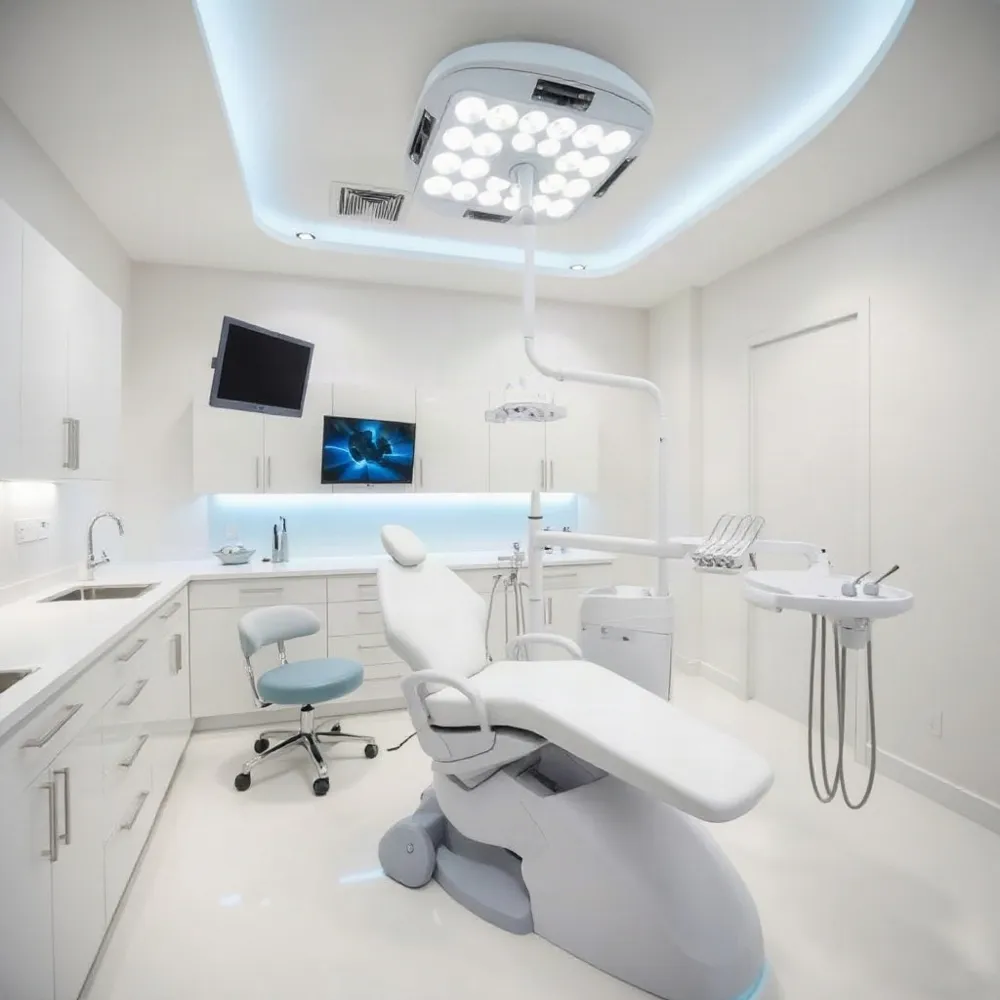
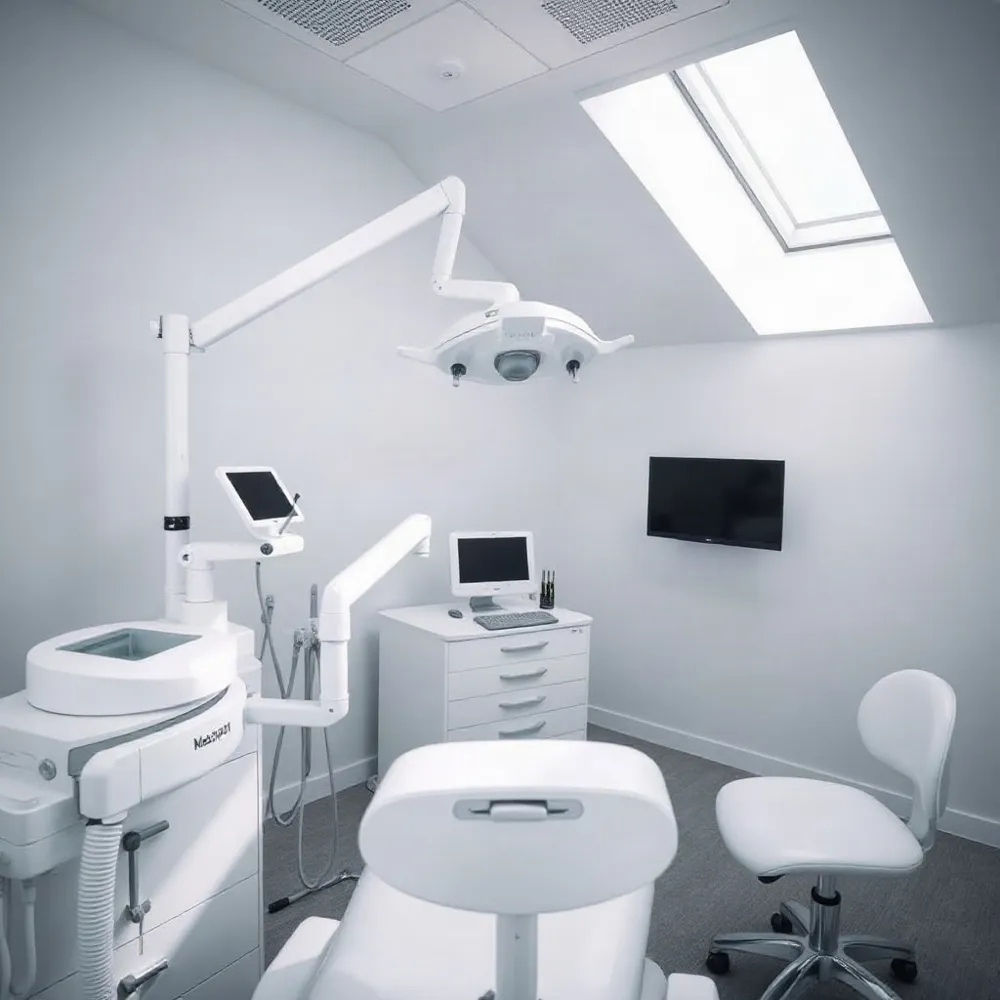
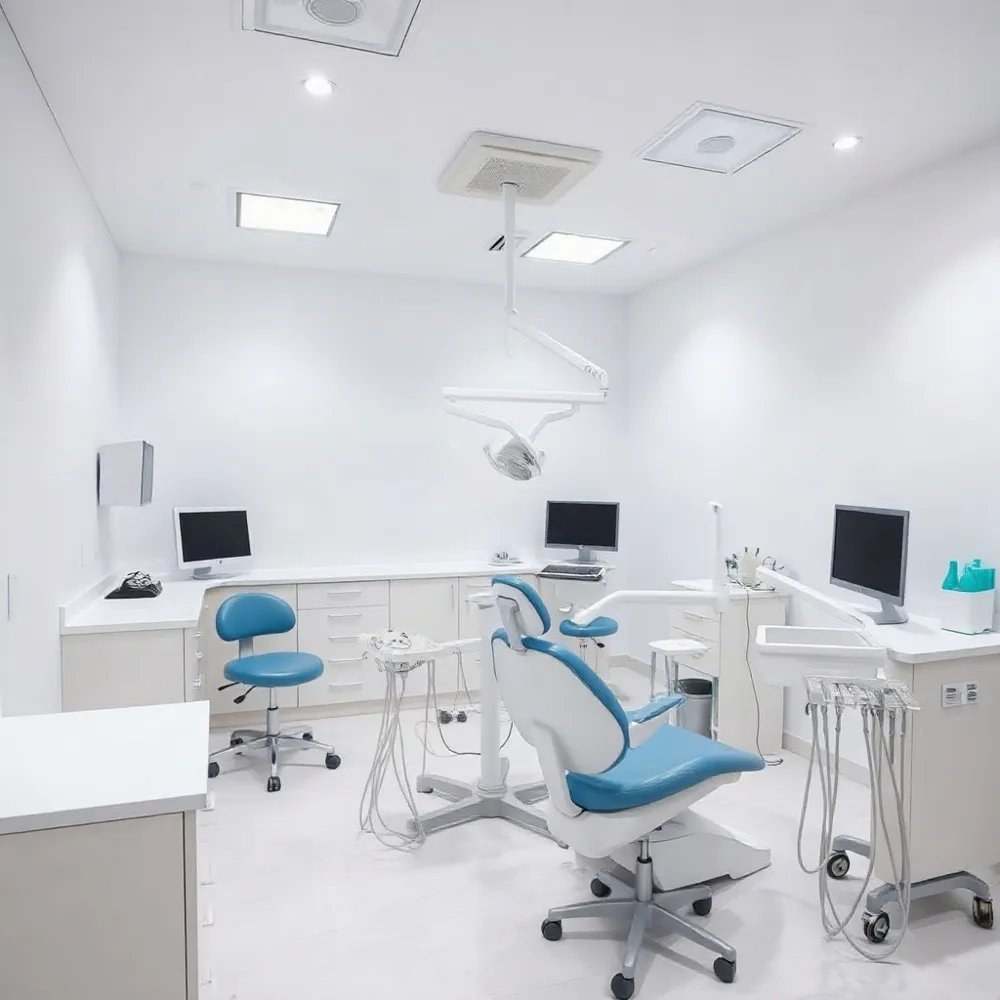
Understanding the Importance of Same-Day Emergency Dental Care
Dental emergencies strike without warning and demand immediate attention to prevent further damage, alleviate pain, and protect overall health. Same-day emergency dental care offers a lifeline, providing patients with quick, expert services that address urgent issues ranging from severe toothaches to dental trauma. This guide explores how dental practices ensure rapid treatment, the types of emergencies commonly handled, actionable first aid steps, and strategies to navigate insurance and payment options for accessible care.
Recognizing and Responding to Dental Emergencies
What constitutes a dental emergency and what are common types?
A dental emergency involves situations that require immediate care to stop bleeding, relieve severe pain, or address infection. Common emergencies include severe toothaches, knocked-out or broken teeth, lost crowns or fillings, infections such as abscesses, injuries to soft tissues, and jaw trauma. These conditions demand prompt dental attention to prevent worsening. For detailed information on Dental Emergency Definition and Common Causes and Emergency Dentist in Milwaukee Services, consult these resources.
What should patients do immediately when faced with a dental emergency?
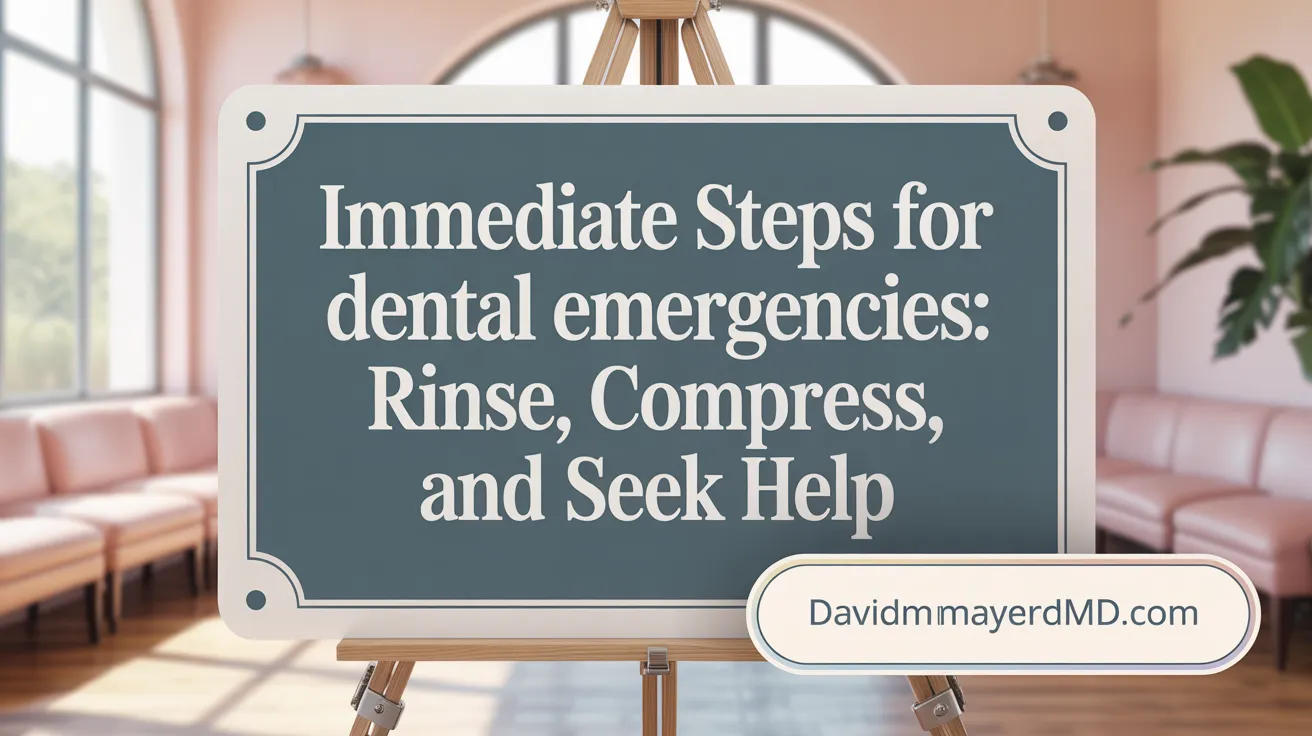
When facing a dental emergency, gently rinse your mouth with warm water to clean the area. Apply a cold compress to reduce swelling and numb pain. Carefully remove any debris stuck between teeth using floss, avoiding sharp instruments. If a tooth is knocked out, hold it by the crown and store it in milk or saliva to keep it moist until treatment. Over-the-counter pain relievers like ibuprofen can help manage pain. However, if bleeding won't stop or breathing is difficult, seek emergency room care immediately. For at-home remedies and pain relief tips, see Home Remedies for Toothache and Best Pain Reliever for Toothache.
When is a visit to the emergency room necessary instead of the dental office?
Emergency room visits are reserved for severe, life-threatening situations. These include uncontrollable bleeding, trauma involving facial bones, difficulty breathing or swallowing, and high fever related to infection. Most other dental emergencies, such as infections, cracked teeth, or lost restorations, can be effectively treated in a dental office, which offers specialized care and treatment options. Learn more about the distinction and when to seek emergency room care on Dental Emergencies: What to Do and Emergency Walk-In Dentist Services.
How can dental emergencies be prevented?
Preventing dental emergencies involves several practical steps. Wearing protective mouthguards during sports reduces risk of injury. Avoid hard or sticky foods that can crack or dislodge teeth. Maintain good oral hygiene through regular brushing, flossing, and dental check-ups to prevent decay and infections. Using seat belts can prevent facial injuries in accidents, and avoiding habits like nail-biting helps protect teeth from damage. For comprehensive preventative dental care and emergency prevention tips, visit Emergency Dentistry in Eden Prairie and Dental Emergency Actions and Prevention.
How Same-Day Emergency Dental Services Work
How do patients access same-day emergency dental care?
Patients seeking urgent dental care should contact their dental office immediately. Most same-day emergency dental care practices reserve daily appointment slots specifically for emergencies, ensuring patients can be seen promptly the same day. Many also offer emergency walk-in options, online scheduling platforms, and dedicated emergency phone lines to facilitate quick access.
What procedures are commonly performed during emergency visits?
Emergency dental visits usually start with a thorough examination supported by diagnostic X-rays. Common procedures include pain management for dental emergencies, treating dental infection and abscess, repairing cracked or broken teeth, reimplanting knocked-out teeth, root canal therapy for emergencies, tooth extractions, broken dentures repair, and placing temporary or permanent crowns during emergency visits.
What role does technology play in emergency dental care?
Advanced technology greatly enhances emergency dental treatment. Digital X-rays and 3D imaging technology enable precise diagnosis of dental injuries and infections. CAD/CAM technology, including CEREC milling machines, allows dentists to fabricate same-day crowns during emergency visits, significantly improving efficiency and patient comfort.
Who comprises the emergency dental care team?
Emergency dental care teams include a multidisciplinary group of professionals such as general dentists, emergency dental specialists, oral surgeons, endodontists, and periodontists. Many offices also have multilingual dental emergency staff to provide culturally sensitive communication and accommodate diverse patient needs.
What follow-up care is recommended after emergency treatment?
After emergency care, patients typically require follow-up appointments to monitor healing and manage residual pain. Completing restorative treatments such as permanent crowns or fillings is common. Dental professionals also provide tailored preventive dental instructions to avoid future emergencies and emphasize routine dental care.
Managing Pain and Immediate Relief at Home Before Care
What are effective home remedies for toothache relief?
Several home remedies can provide temporary relief from dental pain before you can see a dentist. Saltwater rinse for toothache helps reduce inflammation and clear debris. Applying a cold compress for tooth pain to the cheek diminishes swelling and numbs pain. Clove oil for dental pain, garlic paste, and peppermint tea bags have natural properties that ease discomfort and soothe sensitive gums. Diluted hydrogen peroxide rinses can also reduce bacteria and promote healing.
Which over-the-counter pain medications are recommended for dental emergencies?
Nonsteroidal anti-inflammatory drugs (NSAIDs), such as Ibuprofen for toothache pain, effectively reduce both pain and inflammation. For those unable to use NSAIDs, acetaminophen is an alternative. Topical numbing agents like Orajel and Anbesol for tooth pain offer short-term localized relief by numbing the affected area but should be used with caution.
How should lost crowns or fillings be managed temporarily?
If a crown or filling is lost, Same-Day Emergency Dentistry provides guidance and temporary solutions such as over-the-counter dental cement to reseal the area. Alternatively, sugarless chewing gum can cover exposed sensitive spots to protect them until you receive professional care.
What precautions should users take with topical anesthetics?
Topical products containing benzocaine must be used sparingly and exactly as directed since overuse can cause serious side effects. While they provide quick numbing, these agents only mask symptoms and do not treat the underlying problem. For more details, see benzocaine precautions and side effects.
Why is prompt professional dental care important despite home remedies?
Home remedies and medications relieve symptoms only temporarily and do not address the root cause of dental pain or injury. Delaying dental treatment risks the spread of infection, worsening damage, and more complicated procedures. Seeking timely professional care ensures proper diagnosis, effective treatment, and prevention of additional complications. Learn more about when to seek emergency dental care.
Navigating Insurance, Costs, and Payment Options in Emergency Dental Care
Do dental insurance plans generally cover emergency dental care?
Most dental insurance plans do cover emergency dental services, but coverage levels can differ widely. It's important for patients to check their specific insurance policies to understand what emergency treatments are included and what co-pays or deductibles they might face.
What are typical costs associated with emergency dental visits?
An initial emergency dental exam typically costs about $112 but can vary. Additional costs depend on the procedures needed, such as emergency dental X-rays, extractions, fillings, or root canals. Pricing varies by practice and treatment complexity.
What payment assistance options exist for uninsured or underinsured patients?
Many dental practices offer financial help options like in-house financing, third-party payment plans, or special savings plans. For example, some providers offer a dental savings plan for around $39 per year, which helps lower costs but is not insurance.
Why is it important to understand insurance and payment options before emergencies?
Knowing your coverage and payment choices ahead of time helps avoid unexpected costs during urgent situations. It eases the stress of seeking prompt care by reducing financial barriers and supports informed decisions about where to go for emergency dental treatment.
Patient Experience and the Compassionate Approach in Emergency Dentistry
How do dental practices ensure compassionate care during emergencies?
Emergency dental practices prioritize compassionate, judgment-free care by fostering a patient-centered environment. This involves offering clear communication, empathetic listening, and reassurance to alleviate patient anxiety. Dentists and staff explain procedures thoroughly and provide comfort measures, such as anxiety-reducing techniques for dentistry, to support patients through stressful emergency visits.
What role does multilingual staff play in emergency dental care?
Multilingual teams are vital in emergency dental settings as they bridge language barriers, ensuring that patients from diverse backgrounds fully understand their diagnosis, treatment options, and aftercare instructions. This inclusivity promotes timely and accurate care, helping patients feel respected and confident in their emergency treatment. For example, some emergency dental practices offer English, Spanish, and Arabic dental services.
How do patient experiences reflect on emergency dental services?
Patient testimonials consistently highlight the accessibility and professionalism of emergency dental teams. Many patients appreciate prompt appointment scheduling, compassionate pain management, and the respectful manner in which care is delivered. These positive experiences contribute to building trust and encouraging timely treatment seeking in future emergencies, as noted in reviews for emergency dental care providers.
Why is efficiency important in emergency dental care?
Efficiency in emergency dental care reduces patient discomfort by delivering quick pain relief and preventing issues from worsening. Fast, coordinated treatment helps avoid the progression of dental problems that could require more invasive procedures or emergency room visits, ultimately improving patient outcomes and saving time and resources. Learn more about the importance of early intervention dental emergencies.
Preparing Yourself for Dental Emergencies
Dental emergencies require swift, expert intervention to mitigate pain, stop infection, and preserve oral health. By recognizing symptoms early, utilizing basic first aid, and accessing same-day emergency dental services equipped with advanced technology and skilled teams, patients can navigate urgent situations effectively. Understanding insurance coverage and income support options further removes barriers to prompt care. Ultimately, compassionate, efficient emergency dental care restores function and comfort, underscoring the critical value of preparedness and early action for dental health emergencies.