The Vital Role of Emergency Dental Care
The primary goal of emergency dentistry is the rapid alleviation of acute dental pain and the stabilization of oral health. Beyond mere symptom management, professional intervention is vital to prevent minor issues from escalating into life-threatening infections or irreversible structural damage. When unexpected dental trauma occurs, davidmmayerdmd.com prioritizes patient comfort through compassionate triage, ensuring that individuals in distress feel heard and supported from the first point of contact.
Accessing same-day emergency dental care remains the most effective way to protect long-term oral integrity. While hospital emergency rooms may be necessary for severe facial trauma or airway compromise, they are often ill-equipped for definitive restorative procedures like fillings or extractions. A dedicated dental office provides a higher standard of continuity, as practitioners possess the specialized expertise to treat the underlying source of discomfort rather than providing temporary, palliative relief.
Timely assessment is the cornerstone of successful treatment. Whether handling a knocked-out tooth or a persistent abscess, the staff at davidmmayerdmd.com is trained to evaluate urgency effectively. By integrating structured triage with a commitment to patient well-being, the practice ensures that urgent needs are met with precision and empathy, ultimately safeguarding the patient's oral health and overall systemic stability.
Recognizing When a Dental Problem Becomes an Emergency
 A dental emergency is defined as any condition requiring immediate intervention to halt bleeding, manage infections, or alleviate severe pain. While minor chips or slight discomfort may wait for standard business hours, specific symptoms indicate an urgent need for professional care, such as uncontrollable bleeding or trauma involving facial bones.
What determines a dental emergency?
Determining urgency often relies on how significantly the issue impairs your daily function. If you experience severe pain that fails to respond to over-the-counter analgesics, it often signals an underlying pulpitis or abscess. Furthermore, rapid facial or neck swelling can progress into life-threatening infections that impact your airway, necessitating prompt assessment.
What are common examples of dental emergencies?
- Knocked-out teeth, where the success of professional replantation depends on seeking care within one hour.
- Persistent, throbbing toothaches that indicate deep-seated infections.
- Fractured or cracked teeth causing exposure of internal layers.
- Post-extraction alveolar osteitis or uncontrollable hemorrhage.
- Lost or broken restorations like crowns or bridges requiring immediate stabilization.
Ignoring these symptoms can result in severe systemic outcomes. While some patients default to hospital emergency departments, those facilities often limit care to palliative support like antibiotics, whereas a dental practice provides the definitive restorative work needed to resolve the infection. If you notice signs of [cellulitis or significant tissue swelling](https://coronavirus.delaware.gov/wp-content/uploads/sites/177/2020/05/DPH-COVID-19-Dental-Emergency-Service-Guidelines.pdf), contact your dentist immediately to prevent morbidity.
The Science of Dental Triage and Clinical Assessment
Effective triage acts as the foundation of urgent dental care, ensuring that clinical resources are directed toward patients who need them most. Rather than relying on simple subjective numeric scales, clinicians at davidmmayerdmd.com evaluate the functional impact of pain on daily life to accurately gauge urgency. This standardized triage approach helps dental teams distinguish between conditions that require immediate intervention and those that, while uncomfortable, can be managed until standard office hours.
What are the triage questions for a dental emergency?
When a patient calls with a complaint, the clinical team gathers specific details to frame the potential diagnosis. The staff asks targeted questions to determine urgency: Does the pain subside after hot or cold stimuli are removed? Do over-the-counter medications provide any relief, or is the intensity of the discomfort escalating? By tracking whether an issue is improving, stable, or worsening, providers can better assess clinical risk.
Documenting a patient's complete history is equally vital to safety. At davidmmayerdmd.com, the team tracks potential comorbidities such as congenital coagulopathies, diabetes, or immunosuppression, which can significantly alter the management path for infections or trauma. Unlike hospital emergency rooms, which often lack the specialized dental infrastructure to address the root of the problem, a dedicated practice integrates this history into the clinical decision support system to provide a precise, safe treatment plan.
| Assessment Factor | Clinical Goal | Action Taken |
|---|---|---|
| Pain Impact | Evaluate functionality | Determine surgical need |
| Comorbidities | Risk mitigation | Prevent systemic complications |
| Progression | Establish acuity | Prioritize appointment slots |
Immediate Symptom Relief and At-Home Management
When a dental crisis occurs, the time between the incident and your same-day emergency dental care appointment is critical for preserving oral health. While you wait to be seen at davidmmayerdmd.com, simple first-aid measures can help stabilize your condition and improve comfort. For most injuries, cold compresses applied to the outside of the cheek in 20-minute intervals can reduce swelling and numb the area, while warm salt-water rinses help minimize bacteria and inflammation, as recommended by MSD Manuals. Never use alcohol-based mouthwashes or apply medications like aspirin directly to the gums, as these can cause chemical burns to fragile tissues.
How do you treat dental pain in an emergency?
If you are experiencing a dental emergency, contact our office immediately for professional guidance and to schedule an urgent visit. For a severe toothache, gently rinse your mouth with warm water and use dental floss to remove any trapped food debris. You may apply a cold compress to the outside of your cheek to help manage swelling and discomfort. While over-the-counter pain relievers like acetaminophen or ibuprofen can provide temporary relief, never place aspirin or other medications directly against the gums, as this can cause tissue burns. If your pain is accompanied by signs of a serious injury, such as uncontrollable bleeding or facial trauma, seek care at an emergency room, per TRICARE Newsroom.
- Knocked-out teeth: Handle the tooth only by the crown. Keep it moist in milk or a specialized preservation solution and seek professional care within one hour to maximize the success rate of reimplantation, according to the American Dental Association.
- Loose restorations: If a crown or filling becomes loose, gently secure it. You may temporarily hold it in place with a bit of dental cement or denture adhesive, but avoid using household glues that can irreparably damage the tooth structure.
- Soft tissue injury: If you experience bleeding, apply firm, steady pressure to the area using clean gauze or a tea bag for 15 to 20 minutes.
At davidmmayerdmd.com, we emphasize that these steps are strictly stopgap measures. Unlike hospital emergency departments that may only offer temporary palliative care, our practice performs definitive restorative procedures to address the underlying cause of your distress. If you are unsure whether your situation requires immediate intervention, our team can provide remote triage to determine the urgency of your condition.
Pharmacological Strategies in Pain Management
Effective pain management in an emergency dental setting begins by targeting the underlying cause of distress rather than masking symptoms with high-risk medications. The American Dental Association (ADA) advocates for nonopioid medications as the first-line therapy for acute dental conditions, especially following tooth extractions. For most patients, a combination of nonsteroidal anti-inflammatory drugs (NSAIDs), such as ibuprofen, and acetaminophen provides the most effective relief by simultaneously addressing the biological inflammatory response and the transmission of pain signals.
Evidence-based guidelines caution against the routine use of opioids, which carry a higher risk of adverse reactions and dependency. These narcotics should be reserved solely for clinical situations where nonopioid therapies are insufficient or medically contraindicated. At davidmmayerdmd.com, clinicians prioritize patient safety by adhering to these evidence-based standards, ensuring that any prescription issued is limited to the lowest effective dose for the briefest necessary period.
Can an inflamed tooth nerve heal itself?
Whether an inflamed tooth nerve can heal depends entirely on the underlying cause and the severity of the damage. If the inflammation is mild and triggered by a reversible issue like minor irritation from grinding or a shallow cavity, the nerve may recover once the root cause is addressed. However, if the inflammation stems from significant decay, deep trauma, or a bacterial infection, the nerve generally cannot regenerate on its own. In these cases, the condition often worsens, potentially leading to irreversible nerve death if left untreated. To save the tooth and restore your comfort, a professional dental evaluation is essential to determine if procedures such as root canal therapy are required.
Why the Dental Office Trumps the Emergency Room
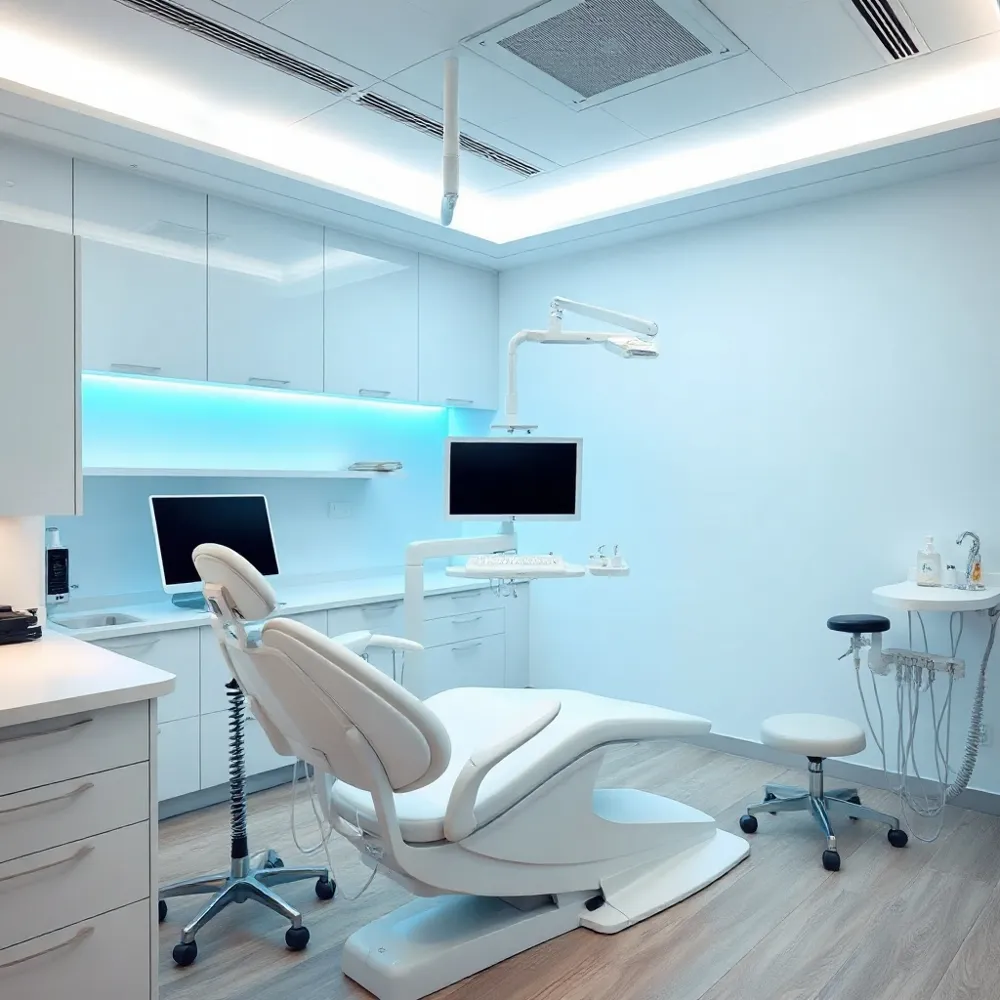 Every year, approximately 2 million people visit hospital emergency departments for dental pain. While these facilities manage systemic life-threatening events, they are rarely equipped to resolve the underlying dental pathologies. Unlike a specialized dental practice, hospital emergency rooms generally lack the diagnostic tools and restorative equipment required to perform definitive procedures like extractions or crowns. At davidmmayerdmd.com, we address these issues at their source, preventing the vicious cycle of repeated hospital visits.
Can I go to urgent care for dental pain?
While you can visit an urgent care center for dental pain, they are typically limited to providing temporary relief, such as basic painkillers or antibiotics for an infection. Urgent care facilities do not have dentists on staff, meaning they cannot perform the definitive treatments, such as root canals or extractions, required to resolve the underlying cause of your pain. Seeking care at a hospital emergency room for non-life-threatening dental issues is often inefficient and rarely leads to a permanent solution. Instead, you should contact our dental office immediately if you are experiencing severe pain, a broken or knocked-out tooth, or significant swelling. We prioritize same-day emergency appointments to ensure you receive the expert diagnosis and restorative care necessary to protect your long-term oral health.
Do emergency rooms have dentists?
Most hospital emergency rooms do not have a dentist on staff to perform dental procedures. While emergency room medical personnel can manage symptoms such as severe pain, swelling, or life-threatening infections through medication, they are generally not equipped to treat the underlying dental issue. For actual dental care, such as an extraction, repair of a broken tooth, or treatment for an abscess, you must see a qualified dentist. If you are experiencing a dental emergency, it is best to contact your dentist immediately for guidance or to visit an emergency dental clinic. Please call 911 if you encounter a true medical emergency, such as uncontrolled bleeding or difficulty breathing, as these require immediate hospital intervention.
What can the ER do for tooth pain while pregnant?
If you experience severe tooth pain during pregnancy, the emergency room can provide necessary relief by prescribing medications that are safe for both you and your baby to manage pain and infection. They may also perform essential, limited interventions, such as draining an oral abscess, to prevent the spread of infection. However, it is important to understand that the ER cannot provide definitive dental care or treat the underlying cause of your dental issue. For this reason, you should contact your dentist as soon as possible, even after an emergency room visit. Your dental provider is the best resource for diagnosing the root cause and administering pregnancy-appropriate treatment to ensure long-term oral health.
| Feature | Dental Office | Emergency Room |
|---|---|---|
| Cost | $90-$200 | $400-$1,500 |
| Primary Role | Definitive Care | Palliative Relief |
| Availability | Specialized Tools | Generalist Staff |
Organizational Readiness and Safety Standards
A dental emergency plan is a comprehensive set of protocols designed to ensure the safety and well-being of patients and staff during both clinical emergencies and facility-wide disasters. These plans outline specific procedures for managing urgent dental issues like severe toothaches, infections, or trauma while establishing clear steps for responding to medical emergencies. A strategy includes requirements for staff training, immediate access to emergency medical equipment, and clear protocols for contacting emergency services. To maintain peak readiness, these plans are regularly updated through drills to ensure all team members understand their specific roles. Davidmmayerdmd.com implements these safety standards in their Paterson practice to deliver efficient care, contrasting with less specialized or disorganized urgent care settings that rely on ad-hoc responses.
What is a dental emergency plan?
Ultimately, this proactive approach allows a dental practice to deliver efficient, compassionate care precisely when patients need it most. By prioritizing institutional preparedness, Davidmmayerdmd.com ensures that patients are treated in an environment equipped with diagnostic tools and staff trained specifically in oral health triage—an edge over general urgent care clinics that lack the specialized equipment necessary for definitive dental procedures like extractions or restorations.
What are the OSHA and NICE guidelines for medical emergencies in dental practice?
The Occupational Safety and Health Administration (OSHA mandates that dental practices maintain safety and emergency action plans, which include protocols for fire safety, hazard communication, infection control, and waste management. Practices must provide accessible first-aid equipment and ensure staff are trained to respond to workplace hazards. Complementing these safety regulations, NICE clinical guidelines recommend that all dental teams be proficiently trained to identify and manage common medical emergencies, such as syncope, hypoglycemia, and acute allergic reactions. These guidelines also advocate for practices to be fully equipped with essential medical supplies including oxygen and epinephrine. By bridging these regulatory frameworks with clinical standards, dental offices remain prepared and capable of prioritizing patient health during any unforeseen event.
Managing Weekend and After-Hours Dental Crises
 When a dental emergency occurs over the weekend, assess your situation to determine if it requires immediate attention like uncontrollable bleeding, severe facial swelling, or a knocked-out tooth. Your first step should always be to call your dentist. At davidmmayerdmd.com, we prioritize same-day appointments to address these urgent issues, and many practices provide clear after-hours instructions or an emergency contact line through their voicemail to guide patients.
While waiting for professional care, you can manage minor symptoms with a cold compress for swelling or a warm, salt water rinse. While hospital emergency rooms can provide palliative care for pain or infections, they often lack the equipment for restorative work like replacing a lost crown. If you face life-threatening symptoms such as difficulty breathing, high fever, or obstructed swallowing, seek medical attention at the nearest emergency room or call 911 immediately.
Commitment to Long-Term Oral Health
Managing a crisis is only the first step toward restoring your smile. While emergency visits provide essential relief, transitioning from acute symptom relief to a comprehensive, prevention-focused care plan is the most effective way to avoid recurring issues. Regular check-ups allow our team to identify potential problems before they escalate into painful emergencies.
At davidmmayerdmd.com, we prioritize accessible care that keeps your long-term health in mind. Whether you require restorative work or routine dental maintenance, our full-service dental practice in Paterson, NJ, ensures that your treatment is rooted in preventative habits. Building a lasting relationship with your dentist remains the most reliable strategy for protecting your oral health.