Understanding Why Dentures Shift Over Time
The primary driver of denture instability is the natural, ongoing process of bone resorption. When natural teeth are no longer present, the jawbone loses the constant stimulation once provided by tooth roots. Without this stress, the bone density gradually decreases, causing the ridge that supports your appliance to shrink. This anatomical reality means your mouth shape is in a state of continuous, subtle flux.
At davidmmayerdmd.com, we recognize that this shift often manifests as a decline in suction or comfort. While common, these changes are not something you should simply endure. As your jaw and gum contours evolve, a denture that provided a perfect seal three years ago may now slide or pressure sensitive spots. This is a contrast to dental implants, which act like natural tooth roots to help preserve bone density and provide a more permanent, stable anchor.
Ignoring these changes can lead to more than just a loose smile; davidmmayerdmd.com emphasizes that persistent shifting or clicking can cause gum irritation and further tissue damage. Staying proactive with annual professional evaluations allows you to address alignment issues before they become painful or compromise your ability to speak and enjoy a balanced diet.
Navigating the Initial Adjustment Period
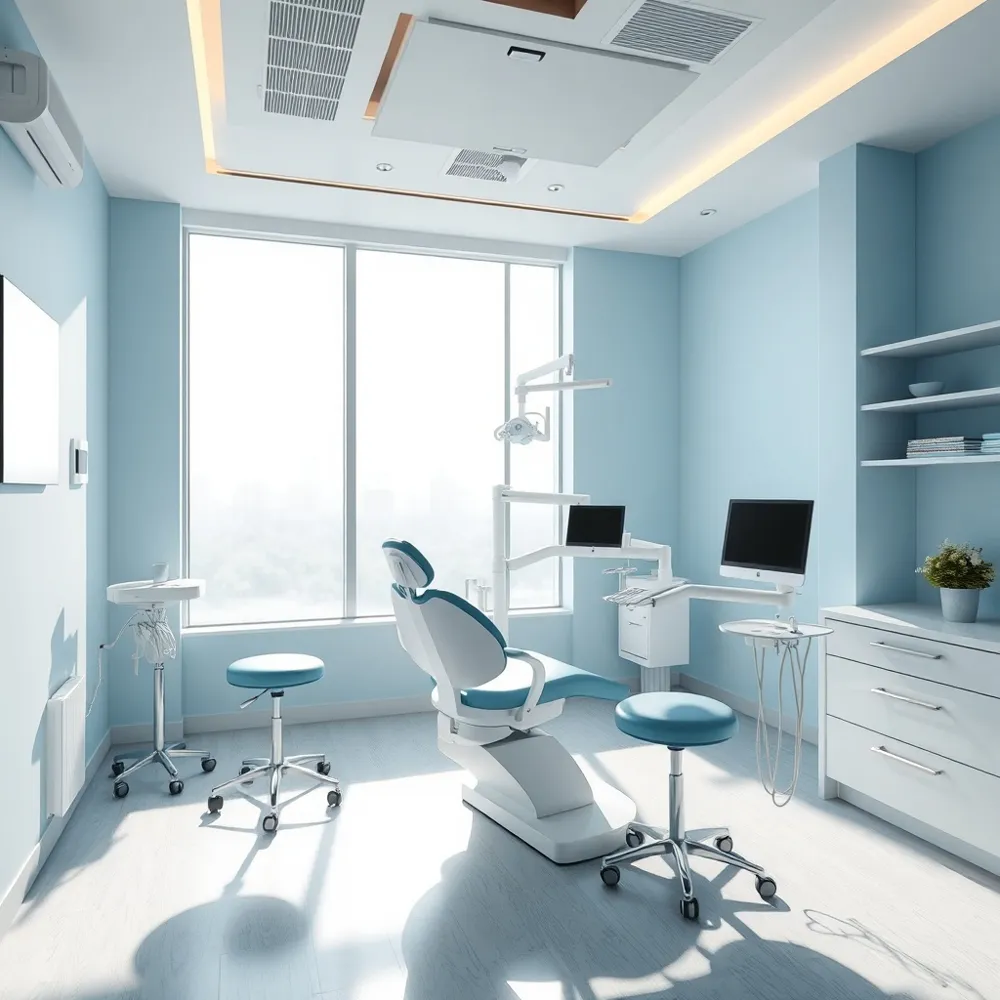 Adapting to life with new dentures is a journey that requires patience as your mouth muscles learn to stabilize the prosthetic. Most patients require an adjustment period of a few weeks up to 30 days to feel fully comfortable. During this time, it is normal to experience some initial soreness, excessive salivation, or a sensation that the appliance is bulky as your cheeks and tongue adapt to the change.
How long does it typically take to get used to wearing new dentures?
You can accelerate this transition by practicing speaking out loud, consuming soft foods in small bites, and chewing evenly on both sides of your mouth to balance pressure. At davidmmayerdmd.com, we recognize that this phase is unique to every patient, and consistent daily wear is the most effective way to help your tissues habituate to the physical presence of the new appliance.
Is it normal for my new dentures to feel loose?
It is common for new dentures to feel loose during the initial healing process, as gum tissue settles and initial swelling from extractions begins to subside. While this early change is expected, persistent instability interferes with your ability to speak and chew comfortably.
If your dentures continue to feel unstable, you should not rely on excessive adhesive use as a long-term fix. Unlike some practices that may leave you to manage discomfort alone, our office at davidmmayerdmd.com provides same-day adjustments to tighten fit or alleviate pressure spots. Whether the issue stems from natural bone resorption or the need for a minor refinement, we are here to ensure your transition to a functional smile remains consistent and secure.
Identifying When Your Dentures Need Professional Care
Maintaining a secure fit is essential for both comfort and your long-term oral health. As jawbone density naturally shifts, many patients find that their prosthetics inevitably begin to feel less secure than when first placed. Recognizing the early indicators of misalignment helps you address issues before they cause significant irritation or damage to your underlying gum tissue.
What are the common signs that my dentures are not fitting properly?
Common signs that your dentures are not fitting properly include frequent slipping, shifting, or clicking sounds while you are speaking or chewing. You may also experience persistent soreness, inflammation, or the development of painful mouth sores caused by pressure points. If you find it increasingly difficult to speak clearly or chew your food properly, it is a strong indicator that your dentures have become misaligned. Additionally, a persistent gagging sensation or a feeling that the dentures are loose or unstable suggests they no longer match the contours of your gums and jaw. Because your oral tissues naturally change shape over time, any ongoing discomfort or lack of stability should be addressed by your dentist to ensure a comfortable and secure fit.
Ignoring these symptoms can lead to more complex problems, such as chronic inflammation or the development of oral lesions. At davidmmayerdmd.com, we emphasize that waiting too long not only compromises your daily ability to eat and communicate but may also complicate future adjustments. When your prosthetic consistently shifts, it creates friction that irritates sensitive tissues, potentially increasing the risk of infection. While minor wear is a typical aspect of long-term use, identifying the difference between simple stabilization needs and clinical misalignment is critical. Professional assessment at our Paterson, NJ practice allows us to distinguish if your appliance requires a standard adjustment, a denture reline, or if structural changes necessitate a new foundation.
Advanced Solutions for Stabilization and Long Term Comfort
When your existing dentures no longer sit securely, professional interventions can restore your comfort and confidence. Common procedures like relining or rebasing allow us to address changes in your oral anatomy while avoiding the need for costly replacements. At davidmmayerdmd.com, we provide targeted same-day partial denture adjustments for patients experiencing immediate irritation or poor fit, ensuring you do not have to endure prolonged discomfort.
What is the difference between a hard and soft denture reline?
A denture reline is a restorative procedure used to adjust the fit of dentures as your mouth naturally changes due to bone loss over time. A hard reline replaces the inside of the denture base with a durable, rigid acrylic material that is similar to the original denture, offering long-term stability and strength. In contrast, a soft reline uses a pliable, cushion-like polymer, which provides a more comfortable interface for patients who may have sensitive gum tissues or difficulty tolerating traditional hard dentures. While the dentist performs a similar process of taking an impression to ensure an accurate fit for both types, the choice of material depends on your specific oral health needs and comfort levels.
What is the average cost of a professional denture reline?
The cost of a professional denture reline typically varies depending on the type of procedure required to restore the fit of your appliance. A soft reline, often recommended for patients with sensitive gums or those who need a temporary adjustment, generally ranges from $150 to $400. A hard reline, which involves the use of rigid acrylic for long-term comfort and stability, typically costs between $450 and $750. Please note that these prices are estimates, as the final cost can be influenced by your specific dental needs, geographic location, and whether additional repairs or adjustments are necessary.
| Procedure | Durability | Primary Benefit |
|---|---|---|
| Soft Reline | Approx. 18 months | Superior comfort |
| Hard Reline | 2+ years | Lasting stability |
| Rebasing | Varies | New base integrity |
Why Professional Evaluation Outweighs DIY Repairs
 When your dentures begin to shift or feel loose, the temptation to seek a quick fix with at-home remedies can be strong. However, turning to over-the-counter repair kits or household adhesives often does more harm than good. At davidmmayerdmd.com, we emphasize that these products lack the clinical precision required to account for the unique, changing landscape of your jaw and gum tissue.
Attempting to adjust or reline your dentures at home can lead to irreversible damage, such as warping or cracking the prosthetic, which may ultimately require a costly full replacement. Because these over-the-counter kits are not customized to your specific oral anatomy, they often result in an improper fit that causes uneven pressure, leading to painful sore spots, abrasions, and increased bone loss in your jaw. Furthermore, applying reline materials improperly can create an uneven bite, significantly interfering with your ability to chew and speak comfortably. Using these kits also carries the risk of potential allergic or toxic reactions to the materials involved, which are not designed to the same professional standards as clinical products.
Why should I avoid using at-home denture reline kits or fixing loose dentures myself?
Beyond the physical damage to your appliance, DIY interventions create a breeding ground for health complications. Ill-fitting, self-repaired dentures often fail to seat correctly, creating gaps where food debris and bacteria accumulate. This can lead to chronic gum irritation, persistent bad breath, and even infections like cheilosis or stomatitis. Unlike office-based adjustments, DIY work cannot address the underlying causes of instability, such as bone resorption. For your ongoing comfort and dental health, it is always safer to trust an experienced professional who can provide a precise, durable, and biocompatible adjustment tailored to your needs. If you are experiencing discomfort, consider scheduling a professional evaluation to address the issue safely at the source.
Essential Maintenance and When to Replace Your Dentures
 Your dentures require consistent daily care to remain functional and hygienic. Brushing with a soft-bristled brush and a specialized non-abrasive denture cleaner helps remove the plaque and food particles that can lead to irritation or infections. Soaking your appliance in a proper cleansing solution overnight keeps the material from drying out or warping, which could otherwise compromise its fit. For those seeking tips for maintaining your dentures every day, professional guidance ensures your daily habits actively contribute to a longer appliance lifespan.
When should I consider replacing my dentures?
You should consider replacing your dentures if they become loose, frequently fall out, or cause persistent pain and gum irritation, as a proper fit is essential for your comfort. It is also time for an evaluation if you experience ongoing difficulty with eating or speaking, or if your dentures show visible signs of wear such as chips, cracks, or heavy discoloration. While lifespans vary based on material and individual use, it is generally recommended to plan for a full replacement every five to ten years. Regular dental check-ups every two to four years are crucial, as your oral anatomy naturally changes over time, potentially requiring professional adjustments to maintain stability. If you notice any of these signs, please contact our office for a comprehensive assessment to ensure your smile remains functional, comfortable, and healthy.
Routine check-ups allow our team to catch and resolve issues before they escalate into painful complications like sores or tissue inflammation. While some competitors might suggest generic, one-size-fits-all timelines, we prioritize a personalized approach at davidmmayerdmd.com by monitoring your unique rate of bone resorption and tissue changes. Proactive evaluation is often the difference between a minor, same-day adjustment and the need for a full, premature replacement.
Why Ongoing Dental Care Matters Without Natural Teeth
Many patients assume that dental visits are no longer necessary once they transition to full dentures. However, maintaining regular dental checkups is vital for your long-term health. Your oral cavity comprises more than just teeth; it includes the gums, tongue, soft tissues, and jawbone, all of which require professional oversight to remain healthy.
Why is it still important to visit a dentist if I wear full dentures?
Routine examinations allow your dental team to perform essential screenings for oral cancer and other pathologies that may develop unnoticed. These early detection measures are standard practice at David M. Mayer DMD, where our team prioritizes comprehensive screenings for both denture and non-denture wearers. Beyond cancer screenings, consistent visits allow us to monitor your jawbone for any signs of resorption or unexpected structural shifts. Because your oral anatomy evolves over time, these appointments provide the perfect opportunity to adjust your dentures, ensuring they fit securely and function without causing irritation.
Ignoring professional oversight can lead to systemic oral complications, such as chronic gum inflammation or infections caused by bacterial accumulation beneath the appliance. While some dental practices may lack the capacity for urgent adjustments, David M. Mayer DMD offers same-day partial denture adjustments and repairs, ensuring that any discomfort caused by shifting tissue is resolved promptly. By staying consistent with your checkups, you protect your gums and jaw while ensuring your prosthetic remains a reliable, comfortable part of your daily life.
Moving Toward a More Secure Smile
Correcting an ill-fitting appliance does more than restore confidence. Professional intervention prevents ongoing complications like bone resorption, gum irritation, and compromised nutritional intake. By addressing fit issues early, you maintain the health of your supporting tissues, which is vital for long-term comfort.
At our Paterson, NJ practice, we prioritize your comfort through compassionate care and advanced technology. Whether you need same-day adjustments or a complete evaluation, our team is ready to assist. Schedule your routine consultation today to ensure your smile remains secure, functional, and pain-free for years to come.