Healthy Smiles Start with a Well-Fitting Denture
Dentures are restorative choices for patients who want to regain both confidence and eating function. While these prosthetics improve quality of life, they often present initial challenges that require patience and professional guidance. Understanding your appliance is key to long-term oral health.
This article explores how to manage common issues, including denture fit, persistent gum soreness, and necessary adaptations for speech or chewing. At davidmmayerdmd.com, our team prioritizes efficient, compassionate solutions like same-day dental repairs to keep your smile comfortable and secure.
Adapting to Life with New Dentures
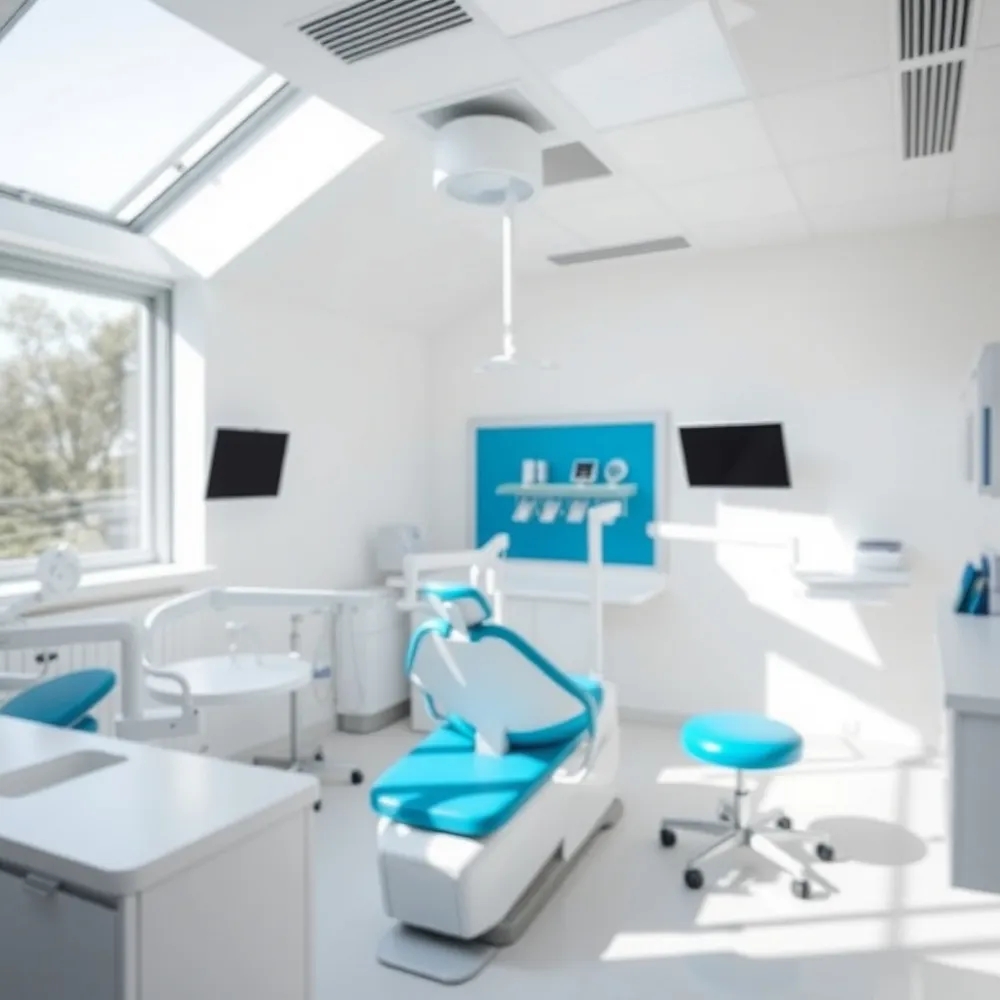 Getting new dentures is a significant transition, and it is normal to experience an initial adjustment period lasting roughly two to four weeks. During this time, your tongue, gums, and facial muscles are actively learning to coordinate with the new appliance. Many patients initially report a feeling of crowding or increased saliva, and mild soreness can occur as your tissues habituate to the physical presence of the prosthesis.
- Practice speaking by reading aloud or singing in private to help your tongue adjust to the new oral contours.
- Begin your dietary transition by choosing soft foods cut into small, manageable pieces.
- Chew symmetrically on both sides of the mouth to maintain stability and prevent the dentures from dislodging.
- Wear your dentures consistently as instructed by your dental team to help your facial muscles adapt more efficiently.
While brief periods of discomfort are expected, persistent pain or piercing irritation are not normal and should not be ignored. If you find yourself struggling with ongoing soreness or a poor fit, it is important to visit davidmmayerdmd.com for a professional assessment. Our team can perform same-day dental repairs to refine the fit of your appliance, as even minor adjustments can significantly improve your daily comfort and long-term oral health.
Proper maintenance is equally vital for a smooth transition. Always remove your dentures at night to let your gums rest and recover, which helps prevent denture stomatitis—a common fungal infection. By following these care steps and staying proactive with follow-up appointments, you can expect to regain your chewing function and speak with confidence much sooner than expected.
Why Dentures Become Loose Over Time
 The most common reason for loose dentures is a change in the shape of your jawbone due to natural biological processes. Once natural teeth are removed, the surrounding bone no longer receives the stimulation it requires to maintain its density, leading to a process known as bone resorption where the jawbone begins to shrink. This structural change means the foundation for your appliance gradually alters, causing it to lose its initial snug fit.
Several factors can accelerate this loosening process. Weight fluctuations of 5 to 10 pounds can impact the soft tissues of the mouth, complicating the retention of your prosthesis. Furthermore, wearing your appliances 24/7 prevents the gum tissue from resting, which accelerates bone loss and creates a mismatch between your anatomy and the base of the denture. Because of these cumulative changes, most experts recommend professional inspection and potential relining or replacement every 5 to 10 years to ensure continued function.
At davidmmayerdmd.com, our team observes that many patients mistakenly believe their repair needs are purely mechanical. While traditional dentures do require maintenance like same day dental repairs, the underlying issue often stems from the natural atrophy of the mouth. Seeking professional assessment instead of attempting DIY denture repair is vital, as improper home modifications can lead to permanent distortion of the acrylic base and further complicate the professional fitting process.
Professional Solutions for Loose Dentures
When dentures become unstable, effective intervention requires a precise diagnosis by a dental professional. Addressing looseness quickly is vital to prevent ongoing tissue irritation. At davidmmayerdmd.com, we evaluate the underlying cause of fit issues to determine the appropriate remedy, as ignoring these signs can lead to more serious complications like denture stomatitis or chronic sore spots.
What professional options exist for repairing or stabilizing loose dentures?
Dentists offer several clinical pathways to restore a secure fit. A relining procedure adds material to the inner surface of the denture to improve the seal against your gums. If the base has significant structural wear, a rebase replaces the entire denture base while keeping the existing teeth. For individuals seeking a more long-term solution, implant-supported dentures provide superior stability by anchoring the prosthetic into the jawbone, which also helps mitigate further bone resorption.
What steps should I take if my dentures feel loose or uncomfortable?
If you notice slipping, clicking noises, or localized discomfort, avoid the temptation to use at-home fixes. DIY kits often involve harmful materials that can permanently warp your appliance and complicate future professional repairs. For partial dentures, we can often adjust the metal clasps to boost retention. If you are experiencing persistent changes in how your restoration feels, schedule a professional evaluation to ensure your full or partial dental repairs return your smile to its intended level of function.
Soothing Sore Gums and Irritated Tissues
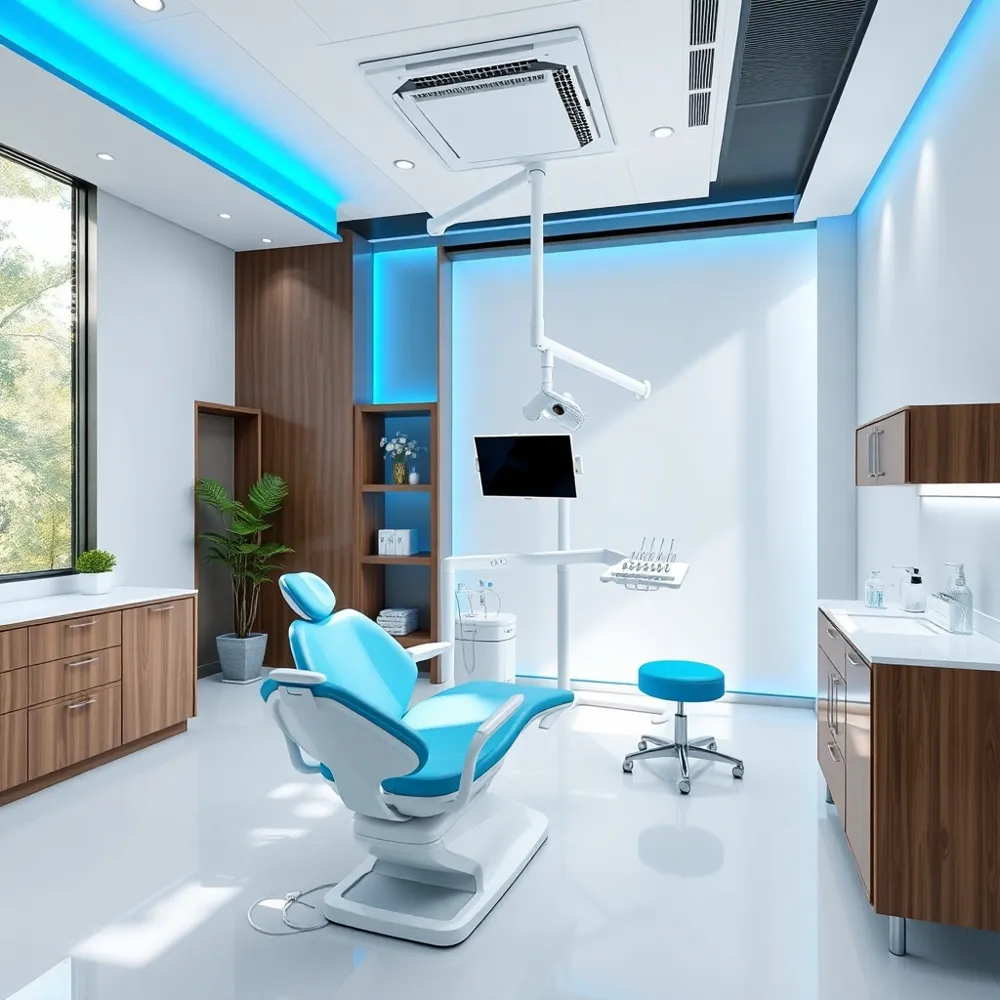 Adjusting to a new prosthesis frequently involves managing initial soft tissue discomfort. Soreness often originates from overextended borders, rough spots on the appliance, or an incorrect bite that exerts uneven pressure on your gums. At davidmmayerdmd.com, we focus on precise adjustments that eliminate these pressure points immediately, a step that is essential to prevent chronic inflammation unlike the temporary relief provided by generic store-bought pads.
How should I treat sore gums caused by wearing dentures?
To manage sore gums, the most vital practice is removing your appliance every night to provide your tissues the necessary time to rest, breathe, and recover. For temporary relief, you can apply an over-the-counter anesthetic gel containing benzocaine or use a cold compress on the outside of your cheek to reduce swelling. Rinsing your mouth several times a day with a mixture of warm water and a teaspoon of salt can clean the area and lower inflammation. If the discomfort persists despite these efforts, it may suggest an ill-fitting appliance that requires a professional relining to restore stability.
Persistent redness, swelling, or white patches on the gums can indicate denture stomatitis, a fungal infection caused by Candida albicans. This condition often thrives when dentures are worn continuously without proper cleaning or when they no longer fit the changing contours of your jawbone. Maintaining hygiene through daily thorough cleaning and nightly soaking is the primary prevention strategy. If you notice signs of this infection, our clinical team at davidmmayerdmd.com can provide professional treatment, which may include topical antifungal medications or specialized adjustments to prevent further microbial growth.
Common Speech and Eating Challenges
Adapting to new dentures initially impacts how you form words. A whistling sound on 'S' usually indicates insufficient tongue space between the upper bicuspids, while a lisp occurs when there is excessive space. Clicking sounds during speech often signify a loose or ill-fitting appliance that requires professional stabilization.
- Practice speaking by reading aloud or singing in private to help your tongue muscles adapt to the new appliance.
- Include soft foods in your diet and cut items into small, manageable pieces to ease the transition.
- Chew food symmetrically on both sides of your mouth to maintain stability and prevent the denture from shifting.
If you experience movement while chewing, it may stem from overextended borders or contact with the coronoid process during jaw motion. At davidmmayerdmd.com, precision adjustments can resolve these stability issues. Persistent issues, or signs of denture stomatitis, always warrant a professional examination to prevent long-term tissue irritation.
Denture Repair: What Can Be Fixed and How Fast
When your appliance sustains damage, such as a cracked base, a chipped tooth, or a bent clasp, professional intervention is vital to restore your bite and oral comfort. Unlike standard dental repairs that may require sending pieces to an off-site facility, our practice excels in efficient, same-day denture repair services for many common structural issues.
What is the typical timeframe for professional denture repair?
Professional denture repairs can often be completed efficiently, frequently within a few hours or on the same day. Because dentists understand that a broken appliance affects your ability to eat and speak, they prioritize these repairs to minimize your discomfort. While minor chips or cracks can typically be addressed quickly, more complex damage may require a longer assessment to ensure the structural integrity of your dentures. It is important to avoid DIY repair kits or superglue, as these can cause irreparable damage and complicate the professional restoration process. If your dentures have been damaged, contact our office promptly so our team can evaluate the issue and restore your appliance as quickly as possible.
While we strive to preserve your current prosthetics, there are instances where replacement is more cost-effective than patching repeated fractures. If your appliance has suffered chronic damage, cumulative wear may compromise the material's integrity or aesthetic finish. If you are experiencing soreness or difficulty eating despite previous repairs, an assessment can determine if a new, properly fitted device offers better long-term value. We also prioritize managing denture stomatitis and other tissue complications that often arise when appliances become loose, ensuring that every repair or adjustment supports your overall oral health.
| Issue | Repair Status | Recommended Action |
|---|---|---|
| Small crack | In-office | Contact office |
| Broken tooth | In-office/Lab | Professional assessment |
| Bent clasp | In-office | Pro adjust |
| Severe wear | Replacement | Consult dentist |
Daily Care to Maximize Denture Life
Establishing a consistent hygiene routine is essential for maintaining the integrity of your prosthesis and supporting long-term oral health. You can find guidance on these essential denture care and maintenance for longevity and oral health protocols at davidmmayerdmd.com. Proper cleaning involves using a soft-bristled brush to remove food particles and film that collect on the appliance daily.
When brushing, always use a dedicated cleaner, mild hand soap, or dishwashing liquid. You must never use regular toothpaste, as it contains abrasive ingredients that can scratch the delicate surface of your dentures over time. To avoid accidental damage during cleaning, consider placing a towel in the sink or filling it with water to provide a cushion if the appliance slips from your hands.
Daily care extends beyond the appliance itself. It is important to brush your gums, tongue, and the roof of your mouth with a soft brush or cloth to stimulate circulation and remove bacteria. Consistent daily brushing with soft brush and non-abrasive cleaner prevents the buildup of stains and odors.
Storage and temperature play a significant role in comfort. Always soak your dentures overnight in water or a dentist-approved solution to keep them moist and prevent warping. Avoid hot water, bleach, or boiling temperatures, as these can permanently discolor the base and compromise the fit. If you notice signs of denture stomatitis, such as redness or irritation, contact a professional to inspect your cleaning methods and appliance integrity.
Regular dental checkups ensure that your appliance remains comfortable as your mouth structure naturally changes. These visits allow for professional inspection of your fit, preventing the need for more complex corrective procedures later.
Your Path to a Comfortable, Confident Smile
Most challenges with removable prosthetics are entirely solvable through timely professional intervention. Ignoring persistent discomfort or instability often leads to more significant complications, such as denture stomatitis, a common fungal condition caused by prolonged irritation. Avoiding DIY fixes remains vital, as they frequently damage the appliance and hinder corrective efforts.
At davidmmayerdmd.com, we prioritize your long-term oral health by offering professional same-day dental repairs and precise adjustments. Investing in regular maintenance ensures your transition remains comfortable and your bite stays secure. We encourage you to schedule an evaluation with our experienced team to restore the comfort and function of your smile.