Understanding the Vital Role of Immediate Dental Care
Overview of Dental Emergencies
Dental emergencies involve sudden issues that cause severe pain, trauma, or risk of infection. Common examples include severe toothaches, knocked-out or broken teeth, lost fillings or crowns, uncontrolled bleeding, abscesses, and swelling. Prompt care is essential to address these problems effectively and to prevent escalation.
Importance of Timely Intervention
Seeking immediate dental care ensures rapid pain relief and reduces the risk of infections spreading beyond the oral cavity, which can lead to serious systemic health complications. Early treatment preserves natural teeth, prevents further damage, and often avoids more invasive and costly procedures such as extractions or surgery.
Types of Dental Issues Benefiting from Emergency Care
Dental problems requiring urgent attention include severe tooth pain indicating decay or abscess, trauma-related injuries like chipped, fractured, or knocked-out teeth, and infections causing swelling or pus formation. Additionally, bleeding that does not stop and damaged dental restorations need prompt treatment to restore oral function and prevent infection.
Key Facts on Emergency Dental Care Benefits and Services
- Emergency dental care provides rapid pain relief through treatments like pain management, fillings, and extractions to minimize daily life disruption.
- Immediate treatment within 30 to 60 minutes is critical to save knocked-out teeth and increase reimplantation success.
- Prompt emergency dental interventions prevent the spread of infection, protecting overall health and reducing serious systemic risks.
- Same-day appointments and extended hours help reduce patient stress and anxiety by providing quick access to care.
- Early emergency dental care helps avoid costly and invasive procedures like root canals, implants, or dentures.
- Emergency dentists use advanced diagnostic tools like digital X-rays and 3D imaging for fast, precise assessment.
- Comprehensive treatment plans address both urgent needs and long-term oral health preservation in a single visit when possible.
- Common reasons for dental care include preventive cleanings, tooth damage, gum disease, and severe toothaches requiring immediate attention.
- Urgent care centers offer initial symptom relief but lack equipment and expertise for definitive emergency dental treatments.
- Patients requiring complex procedures like tooth reimplantation or abscess drainage are referred to emergency dentists for specialized care.
1. Rapid Pain Relief Prevents Daily Life Disruption
What is included in emergency dental care?
Emergency dental care typically involves various treatments aimed at alleviating severe toothache emergency quickly, such as pain management, dental fillings, and extractions. These interventions address urgent issues like broken or fractured teeth care, severe toothaches, or infections that threaten oral health.
Severe toothaches as dental emergencies
Severe toothaches are a common and significant dental emergency that can disrupt daily activities, including sleep, eating, and working. They often indicate underlying issues like deep decay, abscesses, or fractures that require immediate intervention to prevent worsening conditions.
Impact of immediate pain management
Prompt pain relief during a dental emergency prevents the escalation of discomfort and limits the risk of infection spreading. It also helps patients regain normal oral function and reduce stress and anxiety associated with intense dental pain.
Methods emergency dentists use for fast relief
Emergency dentists utilize advanced diagnostic tools such as digital X-rays in emergency dentistry to quickly assess the problem. Treatment options include administering local anesthesia, performing root canals, placing temporary or permanent fillings, or extracting severely damaged teeth to provide swift pain relief.
By integrating these approaches, emergency dental care not only addresses pain but also stabilizes the patient's oral health, ensuring a return to daily life with minimal interruption.
2. Preserving Natural Teeth Through Immediate Treatment
Knocked-Out Teeth and Critical Treatment Window
In cases where a tooth is knocked out due to trauma or an accident, immediate dental care is essential. The chance of saving the original tooth significantly decreases after an hour, making prompt care within 30 to 60 minutes critical to improving reimplantation success. Patients should handle the tooth by the crown, avoid scrubbing it, and keep it moist in milk or saliva until emergency dental services availability.
Reimplantation Success with Same Day Care
Emergency dentists specialize in the rapid assessment and treatment of knocked-out teeth. With advanced tools like digital X-rays and intraoral cameras for diagnosis and expert techniques, same-day emergency dental procedures greatly increase the likelihood of successful tooth reimplantation. Timely intervention helps stabilize the tooth, prevent infection, and restore natural function, avoiding the need for complex restorative procedures later.
Prevention of Extensive Procedures Like Implants
By preserving natural teeth with urgent care, patients can often avoid expensive and invasive treatments such as dental implants, bridges, or dentures. Emergency dental care services for fractures, abscesses, or other acute issues also prevents progression to severe damage or infection that would require extractions and replacement options.
Will an emergency dentist extract a tooth?
Yes. When a tooth is beyond repair due to severe damage, infection, or unmanageable pain, emergency dentists promptly perform extractions to relieve discomfort and prevent further health risks. Extraction decisions are made with patient well-being in mind, using advanced emergency dental equipment and treatments. However, saving the tooth is always the priority when possible, with careful planning and same-day care to maximize preservation.
Rapid emergency dental treatment plays a vital role in maintaining oral health by preserving as many natural teeth as possible, reducing pain, and avoiding more extensive future treatments. Patients experiencing dental trauma or severe symptoms should seek urgent dental care best practices to optimize outcomes.
3. Preventing Infection Spread and Serious Health Risks
Role of emergency care in infection control
Emergency dental care plays a crucial role in controlling infections that originate from dental emergencies such as abscesses, severe tooth decay, or trauma. Prompt treatment by emergency dentists involves draining abscesses, prescribing antibiotics, and performing necessary procedures like root canals or extractions to stop infection at its source. This intervention prevents bacteria from spreading locally or entering the bloodstream, which can lead to life-threatening conditions.
Risks associated with delayed treatment
Delaying Emergency dental situations can significantly increase the risk of complications. Untreated dental infections may intensify, causing severe pain, swelling, and tissue damage. Worse, oral bacteria can spread beyond the mouth, potentially leading to systemic health issues such as sepsis, cardiovascular complications, or brain abscesses. Prolonged infections may also result in permanent tooth loss and necessitate costly and invasive treatments later.
Dental abscesses and systemic health links
Dental abscesses represent serious infections characterized by pus formation around the tooth root or gums. If untreated, these infections pose a direct threat not only to oral structures but also to overall systemic health. Infections from abscesses can spread through the bloodstream, increasing risks for heart disease, diabetes complications, adverse pregnancy outcomes, and even neurological conditions such as dementia. Emergency dental care provides timely intervention to drain infections, control symptoms, and prevent such systemic risks.
Prioritizing immediate Emergency dental care for infections and abscesses is essential for safeguarding both oral health and general well-being. Early treatment minimizes health risks, prevents irreversible damage, and supports prompt recovery.
4. Convenient Access Reduces Stress and Anxiety
Same-day appointments and after-hours availability
Access to same-day emergency dental care plays a significant role in minimizing patient stress during dental emergencies. Many emergency dental practices offer same day emergency dental treatment appointments on the same day and extend their hours to evenings, weekends, and holidays. This broad availability ensures that patients do not have to endure prolonged pain or uncertainty while waiting for treatment. The ability to receive prompt care helps prevent worsening of dental issues and reduces the burden of managing complications on one's own.
Reducing anxiety through compassionate care
Dental emergencies often cause not only physical discomfort but also considerable psychological distress. Recognizing this, many emergency dentists prioritize compassionate care to help ease patient anxiety. A caring and understanding environment fosters comfort and trust, helping patients cope with fear or nervousness related to dental problems. Emergency dental professionals often provide calming support during treatment, which can alleviate emotional distress and improve overall experience.
Peace of mind from knowing immediate help is available
Knowing that immediate, reliable dental care is accessible during crises provides patients with essential peace of mind. This assurance reduces feelings of helplessness and stress associated with unexpected dental pain or injuries. Being prepared with contact information for a trusted emergency dentist and having access to timely treatment options empowers patients to face dental emergencies confidently and promotes better psychological well-being throughout the urgent care process.
5. Avoiding Costly and Invasive Treatments Through Prompt Care
How early treatment can prevent complex procedures
Prompt Emergency dentist benefits plays a crucial role in stopping dental problems from escalating into more severe conditions that require complex treatments. Early intervention for issues such as Treatment for broken or chipped teeth, abscesses, or deep decay helps avoid procedures like root canals, extensive restorations, or extractions. For example, receiving care within the critical first hour when a tooth is knocked out greatly increases the chance of successful reimplantation, preserving the natural tooth and preventing future tooth loss.
Financial benefits of same-day emergency dentists
Seeking care from same-day emergency dentists offers significant financial advantages by addressing dental problems before they worsen. Emergency visits to dental specialists are typically less expensive than costly hospital emergency room treatments, which often provide only temporary relief without definitive dental repair. Early treatments reduce the need for invasive procedures such as implants or dentures, lowering overall healthcare expenses. Many emergency dental clinics also provide flexible payment plans and accept various insurance plans, making urgent care more accessible and affordable.
Preventing tooth loss and extensive restorations
Timely emergency dental treatment safeguards oral health by preventing tooth loss that results from untreated trauma or infection. Saving natural teeth through prompt action spares patients from extensive restorative work including crowns, bridges, or implants, all of which are more invasive and expensive. Repairing minor damages quickly—such as Lost fillings or crowns—helps maintain tooth integrity and function, supporting overall oral health and preserving a patient's confident smile.
By prioritizing swift access to emergency dental care, individuals can avoid the physical, emotional, and financial burdens associated with delayed treatment, maintaining both oral health and well-being.
6. Expert Care Tailored to Urgent Dental Needs
Specialized emergency dental services
Emergency dental care is delivered by professionals with specialized training and expertise designed to address a wide range of urgent oral health issues. These services include treatment for Severe toothache treatment, Broken or fractured teeth care, Knocked-out tooth emergency care, dental infections such as Abscess and infection dental treatment, Lost fillings and crowns repair, and even orthodontic emergencies. By catering specifically to dental emergencies, these specialists ensure rapid relief and prevent complications that can arise from delayed care.
Use of advanced diagnostic technology
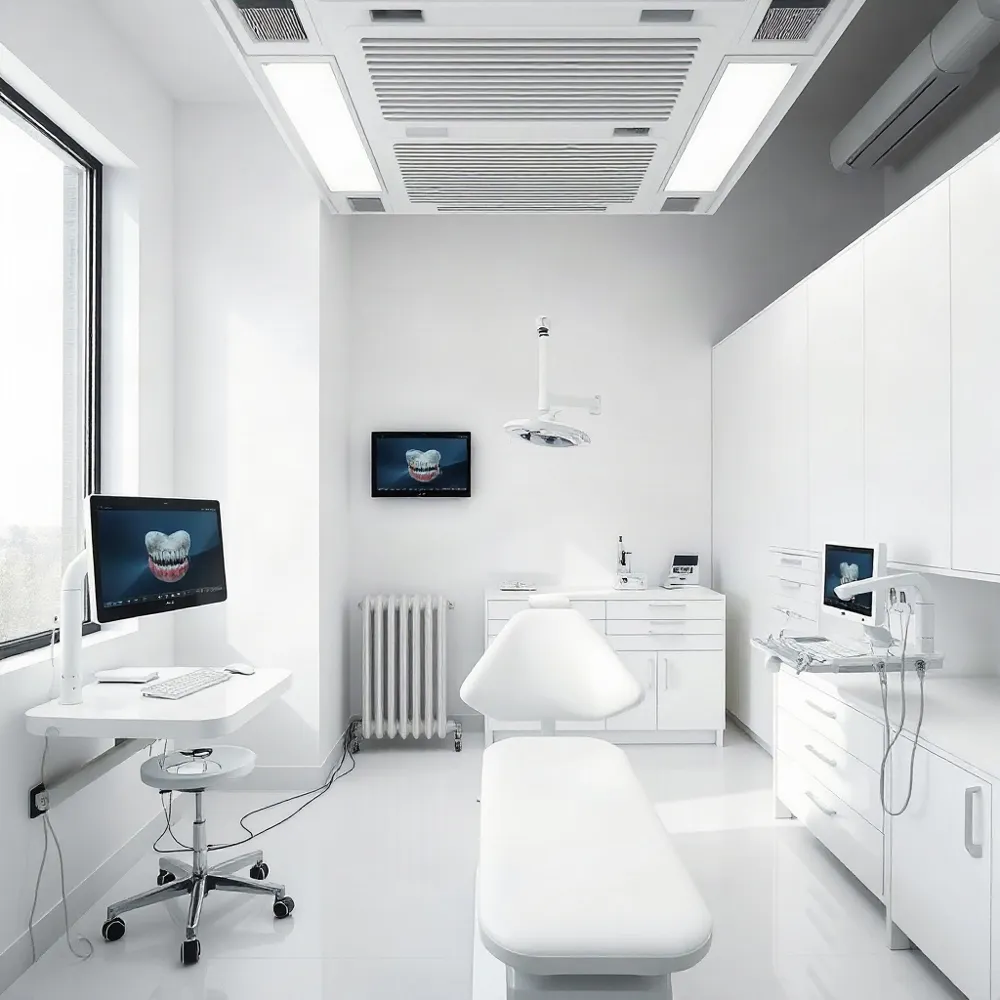
Modern emergency dental practices utilize cutting-edge diagnostic tools to enhance accuracy and speed in assessing conditions. Digital X-rays in emergency dentistry and 3D imaging technologies enable dentists to visualize tooth and bone structures with precision, facilitating immediate diagnosis during emergency visits. These technological advances support efficient treatment planning and improve outcomes by allowing dentists to detect hidden problems and tailor care accordingly.
Comprehensive treatment plans for emergencies
Emergency dental practitioners deliver care based on individualized treatment plans that address both immediate needs and long-term oral health preservation. This may include interventions such as tooth re-implantation, root canal therapy, drainage of abscesses, temporary or permanent restorations like fillings or crowns, and management of infections with antibiotics. The goal is to relieve pain promptly, prevent further damage and infection, and restore oral function, often within a single visit. This comprehensive approach ensures patients receive effective, tailored care during urgent dental situations.
Common Reasons Patients Seek Dental Care
What are four common reasons a patient might seek dental care?
Patients typically seek dental care for several primary reasons. First, preventive cleanings are essential to maintain healthy teeth and gums and to catch early signs of dental emergencies before they worsen. Second, treatment of tooth damage caused by cavities or trauma often requires restorative procedures like fillings or crowns to protect the tooth structure.
Third, gum problems such as gingivitis or more advanced periodontal disease prompt patients to seek professional care to manage and prevent further complications. Fourth, patients experience severe toothaches resulting from infections, enamel erosion, or sensitivity, necessitating immediate attention to relieve discomfort and address the underlying cause.
Beyond these, many individuals visit the dentist to fix missing or cracked teeth through restorations such as crowns, fillings, or implants.
Early detection and prompt care during routine visits play a critical role in preventing minor concerns from developing into severe problems, thereby preserving not only oral comfort but also a healthy smile and overall well-being.
Role and Limitations of Urgent Care Centers in Dental Issues
What can urgent care centers do about dental issues?
Urgent care centers offer initial assessment and symptom management for dental problems when emergency dental care is unavailable. They focus on stabilizing urgent symptoms like severe toothaches, persistent oral bleeding, and soft tissue injuries through pain medications and basic wound care. This approach helps control pain and prevents complications while patients await dental appointments.
Limitations compared to dental offices
Unlike dental offices, urgent care centers generally lack specialized equipment and training for definitive dental procedures. They do not provide treatments such as tooth reattachment, restoration of fillings or crowns, or root canal therapy. Severe dental emergencies—including knocked-out teeth, dental abscesses, or jaw fractures—are beyond their scope and require specialized dental intervention.
Referral importance for definitive dental treatment
Urgent care centers often serve as a critical initial contact point by offering temporary relief and stabilizing patients. However, they usually refer patients to dental specialists or hospital emergency departments for comprehensive and definitive dental care. Prompt follow-up with an emergency dentist ensures accurate diagnosis, targeted treatment, and prevention of further oral health deterioration.
In summary, urgent care centers provide valuable immediate assistance for dental complaints but cannot replace the expertise and treatments offered by emergency dentists. Access to emergency dental services remains essential for proper management of urgent dental health issues.
The Transformative Impact of Same Day Emergency Dental Care
Rapid Relief and Prevention
Same day emergency dental care offers immediate relief from severe pain caused by toothaches, broken teeth, infections, and other urgent oral issues. By providing timely treatment, it prevents minor dental problems from escalating into severe complications such as abscesses, nerve damage, or tooth loss.
Preservation of Natural Teeth
Prompt intervention increases the likelihood of saving natural teeth, especially in cases of knocked-out teeth or fractures. Treatments like reimplantation and restoration are more successful with early dental attention, reducing the need for invasive procedures.
Convenience and Accessibility
Emergency dental services are often available outside regular office hours, including weekends, ensuring patients can access quality care when unexpected issues arise. State-of-the-art technology allows for accurate diagnosis and effective management in a single visit.
Encouragement to Act Quickly
Dental emergencies should never be ignored or delayed. Immediate contact with an emergency dentist can alleviate pain, minimize infection risks, and protect both oral and systemic health.
Supporting Overall Health
Timely emergency care reduces the spread of infections that may affect broader health, including cardiovascular conditions and diabetes. Maintaining oral health through emergency services supports overall well-being and quality of life.