Embracing Efficiency in Modern Dentistry
Dental restoration has undergone a significant transformation, moving away from prolonged procedures toward modern, patient-centered approaches. Historically, restoring a damaged or decayed tooth required a multi-visit workflow, often involving uncomfortable physical putty impressions and the use of temporary crowns that were prone to shifting or breaking during the waiting period. Today, advancements in dental technology allow for faster, more predictable patient outcomes.
At the forefront of this evolution is Chairside Economical Restoration of Esthetic Ceramics, commonly known as CEREC. By integrating CAD/CAM technology directly into the office, dentists can design, fabricate, and place custom crowns in a single appointment. This efficiency means that patients at davidmmayerdmd.com can often complete their entire restoration in under two hours, eliminating the need for return visits for permanent seating. By focusing on precision and comfort, these same-day dental crowns help preserve more natural tooth structure while ensuring a seamless, durable fit that supports long-term oral health.
Understanding the Necessity of Dental Crowns
 Dental health relies on the protective strength of natural tooth structure, but when that foundation is compromised, professional intervention becomes essential. Clinical reasons for crowns include extensive decay, deep fractures, or a history of large fillings that no longer adequately support the tooth. In cases such as these, a crown acts as a protective shield, encasing the vulnerable tissue to prevent further structural loss and guard against bacterial invasion that can lead to deeper infection.
Why do dentists recommend dental crowns?
Dentists recommend dental crowns to restore the shape, size, strength, and appearance of a tooth that has been severely damaged, decayed, or weakened. By capping the tooth, crowns provide essential protection against further structural loss while shielding sensitive inner layers from bacterial infection and discomfort. Beyond their restorative functions, crowns are highly effective for cosmetic improvements, allowing dentists to correct misshapen teeth, close gaps, and enhance the overall symmetry of your smile. The procedure is straightforward and non-surgical, making it a reliable solution for restoring full chewing functionality. Once placed, crowns are remarkably easy to maintain with standard brushing, flossing, and regular dental checkups, ensuring long-term oral health.
Following post-root canal reinforcement, a tooth often becomes brittle, necessitating a crown to distribute biting forces evenly and prevent catastrophic fractures. At davidmmayerdmd.com, we evaluate the specific integrity of your remaining tooth to determine if a crown provides the necessary long-term stability. While some restorative methods only address surface issues, a crown preserves enough of the healthy natural structure to remain functional for years, providing a balance between protective durability and aesthetic restoration.
The Same-Day Crown Workflow and Technology
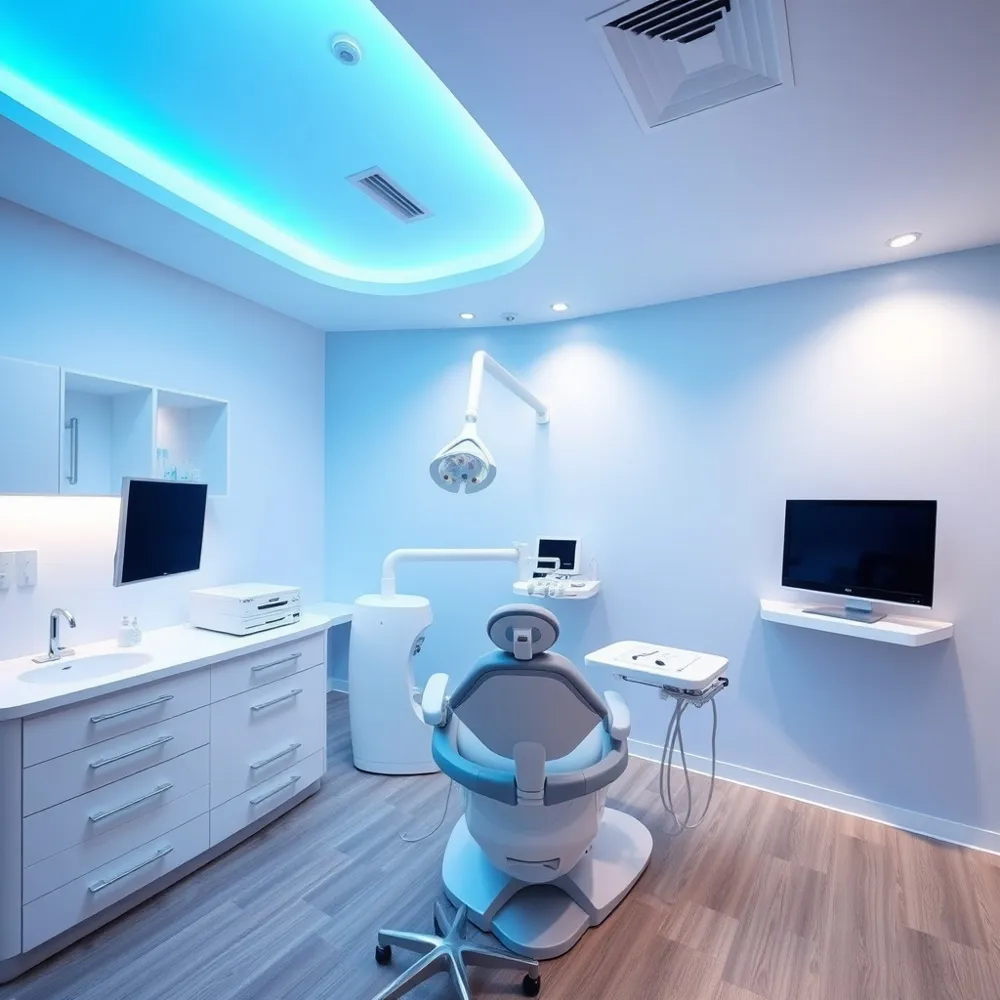 Same-day dental crowns utilize advanced CAD/CAM technology to restore damaged teeth in a single visit, eliminating the need for temporary crowns and multiple appointments. At davidmmayerdmd.com, patients benefit from the precision of digital scanning, which captures high-fidelity 3D images of the tooth to replace uncomfortable traditional putty impressions. This digital precision is a marked improvement over conventional methods that rely on physical trays often associated with gag reflexes or inaccurate fits.
What is the procedure for same-day dental crowns, and how do they function?
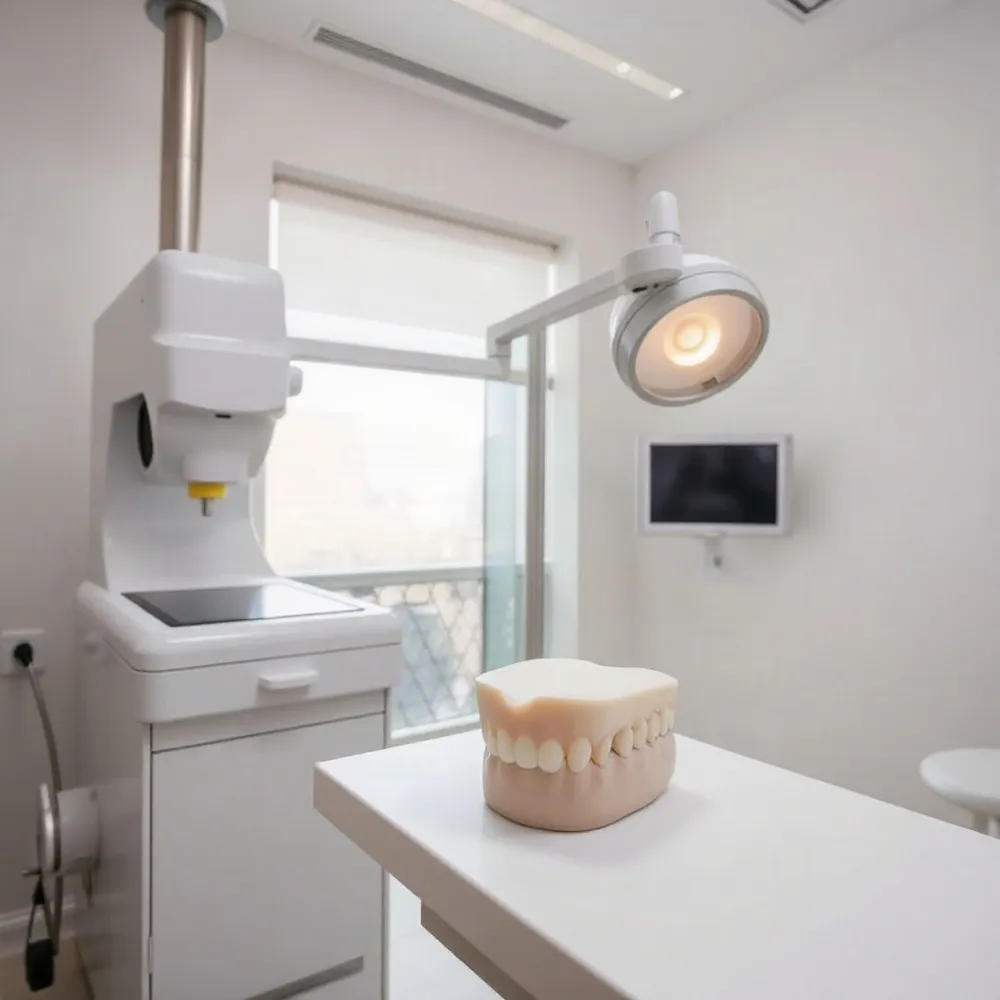
The restorative process begins with an intraoral scanner, which generates a detailed digital model of the tooth. Specialized software allows the dentist to customize the restoration’s shape, size, and bite alignment with exact mathematical accuracy. Once the design is finalized, an in-office milling machine carves the permanent crown from a high-quality ceramic or zirconia block, a process that typically takes 15 to 20 minutes. This on-site fabrication enables a seamless transition from preparation to final bonding in a single appointment, as described in the same-day crown workflow.
Does the process of getting a dental crown involve pain?
The procedure is performed under local anesthesia, ensuring that the patient feels little to no discomfort during the initial tooth preparation. Many patients find the same-day approach at davidmmayerdmd.com significantly more comfortable than traditional workflows. By removing the need for temporary crowns, which can sometimes become loose or cause gum sensitivity, this technology provides a cleaner, more efficient path to a restored smile.
Evaluating Material Longevity and Structural Performance
Selecting the right foundation for your restoration involves balancing aesthetic goals with mechanical requirements. At davidmmayerdmd.com, we utilize advanced materials that emulate the translucency of natural enamel while providing the necessary support for daily function. Unlike traditional crown procedures that may rely on metal cores, modern ceramic and zirconia options offer a more lifelike appearance without sacrificing structural integrity.
What materials are used for dental crowns?
Dental crowns are crafted from several high-quality materials, each selected based on durability, aesthetics, and the specific needs of your smile. Options include porcelain and ceramic, which are popular for their ability to perfectly mimic the color and translucency of natural teeth. Zirconia is also frequently used for its exceptional strength and resistance to fracture, making it an excellent choice for back teeth. While less common today, gold or metal alloys remain an option for their superior longevity and minimal wear on opposing teeth. Our dental team will discuss these options with you to determine the best material to restore your oral health and provide a comfortable, long-lasting result.
How long can I expect a dental crown to last?
On average, dental crowns last between 10 and 15 years, though many remain fully functional for even longer with excellent care. The total lifespan depends largely on the material chosen, such as durable metal alloys which can last over 20 years, versus porcelain, which is often preferred for its natural, aesthetic appearance. Other significant factors include your specific bite force, the location of the tooth, and whether you experience teeth grinding. You can maximize the longevity of your crown by maintaining a consistent oral hygiene routine, scheduling biannual check-ups, and wearing a nightguard if necessary. Should you notice any sensitivity, discomfort, or changes in your bite, we encourage you to contact our team promptly to ensure your dental work remains in peak condition.
| Material | Primary Use | Key Benefit |
|---|---|---|
| Ceramic | Front Teeth | Translucency |
| Zirconia | Back Teeth | Extreme Strength |
| Metal Alloy | Hidden Areas | Max Longevity |
Comparing Same-Day and Traditional Restoration Approaches
Selecting the most appropriate restorative approach often involves balancing immediate convenience with the specific structural demands of your tooth. While same-day crown technology and CAD/CAM systems provide rapid results, traditional lab-fabricated crowns remain a standard for many complex cases. At davidmmayerdmd.com, we evaluate each patient's unique anatomy to determine whether an in-office ceramic restoration or a conventional laboratory approach offers the most reliable long-term outcome.
Are same-day crowns as durable and effective as traditional crowns?
Same-day crowns provide exceptional convenience and aesthetic results, yet traditional crowns are often favored for their precision and long-term durability. Traditional crowns are crafted in a dental laboratory, which allows for a more exacting internal fit and the use of materials like porcelain-fused-to-metal that may offer greater structural longevity in specific scenarios. Conversely, same-day crowns are designed and milled in-office. While this digital workflow is highly efficient, it may occasionally require different tooth preparation techniques.
Digital scanners can sometimes struggle to capture deep margins or complex areas extending below the gumline. In these instances, a physical impression for a lab-fabricated restoration may be more accurate. Furthermore, traditional workflows often rely on resin temporary crowns while the permanent fixture is produced at an offsite facility. These temporaries serve a protective role, though they are inherently less robust than the final restoration and can potentially shift or fracture between appointments. Patients should note that at davidmmayerdmd.com, the ultimate choice depends on your specific dental needs, focusing on the option that best ensures the long-term health and integrity of your smile.
Cost Considerations and Long-Term Value
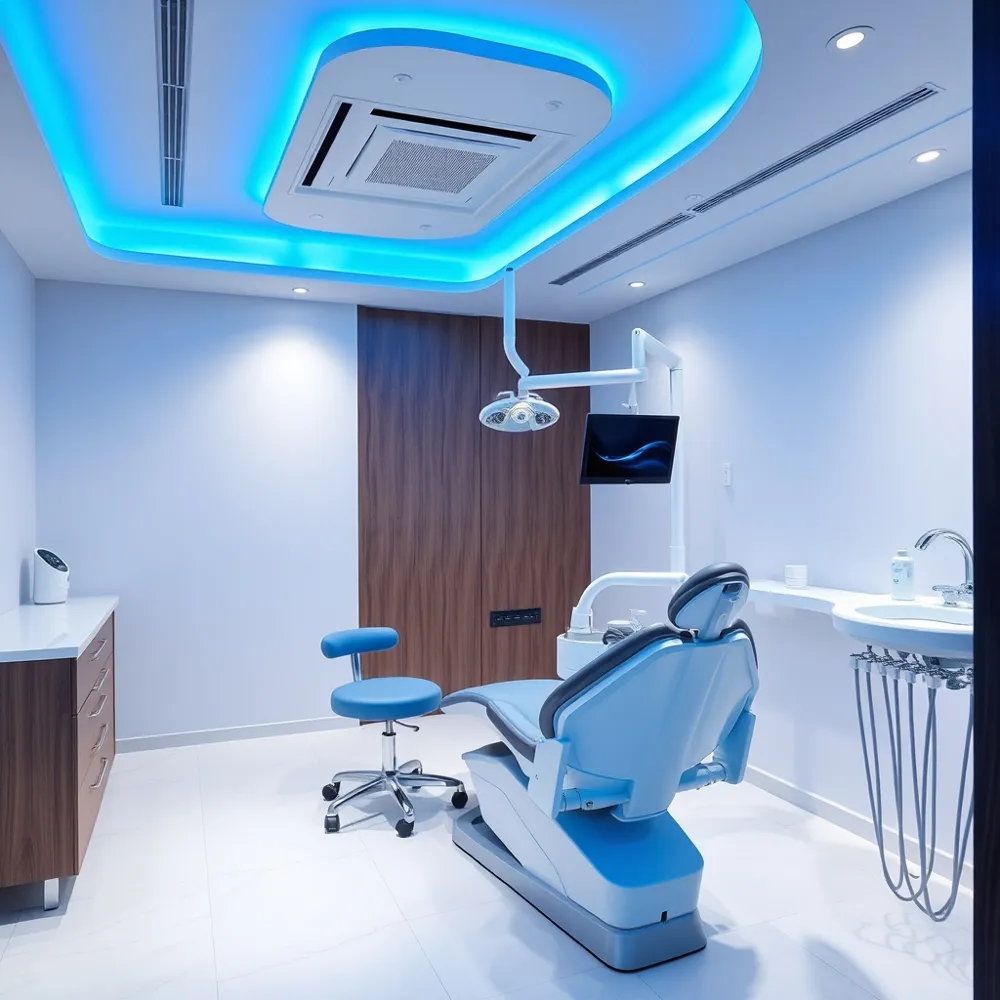 When assessing dental restoration expenses, patients often weigh the immediate price against long-term utility. While same-day crown procedures may carry a higher initial investment than traditional methods, this difference typically reflects the specialized CAD/CAM technology maintained on-site at practices like davidmmayerdmd.com. Unlike standard labs that pass overhead through external fees, modern in-office systems condense the manufacturing process, effectively consolidating costs that might otherwise be itemized across multiple visits.
Calculating the true cost of care requires looking beyond a single invoice. Traditional dentistry often involves a secondary appointment for final placement, necessitating multiple rounds of administration and travel. By contrast, crowns while you wait—a hallmark of streamlined patient care—entirely remove the reliance on temporary crowns. Because temporary restorations are notorious for becoming dislodged, breaking, or causing sensitivity, the need for emergency repairs or replacements can turn a supposedly lower-cost procedure into a series of ongoing, unforeseen expenses.
Investing in high-quality ceramic materials ensures that the final restoration is built to last. Many patients at davidmmayerdmd.com find that the efficiency of a single-visit smile fix represents greater long-term value, as it preserves dental health without the inconvenience of lingering, multi-stage recovery periods.
Making an Informed Choice for Your Smile
Selecting the right restoration requires a balance between your specific oral health needs, lifestyle requirements, and the durability of available materials. While technology like CAD/CAM technology in dentistry offers exceptional convenience, the best outcome stems from a personalized treatment plan developed during a thorough clinical evaluation.
At davidmmayerdmd.com, we prioritize transparency and patient comfort by tailoring our approach to your unique dental structure. Unlike some practices that rely on standardized solutions, our team leverages same-day crowns to ensure precision, function, and aesthetics are met with high standards of care. Whether you are exploring crowns while you wait or considering conventional restoration methods, we encourage an open discussion to address your concerns and goals.
Understanding your options empowers you to protect your long-term dental health confidently. We are here to help you navigate these choices, ensuring every step of your restoration process aligns with your individual needs for comfort and lasting results.