A Crown in One Visit
A same-day crown is a custom covering for a damaged or weakened tooth that may be designed, made, and placed during one appointment. With systems such as CEREC, the dentist examines and prepares the tooth, captures digital images, designs the crown with computer-aided software, then mills it from a material such as ceramic. CEREC crowns can let suitable patients leave with a permanent restoration rather than return for placement.
One-visit treatment is not right for every tooth. The dentist considers the damage, the tooth’s position, the patient’s bite and oral health, and the equipment available. Materials, appointment time, and results can vary, so an examination is needed before choosing between same-day and laboratory-made options.
At davidmmayerdmd.com, treatment planning is part of a full-service practice serving patients in Paterson, New Jersey. The dentist can assess the tooth and explain suitable options, while the practice’s state-of-the-art technology supports care tailored to each patient.
Why a Tooth May Need a Crown
 A dental crown is a tooth-shaped cap that covers a damaged or weakened tooth, restoring its shape, strength, and appearance. A dentist may recommend one when severe decay, a crack, a break, or wear leaves too little healthy structure for a filling to protect the tooth. Crowns can also protect teeth after root canal treatment, support a dental bridge, or cover a dental implant. Learn more about why a tooth may need a crown.
Material options include porcelain or other ceramic, zirconia, porcelain fused to metal, resin, and metal alloys. The right choice depends on the tooth’s position, bite, appearance goals, and need for strength. Ceramic options can provide a tooth-colored appearance, while metal-based materials may suit some teeth that face greater chewing forces. A dentist can explain which materials are suitable for your situation.
As a broad estimate, a crown may cost about $800 to $1,500, but this is not a quote. Location, case complexity, material, laboratory or digital technology, and additional treatment can all affect the fee. For context, Healthline’s CEREC crown guide reports a different estimate for that specific type of crown, underscoring that prices vary. Ask for an individual estimate and check your insurance benefits before treatment.
At davidmmayerdmd.com, the Paterson practice provides adult and family dental care and brings more than 40 years of experience to patient care. Discussing the tooth’s condition, material choices, and expected costs can help you understand the options before deciding on a plan.
From Examination to Crown Design
 The visit begins with an examination of the tooth and surrounding tissues. Your dentist may take X-rays or other images to assess the damage and decide whether a crown, and same-day treatment in particular, suits your needs. A CEREC crown uses digital design and milling, but that approach is not available or appropriate for every tooth.
If a crown is recommended, the dentist removes decay or damaged material and shapes the remaining tooth so the restoration can fit. How much shaping is needed depends on the tooth’s condition. Local anesthetic is commonly used, so you should not feel sharp pain during preparation, though pressure or vibration may be noticeable. Tell the dental team if you feel uncomfortable so they can respond.
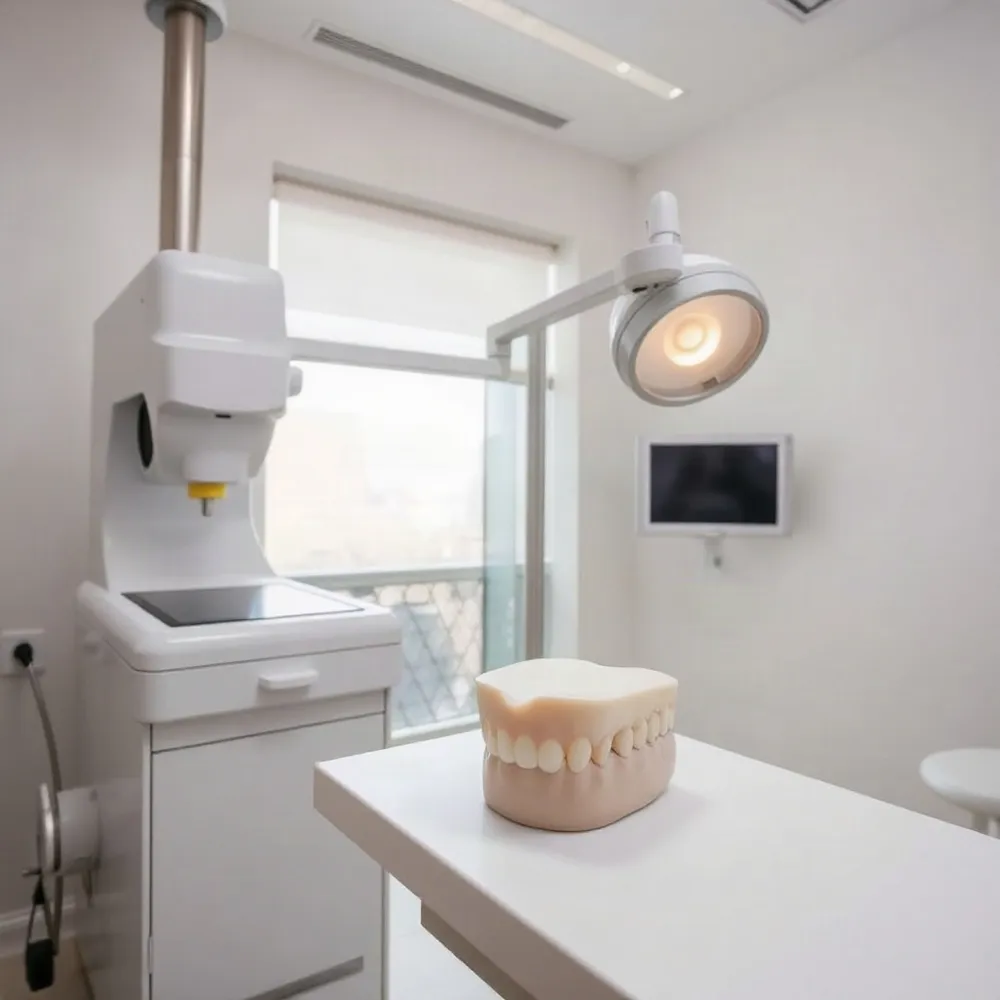
A handheld scanner captures three-dimensional images of the prepared tooth, avoiding the putty used for conventional impressions. The digital model guides software that shapes the crown to fit the tooth and bite. An in-office milling machine then forms it from a ceramic or porcelain block. Milling estimates vary, from about 15 minutes to under an hour, and the full appointment takes longer because it includes preparation, design, fitting, and any adjustments.
Before bonding, the dentist checks the crown’s fit, appearance, and bite, then makes adjustments if needed. Once both dentist and patient are satisfied, the crown is bonded to the prepared tooth. Mild soreness or sensitivity may follow for a few days. Contact the dentist if discomfort worsens, does not begin to improve, or the crown feels high or loose.
A same-day appointment commonly takes about 1.5 to 2.5 hours, though timing varies. Traditional treatment usually involves a first visit for preparation and a temporary crown, followed by a return visit after a dental laboratory makes the permanent crown. At davidmmayerdmd.com, patients can discuss crown options with a Paterson practice offering adult and family dental care; the dentist can explain which approach fits the tooth and treatment needs.
For a closer look at what happens during a crown fitting, see what to expect during a crown fitting visit.
What One-Visit Treatment Offers
For a suitable tooth, a same-day crown can replace the usual wait for an outside laboratory and the return visit to fit the finished crown. It can also spare you from wearing a temporary crown between appointments. That can mean fewer disruptions to work, family routines, or travel.
Digital scanning records the prepared tooth without impression putty, which some people find uncomfortable or difficult to tolerate. The dentist can use the scan to design the crown and make it in the office, then check its fit, bite, and appearance before bonding. Minor adjustments can be made during the visit. The process and result still depend on the tooth and the individual case.
There are limits to consider. Some teeth, bite patterns, or treatment needs may call for a laboratory-made crown, and its material or design options may differ from those available for a same-day restoration. David M. Mayer, DMD, serves patients in Paterson with a range of dental care, and an examination can help clarify which approach fits the tooth and the patient’s preferences. Discuss expected durability, cost, and alternatives before deciding. Healthline’s overview of CEREC crowns also notes that availability and suitability vary.
To learn more about the practical differences between one-visit and traditional treatment, see how same-day crowns can reduce extra appointments.
Eating and Caring for the New Crown

What should I avoid doing after getting a dental crown?
Wait until the numbness has worn off before eating or drinking anything hot. This helps prevent accidentally biting your tongue or cheek. Follow your dentist’s advice about when to eat, and start with soft foods if the tooth feels tender. For the first day, avoid sticky, hard, or chewy foods and try not to chew on the crowned side. If hot or cold foods trigger sensitivity, choose milder temperatures until it settles.
At davidmmayerdmd.com, the care team can give instructions based on your treatment and answer questions if discomfort continues. Contact the dental office if pain or sensitivity persists, the crown feels loose, an edge feels sharp, or your bite seems uneven. You can also read more about eating and caring for a new crown.
What is a temporary crown, and how should I care for it?
A temporary crown is a short-term cap that protects a prepared tooth while a dental laboratory makes the permanent crown. It is generally not needed when a crown is made and fitted during the same visit, as CEREC crowns can be designed and placed in one appointment. If you do have a temporary crown, avoid hard or sticky foods, chew on the other side, brush gently, and slide floss out rather than lifting it. Call your dentist if it loosens or comes off. Do not try to reattach it with household glue.
How can I protect the crown over time?
Brush and floss regularly, attend routine dental visits, and avoid chewing ice or other very hard objects. If you grind or clench your teeth, ask your dentist whether a night guard may help protect the crown.
Longevity and Root Canal Timing
How long do same-day crowns typically last?
A same-day crown may last about 5 to 15 years, and some last longer, but that range is an estimate, not a promise. The material, tooth location, bite forces, oral care, and habits such as grinding or clenching all affect how long it holds up. The Healthline guide to CEREC crowns notes that durability can vary from one crown to another.
Brush twice daily, floss every day, and keep regular dental checkups so your dentist can monitor the crown and the tooth beneath it. Avoid chewing ice or other very hard objects. If you grind or clench, ask whether a nightguard may help protect the restoration. Contact your dentist if the crown becomes loose, chips, or causes pain or sensitivity. The practice’s guidance on crown longevity also explains why lifespan depends on individual factors.
How soon after a root canal should I get a crown?
A crown is often recommended after root canal treatment because the treated tooth may be more vulnerable to fracture. The timing depends on the tooth’s condition, how much healthy structure remains, and the dentist’s treatment plan. Back teeth usually face greater chewing forces, while some front teeth may not need a crown if enough strong structure remains.
A dentist may place a temporary filling while the tooth is awaiting its permanent restoration. Follow instructions about chewing, and arrange the recommended follow-up rather than leaving the tooth unprotected. If pain worsens, swelling develops, or a temporary filling becomes loose or damaged, contact the dental office promptly.
Can a root canal and crown be completed on the same day?
Sometimes. One-visit treatment may be appropriate when the infection is manageable, enough tooth structure remains, healing needs allow immediate restoration, and the office has technology to make a crown on-site. At davidmmayerdmd.com, the treatment plan should be based on an examination and the tooth’s needs, not convenience alone.
Infection, a complex case, or the need to let the tooth stabilize may call for a temporary restoration and a later crown appointment. Protecting the tooth and supporting healing take priority over speed, so the dentist will recommend timing suited to the individual case.
Let the Tooth Guide the Plan
Same-day crowns can bring scanning, design, fabrication, and placement together in one visit, but they are not the right option for every tooth. As Healthline explains, suitability depends on the tooth and the dentist’s assessment.
Before deciding, ask about the tooth’s condition, alternatives, expected appointment time, crown materials, costs, and aftercare. At davidmmayerdmd.com, crown treatment is part of a full-service practice in Paterson, where an examination can help determine an appropriate plan.
The best choice is the one that supports the tooth’s long-term health. A dentist can explain the options and help you weigh convenience alongside clinical needs.