A Straighter Smile, With Tradeoffs
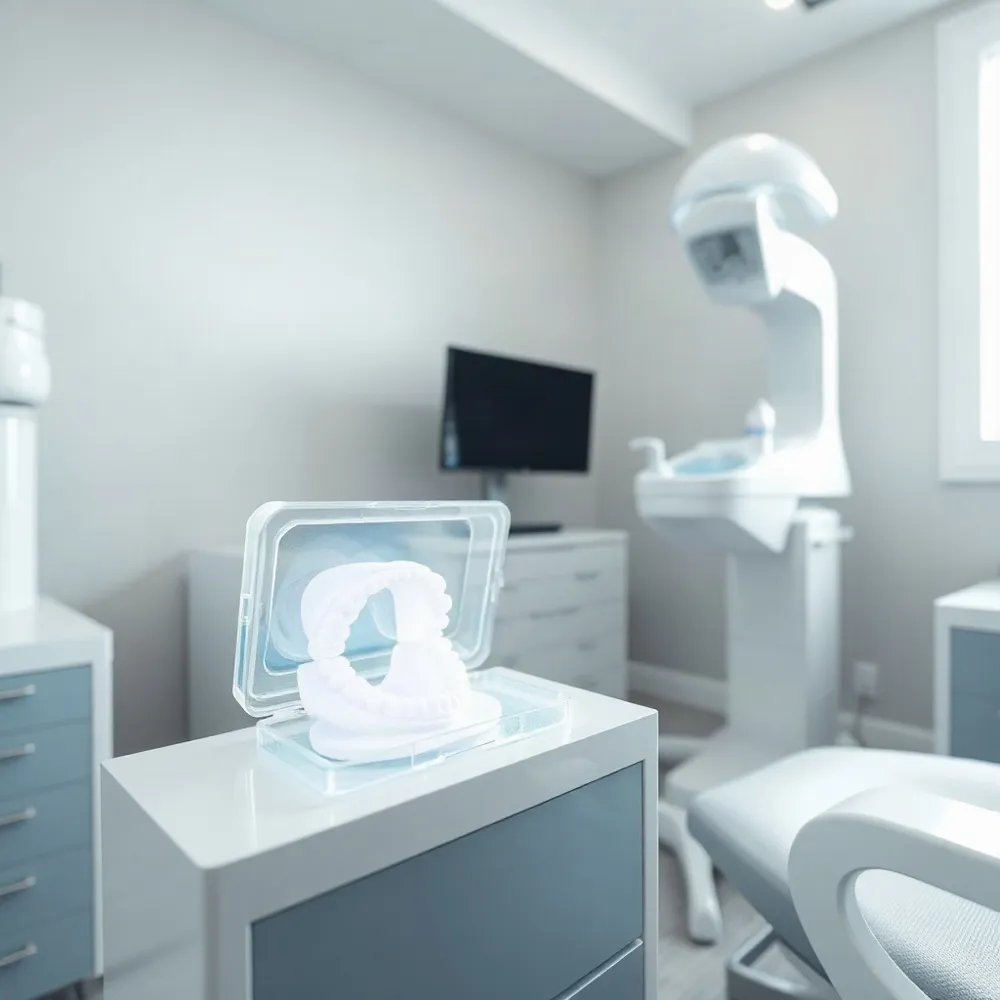
Clear aligners are removable, transparent trays that gradually move teeth. Their discreet appearance and flexibility around meals and brushing can appeal to people who want orthodontic care to fit their routines. But convenience does not mean they suit every dental concern, and consistent wear is part of treatment.
An individual assessment helps determine whether aligners can address a person’s tooth positions and bite, or whether another approach may be more appropriate. The American Association of Orthodontists’ overview of clear aligner therapy explains that planning involves evaluating the teeth and jaws, then monitoring treatment as teeth move.
At davidmmayerdmd.com, a full-service Paterson practice with more than 40 years of experience, treatment decisions are grounded in a patient’s broader dental needs. A dental professional can discuss likely results, daily wear and care, and any oral-health concerns before recommending a plan. A general description of aligners is a starting point, not a substitute for that conversation.
How Clear Aligner Therapy Works
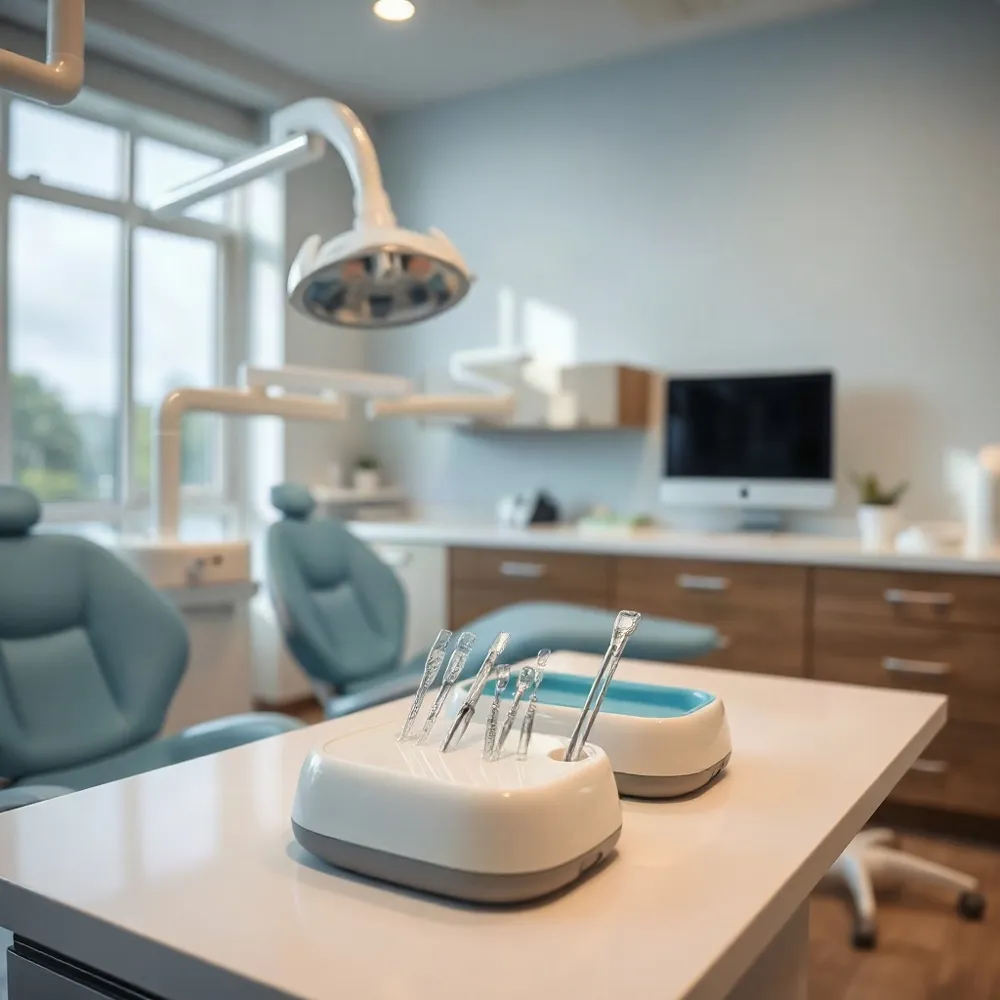 Clear aligner therapy uses a series of custom-made, transparent trays that apply gentle pressure to move teeth toward planned positions. Treatment is mapped to the individual’s teeth and bite, rather than relying on a standard sequence of trays.
The process begins with a dental examination. A provider may use X-rays, photographs, and digital scans or impressions to assess tooth alignment and plan the movements. These records help determine whether aligners are suitable and how treatment should proceed. The American Association of Orthodontists’ overview of clear aligner therapy explains why diagnosis and professional supervision matter throughout care.
Once the aligners are made, patients wear each set as directed and switch to the next set on the provider’s schedule. The trays are removed for meals and for brushing and flossing. Progress checks allow the dental professional to see whether treatment is on track and to make adjustments when needed.
Who May Be a Good Candidate
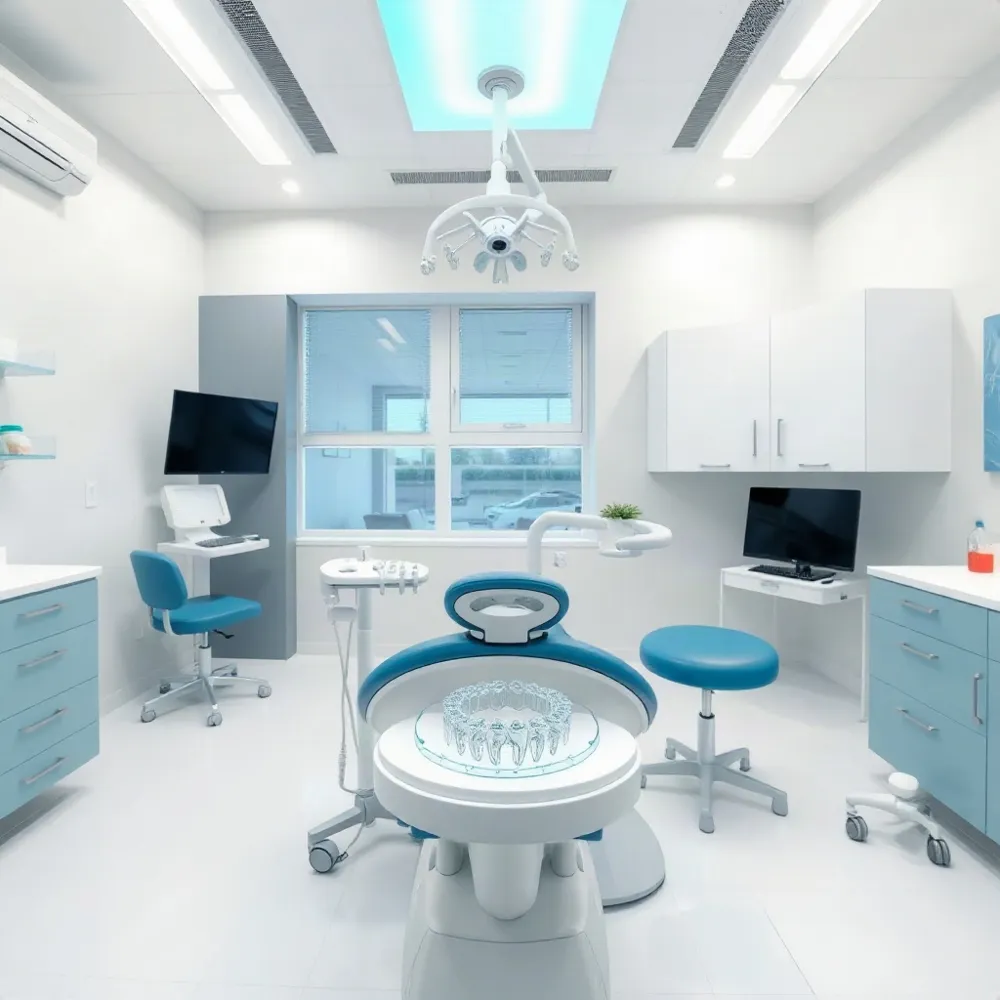 Clear aligners may suit teens and adults with mild to moderate crowding, gaps, or certain bite concerns. A general checklist cannot confirm candidacy: the planned tooth movements need to be assessed against the person’s teeth, bite, and overall oral health. The American Association of Orthodontists’ guidance on clear aligner therapy emphasizes clinical evaluation and supervision.
A provider may examine the gums and supporting bone, check for decay or other issues that should be treated first, and consider the patient’s goals and ability to wear and care for removable trays consistently. Aligners are typically worn for most of the day, with removal for meals and oral hygiene. Their flexibility depends on following the prescribed routine.
Severe crowding, significant bite or jaw concerns, or tooth movements that need another approach may make aligners less suitable.
Benefits and Everyday Commitments
Clear aligners offer practical conveniences: the trays are less noticeable than braces and can be removed for meals and routine brushing and flossing. The American Association of Orthodontists’ overview of clear aligner therapy notes that removability can make it easier to maintain everyday eating and oral-hygiene habits.
That flexibility comes with a daily responsibility. Aligners commonly need to be worn for about 20 to 22 hours a day, or as directed by the treating professional. Frequent or prolonged removal can slow progress or affect how well treatment follows the plan. Patients at David M. Mayer, DMD, can discuss how a removable appliance fits their routine during a clinical evaluation; the practice also offers a multilingual team in English, Spanish, and Arabic.
New trays may cause temporary pressure or soreness as teeth adjust. Good hygiene matters, too: brush and floss before putting trays back in, and follow the provider’s instructions for cleaning them. When trays are out, store them in their case rather than a napkin or pocket. If one is lost or damaged, contact the treating provider for advice instead of guessing about the next step.
Aligners Compared With Braces
For adults weighing orthodontic treatment, clear aligners offer a less noticeable, removable option, while braces stay attached to the teeth. At davidmmayerdmd.com, treatment planning can include a clinical evaluation of your teeth and bite, so the choice is based on your needs rather than appearance alone.
Aligners can be removed for meals, brushing, and flossing, but they generally need to be worn for about 22 hours a day. That flexibility comes with a daily responsibility: patients must put them back in as directed. Braces do not need to be remembered or reinserted, though cleaning around their brackets and wires takes extra care. The American Association of Orthodontists’ comparison of braces and aligners outlines how diagnosis and treatment goals shape the choice.
Both options can cause temporary discomfort as teeth move, and both typically require retainers afterward to help maintain the result. Braces can treat a broad range of orthodontic problems; aligners work well for many patients but are not suitable for every bite or tooth movement. A professional assessment helps clarify which approach fits your treatment goals and everyday habits.
A consultation at davidmmayerdmd.com can include a review of your dental health and discussion of treatment options. Ask how each plan would affect eating, oral hygiene, appointments, and your ability to follow the recommended wear instructions.
Treatment Time and Daily Wear
Clear-aligner treatment often takes about six to 18 months, though some cases take longer. The timeline depends on how much movement is needed, the complexity of the bite or alignment concerns, and how consistently you follow the wear schedule. A provider can give a more tailored estimate after examining your teeth and discussing your goals. The American Association of Orthodontists’ clear aligner guidance also emphasizes that treatment length depends on individual needs.
Each set is commonly worn for about one to two weeks before moving to the next, but the schedule is specific to your plan. Missing wear time, changing trays early, or needing adjustments can extend treatment. At davidmmayerdmd.com, a clinical evaluation can help establish whether aligners suit your needs and what timeline is realistic; the practice also provides a range of adult dental care, so existing oral-health concerns can be considered as part of planning.
Most plans call for wearing aligners for 20 to 22 hours a day, removing them for meals and for brushing and flossing. The phrase “30-minute rule” is used in different ways. It may mean keeping each break brief and replacing the trays promptly, or waiting after eating so you can clean your teeth before reinserting them. It is not a universal clinical rule, so follow your treating provider’s instructions.
Ask your provider what to do about drinks, cleaning, and reinsertion in your specific plan. Plain water is generally suitable while aligners are in; remove them for other drinks unless your provider advises otherwise. After eating, clean your teeth as directed before putting the trays back in, which helps maintain oral hygiene without letting a break become longer than intended.
Discomfort and Bite Concerns
A new aligner set may bring pressure, tenderness, or mild soreness as teeth begin to move. This feeling is often most noticeable during the first few days after starting treatment or changing trays, then eases as the mouth adjusts. Experiences vary, and there is no single “hardest week” for everyone.
Mild, temporary discomfort is different from sharp, severe, worsening, or persistent pain. An aligner that rubs or seems to fit poorly also deserves attention. Follow your dental professional’s instructions for wear and tray changes, and contact them if pain continues or the fit concerns you. The American Association of Orthodontists’ guidance on clear aligner therapy emphasizes professional supervision throughout treatment.
Clear aligners can address some overbites, but suitability depends on how pronounced the bite concern is and whether it relates to tooth position, jaw alignment, or both. An evaluation can show whether aligners alone may be appropriate, whether attachments could help guide movement, or whether another approach is better. At davidmmayerdmd.com, a clinical evaluation helps patients weigh orthodontic options alongside their overall dental needs.
If aligners are recommended, wearing them as directed and attending progress checks help the treating professional assess how the bite is responding. The American Association of Orthodontists notes that aligners may be less predictable for some significant bite problems, so an individual assessment matters more than appearance or preference alone.
Understanding Treatment Costs
Clear aligner treatment often costs about $3,000 to $8,000 in the United States, but this is a broad estimate, not a quote or guarantee. The final fee can be lower or higher depending on the tooth movements needed, treatment length, provider fees, and local costs. A clear aligner and braces comparison can help frame the options, but only an individual assessment can establish likely treatment needs.
Ask for a written estimate before deciding. Check whether it includes the consultation, progress visits, replacement trays, refinements, and retainers, since these items may affect the total. At davidmmayerdmd.com, the dental team can discuss treatment options and costs as part of care at its full-service Paterson practice; request details specific to your proposed plan.
Dental insurance may cover part of orthodontic treatment, but benefits differ by plan and may have limits. Financing or payment plans may also be available, with terms varying by provider. Confirm coverage with your insurer and ask the practice to explain payment terms, any costs not included in the estimate, and what happens if treatment needs additional aligners.
Why Professional Oversight Matters
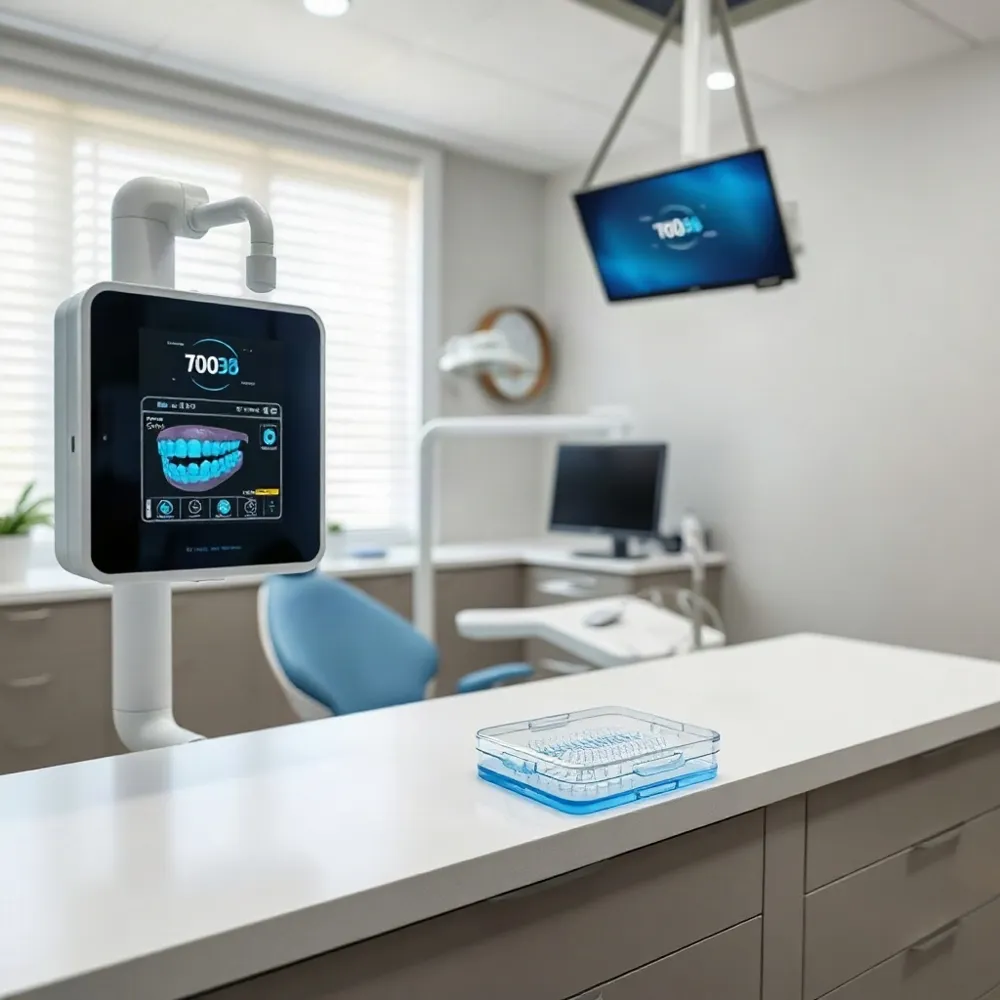 At-home aligners are not all alike, and the important question is what clinical assessment and follow-up each option includes. A remote process may suit some minor tooth movements, but it is not automatically a safe substitute for care supervised by a dental professional. The American Association of Orthodontists’ guidance on clear aligner therapy emphasizes evaluation and supervision because tooth movement involves more than changing the appearance of a smile.
A thorough assessment can check for cavities, gum disease, problems with the supporting bone, bite or jaw concerns, and existing dental work. If these issues are missed, moving teeth before they are addressed may be unsafe or unsuitable. The American Association of Orthodontists also notes that aligners may be less predictable for some severe bite problems and complex tooth movements.
At davidmmayerdmd.com, a full-service Paterson practice, the team provides a clinical evaluation to help patients discuss their dental needs and treatment options. Before choosing any aligner service, ask who reviews your case, what examination is included, how progress is monitored, and whom you can contact if teeth do not move as planned. Clear answers can help you understand the level of care and follow-up the treatment requires.
Choose With a Clear Plan
Clear aligners can be a practical choice for some alignment concerns, while braces or another approach may better address complex tooth movements or bite problems. The American Association of Orthodontists’ comparison of braces and clear aligners explains why treatment choice depends on a person’s diagnosis and goals, not appearance alone.
Before deciding, ask a qualified dental professional to assess your teeth, gums, and bite, then discuss your goals, daily wear expectations, likely timeline, costs, and follow-up care. At davidmmayerdmd.com, a full-service Paterson practice with more than 40 years of experience, patients can discuss dental needs with a multilingual team and consider how orthodontic care fits into their overall oral health.