A Discreet Option for Adult Teeth
SureSmile clear aligners are removable trays designed to guide teeth gradually into new positions. For some adults, they offer a less noticeable option than fixed braces and can be taken out for meals and oral hygiene.
A discreet appearance is only one part of the decision. A dental assessment should consider tooth alignment, bite, gum health, existing dental work, and treatment goals. Adults seeking care at davidmmayerdmd.com can draw on the practice’s more than 40 years of experience in family and adult dentistry, but a clinician must assess whether aligners suit their specific needs.
The evaluation also helps identify whether another approach may be more appropriate. Choosing treatment based on an exam, rather than appearance goals alone, supports a plan tailored to the patient’s oral health.
How Adult Aligner Treatment Progresses
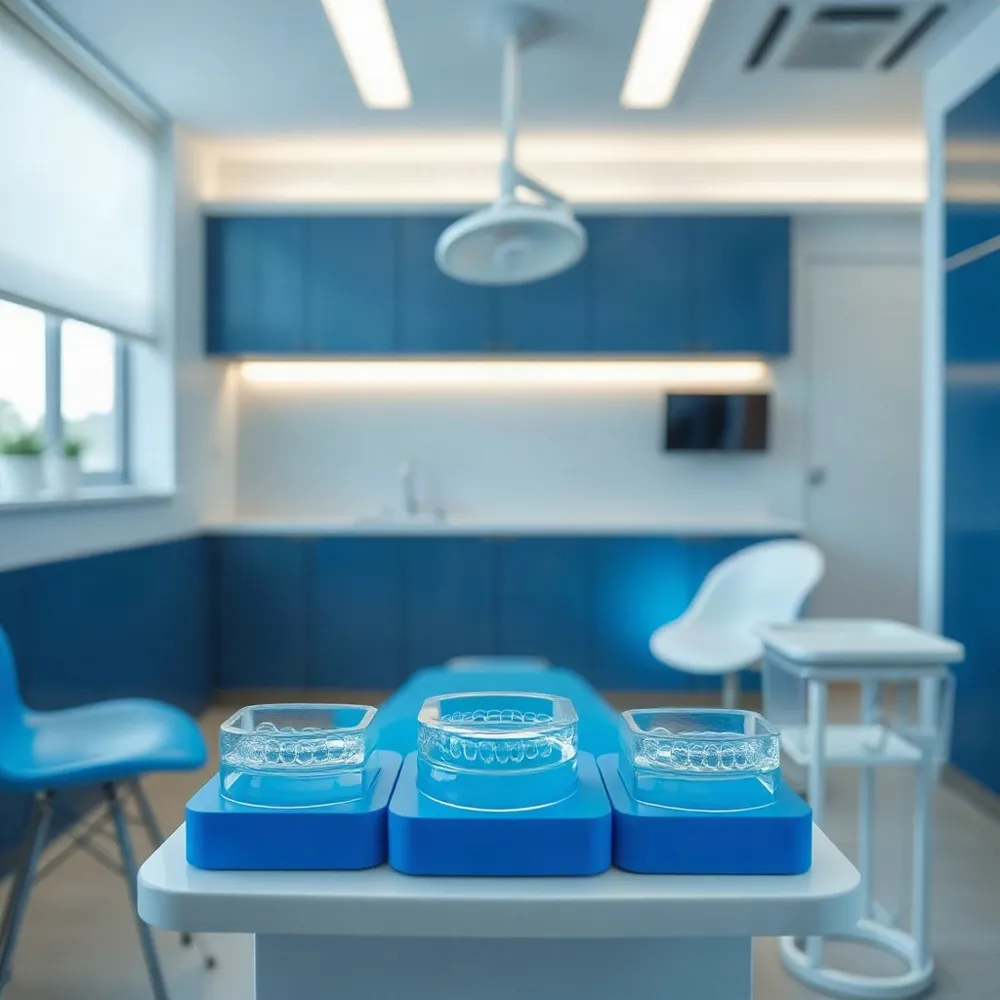 Adult aligner care starts with a consultation, not a tray. The clinician examines the teeth and bite, discusses your goals and reviews options. Photos, X-rays, or digital scans may help document your starting point and guide planning. At davidmmayerdmd.com, dental care is provided by a multilingual team in a full-service practice, so oral health concerns can be considered alongside alignment goals.
The clinician uses these records to create a plan tailored to your teeth and the movements needed. A custom series of trays is then designed to guide teeth gradually, with each tray representing a stage in the plan. Your clinician explains how long to wear each set, when to change trays, how to clean them, and when to remove them for meals and oral hygiene.
Before aligners begin, concerns such as untreated decay or gum problems may need attention. This helps the dental team plan treatment with your overall oral health in mind. During treatment, check-ins let the clinician assess fit and tooth movement and decide whether the plan needs adjustment. The timing and frequency of visits depend on your care plan.
After active treatment, retainers help hold teeth in their new positions. Your clinician will explain the type of retainer and wear schedule recommended for you. Treatment time and results vary with the starting condition, tooth response, and daily wear. Following instructions and attending check-ins support progress, but cannot guarantee a particular timeline or outcome.
For more detail on the consultation, examination, and records used to plan care, see how adult aligner treatment progresses.
Candidacy and Consistent Daily Wear
Clear aligners may suit adults with mild-to-moderate crowding, gaps, certain bite concerns, or teeth that shifted after earlier orthodontic treatment. More complex tooth movements or severe bite problems may call for braces or another approach. A dental evaluation helps determine which option fits the person’s needs.
Age alone does not rule out orthodontic treatment, including for adults in their 60s. Gum and bone health, cavities, existing dental work, treatment goals, and the ability to follow the plan all matter. Aligning teeth may support bite function or make crowded areas easier to clean, though the potential benefits and realistic results differ for each person.
How many hours a day should you wear SureSmile aligners?
Most patients are advised to wear aligners for about 20 to 22 hours daily, with the exact schedule set by their dental professional. Remove them for meals and brushing and flossing, and put them back in afterward.
Comparing Systems and Understanding Costs
 Choosing between SureSmile and Invisalign is less about picking a universal winner and more about finding a plan that fits your teeth, daily routine, and budget. Both are removable clear-aligner systems that use digital planning to guide tooth movement. The available information does not establish that either is consistently faster or more accurate for every patient.
At davidmmayerdmd.com, treatment decisions are grounded in an individual dental evaluation, within a full-service practice that has served patients for more than 40 years. Ask a dentist or orthodontist to assess your bite and alignment, explain which movements each system can address, and describe how progress will be monitored.
Before deciding, discuss the estimated treatment time, whether refinements may be needed, and what follow-up care involves. Provider experience and availability can also differ. A useful comparison focuses on the proposed plan for your case, not broad claims that one brand is better.
How do SureSmile and Invisalign compare, and how can you decide between them?
Neither system is automatically the right choice for every patient. Ask the provider to explain the expected benefits and limits of each option, how consistently you will need to wear the aligners, and what happens if teeth do not move as planned. The provider’s ability to answer clearly and monitor treatment is part of the decision.
How much do SureSmile clear aligners cost, including without insurance?
SureSmile fees vary by provider, case complexity, and what the treatment fee includes. There is no universal price in the supplied information. Without insurance, a patient may be responsible for the full fee; coverage depends on the specific dental plan and its limits.
Request a written estimate that lists consultations, aligners, follow-up visits, and possible extra costs, such as replacement trays. Ask whether HSA or FSA funds, payment plans, or financing are available, and review any interest or fees before agreeing. At davidmmayerdmd.com, the practice’s focus on accessible care makes a clear discussion of costs and payment options a sensible part of planning.
Comfort, Adjustment, and Possible Drawbacks
 Removable aligners avoid brackets and wires, but wearing them for most of the day and taking them out for meals and cleaning can feel demanding. Their convenience depends on fitting these tasks into your routine and following the prescribed wear schedule.
Patients may feel pressure or soreness when they start a new set of trays, and some notice a brief lisp while adjusting. These experiences vary. Poor cleaning of teeth or trays may contribute to cavities, gum problems, or bad breath, so brush and floss before reinserting aligners.
Some patients report irritation or possible allergic reactions. If you have jaw-joint concerns, discuss your symptoms with a dental professional before choosing treatment. At davidmmayerdmd.com, the practice’s full-service care includes routine and emergency dental treatment, which can help patients raise oral-health concerns as part of their care.
What are the potential drawbacks of clear aligners, and what concerns do patients report?
Aligners may not suit every orthodontic problem, and inconsistent wear can interfere with treatment. Removing trays repeatedly for eating and oral hygiene may also be inconvenient. If discomfort is severe or persistent, or you notice another concerning change, contact a dental professional for advice rather than assuming it is a normal part of treatment.
What stage of braces treatment is typically the most uncomfortable?
With fixed braces, the first few days after placement are often tender as the mouth adjusts to pressure from the appliance. Chewing may feel uncomfortable, and brackets can irritate the cheeks or lips. Later adjustments may bring temporary soreness as well. Soft foods or a cold compress may ease short-term discomfort, but contact your dental professional if pain is severe, lasts longer than expected, or comes with another concern.
Choose With a Personalized Evaluation
Clear aligners can be a practical option for adults when their dental needs and daily routines suit removable treatment. Braces or another approach may be more appropriate for complex tooth or bite concerns.
At davidmmayerdmd.com, more than 40 years of dental experience informs a careful, individualized evaluation. Discuss your oral health, goals, expected wear, costs, and realistic outcomes with a dental professional before choosing a plan.