A Decision That Depends on Symptoms
A broken tooth can mean a small chip in the enamel or a deeper fracture that reaches the tooth’s inner layers. What you can see in the mirror may not show how far the damage extends, so a tooth that looks only slightly chipped may still need professional assessment.
Whether it can wait until tomorrow depends on the injury and symptoms. A small, painless chip may be less urgent than a badly cracked tooth, severe pain, or bleeding that will not stop. Cleveland Clinic’s dental emergency guidance advises contacting a dentist for direction and seeking prompt care for serious symptoms.
Call your dentist and describe what happened, where the tooth is broken, and any pain, bleeding, or swelling. At David M. Mayer DMD in Paterson, same-day emergency treatment is part of the practice’s adult and family dental care, though the office can advise you on the appropriate next step.
While arranging care, gentle rinsing and a cold compress against the cheek may ease discomfort. These steps can protect the area temporarily, but they cannot show how deep the fracture is or repair the tooth.
When Waiting May Be Reasonable
 A small chip or crack with no pain may not require an after-hours visit. Cleveland Clinic guidance says it may be reasonable to wait for a regular-hours appointment, while a badly cracked tooth needs prompt attention (Cleveland Clinic dental-emergency guidance). The visible damage alone cannot reliably show how deep the break goes.
No pain does not prove that a tooth is only slightly damaged. A crack may involve deeper tooth layers before symptoms appear, so do not leave a broken tooth for a week or two without contacting a dentist. A large or loose piece, severe or worsening pain, swelling, fever, or bleeding that will not stop calls for urgent advice. Trouble swallowing or breathing requires immediate medical attention.
Call the dental office promptly, explain how the tooth broke, and describe any pain, sensitivity, or other symptoms. The dentist can decide whether the tooth needs same-day care or can wait for a regular-hours appointment.
Warning Signs That Need Prompt Care
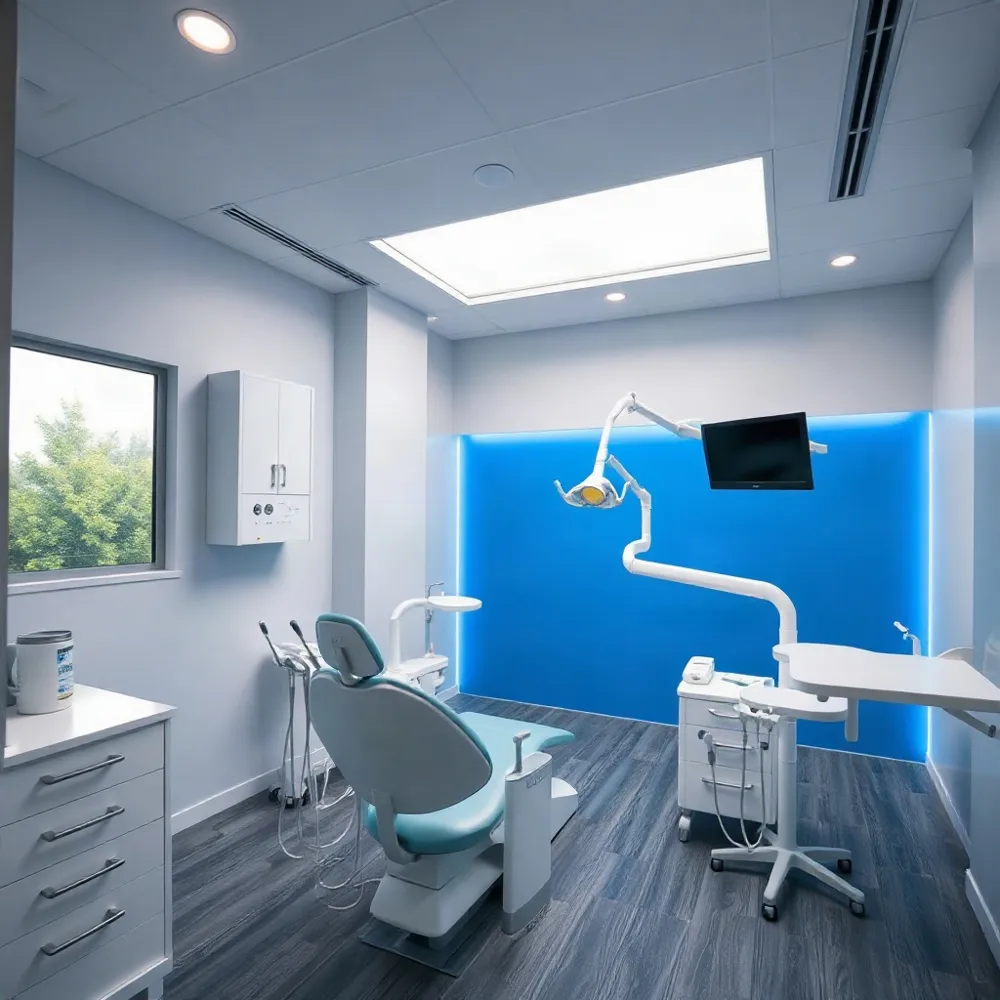 A large or deep break, visible inner tooth tissue, severe or worsening pain, or bleeding that will not stop should not wait for a routine appointment. These signs can point to damage that needs prompt assessment, even if the tooth looked manageable at first. Cleveland Clinic lists badly cracked teeth, severe pain, persistent bleeding, and abscess-related swelling among dental emergencies in its dental emergency guidance.
Swelling around the gum, jaw, or face may signal infection, especially when paired with fever, pus, or a foul taste. Contact a dentist promptly for advice rather than waiting to see whether these symptoms settle. The warning signs of oral infection can help explain why these symptoms deserve attention.
First Steps After Breaking a Tooth
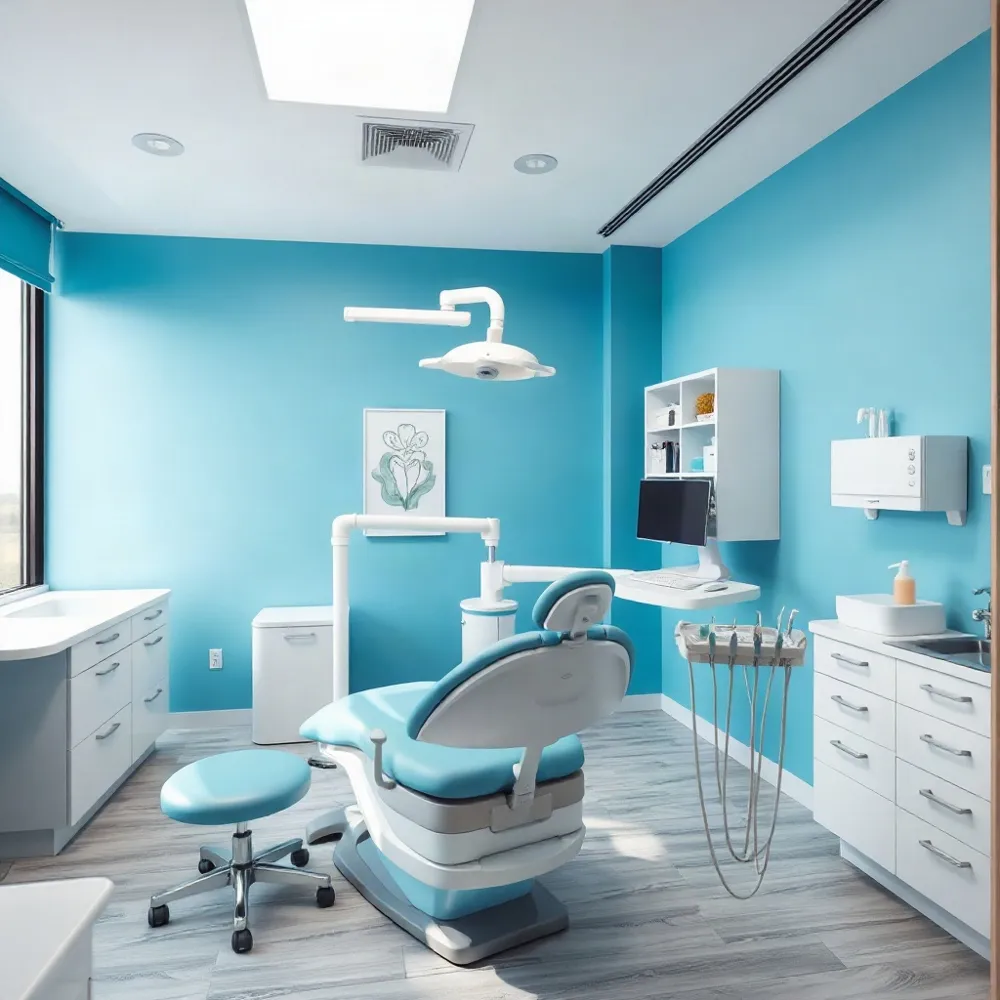 Contact a dentist promptly, even if the break looks small or does not hurt. A fracture can extend deeper than the visible chip, and only an examination can show how much of the tooth is affected. The [American Dental Association’s guidance on dental emergencies](https://www.mouthhealthy.org/dental-care/dental-emergencies) recommends calling a dental office, describing the injury and symptoms, and asking what to do next.
While arranging care, gently rinse your mouth with warm water to clear away loose debris. If your cheek is swollen, place a cold compress against the outside of your face. Avoid chewing on the damaged side, and do not probe the break with your fingers or tools.
If you find a piece of tooth, rinse it gently and keep it moist in milk or saliva. Bring it to your appointment; a dentist can assess whether it may be useful, but reattachment is not guaranteed.
Protecting the Tooth While You Wait
While arranging dental care, gentle steps can help keep the area clean and reduce irritation, but they cannot repair the tooth. A gentle warm salt-water rinse may clear loose debris. Brush carefully around the damaged area without pressing on it or disturbing a loose fragment.
If you found a piece of the tooth, keep it moist in milk or saliva and bring it to the appointment. Dental wax can cover a sharp edge that is rubbing against your tongue or cheek. A pharmacy temporary filling material may offer short-term coverage when used exactly as directed, but neither wax nor filling material restores the tooth. Never use household glue in your mouth.
Choose soft foods and chew on the opposite side. Avoid hard, crunchy, or sticky foods, as well as very hot or cold items that may trigger sensitivity or put pressure on the break. These temporary precautions can help protect the remaining tooth until a dentist examines it.
A cold compress held against the outside of the cheek may ease discomfort or swelling. Over-the-counter pain relief may also help if it is appropriate for you and taken according to the label. Do not place aspirin or another painkiller directly on the tooth or gums, as this can injure gum tissue. Cleveland Clinic’s dental emergency guidance also advises using a cold compress and avoiding painkillers placed directly in the mouth.
At davidmmayerdmd.com in Paterson, the practice offers same-day emergency treatment, with a multilingual team serving patients in English, Spanish, and Arabic. Call a dentist promptly for advice about the break and the right timing for an examination.
Choosing Foods That Limit Irritation
When eating with a broken tooth, choose soft foods that need little chewing, such as yogurt, scrambled eggs, mashed potatoes, oatmeal, soup, tofu, or flaky fish. These options can make meals easier while the tooth is tender.
If temperature triggers sensitivity, let foods cool to lukewarm and avoid very hot or very cold items. Skip hard, crunchy, sticky, chewy, and acidic foods as well, since biting or temperature changes may aggravate discomfort or put pressure on the damaged tooth. Cleveland Clinic’s dental emergency guidance recommends prompt dental attention for a badly cracked tooth.
Cut food into small pieces, eat slowly, and chew on the opposite side rather than testing the injured tooth. After meals, gently rinse with water to clear away food debris without vigorous swishing. If sensitivity makes eating difficult, a dental professional can advise you on next steps.
These food choices are temporary precautions, not a repair. At davidmmayerdmd.com in Paterson, the practice provides same-day emergency treatment, along with adult and family dental care, so patients can have the injury assessed and a treatment plan based on the damage. Arrange dental evaluation promptly, even if the break seems minor.
What Treatment May Involve
A broken tooth does not have one standard repair. The dentist examines the damage, asks how it happened, and may take X-rays to check the fracture and assess whether the tooth’s inner tissue or root may be involved. Until it is assessed, avoid chewing on that side and save any pieces you find.
For a small chip, smoothing a rough edge or repairing it with tooth-colored bonding may be enough. A filling can restore a more substantial area of lost tooth structure, while a crown may be recommended when a larger break has weakened the tooth. If the pulp, the soft tissue inside the tooth, is affected, root canal treatment may be needed before the tooth is restored. Removal may be considered if the tooth cannot be repaired. The Cleveland Clinic’s dental emergency guidance notes that most broken-tooth problems can be treated in a dental office.
The right option depends on the fracture’s location and depth, the tooth’s condition, and how much healthy structure remains. A prompt examination helps the dentist decide whether the tooth can be preserved and what care is appropriate. At davidmmayerdmd.com in Paterson, same-day emergency treatment is part of a full-service practice that also provides crowns and other restorative care.
A dentist may be able to remove a broken tooth on the same day, but that depends on the examination, your health, and the care available at the office. Call promptly, describe your symptoms, and ask whether an urgent appointment is possible. Severe pain, swelling, fever, or heavy bleeding calls for prompt attention. Trouble breathing or swallowing requires emergency medical care.
Getting Help After Hours
A broken tooth or sudden dental pain outside office hours can leave you unsure where to turn. Call your dentist’s office anyway: the voicemail or practice website may provide an emergency number or instructions. The American Dental Association’s guidance for dental emergencies also recommends calling the office and describing what happened and your symptoms. If you cannot reach your dentist, contact a local urgent dental service for advice. For help planning an after-hours call, see our guide to getting help after hours.
When contacting a dental office, explain when the problem began, which tooth is affected, and whether you have pain, swelling, bleeding, or fever. At davidmmayerdmd.com, same-day emergency treatment is among the services offered at its Paterson practice. Its multilingual team speaks English, Spanish, and Arabic, which may help patients explain their symptoms clearly.
An emergency room can assess serious symptoms and manage medical concerns, but it generally does not provide restorative procedures such as fillings or crowns. A dentist will still need to treat the tooth after an ER visit. Cleveland Clinic’s dental emergency guidance advises contacting a dentist for most broken-tooth problems, while reserving the ER for serious injuries or medical warning signs.
Seek emergency medical care for trouble breathing or swallowing, facial swelling that is spreading quickly, bleeding that will not stop, or a serious facial injury. If those signs are absent, call a dentist for guidance and an urgent appointment rather than assuming the ER can repair the tooth.
A knocked-out permanent tooth is different from a broken tooth and needs prompt attention. Pick it up by the crown, not the root, rinse it gently without scrubbing, and keep it moist in milk while seeking dental care. Do not put painkillers directly on a tooth or gums. For a tooth that remains in place, a gentle warm-water rinse and a cold compress against the outside of the cheek may offer temporary comfort while you arrange care.
Call Rather Than Guess
A small, painless chip may not need same-night treatment, but appearance alone cannot show how deep a fracture goes. Even when discomfort is mild, a dentist can assess the damage and advise how soon it should be treated.
Call a dentist promptly, explain when the tooth broke and describe any pain, sensitivity, bleeding, or swelling. The American Dental Association’s emergency guidance recommends contacting a dental office for instructions; follow its advice rather than trying to judge the injury on your own. In Paterson, David M. Mayer DMD provides same-day emergency treatment, with a multilingual team speaking English, Spanish, and Arabic.
Rinsing gently, using a cold compress, or covering a sharp edge may offer temporary comfort, but these steps cannot repair the tooth. Seek emergency medical care for trouble breathing or swallowing, suspected facial fractures, or other serious injuries. Timely dental assessment helps determine the care your tooth needs.