Recognizing the Vital Importance of Swift Dental Intervention
Prompt professional care is vital for maintaining long-term oral health and protecting your smile from permanent damage. When you experience a dental emergency, such as a knocked-out tooth or uncontrolled bleeding, immediate intervention significantly improves the likelihood of successful treatment. For instance, re-implanting a tooth within one hour offers the best chance at success, as detailed in our guide on Same Day Emergency Dental Care.
Many patients hesitate to seek help for what they perceive as minor toothaches or small fractures. However, ignoring these early warning signs often allows decay or infection to progress, which can lead to more aggressive and costly procedures down the line. Unlike hospital emergency rooms that typically provide only temporary pain relief, a dedicated dental practice can address the root cause of your trauma or discomfort.
Not every oral issue qualifies as an immediate crisis, yet professional judgment remains essential for differentiating between routine concerns and urgent needs. The American Dental Association emphasizes that life-threatening conditions involving facial trauma or airway interference require instant attention. If you are ever unsure, contacting your dentist immediately is the most reliable way to receive proper guidance and avoid risking your long-term well-being.
Defining the Scope of Professional Dental Care
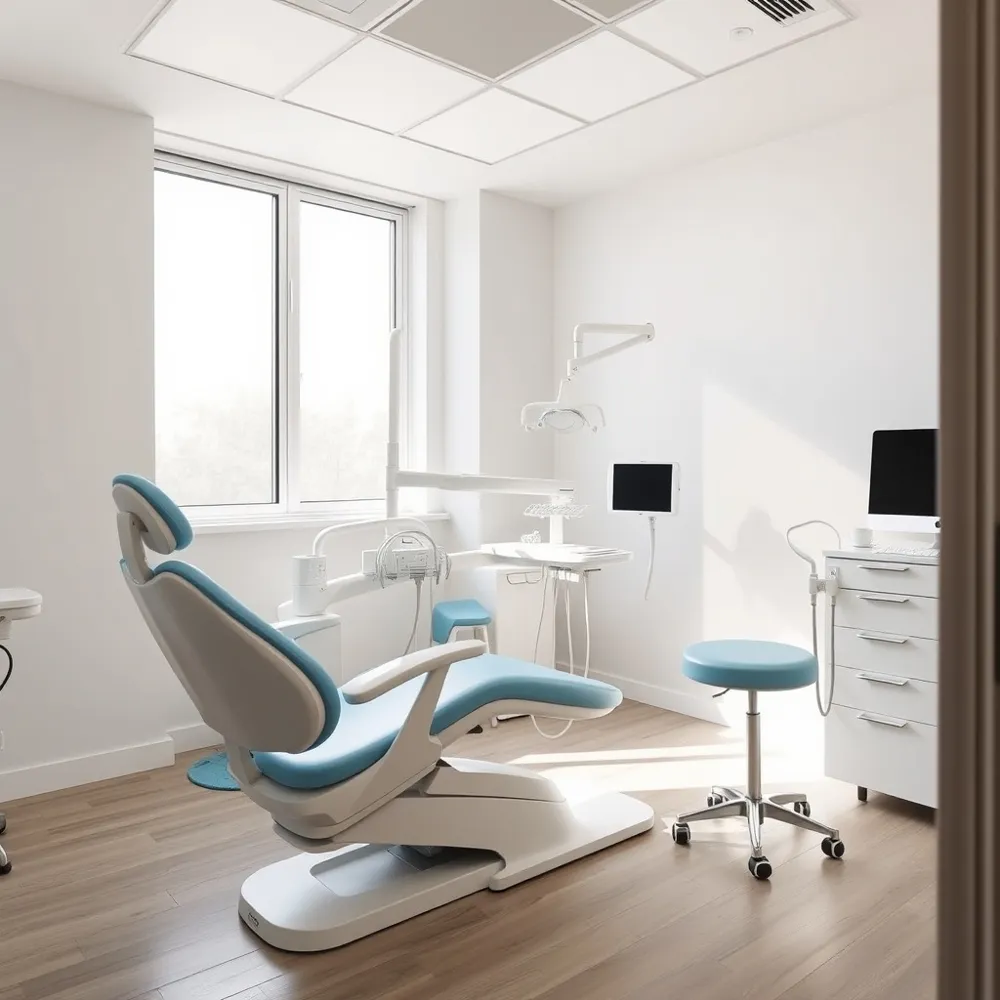 Routine check-ups and cleanings serve as the preventative cornerstone of long-term oral health, allowing your dentist to monitor your status and identify potential complications before they escalate. While these visits are essential for maintenance, understanding when to seek care beyond your standard appointments is equally vital for protecting your smile.
What are common reasons to seek professional dental care?
You should maintain a regular schedule of professional dental check-ups and cleanings twice a year to prevent issues and address any concerns early. Beyond routine care, you should seek an appointment if you experience persistent pain, swelling, or sensitivity in your mouth, face, or neck. Other important reasons to visit include tender, bleeding, or swollen gums, difficulty chewing or swallowing, or the presence of unexplained spots, sores, or dry mouth. It is also essential to schedule a visit if you notice signs of jaw stiffness, an uneven bite, or if you use tobacco products. Additionally, you should consult your dentist if you are pregnant, have ongoing medical conditions like diabetes or cardiovascular disease, or need maintenance for existing dental work such as fillings, crowns, or implants.
At davidmmayerdmd.com, we prioritize identifying these indicators during every visit to prevent the need for more complex restorative procedures. While some competitors may limit their scope to basic exams, our comprehensive approach ensures that we manage your dental health holistically, whether you require simple preventative care or specialized attention for aging restorations like crowns and implants. By addressing these concerns promptly, you avoid the risks associated with waiting, such as the potential spread of infection or unnecessary tooth loss, as described by the American Dental Association.
Identifying True Dental Emergencies
 Distinguishing between a standard office visit and a genuine emergency can be the difference between saving a natural tooth and facing permanent oral health damage. A dental emergency is defined as any issue requiring immediate professional intervention to stop uncontrolled bleeding, manage severe pain that does not respond to medication, or address trauma involving broken facial bones.
What situations qualify as a dental emergency?
Qualified emergencies include instances where trauma, such as a sports injury or an accident, results in a knocked-out or severely extruded tooth. For a knocked-out permanent tooth, the prognosis for successful replantation is highest if the tooth is placed back in its socket within one hour. If immediate reinsertion is not possible, the tooth must be kept moist in a container of milk, saline solution, or a professional tooth preservation product, as drying out can destroy the cells necessary for integration.
Other life-threatening scenarios include soft tissue infections causing swelling that compromises your airway, and trauma to facial bones. While some providers in the region might require scheduling delays, the practice at davidmmayerdmd.com prioritizes same-day assessment for these acute conditions. Unlike hospital emergency rooms, which typically only offer temporary pain management or antibiotics, a dedicated dental practice can perform the restorative procedures needed to actually resolve the underlying issue.
Not every dental inconvenience is an emergency. Conditions such as dull, intermittent toothaches, minor chips, or broken braces without sharp wires are often manageable until a standard business hours appointment. As noted by the American Dental Association, seeking professional guidance when you are unsure is the most effective approach. Calling our team immediately allows us to triage your symptoms and ensure that if your situation requires urgent care, you receive the necessary stabilization to prevent further structural or systemic complications.
Navigating Care: Hospital Emergency Rooms vs Dental Practices
 When sudden oral pain strikes, understanding where to seek help can save both time and your smile. While hospital emergency rooms and urgent care centers serve as vital lifelines for general medical crises, they are not equipped with the specialized instruments or expertise required to perform restorative dentistry. According to the Cleveland Clinic, emergency room staff can provide temporary relief, such as pain medication or antibiotics for severe infections, but they cannot perform the fillings, root canals, or extractions necessary to fix damaged teeth.
Your local dentist remains the most qualified primary contact for any dental emergency. Many practices, including the full-service team at davidmmayerdmd.com, prioritize same-day care for urgent situations to address the root cause of pain immediately. By reaching out to your dentist first, you ensure a comprehensive assessment that can preserve natural tooth structure that might otherwise be lost if treatment is delayed until a standard follow-up appointment.
Can I go to an urgent care center or hospital for a toothache?
While you can technically visit an urgent care center or emergency room for a severe toothache, it is important to understand that these facilities do not have dentists on staff to perform restorative procedures. Urgent care providers and emergency physicians are primarily equipped to help manage your pain and may prescribe antibiotics if there is evidence of an infection or abscess. However, they can only provide temporary relief and will ultimately refer you to a dentist for the definitive treatment required to fix the underlying problem. If you are experiencing symptoms like extreme facial swelling, difficulty breathing, or a high fever, a hospital visit may be necessary to address a spreading infection or trauma such as broken facial bones. Otherwise, contacting a dental professional immediately is the most effective way to resolve a dental emergency.
| Feature | Hospital/Urgent Care | Dental Practice |
|---|---|---|
| Restorative work | No | Yes |
| Infection control | Antibiotics only | Drainage/Extraction |
| Primary focus | Systemic life-safety | Oral structure health |
First Aid for Broken Teeth and Dental Trauma
When a dental injury occurs, immediate action is vital to improve the chances of saving a natural tooth. For a knocked-out tooth, time is the most critical factor. The best chance of success occurs if the tooth is returned to its socket within 30 minutes to one hour, as noted in resources from davidmmayerdmd.com. Always handle the tooth by the crown rather than the root and keep it moist in milk or a cell growth medium until you arrive at the office.
How should I handle a severely broken tooth while waiting for an emergency appointment?
If you have a severely broken tooth, contact our office immediately to schedule an emergency appointment. In the meantime, gently rinse your mouth with warm water to clean the area and collect any broken fragments, storing them in a container to bring with you. To manage pain and reduce swelling, apply a cold compress to the outside of your cheek for 10 to 15 minutes at a time. If you are experiencing discomfort, over-the-counter pain relievers can be used as directed. Avoid chewing on the side of the broken tooth and do not attempt to repair the damage yourself until you can be assessed by the dentist.
While awaiting professional help, there are several common mistakes to avoid. Never apply aspirin or other painkillers directly against the gum tissue, as this can cause chemical burns, per Cleveland Clinic. Additionally, never use household items like super glue to reattach a broken crown or bridge. Such substances can damage the tooth structure permanently and complicate future restorative work. Instead, use over-the-counter dental cement or denture adhesive for temporary stability.
- Rinse the mouth with warm water to clear debris from the injury site.
- Use a cold compress externally to limit swelling and soothe discomfort.
- Keep any salvaged tooth fragments clean and moist for the dentist to examine.
- Call our team directly for guidance on same-day care options if you suspect a fracture.
Understanding Treatment Categories and Insurance
Dental insurance typically categorizes procedures into distinct classes based on their complexity and the clinical intensity required. Understanding where your specific treatment falls is vital, as these classifications often dictate the percentage of costs covered by your insurance plan and your corresponding out-of-pocket expenses.
What is the difference between basic and major restorative dental treatments?
Basic restorative care generally includes standard, routine interventions. This category commonly covers fillings to treat minor decay and, in many plans, root canal therapy. Because these procedures are restorative in nature and address issues before they cause widespread damage, they often benefit from higher insurance coverage levels. In contrast, major restorative care involves complex, multi-stage procedures designed to replace missing teeth or rebuild significantly damaged tooth structure. Common examples include dental crowns, bridges, dental implants, and dentures. These treatments usually require a higher patient investment compared to basic care.
Proactive care acts as a financial safeguard by potentially preventing the need for major interventions. By addressing minor decay or fractures promptly as basic restorative care, patients can often avoid the progression toward major restorative care. While dental emergency situations sometimes necessitate immediate major work, regular routine dental checkups create opportunities to stabilize teeth before they require extensive reconstruction.
Making Emergency Dental Care Accessible for Everyone
Facing a dental emergency while managing financial constraints or a lack of insurance can feel overwhelming, but your oral health should never be sidelined due to budgetary concerns. When unexpected trauma or severe pain occurs, delaying treatment often leads to more complex and expensive procedures later, making immediate professional assessment the most cost-effective path forward.
How can I access dental care if I have financial constraints or no insurance?
Diverse pathways exist to ensure you receive essential care regardless of your current coverage. Many private practices prioritize accessibility by providing flexible payment arrangements and internal membership savings plans to reduce out-of-pocket expenses. At davidmmayerdmd.com, we recognize that timely intervention is critical, and we are committed to discussing your financial situation to identify a realistic solution that protects your smile.
Beyond private practice support, several community resources are available for those requiring additional assistance. Federally Qualified Health Centers frequently offer care on a sliding-fee scale adjusted for your income, while local dental schools often provide supervised services at substantially reduced rates. Families may also look into government-backed options like Medicaid or CHIP, which offer comprehensive dental support for qualifying individuals. Reach out to our office to speak with our staff about your options, as we strive to ensure that every patient receives the professional attention they need to prevent permanent damage.
Protecting Your Long-Term Oral Health and Smile
Frequent dental check-ups remain the foundation of long-term wellness. By visiting your dentist for routine cleanings and exams, you can address minor decay or structural weaknesses before they evolve into agonizing dental emergencies. Establishing a dental home with davidmmayerdmd.com provides a significant advantage when the unexpected occurs. Unlike urgent care centers or emergency rooms that primarily offer symptom management, our practice provides same-day emergency dental care to preserve your natural tooth structure.
Beyond immediate relief, we prioritize restoring the function of your smile through quick fixes or emergency repairs. Your oral health is intrinsically linked to your overall systemic well-being. Leaving infections untreated or ignoring trauma-related issues can lead to complications that extend well beyond the mouth. We encourage you to view dental care not as a reactive burden but as an essential investment in your health. By maintaining regular appointments and acting decisively during emergencies, you ensure your smile remains both vibrant and healthy for years to come.