Understanding Modern Orthodontic Solutions for Adult Smiles
For many adults, the decision to pursue orthodontic treatment balances the desire for a straighter smile with the requirements of professional and social routines. Modern clear aligner therapy serves as a common alternative to traditional metal braces by offering a discreet, removable solution. These custom-made trays gently shift teeth into proper alignment, correcting issues like overcrowding, gaps, or bite discrepancies that can impact long-term oral health.
Correcting dental malocclusion does more than enhance aesthetics. Improving the alignment of teeth and jaws promotes better oral function, making daily hygiene routines more effective and reducing the risk of periodontal conditions. Because properly aligned teeth facilitate natural tongue placement, treatment can also support clearer speech articulation and improved communication over time.
While fixed appliances can sometimes obstruct speech patterns due to bulky brackets and wires, clear aligners such as SureSmile provide a lower profile that minimizes interference. Research published in International Orthodontics notes that while minor, temporary shifts in pronunciation may occur during the initial adjustment period, most patients adapt quickly. With advanced digital planning available through modern systems, patients can achieve precise results while maintaining their comfort and confidence throughout the process.
The Initial Impact of Aligners on Speech Patterns
 Starting treatment with clear aligners is a significant step toward improving your smile, but it is common for patients to experience minor, temporary changes in speech articulation. Because aligners like SureSmile and Invisalign act as a foreign object within the oral cavity, they subtly alter the available space for your tongue to navigate against your teeth and palate 1. As the tongue adjusts to this new surface, you may notice a slight lisp or difficulty forming specific consonant sounds during the first few days.
- Sibilant sounds such as 's' and 'z' are most frequently impacted by the aligner's presence 2.
- Airflow patterns change slightly due to the thickness of the plastic, which can affect the natural resonance of your voice.
- Precision in tongue placement temporarily requires more conscious effort until muscle memory develops.
Does orthodontic treatment with clear aligners affect speech? Clear aligners can affect your speech because they change the space within your mouth, which may cause your tongue to move differently and result in a temporary lisp, particularly with 'S' and 'Z' sounds. Most patients adapt quickly as they become accustomed to the aligners in their mouth.
For the vast majority, this transition is brief. While some individuals notice a return to baseline within 24 hours, others may take up to two weeks to feel completely natural 1. Consistency is the most important factor in your success. Wearing your trays for the recommended 20 to 22 hours per day allows your tongue to acclimate to the appliance without constant interruption 3. If you find yourself struggling with specific words, reading aloud helps train your muscles to navigate the trays with confidence.
Anatomical Benefits and Long-Term Speech Correction
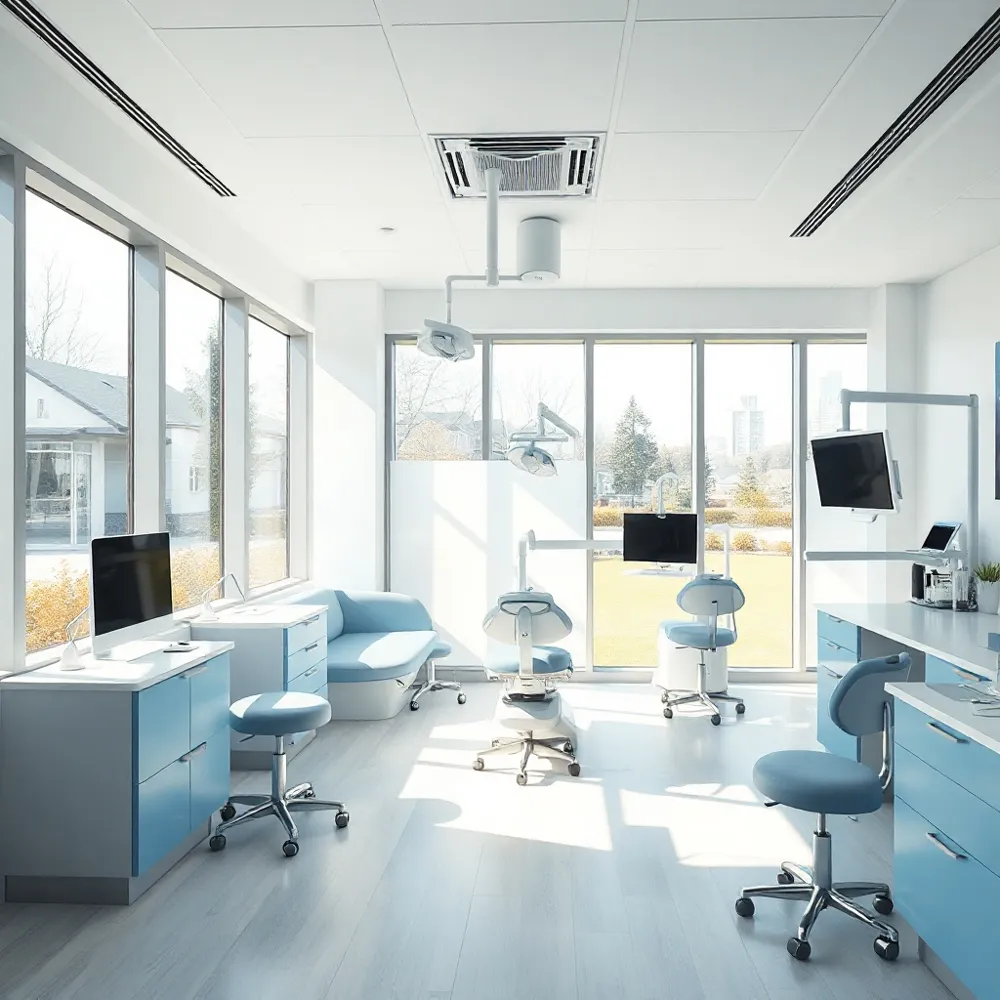 Beyond the immediate experience of clear aligner therapy, these systems offer enduring structural improvements that can sharpen your vocal performance. Many speech impediments stem from underlying dental conditions like an open bite, underbite, or excessive crowding. These structural barriers often restrict natural tongue placement or create irregular airflow, which can interfere with the production of sounds such as sibilants or plosives.
Correcting these anatomical issues through orthodontic treatment often leads to permanent gains in clarity. By closing gaps and properly aligning teeth, the tongue gains optimized space for accurate contact during speech. Advanced 3D scanning allows dental teams to address bite discrepancies that cause both long-term speech struggles and wear on dental structure.
Can clear aligners help correct existing speech impediments?
While aligners are primarily designed to move teeth, they inadvertently act as tools for oral rehabilitation. Orthodontic alignment resolves structural causes of common articulator errors. For instance, correcting an open bite or fixing a gap where air improperly escapes helps stabilize tongue movement. Compared to traditional metal braces that may obstruct the tongue with brackets, clear, low-profile aligners allow for more natural tongue integration during the correction of these developmental alignment issues.
Addressing these conditions through SureSmile helps resolve issues like tongue thrust, where the muscle pushes against teeth during speech. By realigning the dental environment, you move toward better resonance and improved long-term oral function. Orthodontic care that prioritizes these functional outcomes ensures a correction plan accounts for both the beauty of your smile and the mechanics of your speech.
SureSmile Precision and the Efficiency of Digital Planning
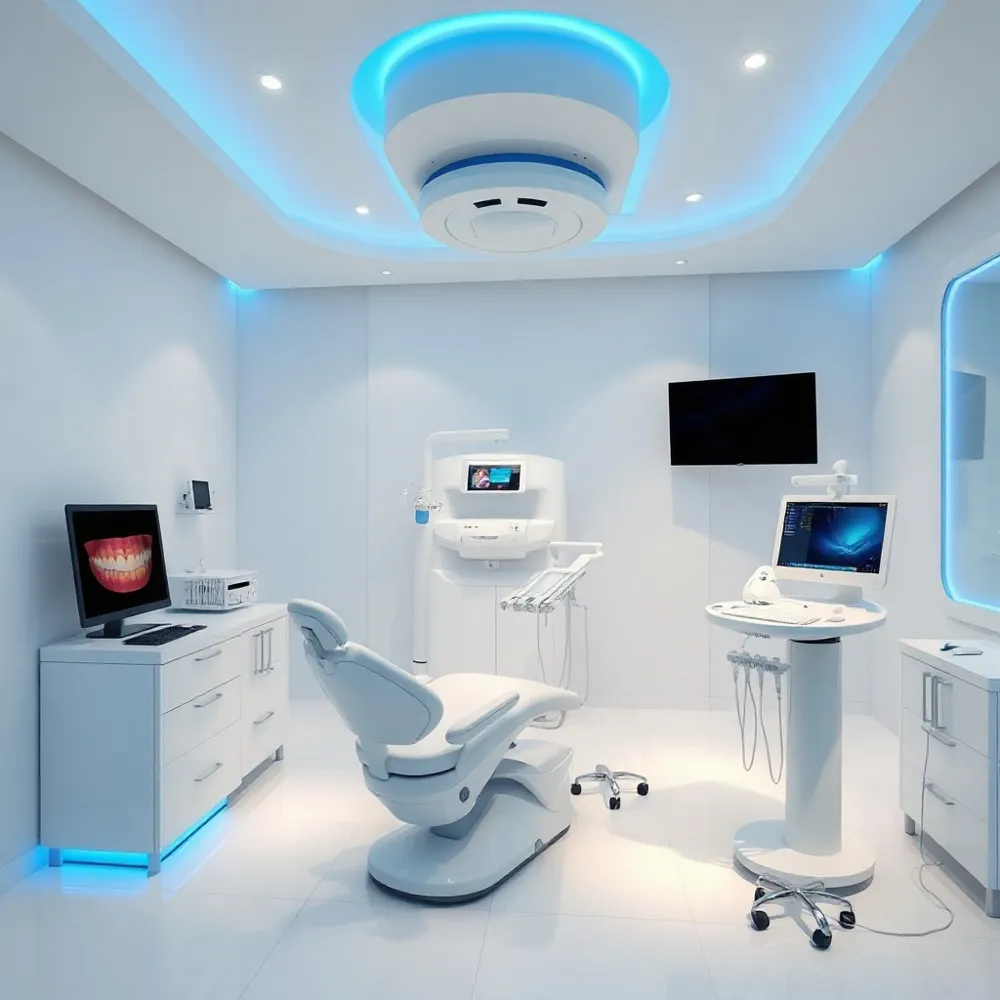 Modern orthodontic planning has evolved from physical impressions to sophisticated digital workflows. At SureSmile, this technology uses advanced 3D scanning to map precise tooth movements, an approach that allows clinicians to visualize entire structures rather than just individual teeth. Because the software integrates with digital scanners, it eliminates the need for bulky, uncomfortable traditional impressions.
A distinct advantage of SureSmile lies in its customized design process. Each tray features a lab-engineered trim line that follows the natural gum contour, significantly reducing the harsh edges that often irritate soft tissues. By contrast, mass-produced or less customizable clear aligners may rely on standard cuts, which can lead to increased gum discomfort for the wearer. The precise fit ensures the appliance remains low-profile, which minimizes the foreign-object sensation that can otherwise interfere with daily vocal performance.
How do SureSmile aligners compare to other orthodontic options regarding adjustments?
SureSmile aligners are designed for a predictable treatment plan. Clinical data indicates that in roughly 75% of cases Source: Dentistry Today, patients do not require additional refinements, allowing for a more streamlined path to a straighter smile. This high predictability contrasts with systems that often require frequent mid-treatment adjustments or extra tray sets to correct minor tracking errors. For patients in the Paterson area, our practice at davidmmayerdmd.com focuses heavily on these data-driven plans to secure efficient results.
Pros, Cons, and Comfort Considerations for Daily Wear
Selecting a clear aligner system like SureSmile offers a discreet way to achieve a straighter smile without the visibility of traditional metal braces. Beyond their aesthetic appeal, these removable trays allow patients to maintain better oral hygiene because they can be taken out for brushing and flossing. At davidmmayerdmd.com, we prioritize this balance between comfort and function, ensuring that your treatment plan is tailored to fit your daily routine.
Success during orthodontic care requires consistent patient compliance. Because clear aligners are removable, they only function when worn, making the 20-22 hour daily wear requirement a non-negotiable aspect of your treatment. Failure to adhere to this schedule can slow your progress. Additional comfort aids are available to assist with seating new trays and can help support the movement of teeth.
Regarding physical sensations, it is normal to feel minor pressure when starting a new set of trays. This is a sign that the appliance is working to shift teeth into their optimal positions. While temporary, this sensation is generally considered less intrusive than the irritation often caused by wires and brackets found in traditional metal systems. A 2019 study highlights the importance of discussing these nuances during your consultation to prepare for the treatment journey.
| Feature | Clear Aligners | Clinical Advantage |
|---|---|---|
| Aesthetics | Invisible | Maintains social ease |
| Hygiene | Removable | Reduces plaque buildup |
| Comfort | Smooth plastic | Minimizes soft tissue irritation |
Tips for Professional and Personal Vocal Performance
Maintaining a professional or active personal vocal regimen during clear aligner therapy is entirely feasible, though it requires intentional practice. Because these appliances occupy space behind the lips and teeth, they can slightly alter consonant articulation. Most individuals, including public speakers and vocalists, adapt to these changes within 24 to 72 hours, as the brain and tongue quickly develop new muscle memory for speech patterns.
Can I continue to sing professionally or regularly while wearing clear aligners?
Clear aligners are thin and removable, which makes them generally compatible with singing. However, because they do slightly alter the oral cavity, singers often need a short adjustment period to practice and recalibrate their vocal articulation while the trays are in place. To accelerate this transition, prioritize reading aloud or practicing specific repertoire while wearing the appliances to normalize tongue placement and airflow.
- Record yourself reading challenging passages to identify and refine specific sounds like 's' and 'z'.
- Engage in frequent, low-stakes conversations to build habitual speech clarity.
- Use a mirror while practicing to visualize tongue-to-tooth contact and ensure precise articulation.
- Maintain high levels of hydration throughout the day, as dry mouth can further complicate speech patterns during the initial adjustment phase.
If a lisp or slurring persists beyond a week or two, it is important to seek a professional evaluation from a qualified dental provider. Properly fitted aligners can help minimize speech disruptions and ensure that your path to a straighter smile is as comfortable for your speaking voice as it is for your dental health.
Embracing Your Journey to a Clearer Smile
Choosing to improve your dental alignment is a meaningful investment in your long-term oral health and confidence. Many patients select SureSmile for its advanced digital planning and precise, customized fit, which often reduces the need for extensive refinements during treatment compared to other systems. By integrating 3D imaging, this technology ensures your aligners match your unique anatomy, providing a discreet path toward a healthier bite and clearer speech over time.
While you may notice subtle changes in articulation during the first few days of wearing your trays, these temporary adjustments are a normal part of the process. Most people adapt quickly as the tongue naturally learns new movement patterns, and any minor lisp typically fades within a week or two. Consistent daily wear remains the most effective way to help your mouth acclimate to the appliance while ensuring your teeth move as planned.
If you are ready to explore how modern orthodontics can transform your smile, our team is here to support you. We prioritize patient comfort and provide personalized care tailored to your specific needs. Please contact our office to schedule a consultation at our Paterson, NJ practice, where we can discuss a customized treatment plan that fits both your life and your goals for a healthier, more radiant smile.