Why Stress Matters for Your Smile
Stress releases cortisol and adrenaline, which suppress immunity and heighten inflammation in gum tissue, making the mouth more vulnerable to infection and bleeding. Under stress people often develop habits such as teeth grinding (bruxism), jaw clenching, and neglect of brushing or flossing; these behaviors wear enamel, cause jaw pain, and accelerate cavities and periodontal disease. Anxiety also reduces coordination and amplifies pain perception, so a toothache can feel severe and trigger a frantic search for help. The combination of hormone‑driven inflammation, stress‑induced bruxism, and heightened dental fear explains why anxious patients are more likely to require emergency treatment for broken teeth, severe ache, or gum infection and can lead to emergency visits that could have been avoided with preventive care.
How Stress Impacts Oral Tissues
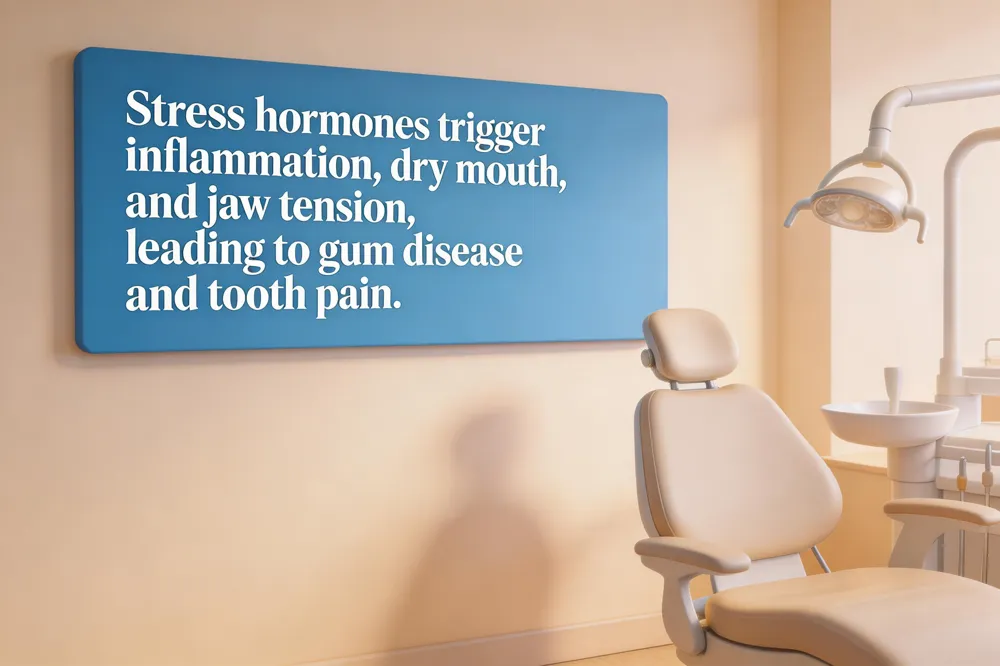 Cortisol and adrenaline released during stress trigger inflammation in the gums, suppress immunity, and reduce saliva, creating a dry‑mouth environment that favors bacterial growth.
Can stress cause tooth and jaw pain? Yes. Hormonal spikes cause jaw‑muscle tension and bruxism, wearing enamel, chipping teeth, and stressing the temporomandibular joint (TMJ). The resulting muscle soreness, headaches, and clicking jaw are common.
Can stress cause gum disease? Absolutely. Stress‑induced immune suppression and increased inflammatory mediators make gingival tissue more vulnerable to infection. Neglected oral hygiene and dry mouth further accelerate plaque buildup, leading to gingivitis and periodontitis.
Can stress affect your teeth and gums? Stress promotes bruxism, reduces saliva, triggers canker sores, and weakens immune defenses, all of which degrade enamel, increase cavities, and inflame gums.
Can stress cause gum pain? Inflammation from cortisol‑driven immune changes, combined with plaque accumulation and bruxism, produces tender, swollen, bleeding gums that hurt.
Effect of psychological distress on oral health – cross‑sectional study: Large surveys (e.g., Toronto adults, Saudi and, Indian cohorts) show higher perceived stress scores correlate with poorer self‑rated oral health, higher oral‑pain ratings, and greater prevalence of caries and periodontal disease, even after adjusting for age, sex, and income.
Management: regular check‑ups, night guards, stress‑reduction techniques (meditation, breathing, exercise), hydration, and diligent brushing/flossing can mitigate these effects.
Stress, Infection, and Emergency Scenarios
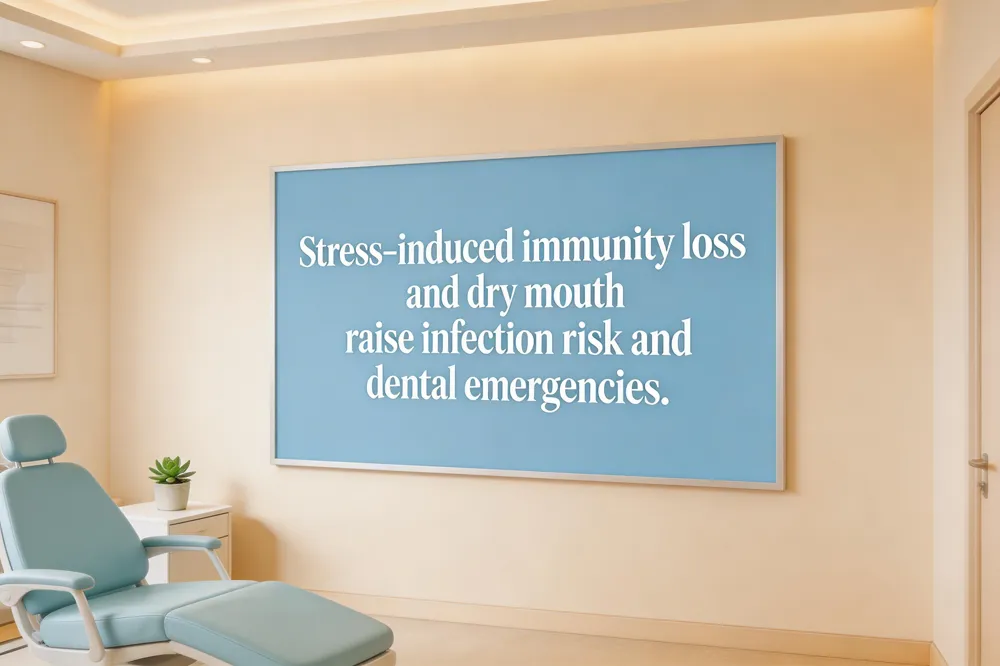 Stress triggers cortisol and adrenaline, which suppress immunity and reduce saliva, creating a dry mouth that allows plaque and bacteria to thrive. This immune suppression raises the risk of gum inflammation progressing to a tooth infection. Common dental emergencies include a severe tooth abscess or infection, an intense persistent toothache, a broken or knocked‑out tooth or restoration, and a lost or displaced filling or crown. Extreme stress can precipitate bruxism, dry mouth, neglected oral hygiene, and heightened inflammation, leading to enamel wear, cavities, periodontal disease, and TMJ disorders. When tooth pain appears without obvious decay, possible causes are exposed dentin, sinus pressure, referred TMJ pain, or stress‑induced muscle tension. Although stress does not directly pull teeth out, chronic stress can foster periodontitis that weakens the supporting bone, eventually causing loose teeth. Managing stress through relaxation techniques, proper nutrition, regular check‑ups, and protective night guards helps prevent these emergencies and preserves oral health.
Psychosomatic and Anxiety‑Related Tooth Pain
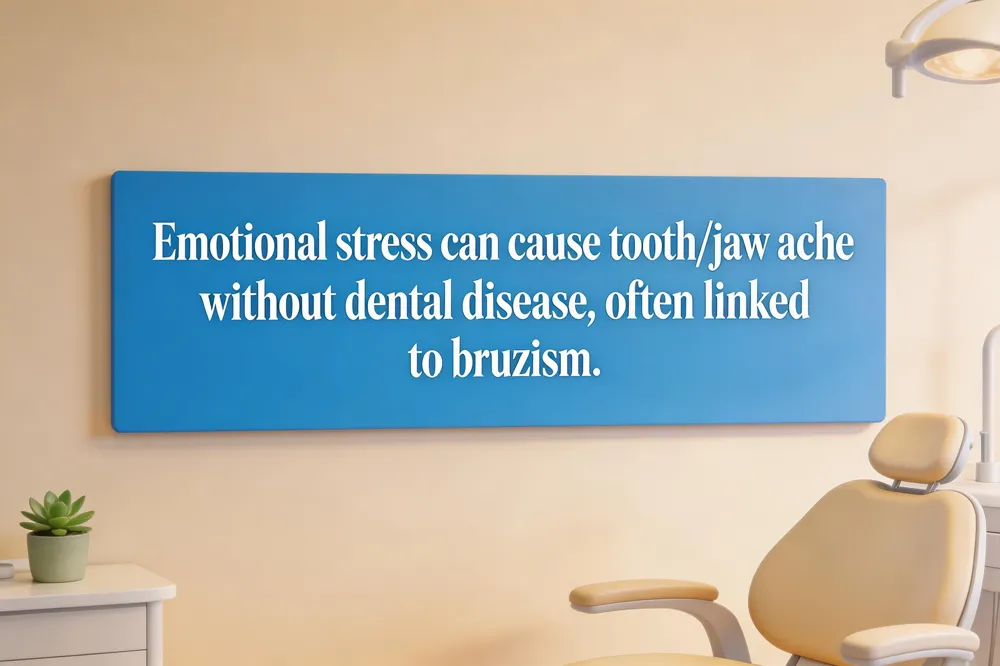 Psychosomatic tooth pain is discomfort in the teeth or jaw that cannot be linked to any identifiable dental disease; instead it originates from emotional stress, anxiety, or other psychological factors. It often appears as a dull ache, tingling, or pressure that feels much worse than the underlying stimulus. Anxiety‑driven sensations can be amplified by bruxism—unconscious clenching or grinding that creates muscle tension in the jaw, wears enamel, and heightens pain perception. Reddit users frequently report that ordinary tooth sensitivity becomes sharp or pressure‑like during anxious episodes, and many find relief through deep‑breathing, mindfulness, or therapy, while still emphasizing the need for a professional dental exam to rule out cavities, infection, or cracked teeth. Treatment begins with a thorough clinical evaluation to exclude pathology. If pain is truly psychosomatic, the focus shifts to stress‑reduction strategies (cognitive‑behavioral therapy, meditation, regular exercise) and protective measures such as a custom‑fitted night guard for bruxism. Referral to a mental‑health professional and regular dental follow‑ups provide a collaborative, compassionate approach that addresses both the emotional trigger and the oral manifestation, delivering the most effective relief.
Practical Stress‑Management and Preventive Care
 Daily stress‑relief techniques such as deep‑breathing, mindfulness meditation, yoga, and short walks lower cortisol, improve immune function, and reduce jaw‑muscle tension that leads to bruxism. Wearing a custom night guard or other protective appliance shields teeth from grinding forces, prevents enamel wear, and eases TMJ strain. During stressful periods, strict oral‑hygiene habits—brushing twice a day with fluoride toothpaste, daily flossing, and antimicrobial mouthwash—are essential; they remove plaque that would otherwise accelerate cavities and gum inflammation. Stay well‑hydrated to combat stress‑induced dry mouth, and limit sugary snacks that further fuel decay.
Can stress cause gum disease? Yes. Cortisol‑related immune suppression and inflammation make gums more vulnerable, while neglect of hygiene and increased sugar intake accelerate plaque buildup.
Can stress affect your teeth and gums? Absolutely. Bruxism, reduced saliva, and heightened inflammation damage enamel, irritate nerves, and provoke gum bleeding.
When to seek emergency care? If you experience sudden tooth pain, a broken tooth, swelling, or persistent gum tenderness that does not improve with home care, contact an emergency dentist promptly to prevent infection and more extensive treatment.
Your Same‑Day Emergency Dental Options in Paterson, NJ
 Lincoln Dental Associates and its Paterson office specialize in urgent, same‑day care for dental emergencies. With Over 40 years of clinical experience combined with state‑of‑the‑art technology—digital imaging, intra‑oral scanners, and painless anesthesia—the team can diagnose and treat problems quickly and comfortably. Multilingual dental teams (English, Spanish, and Arabic) ensure clear communication, reducing anxiety for stressed patients.
Can stress cause tooth infection? Stress weakens the immune system, reduces saliva, and often leads to missed oral‑hygiene habits. These factors allow plaque and bacteria to accumulate, while stress‑related bruxism creates enamel cracks that serve as entry points for infection. Consequently, stress can increase the likelihood and severity of a tooth infection.
What are the four common dental emergencies? 1) Tooth abscess or severe infection with swelling and pain. 2) Persistent, intense toothache indicating decay or nerve damage. 3) Broken, chipped, or knocked‑out tooth/restoration needing immediate preservation. 4) Lost or displaced filling/crown requiring urgent repair.
To access urgent care, call the practice’s dedicated emergency line or use the online portal for same‑day appointments. Early treatment relieves pain, prevents complications, and protects your smile.
Take Control of Stress Before It Takes a Bite Out of Your Health
Stress can reveal itself in the mouth before you notice any pain. Look for early warning signs such as jaw tension, morning headaches, worn or flattened teeth, bleeding gums, dry mouth, canker sores, or increased sensitivity. Managing stress with deep‑breathing, meditation, regular exercise, and adequate sleep reduces the frequency of bruxism and helps the immune system keep gum disease at bay. Protective tools like a custom night guard or splint shield teeth from grinding forces and ease TMJ strain. Keep up with bi‑annual dental check‑ups, and call your emergency dentist promptly if you experience a broken tooth, severe toothache, or rapid gum swelling.