Introduction
A dental crown restores a tooth's strength, function, and appearance after damage or decay. Patients today prioritize both treatment outcomes and convenience—wanting a restoration that fits precisely, looks natural, and lasts. Balancing these priorities requires understanding the differences between crown options, including material choices and procedural steps, to make an informed decision aligned with individual dental health needs and lifestyle.
Understanding CEREC Same‑Day Crowns
What are CEREC same‑day crowns and how do they work?
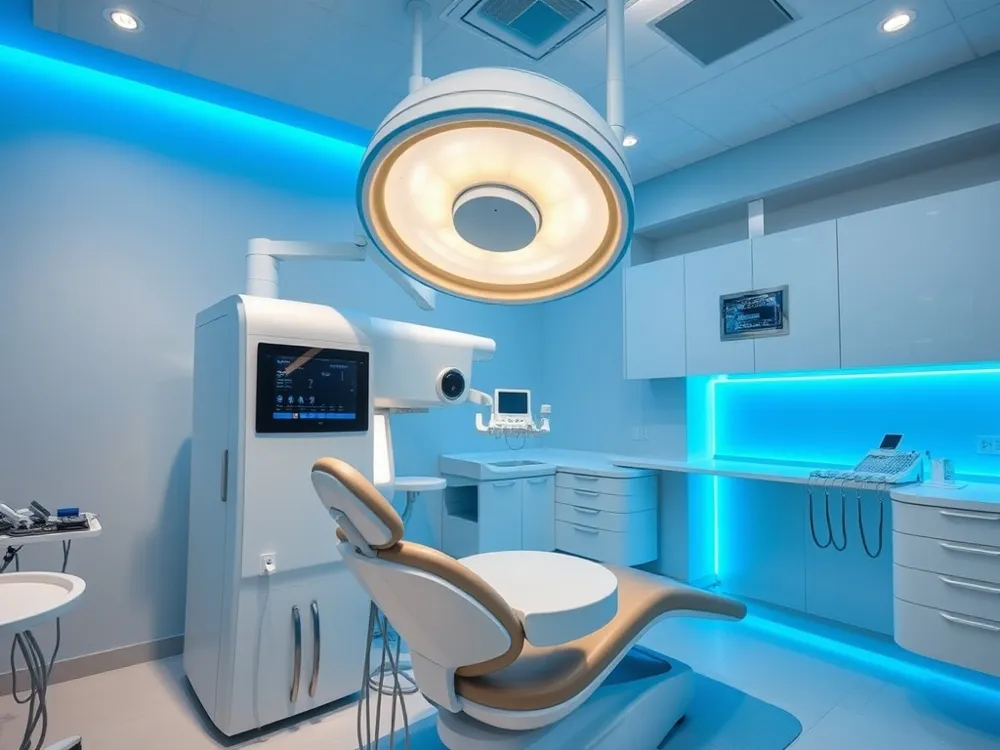
CEREC (Chairside Economical Restoration of Esthetic Ceramics) crowns are permanent ceramic restorations created in a single appointment using digital technology. Instead of messy impressions, your dentist uses an intraoral scanner to capture a precise 3D image of your tooth. Computer‑aided design (CAD) software customizes the crown’s shape, size, and shade. The design is sent to an in‑office milling machine that carves the crown from a high‑quality ceramic block in about 15–20 minutes. After necessary finishing, the crown is bonded securely to your tooth, restoring function and appearance immediately.
Can a crown really be done in one visit?
Yes, absolutely. Using CEREC technology, the entire process—tooth preparation, digital scanning, crown design, milling, polishing, and placement—takes about 60–90 minutes. You leave with a permanent, natural‑looking crown without the need for a temporary restoration or a second appointment. The ceramic materials, such as lithium disilicate or zirconia, are durable and aesthetically pleasing, suitable for most front and back teeth. Your dentist will evaluate your specific case to ensure same‑day treatment is appropriate.
Longevity and Performance
How long do same‑day crowns last?
With proper care, same‑day crowns typically last 10 to 15 years, and many achieve 20 years or longer. Clinical studies report survival rates of 95–98% over five years for high‑strength ceramic crowns (e.g., lithium disilicate, zirconia). Their lifespan depends on oral hygiene, diet, and habits like grinding. Precise digital fit and high‑quality materials further enhance durability.
Are crowns made in‑office (by your dentist) good quality?
Yes. Same‑day CEREC crowns are milled from solid ceramic blocks that match the strength and appearance of lab‑made crowns. Advanced digital impressions ensure a precise, comfortable fit with marginal gaps under 100 µm. While some studies note lab crowns may offer slightly better long‑term precision, modern same‑day technology has closed that gap. In‑office crowns also preserve more natural tooth structure and eliminate the need for temporary crowns, making them an excellent, durable option.
Comparing Same‑Day and Traditional Lab Crowns
Fit and Precision
Clinical studies in the Journal of Prosthetic Dentistry indicate conventionally fabricated crowns often achieve a more precise internal fit than digitally milled same‑day crowns. Traditional impressions can also capture sub‑gingival details more accurately than digital scans.
Material and Strength
Same‑day crowns are typically all‑ceramic (e.g., lithium disilicate), offering natural aesthetics. Traditional crowns can be made from stronger materials like porcelain‑fused‑to‑metal or gold, making them preferable for high‑stress molars.
When Each Is Preferred
Same‑day crowns suit busy patients needing a quick, single‑visit solution for straightforward restorations. Traditional lab crowns are better for complex cases, fractures below the gum line, or when maximum longevity and material options are critical.
Are same‑day crowns as good? For many patients, yes—durability and aesthetics are comparable. However, traditional crowns may offer a better fit and greater strength for back teeth. Are they more expensive? Costs are generally similar; same-day crowns can be slightly more cost-effective by eliminating lab fees and multiple visits. Your dentist will recommend based on your clinical needs.
Patient Experience, Convenience, and Emergency Care
The single-visit workflow of same-day crowns offers significant convenience for patients, reducing time away from work and eliminating the need for multiple appointments. The immediate placement of a permanent crown means no temporary crown is needed, which avoids potential discomfort, dislodgement, or dietary restrictions associated with temporary restorations. This streamlined process can be especially valuable for emergency cases, such as a cracked or fractured tooth, providing a permanent solution in a single visit and reducing the risk of further damage or infection. Multilingual dental teams can clearly explain the same-day crown process in languages like English, Spanish, and Arabic, improving patient understanding and comfort throughout the procedure.
What is the 3-3-3 rule for a tooth infection?
The 3‑3‑3 rule is a temporary pain‑management strategy for tooth infections involving taking 600 mg of ibuprofen three times a day (every eight hours) for no more than three days. Ibuprofen reduces swelling and pressure around the infected tooth, providing relief while awaiting professional care. This method is not a cure and does not treat the underlying infection, which requires prompt dental treatment. It should be avoided if you have kidney problems, stomach ulcers, or take certain medications, and the three‑day limit should never be exceeded without a dentist’s advice. Delaying professional care can worsen the infection and lead to more extensive, costly treatment.
Practical Considerations for Choosing Your Crown
What clinical factors determine the best crown for my tooth?
Choosing the right crown starts with a thorough dental evaluation. The location of the tooth is a primary factor. For anterior (front) teeth, aesthetics are usually the top priority, and all-ceramic crowns, whether same-day or lab-made, are an excellent choice for a natural look. For posterior (back) teeth, such as molars that endure heavy chewing forces, strength becomes critical. In these high-stress areas, some clinicians may still favor a lab-fabricated porcelain-fused-to-metal (PFM) or full-metal crown for superior fracture resistance.
The condition of your tooth also matters. If a fracture extends below the gum line, traditional impressions may capture this detail more accurately than digital scans used for same-day crowns, making a lab-fabricated crown a more stable option. For uncomplicated cases with adequate remaining tooth structure, both crown types are suitable. A dentist will also consider your bite forces (bruxism) and the need for a post-and-core build-up, which may lean toward a traditional lab crown for optimal reinforcement.
How do insurance coverage and overall costs compare?
Insurance coverage for both same-day and traditional crowns is generally comparable, as they are classified under the same restorative procedure codes. However, it is always wise to verify specific benefits and any differences in reimbursement with your provider.
From a financial standpoint, same-day crowns can be more cost-effective overall. The single-visit workflow eliminates the need for a temporary crown, as well as laboratory fees and the cost of a temporary crown. While the per-crown price may sometimes be slightly higher due to the advanced equipment, the reduction in additional visits and materials often results in lower total out-of-pocket expense for the patient. Laboratory crowns, by contrast, can be more expensive due to the additional steps and laboratory labor involved.
Why does preserving natural tooth structure matter?
A significant advantage of same-day crowns is their conservative preparation. Because the crown is milled from a solid block of ceramic, the dentist often needs to remove less of the natural tooth structure compared to some traditional crown preparations. This preservation of healthy tooth enamel is a core goal of modern restorative dentistry, as it maintains more of the tooth's inherent strength and integrity.
In contrast, traditional crowns, particularly those requiring a metal substructure, may necessitate a more aggressive removal of tooth structure to create adequate space for the restoration. While this is necessary for the crown's strength and fit, preserving as much natural tooth as possible is always the preferred approach for long-term dental health.
How do aesthetic outcomes differ between crown types?
Both same-day and lab-fabricated crowns aim to restore a natural appearance. Same-day crowns are milled from high-quality ceramic blocks that mimic the translucency of natural enamel, providing excellent aesthetics suitable for most anterior and posterior restorations. The digital workflow allows for accurate shade matching, often resulting in a high level of patient satisfaction.
For cases where the highest level of aesthetic customization is paramount—for example, a single front tooth that needs to blend perfectly with adjacent teeth—a laboratory crown may offer a slight advantage. Lab technicians have the time and materials to apply multiple layers of porcelain and use hand-crafted detailing to achieve exceptionally nuanced shade and translucency. This can be especially beneficial for complex cosmetic cases requiring a precise match of subtle color variations. Ultimately, the choice depends on your aesthetic goals and the complexity of the restoration.
| Consideration | Same-Day Crowns | Traditional Lab Crowns |
|---|---|---|
| Primary Advantage | Convenience (single visit) | Fit & material selection |
| Tooth Preservation | More conservative removal | May require more removal |
| Aesthetic Potential | Excellent for most cases | Superior for complex shade matching |
| Stress Performance | Suitable for moderate bite forces | Often preferred for high-stress molars |
| Insurance Coverage | Typically comparable to lab crowns | Typically comparable to same-day crowns |
Conclusion
Recap of Same‑Day Crown Benefits
Same‑day crowns offer a convenient, single‑visit solution that eliminates temporary crowns and delivers immediate strength and aesthetics. Digital impressions enhance precision, often preserving more natural tooth structure. This streamlined approach saves time and can reduce overall costs, making it an attractive option for many patients.
Discuss Your Options with a Multilingual Team
Your choice depends on your unique dental needs, schedule, and aesthetic goals. A multilingual dental team can clearly explain both same‑day and conventional options, ensuring you feel informed and comfortable. Discuss your preferences during a consultation to select the restoration that best supports your long‑term oral health.