

Prioritizing Immediate Care for Your Dental Well-being
A dental emergency is often defined by the urgency of its symptoms, including uncontrollable bleeding, intense pain, or physical trauma What Is a Dental Emergency and Where To Go for Care. While many associate these crises purely with visible injuries, these events frequently require specialized protocols to save natural teeth and prevent systemic health risks Dental Emergencies - StatPearls - NCBI Bookshelf - NIH. Quick action is essential, as the American Dental Association classifies these conditions as potentially life-threatening if ignored.
At davidmmayerdmd.com, our practice understands that dental pain is not merely a localized annoyance but a signal requiring immediate professional evaluation. Unlike general emergency rooms, which often only offer temporary pain relief and lack the restorative tools for tooth repair, our clinical team focuses on same-day emergency treatment to provide definitive solutions. By prioritizing rapid intervention and utilizing modern diagnostic technology, we ensure your oral health is restored efficiently, preventing minor fractures or infections from escalating into expensive, long-term complications.
Recognizing When a Dental Problem Requires Immediate Professional Attention
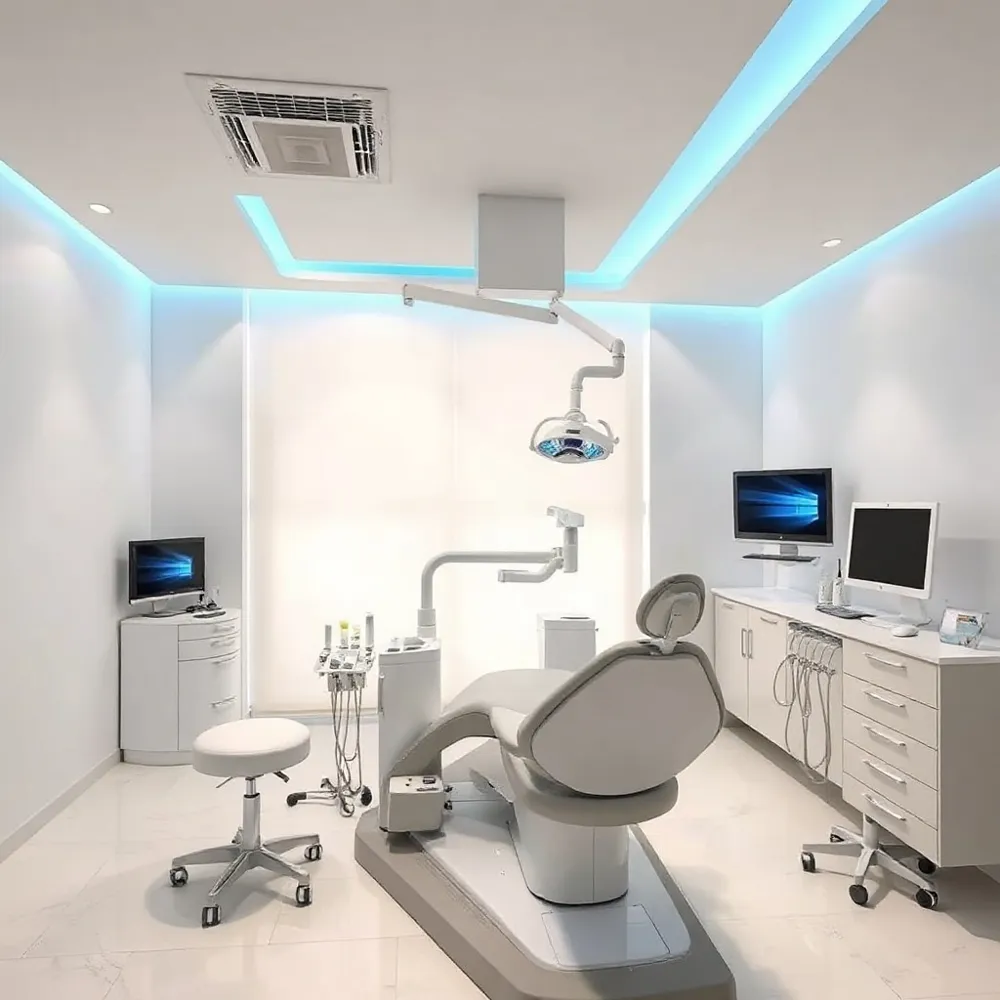 A dental emergency is defined as any condition requiring prompt professional intervention to alleviate severe pain, stop uncontrolled bleeding, or address potentially life-threatening infections. While this includes obvious traumatic injuries like knocked-out, severely chipped, or fractured teeth, it also encompasses persistent swelling or abscesses that could lead to airway compromise or the spread of infection to surrounding facial structures Dental Emergencies - StatPearls - NCBI Bookshelf - NIH. Post-procedural complications that result in extreme discomfort or ongoing hemorrhaging also necessitate immediate care. Because untreated dental issues can progress rapidly and lead to serious health consequences, seeking timely treatment is essential for both symptom relief and preventing long-term damage What Is a Dental Emergency and Where To Go for Care.
Patients often struggle to differentiate between manageable discomfort and a true urgency. Minor symptoms, such as fleeting sensitivity or a chipped cusp, may wait for a routine appointment. In contrast, sharp, throbbing pain that disrupts sleep or daily function serves as a signal that the underlying pathology requires immediate diagnostic imaging and intervention. Same-day assessments can help resolve these acute issues before they necessitate complex extractions or root canal procedures.
Ignoring early warning signs like persistent aches is a significant clinical risk. A dull ache can hide an advancing periapical abscess, which, if untreated, can spread bacteria systemically and lead to severe swelling or airway compromise Dental Emergencies - StatPearls - NCBI Bookshelf - NIH. While some individuals attempt to mask pain with over-the-counter medications, this only provides temporary relief and fails to address the root infection. Prompt evaluation can help stabilize oral health immediately, whereas waiting for symptoms to resolve naturally often leads to the loss of tooth structure that could have been saved with earlier action Dental Emergency - What if I break a Tooth - MouthHealthy.
The Critical Window for Treating Traumatic Dental Injuries
 When a dental injury involves a knocked-out tooth, time is the most significant factor in determining the outcome. Dental professionals emphasize that the best chance for saving a permanent tooth involves reinsertion within 60 minutes of the event, with the highest success rates documented when the procedure occurs within the first 30 minutes Dental Emergencies - StatPearls - NCBI Bookshelf - NIH. Quick action is vital for preserving the periodontal ligament cells required for successful integration back into the socket.
- Handle the tooth only by the crown rather than the root to avoid damaging sensitive tissue.
- Attempt to gently place the tooth back into its socket if possible, or keep it stored in milk, saline, or your own saliva while you travel to your appointment What to Do in a Dental Emergency.
- Avoid using tap water for extended storage, as it can be harmful to the cells on the root surface Dental Emergency - What if I break a Tooth - MouthHealthy.
How quickly should I seek care for a dental emergency?
You should seek professional attention as soon as possible if you are experiencing a dental emergency. While a knocked-out tooth requires immediate action within that critical one-hour window, other urgent issues such as severe, persistent pain, facial swelling, or significant structural damage like fractures should be addressed within 24 hours to prevent long-term complications Dental Emergencies - StatPearls - NCBI Bookshelf - NIH. At davidmmayerdmd.com, we prioritize these urgent cases to help patients avoid the need for more invasive procedures. Please seek immediate medical attention at an emergency room or by calling 911 if you experience severe injuries to your jaw, uncontrollable bleeding, or swelling that causes difficulty breathing or swallowing. Our team provides prompt, compassionate support for your urgent needs in Paterson.
Emergency Room Versus Specialized Dental Care
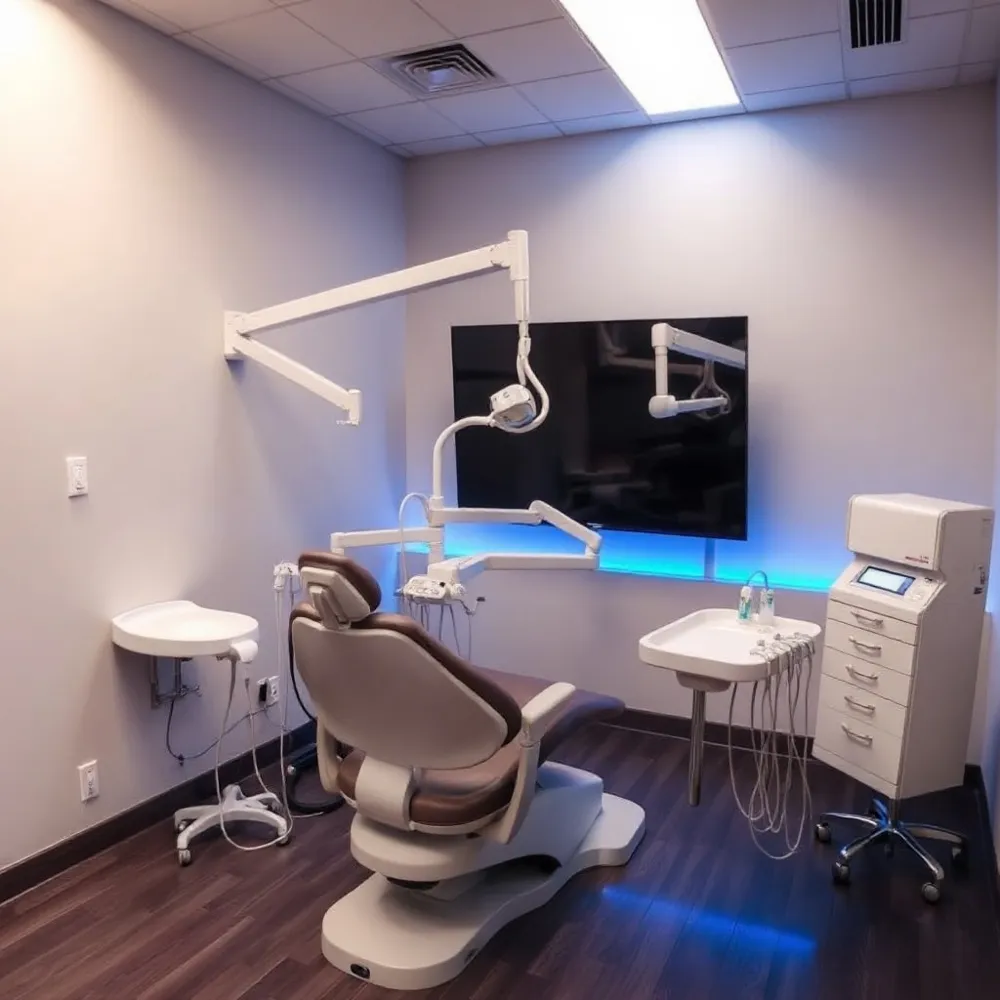 When a dental issue causes intense pain or trauma, the immediate instinct might be to visit the closest hospital room. However, hospital emergency departments often lack the specialized staff and equipment required to perform essential restorative interventions like fillings or crown repairs. While emergency rooms are vital for managing life-threatening situations, such as airway compromise or severe facial bone fractures, they typically offer only temporary relief in the form of pain medication or antibiotics What To Do in a Dental Emergency.
Should I go to a hospital emergency room for a dental issue?
Your dentist should always be the primary point of contact for any urgent oral health concern. At davidmmayerdmd.com, our approach prioritizes same-day emergency treatment to address the root cause of the discomfort. Unlike general hospital staff, specialized dental teams provide the targeted diagnostics necessary for serious injuries like knocked-out teeth, where the one-hour window for successful reimplantation is critical.
Exceptions occur when injuries escalate into systemic threats. If you face difficulty breathing, uncontrolled bleeding that persists for several minutes after applying pressure, or severe facial swelling that impacts your vision or ability to swallow, seek immediate hospital care. For all other issues, including persistent toothaches or structural damage, reaching out to a dedicated dental practice ensures you receive definitive care without the limitations found in an emergency medical setting.
Restorative Procedures During Emergency Visits
Restorative dentistry serves as an essential branch of dental care, focusing on the repair or replacement of teeth to restore natural function and aesthetic appearance. These procedures become necessary when your oral health is compromised by decay, physical trauma such as cracks or fractures, or the total loss of a tooth. By employing targeted treatments, dental professionals can alleviate intense discomfort and prevent the escalation of minor issues into systemic health complications.
Common restorative treatments in emergency situations
When a dental emergency strikes, such as a lost crown or a fractured filling, the immediate goal is to stabilize the tooth structure and prevent further damage. At davidmmayerdmd.com, our team utilizes advanced diagnostic tools to assess the impact of such damage, often performing prompt interventions that go well beyond the temporary fixes found in general emergency rooms. While hospital settings may provide antibiotics for pain per NCBI StatPearls, they cannot perform the specialized crown recementation or restorative dentistry required for permanent resolution.
- Crown recementation to protect the underlying tooth structure.
- Filling repair or replacement to seal exposed nerves and prevent sensitivity.
- Temporary stabilization of broken or chipped teeth to maintain function until a permanent restoration is crafted.
- Root canal therapy to resolve severe pulp infection and preserve natural tooth structure.
Addressing these concerns promptly is vital for your long-term oral functionality. Neglecting a damaged restoration often forces patients toward more invasive and costly requirements later, such as bridges or implants, rather than simpler repairs per MouthHealthy. By seeking professional care early, you return to your normal routine with improved confidence and a restored smile, safeguarding both your health and your financial well-being.
Advantages of Immediate Professional Intervention
Seeking professional emergency dental care ensures you receive immediate relief from intense pain, helping you return to your daily routines without delay. What To Do in a Dental Emergency describes prompt treatment as critical, as it allows experts to quickly assess and address injuries, which effectively prevents permanent damage or life-threatening infections. Professional emergency dental care provides comprehensive, specialized options tailored to your specific trauma, rather than just the temporary pain management available in other settings.
What are the primary benefits of seeking professional emergency dental care?
Professional care offers significant peace of mind through a comfortable, supportive environment designed to alleviate the anxiety and stress often associated with urgent dental situations. Dental Emergencies - StatPearls - NCBI Bookshelf - NIH emphasizes that early identification and prompt intervention are essential to preventing long-term morbidity. Professional approaches prioritize these interventions to avoid the clinical complications that arise when trauma or infection is left untreated. Handling issues while they remain localized acts as a vital step in protecting your long-term oral health, often preventing the need for the more extensive and costly restorative procedures that develop once minor conditions escalate.
| Benefit Type | Clinical Impact | Patient Value |
|---|---|---|
| Pain Management | Stops acute suffering | Immediate comfort |
| Infection Control | Prevents systemic spread | Long-term wellness |
| Financial Care | Avoids complex surgery | Cost saving |
Preventive Strategies for Long-term Oral Health
Consistency serves as the foundation of lasting oral health. Adopting proactive habits, such as wearing custom mouthguards during contact sports and scheduling regular checkups, helps detect structural issues before they escalate into urgent dental crises Preventive Strategies for Long-term Oral Health.
What is the 2-2-2 rule in dentistry?
The 2-2-2 rule provides a simple guideline to maintain hygiene and reduce the need for restorative intervention. You should brush your teeth twice daily, spending two minutes during each session to ensure thorough plaque removal. Additionally, visiting a dentist at least twice a year for professional cleanings allows for the detection of early decay or gum inflammation. Incorporating these steps can significantly lower your risk of developing infections that might otherwise require specialized care.
Does dental insurance typically cover emergency procedures like tooth extractions?
Insurance coverage for acute procedures like tooth extractions varies based on your specific plan. Many providers offer partial coverage for oral surgery, though your out-of-pocket costs and deductibles will depend on your policy details Understanding insurance coverage for emergencies. We encourage patients to review their member dashboard or consult with their insurer to understand their financial responsibility. At davidmmayerdmd.com, our staff assists you in navigating these benefits to ensure your care remains efficient and accessible.
Commitment to Your Dental Care in Paterson
Selecting a trusted local provider is the foundation of long-term oral wellness. Unlike general emergency facilities that may lack the resources for specialized dental procedures, a consistent local dental practice offers personalized attention and clinical history that improves your diagnostic outcomes. Maintaining oral health depends on regular diagnostic check-ups, which serve as the most effective strategy to prevent minor cavities from evolving into systemic infections that threaten your overall well-being.
Prioritizing preventative care protects your smile and your financial goals by reducing the need for complex, reactive treatments. Whether you require immediate attention for a dental crisis or need to schedule your routine exam, our compassionate team in Paterson is ready to support your needs in English, Spanish, and Arabic. We offer accessible, efficient dentistry designed for your comfort, ensuring you never have to navigate a dental emergency alone.