

Understanding the Value and Efficiency of Same-Day Crowns
Modern dental care has shifted significantly toward efficiency through CAD/CAM technology. By integrating computer-aided design and manufacturing directly into clinical practice, we provide a streamlined alternative to the traditional multi-visit approach that once required weeks of laboratory work and temporary restorations.
Digital intraoral scanners have replaced the need for uncomfortable, messy impression materials. These devices capture highly accurate 3D images of your tooth, ensuring a precise fit and natural aesthetic. This transition away from conventional molds significantly enhances patient comfort while maintaining the durability expected of long-term tooth protection.
At davidmmayerdmd.com, we prioritize this advanced workflow to respect your time and comfort. While some practices still rely on external labs, our team utilizes in-office milling to fabricate your porcelain or ceramic cap in a single visit. This commitment ensures you spend less time in the chair without compromising on the quality or longevity of your restoration.
Longevity Expectations and Comparing Same-Day Options
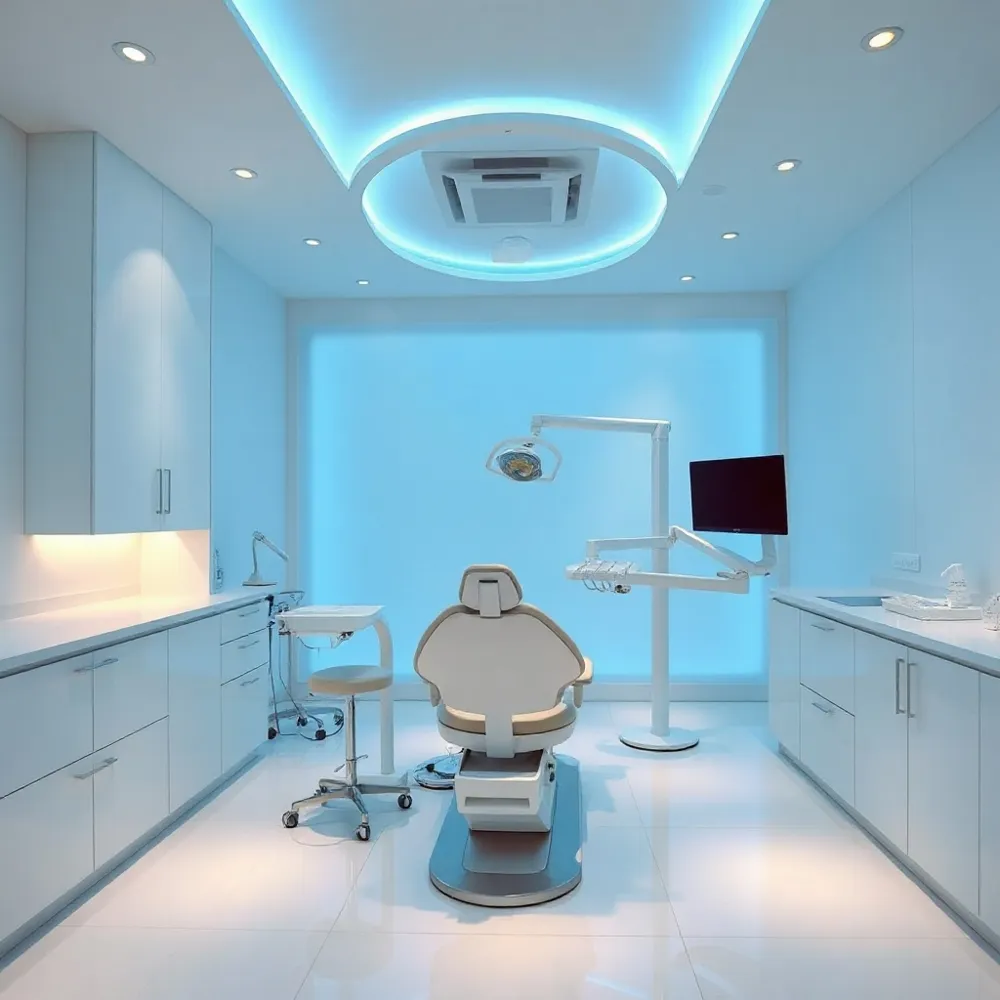 Advancements in CAD/CAM technology have made same-day restorations a practical standard in modern dentistry. These restorations, fabricated from high-grade ceramic or zirconia, are engineered to match the functional durability of traditional laboratory-crafted crowns. When properly maintained, both modern same-day options and conventional crowns typically provide a lifespan of 10 to 15 years, with some lasting significantly longer under ideal conditions.
The long-term success of any dental crown depends heavily on material choice and the specific circumstances of the restored tooth. While traditional crowns have long served as a baseline, research into CEREC restorations shows promising results, with data indicating an 85.7 percent survival rate over a 10-year period. At davidmmayerdmd.com, we utilize precision digital scanning to ensure each piece fits with high accuracy, which is a significant factor in preventing the structural failure or marginal decay often seen in less precisely fitted restorations.
How long do same-day crowns last compared to traditional crowns?
Same-day crowns offer durability and longevity comparable to traditional laboratory-made crowns. When maintained with good oral hygiene practices and regular dental check-ups, both types of restorations can typically last ten years or more. While the fabrication process differs, with same-day crowns utilizing advanced technology for single-visit completion, the functional lifespan remains consistent between the two options. The actual longevity of any crown can vary based on individual factors, including your specific oral health, bite forces, and personal habits like teeth grinding. Both same-day and traditional crowns serve as reliable, long-term solutions for restoring damaged teeth and protecting your oral health.
| Feature | Same-Day Crowns | Traditional Crowns |
|---|---|---|
| Typical Lifespan | 10-15+ years | 10-15+ years |
| Fabrication | In-office milling | External laboratory |
| Precision Basis | Digital 3D scan | Physical impressions |
Immediate Post-Procedure Care for Your New Restoration
 Understanding what occurs after your dental crowns procedure helps set realistic expectations for your recovery. It is normal to feel mild pressure or gum tenderness as the surrounding tissues adjust to the new restoration. You should expect this sensitivity to hot and cold temperatures to subside naturally within a few days to one week.
What can I eat or drink after receiving a permanent crown, and how long does it take for it to settle? Once your permanent crown is cemented, you should wait approximately 30 to 45 minutes before eating to allow the bonding material to set. While you can typically return to your normal diet shortly thereafter, it is best to avoid exceptionally sticky or hard foods for the first 24 hours to ensure the cement fully hardens. For the first few days, sticking to a softer diet can help if the surrounding gum tissue feels tender. When drinking, it is recommended to opt for beverages at moderate temperatures and limit sugary or highly acidic drinks. You should feel fully accustomed to your new crown within a few weeks, though if you experience persistent pain or discomfort, please contact our office for a follow-up.
- Avoid chewing on the side where the crown was placed until the effects of any local anesthesia have completely faded.
- Refrain from consuming very hard or crunchy items like ice, nuts, or popcorn kernels to protect the integrity of the bond during the first 24 hours.
- Resume your daily oral hygiene routine, using a gentle brushing technique to clean the area without causing irritation.
- Schedule an immediate post-procedure care consultation at davidmmayerdmd.com if you notice persistent bite discomfort or if the restoration feels loose.
Essential Daily Habits for Sustained Crown Health
Your dental crowns act as durable shields for your teeth, but their long-term integrity depends heavily on your daily commitment to oral hygiene. At davidmmayerdmd.com, we emphasize that while the restoration itself cannot decay, the natural tooth structure underneath remains susceptible to plaque accumulation if cleanliness is compromised.
Effective Brushing and Flossing Techniques
- Brush at least twice daily using a soft-bristled toothbrush and fluoride toothpaste to gently clean the surface without causing abrasion.
- Floss once every day, employing a controlled C-shape motion rather than snapping the floss into the gum line to prevent the accidental dislodging of your restoration.
- Incorporate an antibacterial mouthwash into your routine to help clear bacteria from hard-to-reach areas around the crown margin.
Beyond routine cleaning, protecting your restoration from physical trauma is vital. Many patients mistakenly use their teeth as household tools, such as opening packages, biting fingernails, or tearing plastic. This habit exerts intense, localized pressure that can lead to fractures or premature loosening of the ceramic material. If you frequently clench or grind your teeth, you should discuss wearing a custom nightguard with our team. We offer this protective measure to shield the crown from the excessive bite force that contributes to premature wear.
To maximize the lifespan of your dental crown, prioritize a consistent oral hygiene routine that includes brushing twice daily with fluoride toothpaste, daily flossing to clean the crown's margins, and the use of an antimicrobial mouthwash. Protect your restoration from physical stress by avoiding habits like chewing ice, biting down on extremely hard foods, or using your teeth as tools to open packages. If you suffer from bruxism, or teeth grinding, it is essential to wear a custom-fitted nightguard to shield the crown from excessive bite force. Regular professional care is equally vital, so be sure to attend biannual dental exams and cleanings to allow your dentist to monitor the integrity of the crown and the health of the surrounding gum tissue. By combining diligent at-home care with expert professional oversight, you can ensure your crown remains functional and durable for many years.
Professional Monitoring and Identifying Warning Signs
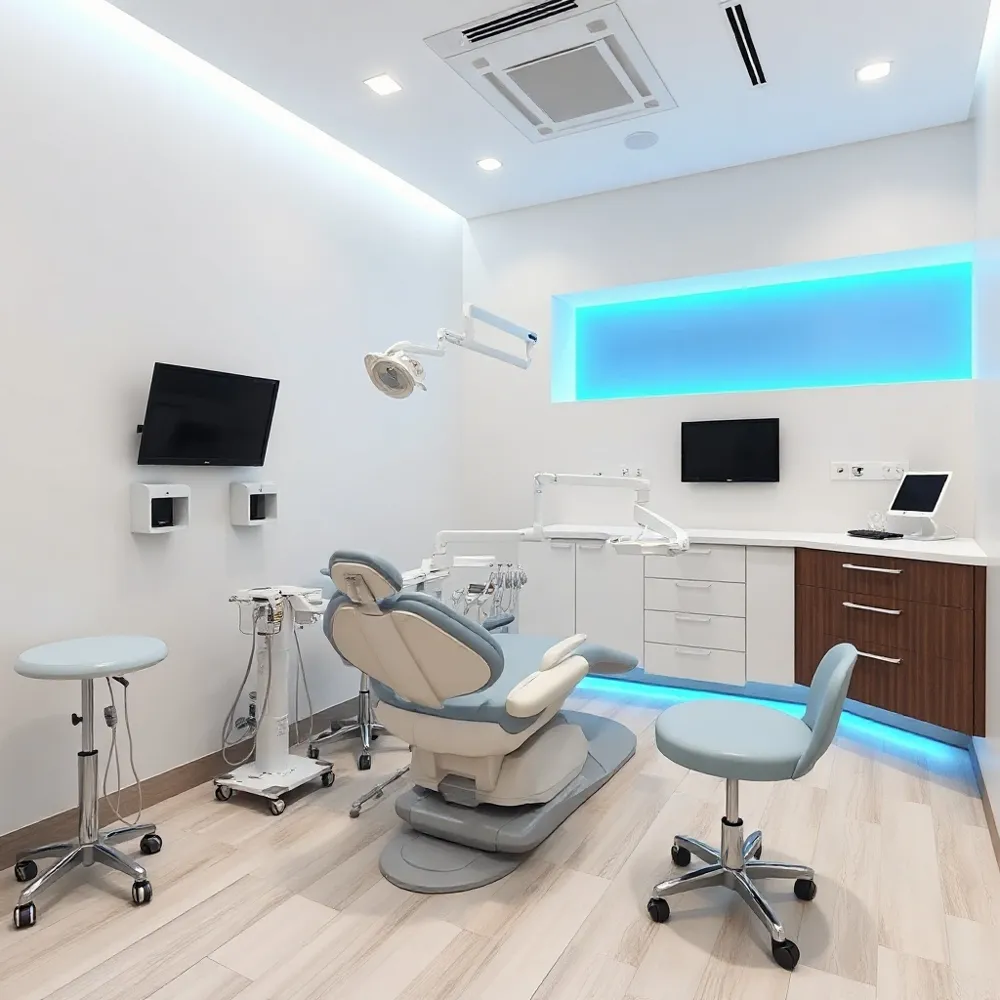 While dental crowns are highly effective for restoring tooth function and aesthetics, there are potential drawbacks to consider. A primary disadvantage is the need to permanently remove a portion of your natural dental enamel to reshape the tooth, which is an irreversible procedure. Some patients may also experience temporary sensitivity to hot or cold temperatures immediately following placement. Additionally, crown margins can occasionally accumulate plaque if not cleaned properly, and there is a possibility that the crown may eventually need repair or replacement over time. In infrequent cases, complications can arise if the underlying tooth structure experiences issues, requiring further dental intervention.
Routine checkups at davidmmayerdmd.com offer the most reliable way to catch these complications before they escalate. Biannual exams allow our team to conduct a comprehensive assessment of your margins, bite alignment, and the health of underlying gum tissue. During these visits, we prioritize professional polishing over conventional chemical whitening. Traditional whitening agents are designed for natural enamel and do not affect the color of porcelain or ceramic, whereas professional polishing effectively removes surface stains and plaque buildup without risking damage to the restoration.
Understanding when a change in your mouth requires an urgent evaluation is essential for long-term health. Be mindful of indicators such as a feeling of looseness or a subtle shift in how your teeth meet when biting. If you notice persistent sensitivity, visible chips in the material, or a recurring bad taste near the gum line, notify our office promptly. These warning signs are often manageable when addressed early, preventing more extensive damage or the need for a full replacement.
- Persistent sensation of a loose or wobbly restoration
- A sudden change or discomfort in your daily bite alignment
- Visible structural damage such as chips, cracks, or fractures
- Lingering sensitivity to extreme temperatures after the initial healing phase
- Signs of gum inflammation, including redness, swelling, or persistent tenderness
Protecting Your Smile Through Consistent Professional Care
Your long-term oral health depends on a combination of disciplined daily habits and diligent clinical oversight. While dental crowns provide a robust, life-like solution to tooth damage, they are not immune to the pressures of daily use. Maintaining the structural integrity of your restoration prevents issues such as gum disease or decay at the margin of the underlying tooth.
At our full-service practice in Paterson, NJ, our team prioritizes a collaborative relationship that keeps your smile functional and comfortable. Regular check-ups are more than simple cleanings, as they allow us to monitor the fit of your crown, assess the health of adjacent gum tissue, and address minor adjustments before they develop into major restorative needs. This proactive stance ensures that your investment in a high-quality, efficient restoration continues to serve its protective purpose for years to come.
- Schedule professional exams every six months to verify stability and bite alignment.
- Communicate early regarding any localized sensitivity or awareness of a loose fit.
- Consider an annual review of your dental health goals with our multilingual staff.
- Prioritize preventative care to avoid more intensive emergency interventions.
Consistent professional monitoring provides the peace of mind that your teeth are well-protected. We welcome all patients to visit our Paterson office for a comprehensive assessment, ensuring your dental health foundation remains strong, efficient, and healthy.