
A Needed Crown Can Often Proceed
Finding out that a damaged tooth needs a crown while you are pregnant can raise an immediate question: is it safer to treat the tooth now or wait until after delivery? A needed crown does not automatically have to be postponed. Leaving a dental problem untreated may allow it to become more complex.
The American Dental Association (ADA) considers preventive, diagnostic, and restorative dental care safe throughout pregnancy. Because a crown is restorative treatment, its guidance supports receiving one when it is needed to protect oral health. The ADA’s pregnancy guidance also notes that necessary dental care can be provided at any stage of pregnancy.
Whether to proceed depends on the tooth’s condition, the treatment required, and your health. Tell the dental team that you are pregnant, how far along you are, and about any pregnancy-related concerns or medications. The dentist can explain the proposed care and, when appropriate, coordinate with your prenatal clinician. At davidmmayerdmd.com, patients can discuss treatment with a multilingual dental team serving families in English, Spanish, and Arabic.
How Dentists Decide Whether a Crown Is Needed
 A crown may be recommended when a tooth needs restorative care, but it is not the automatic solution for every cavity or damaged tooth. Your dentist examines the tooth and considers the extent of the problem, its condition, and the treatment plan before deciding whether a crown or another option is appropriate. At davidmmayerdmd.com, patients can discuss restorative care with a team that provides crowns as part of its broader dental services.
Can cavities be filled or crowns be placed during pregnancy, or should these treatments be postponed? The American Dental Association’s pregnancy guidance considers necessary restorative treatment safe throughout pregnancy. The American College of Obstetricians and Gynecologists’ guidance also supports prompt care for dental problems, including untreated cavities. Delaying a problem can allow it to become more complex, so pregnancy alone is not a reason to automatically postpone a needed crown.
The distinction is between treatment intended to restore a tooth or address disease and care sought only for appearance. A dentist may recommend a crown when the tooth’s needs call for one; elective cosmetic procedures can generally wait until after birth. Timing should reflect the tooth’s condition, your health, and any pregnancy-related concerns, with your prenatal clinician involved when appropriate.
Contact a dentist promptly if you have significant tooth pain, swelling, or signs of infection rather than waiting until delivery. At davidmmayerdmd.com, the practice offers same-day emergency treatment alongside restorative services, allowing urgent concerns to be assessed and a suitable plan discussed.
Choosing Timing for Nonurgent Treatment
For a nonurgent crown, the second trimester may be a convenient time to plan treatment. But it is not a required window: the American Dental Association says needed dental examinations and treatment can take place throughout pregnancy, and the trimester alone is not a reason to postpone care. ADA pregnancy guidance supports treating dental problems when care is needed.
A dentist can weigh the condition of the tooth, the extent of treatment, and the patient’s comfort when choosing an appointment date. Sitting back in the dental chair for a long time may feel less comfortable later in pregnancy, so the team can discuss breaks or other adjustments. At davidmmayerdmd.com, patients can discuss a range of dental needs with a full-service practice in Paterson, including restorative care.
Share any pregnancy complications and recommendations from your prenatal-care team with the dentist. If the pregnancy is considered high-risk or there are specific concerns, the dental team may coordinate with the obstetrician before finalizing the plan. The American College of Obstetricians and Gynecologists’ guidance supports dental care during pregnancy and advises against automatically delaying treatment that is needed.
Do not wait for a preferred trimester if you develop tooth pain, swelling, or signs of possible infection. Contact a dentist promptly so the problem can be assessed and the appropriate next step planned. The team can consider your symptoms, pregnancy-related guidance, and comfort together.
Planning Imaging and Numbing
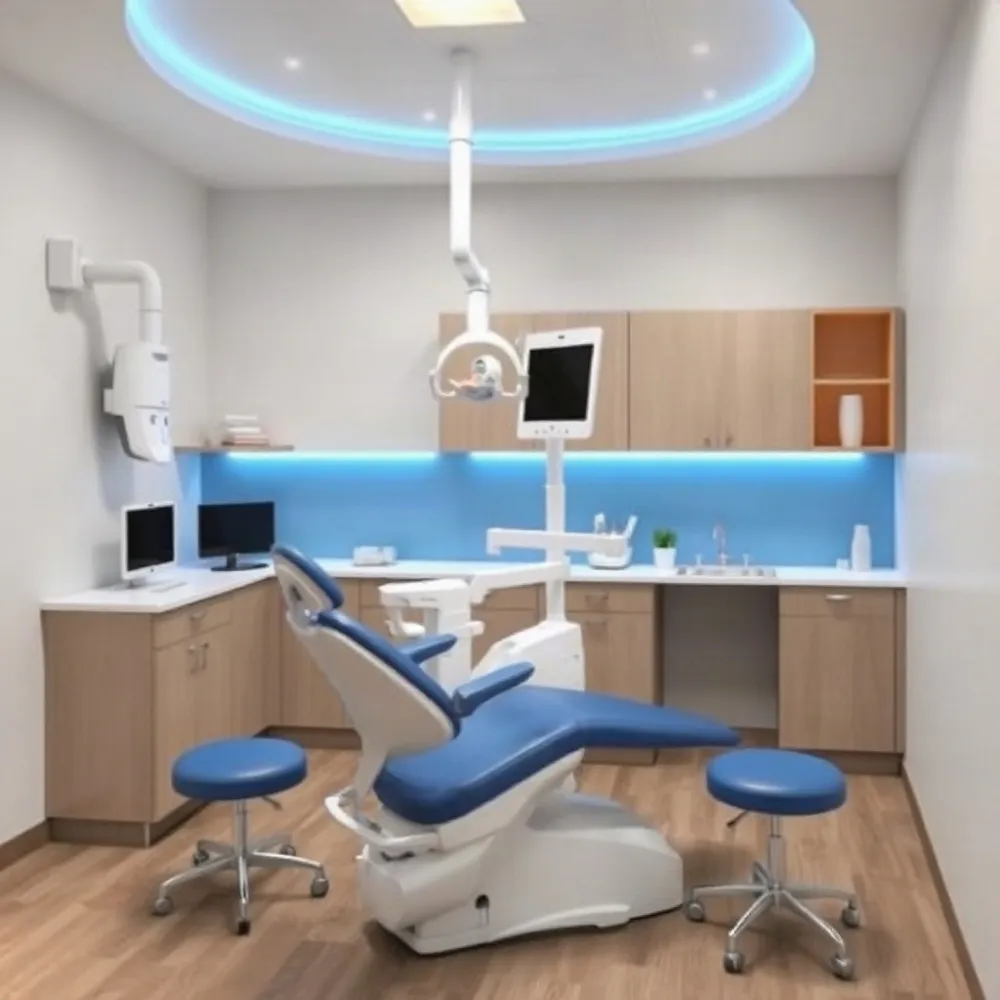 Before preparing a tooth for a crown, a dentist may need an X-ray to assess the tooth and plan treatment. The American Dental Association (ADA) considers dental radiographs safe at any stage of pregnancy when they are needed for care, and its current guidance does not recommend abdominal or thyroid shielding for pregnant dental patients. The ADA’s pregnancy guidance explains these recommendations.
This can be surprising if you have heard that a protective apron is always required. The dental team should decide whether an image is clinically necessary and follow appropriate radiation-safety practices. If you have questions, ask what the image will show and how it will inform your care. You can also review how dental imaging may help plan an extraction.
Can local anesthetics be used during pregnancy?
Yes. The ADA says local anesthetics, including lidocaine, may be used during pregnancy, with or without epinephrine. Numbing the area can make treatment more comfortable while the dentist works on the tooth. Tell the dental team if you are pregnant, how far along you are, and about any relevant health concerns or medications.
A high-risk pregnancy or a specific medical concern may call for added discussion. When appropriate, the dentist can coordinate with your obstetrician about your circumstances and treatment plan. At davidmmayerdmd.com, care ranges from routine family dentistry to crowns and other restorative treatment, giving patients a place to discuss imaging, comfort, and pregnancy-related concerns with the dental team.
Routine Visits Protect Oral Health
 Preventive dental exams and cleanings remain appropriate throughout pregnancy. The American Dental Association says preventive, diagnostic, and restorative care can be provided during pregnancy, so routine visits need not wait until after delivery. ADA guidance on pregnancy and oral health also supports addressing dental concerns as they arise.
Pregnancy can change how the mouth responds to daily conditions. Hormonal shifts may make gums more reactive to bacteria, while changes in eating habits, nausea, vomiting, dry mouth, or difficulty keeping up with brushing can contribute to tooth decay. Mention these changes at your appointment so the dental team can tailor its advice and care.
For home care, the ADA advises brushing twice a day for two minutes with a soft-bristled toothbrush and fluoride toothpaste, then cleaning between the teeth once a day. If vomiting occurs, rinse with one cup of water mixed with one teaspoon of baking soda rather than brushing immediately afterward. The rinse helps clear acid; brushing right away can expose softened enamel to abrasion.
Are dental cleanings and fluoride treatments safe during pregnancy? Routine cleanings are considered safe, and an in-office topical fluoride treatment may be appropriate if your dentist recommends it. Ask about any specific product or treatment, especially if you have a high-risk pregnancy, significant nausea, or other health concerns. Share how far along you are and any relevant medications or complications.
At davidmmayerdmd.com, routine checkups and cleanings are part of a full-service family dental practice in Paterson, with a multilingual team serving patients in English, Spanish, and Arabic. Regular visits can also help identify concerns early; this overview of preventive dental care explains how ongoing care can help reduce the chance of dental emergencies.
Make the Appointment Work for You
A little preparation can help your dental team tailor the visit to your needs. When booking or arriving, mention that you are pregnant, share your expected due date, and provide an up-to-date list of prescription medicines, over-the-counter products, vitamins, and supplements. Also explain whether your pregnancy is considered high-risk and pass along any relevant advice from your prenatal clinician. The ADA’s pregnancy dental-care guidance recommends sharing these details so the team can plan care and medication choices.
Coordination with your obstetrician may be helpful if you have special health concerns or if the dental team is considering medication for pain control. It does not mean every routine visit requires medical clearance. For patients with questions or added concerns, the multilingual team at davidmmayerdmd.com can discuss the dental plan in English, Spanish, or Arabic.
You can also ask about comfort before treatment begins. Keeping your legs uncrossed, bringing a small pillow, or listening to music through headphones may make time in the chair more manageable. Tell the dental team if your position feels uncomfortable or you need a pause.
Questions about when to schedule treatment, whether imaging is needed, or what anesthesia may be used are appropriate. Raise them before the procedure so your dentist can explain the plan and consider your pregnancy, symptoms, and preferences. If you are arranging care in Paterson, davidmmayerdmd.com provides routine and urgent dental treatment, with the team able to review concerns before care begins.
A Clear Plan Supports Peace of Mind
A needed crown can generally be considered during pregnancy. The right plan depends on the tooth, your health, and your pregnancy, so discuss your circumstances with a dentist rather than assuming treatment must wait. The American Dental Association’s pregnancy guidance supports necessary restorative care throughout pregnancy.
Do not leave tooth pain, decay, or signs of possible infection unaddressed. Delaying needed care can allow a dental problem to become more complex. Continue routine exams and cleanings as well, since preventive care helps your dental team monitor changes and respond early.
When booking, tell the dental team you are pregnant and share any relevant medical concerns or medications. Ask what the crown involves, why it is recommended, and what options are available. If your pregnancy is high-risk or you have questions about medicines or timing, ask your dentist to coordinate with your prenatal clinician. At davidmmayerdmd.com, patients can discuss treatment with a multilingual team offering family dental care in English, Spanish, and Arabic.