Introduction to Immediate Dentures and Their Impact on Daily Life
Definition and Purpose of Immediate (Same-Day) Dentures
Immediate dentures, also known as same-day dentures, are prosthetic teeth placed immediately following tooth extraction. They serve as a temporary replacement, allowing patients to avoid the gap caused by missing teeth during the healing phase. Unlike conventional dentures, which require weeks of waiting post-extraction, immediate dentures provide an instant solution.
How Immediate Dentures Provide Instant Tooth Replacement
These dentures are custom-fabricated based on impressions taken before extractions. This preparation ensures they can be fitted and inserted on the same day as the teeth removal. By acting as a protective cover for sore gums, they not only restore the full set of teeth visually but also support oral tissues during recovery.
Benefits for Daily Activities: Eating, Speaking, and Social Confidence
Immediate dentures allow patients to maintain essential functions such as eating and speaking from day one. They facilitate gradual adaptation to new dental appliances by supporting chewing abilities and helping restore natural speech patterns. Moreover, by preserving facial structure and aesthetic appearance, immediate dentures greatly contribute to improved social confidence and psychological well-being during the transitional period before permanent dentures are fitted.
Understanding Immediate Versus Complete Dentures: What Sets Them Apart?
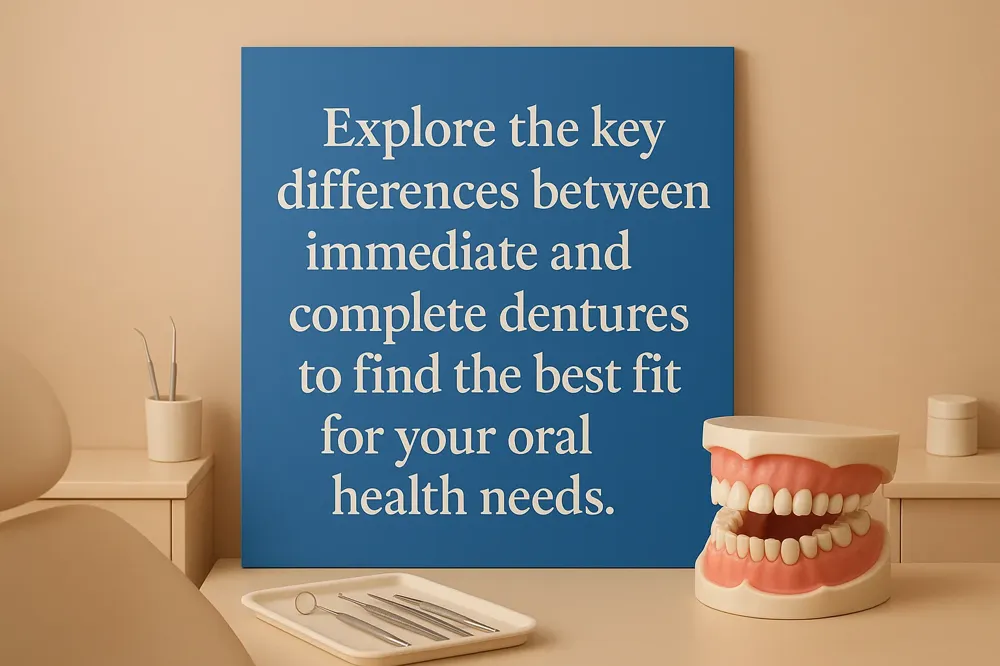
What are the differences between immediate dentures and complete dentures?
Immediate dentures overview are custom-made prosthetics placed immediately after tooth extraction. They provide instant tooth replacement, protecting sensitive gum tissues and helping control post-extraction bleeding. These dentures are made in advance using impressions taken before the teeth are removed. While they restore appearance and oral function right away, they often require multiple follow-up visits for adjustments and relining as the gums heal and bone resorbs, altering the fit.
On the other hand, Full dentures (or conventional dentures) are fabricated only after the gums have fully healed, which usually takes several weeks to months post-extraction. This delay means patients must manage without teeth during the healing period. However, once fitted, complete dentures typically offer a better initial fit and greater long-term comfort because they are made to the stabilized shape of the healed gums and jawbone.
Timing of denture placement relative to tooth extraction
Immediate dentures are placed on the same day as tooth extraction, virtually eliminating the time a patient spends without teeth. This immediate placement aids in healing by protecting extraction sites and maintaining facial support. Conversely, complete dentures require the healing process to finish before impressions are made, which prolongs the period without teeth.
Fit, comfort, and adjustment needs for each denture type
Since Immediate dentures are fitted before the gums and bone have healed, they may feel less secure initially and tend to loosen as the mouth changes shape during healing. Regular dental visits are necessary to adjust the dentures or reline them to maintain comfort and function.
Complete dentures usually present fewer fit issues straightaway since they are made after the mouth has stabilized. Still, periodic adjustments may be needed over time due to ongoing changes in the gums and jawbone. For guidance on Adjusting to new dentures, patients can find helpful tips and care routines to improve comfort.
How immediate dentures avoid the toothless healing gap
One of the primary advantages of immediate dentures is that they allow patients to avoid living without teeth during the healing process. This immediate replacement supports oral functions such as eating, speaking, and smiling, and mitigates social and psychological challenges linked to tooth loss. They serve as a protective cover for healing gums, reducing bleeding and discomfort.
In summary, Immediate dentures provide a timely solution for patients seeking instant tooth replacement following extraction, albeit requiring adjustments during healing. Complete dentures while delayed, typically deliver a more precise and comfortable long-term fit after the mouth has fully healed.
The Process and Recovery: What to Expect with Same-Day Dentures

What Are the Steps Involved in Same-Day Denture Procedures?
Same-day dentures combine several dental steps to provide teeth immediately after tooth extraction. Initially, a comprehensive consultation takes place where your dentist reviews your oral health and plans the treatment. Impressions of your mouth are then taken before any extractions to accurately craft dentures that fit right away.
On the appointment day, tooth extractions are performed, often under local anesthesia or sedation. For patients needing full-mouth extractions, dentists can remove all remaining teeth in a single session, allowing a unified healing process. Immediate dentures are then placed, giving instant tooth replacement, protecting gums, and preserving facial appearance.
What Is the Typical Recovery Timeline and Healing Symptoms?
Healing from same-day dentures usually spans about two to three weeks. Early days may involve soreness, swelling, and sensitivity managed by pain control, cold compresses, and a diet of soft foods. By one week, discomfort generally lessens, but adaptation to talking and eating with dentures continues.
Does Gum Shrinkage Affect Denture Fit?
Yes, as gums heal post-extraction, they naturally shrink in size. This shrinkage can loosen immediate dentures, making regular follow-up adjustments necessary to ensure comfort and functionality. Dentures that initially fit well may require relining or replacement after healing completes.
Why Are Follow-Up Adjustments and Dental Care Important?
Continuous dental supervision is vital after immediate denture placement. Dentists monitor oral health, adjust denture fit to accommodate gum changes, and manage any discomfort or complications. Proper dental care during this phase supports healing, maintains denture stability, and contributes to long-term success with dentures.
Adjusting to Life with Same-Day Dentures: Daily Routine Changes and Tips

What initial sensations might you experience with same-day dentures?
When first fitted with same-day dentures, it is normal to notice increased saliva production and some soreness. Your mouth is adapting to the new appliance, which may feel full or bulky initially. Speech might also be slightly affected, with a temporary lisp or difficulty pronouncing certain words, but this usually improves with practice.
How should you manage eating with dentures and speaking during the adaptation phase?
Start with a soft diet for new dentures to make chewing easier and minimize discomfort. Foods like mashed potatoes, yogurt, scrambled eggs, and cooked vegetables are good choices. Gradually introduce firmer textures as you become comfortable. Speech adaptation is important; practice reading aloud and speaking slowly to regain clarity and confidence.
Why is a soft diet important initially, and how should you advance food textures?
A soft diet protects delicate gum tissues and helps prevent dislodging your dentures. Avoid sticky or chewy foods which can cause irritation or denture movement. As healing progresses, slowly incorporate firmer foods, cutting them into small pieces and chewing evenly on both sides to maintain denture stability.
What role does denture adhesive use play, and how can practicing speaking help?
Using denture adhesive use can enhance stability and reduce slipping during daily activities, particularly in the early weeks. However, adhesives are not a substitute for good denture fit. Practicing speaking with dentures by reading aloud regularly accelerates your adjustment and improves natural communication.
What daily care and hygiene routines are recommended?
Clean your dentures daily with a soft-bristled brush and a denture cleanser to remove food particles and bacteria. Rinse after meals and soak dentures overnight in a denture solution or water to maintain moisture and shape. Also, clean your gums, tongue, and any natural teeth to promote oral health. Regular dental check-ups ensure proper fit and timely adjustments.
Are same-day dentures benefits a good option and are they worth it?
Same-day dentures benefits provide an immediate solution after tooth extractions, allowing you to maintain confidence and oral function without a toothless gap. Though they are temporary and may require future adjustments, their convenience and aesthetic benefits during healing make them worth considering for many patients. Choosing a provider with strong follow-up care maximizes their effectiveness and comfort.
| Aspect | Recommendation | Reason/Benefit |
|---|---|---|
| Initial Diet | Start with soft foods for denture wearers | Reduces gum irritation and dentures dislodging |
| Speech Practice | Read aloud daily | Speeds up speech clarity and confidence |
| Denture Adhesive | Use as needed, sparingly | Improves fit and reduces slipping |
| Daily Cleaning | Brush with denture cleanser; rinse after meals | Maintains hygiene; prevents infections |
| Overnight Care | Soak dentures in solution or water | Keeps dentures moist and maintains shape |
| Dental Follow-up | Regular appointments | Ensure fit, comfort, and adjustments as needed |
Maintaining Oral Health: Proper Care and Wearing Practices for Denture Longevity
How many hours a day should dentures be worn for optimal oral health?
Dentures should generally be worn for about 10 to 12 hours daily. It is important to remove dentures nightly for at least 6 to 8 hours, typically overnight, to allow the gums and oral tissues to rest and recover. This break in denture wear helps prevent denture gum irritation and soreness and reduces the risk of infections.
What are the risks of wearing dentures all the time without removal?
Continuous denture wear without periodic removal leads to increased pressure and friction on the gums, causing soreness and irritation. It also promotes bacterial and fungal growth, which can result in infections such as denture stomatitis causes and symptoms or oral thrush. Additionally, wearing dentures 24/7 accelerates jawbone loss due to continuous dentures because of lack of stimulation and can cause poor denture fit from prolonged wear. Such conditions may lead to bad breath from denture buildup, difficulties speaking or chewing, and overall discomfort.
Daily cleaning methods including brushing and soaking
Effective denture care requires daily denture removal and cleaning to remove food particles, plaque, and potential harmful microbes. Dentures should be gently brushed with a soft-bristled denture brush using a non-abrasive denture cleanser—not regular toothpaste, which can be too harsh. After cleaning, dentures should be soaked overnight in a specialized denture-cleaning solution or plain water to maintain their shape and preserve material integrity. Also, oral tissues including gums, tongue, and palate should be cleaned regularly with a soft brush to promote hygiene.
Need for regular dental check-ups and adjustments
Regular professional dental visits are essential for long-term denture success. Dentists monitor oral tissue health, check denture fit, and perform necessary adjustments such as relining or rebasing to accommodate jawbone and gum changes. Timely professional care prevents sores, infections, and discomfort while prolonging denture lifespan. This is part of daily denture care routine and professional denture check-ups.
How dentures support facial appearance and prevent 'monkey mouth' effect
Dentures not only restore tooth function but also play a critical role in supporting facial muscles and contours. Poorly fitted dentures can lead to an unsightly "monkey mouth" appearance caused by too-thick flanges, excessive tooth display, inadequate lip support, or incorrect jaw vertical dimension. These defects distort facial aesthetics and complicate chewing and speech. Skilled prosthodontic adjustments—including flange trimming, tooth repositioning, or optimizing denture vertical height—help restore balanced facial features. When needed, transitioning to implant-supported dentures benefits provides improved stability and natural appearance.
Proper denture wearing habits combined with diligent cleaning and routine dentistry maximize comfort, oral health, and aesthetic benefits, enabling denture wearers to maintain quality of life and confidence.
Temporary Dentures and Transition: Supporting Your Journey to Permanent Solutions
Are temporary dentures available while waiting for permanent dentures?
Yes, temporary dentures, often called immediate dentures or same-day dentures, are widely available and serve as an essential short-term option during the healing phase after tooth extraction. These dentures are custom-designed and inserted immediately after extraction to ensure you are never without teeth during recovery.
Role and benefits of temporary dentures
Temporary dentures offer multiple advantages. They immediately restore your smile, enhancing aesthetic benefits of dentures and reducing the emotional impact of tooth loss. Functionally, they allow you to speak and chew, aiding nutritional intake and communication. They also serve a protective role, covering sensitive gum tissue, minimizing bleeding, and promoting healing. Importantly, these dentures help preserve your facial structure by supporting muscles and preventing premature sagging or a sunken appearance.
Transitioning to permanent dentures
Although immediate dentures provide great initial benefits, they are typically worn for several months—usually 4 to 8 months—while your gums and bone tissue heal and reshape. During this period, adjustments and relines are often needed to maintain comfort and fit due to changing oral anatomy. Once healing is complete, a permanent denture, custom-fitted to your stabilized tissue contours, is fabricated. This transition ensures improved fit, function, and long-term durability.
Personalized care and follow-up
Dental practices specialize in guiding patients through this process by offering tailored consultations, careful impressions before extraction, and monitoring during healing with scheduled follow-ups. Expert care helps address issues promptly, such as soreness, looseness, or gait challenges, ensuring a smooth adaptation. At practices like David M. Mayer DMD in Paterson, NJ, personal attention ensures your temporary dentures meet your needs aesthetically and functionally during this significant transition.
With immediate access to temporary dentures and comprehensive supportive care, patients can maintain everyday confidence and comfort while progressing toward a permanent dental restoration.