Understanding Same-Day Crown Technology
Traditional crowns typically require two or more appointments spread over a couple of weeks, with a temporary crown protecting the tooth in between. Same-day crowns, by contrast, are designed, fabricated, and placed in a single visit, usually within one to two hours. That speed comes from CAD/CAM technology, which replaces messy impressions and off-site labs with a digital scan and in-office milling. For many patients, the convenience is the deciding factor.
But the right choice depends on more than speed. Traditional crowns have a long track record and may be recommended when a tooth has extensive damage or when your dentist prefers a specific ceramic or metal material. Same-day crowns, often made from CEREC blocks of feldspathic ceramic, offer excellent aesthetics and strength for most back teeth. A dentist can help you weigh the trade-offs, but here is how the two approaches compare across the factors that matter most.
Convenience. Same-day crowns finish in one appointment, eliminating the need for a temporary crown and a second visit. Traditional crowns require two appointments and a temporary, which can come loose or cause sensitivity.
Aesthetics. Both options can look natural. Same-day ceramic crowns are color-matched using digital shade-matching, while traditional crowns can be crafted from a wider range of materials, including all-ceramic, porcelain-fused-to-metal, or gold.
Durability. Traditional crowns, especially those made from gold or zirconia, have a long history of strength. Same-day ceramic crowns are strong enough for most molars, but very heavy grinding may favor a traditional material.
Cost. Same-day crowns often cost more upfront because of the in-office milling equipment, but they save the cost and time of a second appointment. Traditional crowns may be less expensive per unit, but add the cost of temporaries and an extra visit.
Technology. Same-day crowns rely on a digital scanner and milling machine, which means no gagging impressions and greater precision. Traditional crowns depend on physical impressions sent to a lab, which can have slight inaccuracies.
The table below summarizes the key differences to help you start the conversation with your dentist.
| Factor | Same-Day Crowns | Traditional Crowns |
|---|---|---|
| Appointments | One, about 60–90 minutes | Two or more, separated by days |
| Temporary crown | No | Yes, for 1–2 weeks |
| Impressions | Digital scan | Physical putty |
| Materials | Ceramic (CEREC blocks) | Ceramic, metal, zirconia, gold |
| Strength | Good for most teeth | Excellent, especially with metal |
| Cost | Higher upfront, fewer visits | Lower per unit, but extra visits |
Step-by-Step: How a Same-Day Crown Is Made
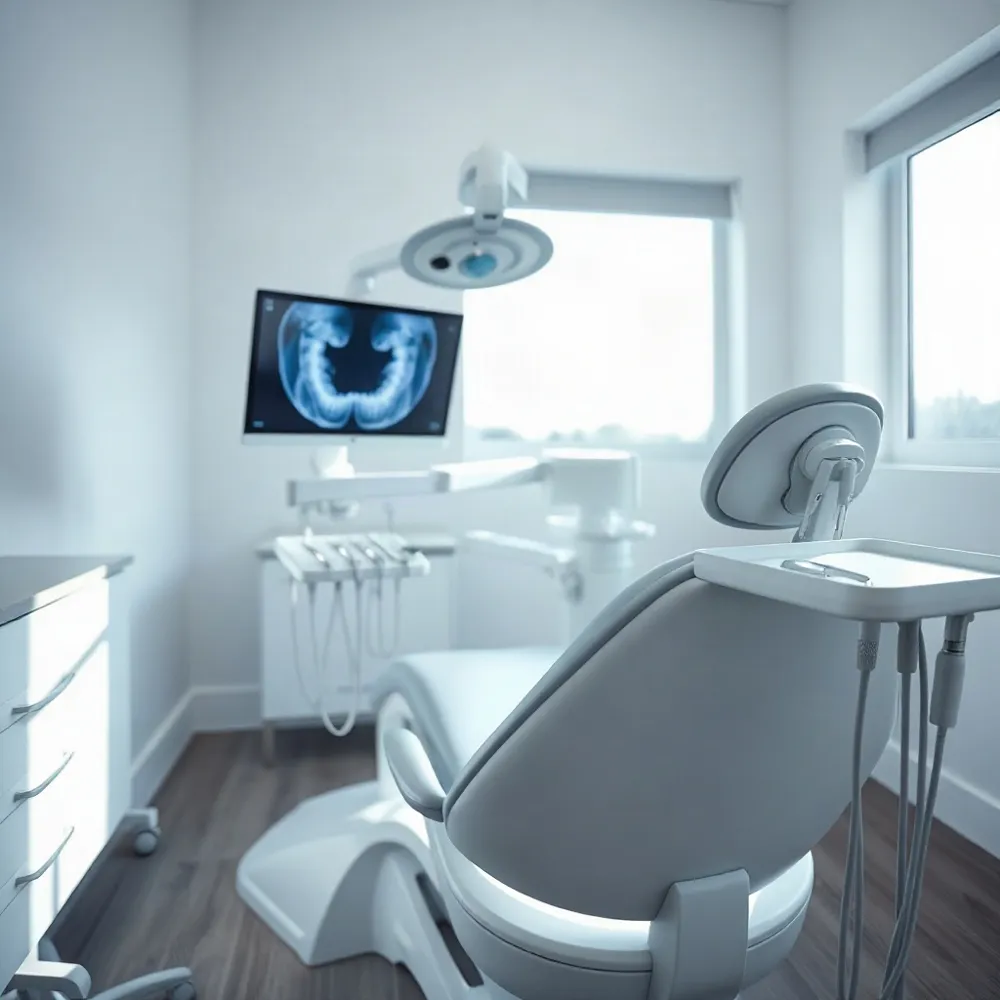 Understanding the procedure behind a same-day crown begins with the tooth preparation. Your dentist removes any decay and shapes the enamel, typically removing about 1.5 to 2 mm from the biting surface of molars. This step ensures the crown fits securely and restores your tooth's natural function. For a closer look at the entire same-day process, you can read how same-day crowns work.
The Single-Visit Workflow
After preparation, the dentist uses an intraoral scanner to capture a precise 3D image of your tooth. This digital scan replaces the messy putty impressions of traditional methods, making the process more comfortable. The same-day crown is then designed and milled right in the dental office, often within 60 to 90 minutes. This approach means you leave with a permanent crown on the same day, eliminating the need for a second appointment.
One major advantage of same-day crowns is that they are fabricated from a single block of ceramic, which is both strong and aesthetically pleasing. The dentist can also adjust the shape and color to match your natural teeth. To understand why this method is often preferred, see the benefits of same-day crowns.
What to Expect During Your Visit
Your same-day crown visit typically involves a few straightforward steps:
- Examination and tooth preparation, where decay is removed and the tooth is shaped.
- Digital scanning to create a 3D model of your tooth, replacing traditional impressions.
- Design and milling of the crown using CAD/CAM technology, usually completed within an hour.
- Bonding the new crown to your tooth, ensuring a comfortable and secure fit.
The entire process is designed for your convenience, and most patients can complete the procedure in a single visit. If you're curious about how this differs from traditional crowns, you can compare same-day and traditional crowns.
Technological Innovations in Same-Day Dentistry
Same-day crowns rely on advanced technologies like CEREC (Chairside Economical Restoration of Esthetic Ceramics) and 3D printing. These tools allow for precise design and fabrication, ensuring a perfect fit and natural look. The CEREC system is widely used in dental practices to streamline the crown-making process.
By combining digital scanning, on-site milling, and expert craftsmanship, same-day crowns offer a modern solution for restoring damaged teeth. They save you time and reduce the discomfort associated with traditional crowns. For more details on the step-by-step process, you can refer to this guide on same-day crown fabrication.
Same-Day vs. Traditional Crowns: Key Differences
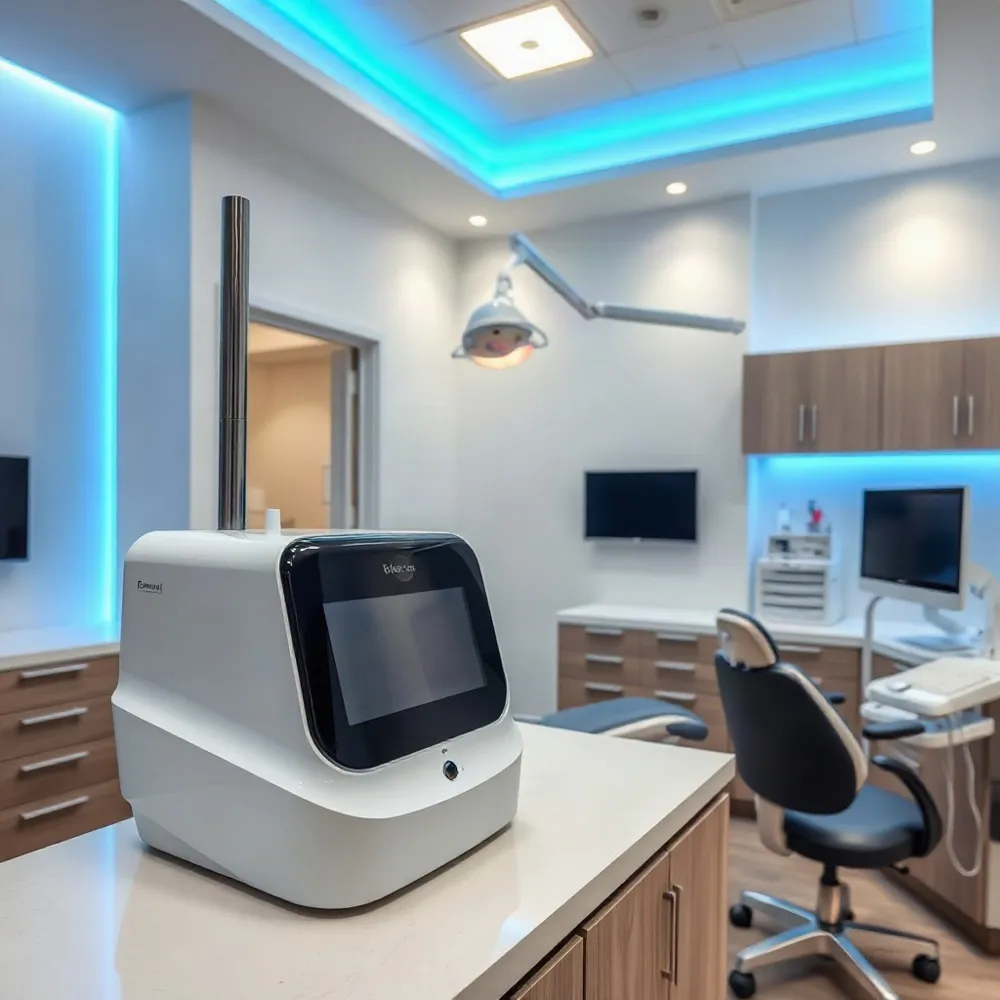 The same-day crown process begins with the dentist preparing the damaged tooth by removing decay or old material. Next, a digital scanner captures a precise 3D image of the prepared tooth, which is sent directly to an on-site milling unit rather than to an outside lab.
The Step-by-Step Process
- The dentist removes decay and shapes the tooth to support a crown, just as with a traditional procedure.
- An intraoral camera captures a digital impression of the prepared tooth and surrounding teeth, eliminating the need for messy putty materials.
- Specialized software designs the crown virtually, allowing the dentist to adjust fit and contours with precision.
- A ceramic block is milled into the exact crown shape on-site, typically within 15 to 30 minutes.
- The crown is polished, stained to match your natural teeth, and bonded into place in the same visit.
Because the entire process, from digital tooth scanning to crown fabrication and placement, is completed in just one visit, you walk out with a fully restored smile the same day. This is in stark contrast to traditional crowns, which require a two-week wait with a temporary crown in between. For a deeper comparison, see Same-Day vs. Traditional Crowns: Key Differences.
The technology behind this workflow, known as CAD/CAM (computer-aided design and computer-aided manufacturing), is what makes same-day dentistry possible. An intraoral scanner captures the tooth's shape, and the design software guides the milling unit to create a precise, durable crown. This approach eliminates the need for temporary crowns and the extra appointment they require.
For many patients, the biggest advantage is the time saved. Instead of taking time off work for a second visit and dealing with the discomfort of a temporary crown, you can complete the entire treatment in about 90 minutes. This efficiency is why same-day crowns are often recommended for busy professionals and families.
Advantages and Considerations of Same-Day Crowns
 Understanding the step-by-step process can ease any anxiety you might have about getting a same-day crown. The entire procedure is designed to be completed in a single visit, typically within one to two hours, so you can leave the office with a fully restored tooth the same day. Unlike traditional methods that require multiple appointments and temporary restorations, same-day crowns streamline the process using advanced digital technology.
The journey begins with a digital scan of your prepared tooth using an intraoral scanner, which captures precise 3D images without the need for messy impression materials. This scan is then used to design your crown with specialized software. Once the design is finalized, a milling machine carves your crown from a solid block of ceramic, and it is then polished and bonded into place. For a visual walkthrough, check out this step-by-step guide.
Step 1: Tooth Preparation and Digital Scanning
Your dentist begins by preparing the damaged or decayed tooth, removing any compromised material to create a solid foundation. Next, an intraoral camera captures a detailed 3D image of the tooth and the surrounding area. This digital scan is more comfortable than traditional putty impressions and provides the data needed to design a perfectly fitting crown.
Step 2: Design and Fabrication
Using specialized software, the dentist or dental technician designs your crown to match your natural tooth shape and color. The design is sent to a milling machine that carves the crown from a durable ceramic block. This entire process, from scanning to milling, can take as little as 60 to 90 minutes, depending on the complexity of the case. For a deeper dive into the technology, see how same-day crowns work.
Step 3: Placement and Bonding
Once the crown is milled, it is polished and checked for fit. The dentist ensures the crown aligns correctly with your bite and makes any necessary adjustments. After confirming a perfect fit, the crown is bonded to your tooth using a strong dental adhesive. A light is used to cure the adhesive, securing the crown in place. The result is a natural-looking, fully functional tooth that you can use immediately.
Throughout the procedure, you remain comfortable with local anesthesia, and in many cases, a single anesthetic injection is all that's needed. After the crown is placed, you can eat and drink normally, though it's wise to avoid extremely hard or sticky foods for the first 24 hours. For tips on post-procedure care, refer to our guide on how same-day crowns save you time and trips to the dentist.
| Step | What Happens | Time Estimate |
|---|---|---|
| Tooth Preparation | Decay removed, digital scan taken | 10-15 minutes |
| Design | 3D design created with CAD/CAM software | 15-20 minutes |
| Milling | Ceramic block milled into crown | 30-60 minutes |
| Bonding | Crown polished, fitted, and cemented | 15-30 minutes |
Types of Crown Materials and Cost Considerations
Porcelain-fused-to-metal crowns pair a cast metal base with a layered ceramic exterior. That metal core delivers dependable strength, which is why dentists have relied on PFM for decades. The main trade-off is aesthetic: the metal substructure can create a dark line at the gumline, and the porcelain layer can chip or wear over time. For many patients, the real advantage is cost, since PFM typically falls in a mid-range price point that undercuts all-ceramic options. If you want a balance of durability and affordability, PFM remains a practical, time-tested choice.
Same-day digital workflows give PFM patients a faster option. Instead of waiting two weeks for a lab, your dentist prepares the tooth, scans it with an intraoral scanner, and mills a crown on site. Some CEREC systems even support PFM blocks, letting you combine the classic strength of a metal-reinforced crown with the convenience of a single-visit procedure. That said, PFM’s layered porcelain can be trickier to mill consistently than solid zirconia, so ask your dentist whether your same-day setup can produce the PFM design you prefer.
What to Expect During Your Same-Day Crown Visit
The cost of a same-day crown is often the first question patients ask. While traditional crowns typically require two visits and a temporary restoration, the price difference is usually modest. On average, same-day crowns cost between $800 and $2,500 per tooth, depending on the material and the dentist's expertise. This is comparable to traditional crowns, which range from $1,000 to $3,000. Most dental insurance plans cover same-day crowns similarly to traditional ones, paying a percentage of the fee once the deductible is met. However, the specific coverage varies, so it's wise to check with your provider. If you're uninsured, many practices, including davidmmayerdmd.com, offer flexible payment plans to make the cost more manageable.
What About Insurance Coverage?
Insurance coverage for same-day crowns is generally no different from that for traditional crowns. Most plans classify crowns as a restorative procedure and will cover a portion of the cost, typically 50% to 80%, after your annual deductible. Because the technology used (like CEREC) is approved by the FDA, it doesn't affect coverage eligibility. Still, it's essential to confirm whether your plan has any restrictions on same-day procedures or specific lab requirements. A quick call to your insurer or a consultation with your dental office can clarify your benefits before you commit.
Choosing the Right Dentist for Same-Day Crowns
Selecting a provider for same-day crowns comes down to technology, experience, and communication. Look for a practice that uses CEREC or similar systems, as this ensures precise digital impressions and on-site fabrication. Ask about the dentist's training and how many same-day crowns they've placed—experience with the technology directly impacts the fit and longevity of your crown. During your consultation, pay attention to how the dentist explains the procedure and whether they address your concerns. A practice like davidmmayerdmd.com, with over 40 years of experience and a multilingual team, can offer the comfort and clarity you need. They'll walk you through each step, from the initial scan to the final placement, ensuring you understand your options.
| Factor | Same-Day Crowns | Traditional Crowns |
|---|---|---|
| Visits | 1 visit | 2 visits |
| Time to complete | 1-2 hours | 1-2 weeks |
| Temporary crown | Not needed | Required |
| Digital scan | Yes | Sometimes |
| Cost range | $800 - $2,500 | $1,000 - $3,000 |
| Insurance coverage | Usually covered | Usually covered |
For more details on the procedure and what to expect, review our same-day crown guide and how same-day crowns save you time. If you're weighing your options, our comparison of same-day versus traditional crowns provides a balanced look at the pros and cons.
Is a Same-Day Crown Right for You?
The entire same-day crown process is designed to be completed in just one visit, usually within 60 to 90 minutes from start to finish. This efficiency eliminates the need for a second appointment and the discomfort of a temporary crown. Understanding each step can help you feel more at ease with the procedure.
First, the dentist numbs the affected tooth to ensure your comfort throughout the procedure. After any decay or old filling material is removed, the tooth is reshaped to create space for the crown. This preparation is similar to that of a traditional crown, but the resemblance ends there. Instead of taking a messy putty impression, the dentist uses an intraoral scanner to capture a precise 3D image of your tooth. This digital scan is far more comfortable and accurate than traditional methods.
The 3D scan is then sent to a computer-aided design and manufacturing (CAD/CAM) system. Using specialized software, the dentist designs the crown to match your natural tooth shape, size, and bite. Once the design is finalized, the data is sent to an on-site milling machine. The crown is milled from a solid block of ceramic that matches the shade of your natural teeth. This typically takes 15 to 30 minutes.
After milling, the crown is checked for fit and adjusted as needed. It is then polished and glazed to give it a natural, lifelike appearance. Finally, the dentist bonds the crown securely to your prepared tooth using a strong dental adhesive. The result is a fully functional, aesthetically pleasing crown that is ready to use immediately.
What to Expect During Your Visit
During your same-day crown appointment, you can expect a comfortable and efficient experience. The procedure is nearly painless, and most patients report only minor sensitivity afterward. Since the crown is designed and placed in a single visit, you leave with a complete restoration. No temporary crown is needed, which means no additional trips to the dentist.
The table below summarizes the typical steps and what each involves:
| Step | What Happens | Time |
|---|---|---|
| Preparation | Num the tooth and remove decay or old material | 15 minutes |
| Scanning | Digital impression using an intraoral scanner | 5 minutes |
| Design | CAD/CAM software designs the crown | 5 minutes |
| Milling | Ceramic block is milled into a crown | 20 minutes |
| Placement | Crown is polished, fitted, and bonded | 10 minutes |
This streamlined process means you can have a permanent, high-quality crown in a single appointment. If you have questions about whether same-day crowns are right for you, contact our practice to schedule a consultation. We can assess your specific needs and discuss the best options for restoring your smile.