Choosing the Right Path to a Straighter Smile
Today's orthodontic patients face a meaningful choice between clear aligners like SureSmile and traditional metal braces. Clear aligners have grown rapidly in popularity for their nearly invisible look and removable design, while metal braces remain the standard for complex correction. The right option depends on your specific dental needs, lifestyle, and treatment goals.
What Are the Latest Braces Options?
 Orthodontic patients today have several effective methods for straightening teeth. Traditional metal braces use stainless steel brackets and archwires to apply consistent pressure and remain the most common and affordable choice. Ceramic (clear) braces offer a more discreet appearance by using tooth-colored brackets, though they are more fragile and prone to staining. Lingual braces mount on the back surfaces of the teeth, making them completely hidden from view, but they can be harder to clean and may temporarily affect speech. Self-ligating braces use a built-in clip instead of elastic ligatures, which may reduce friction and the number of adjustment visits. Clear aligners like SureSmile provide a removable, nearly invisible alternative, well-suited for mild to moderate alignment issues.
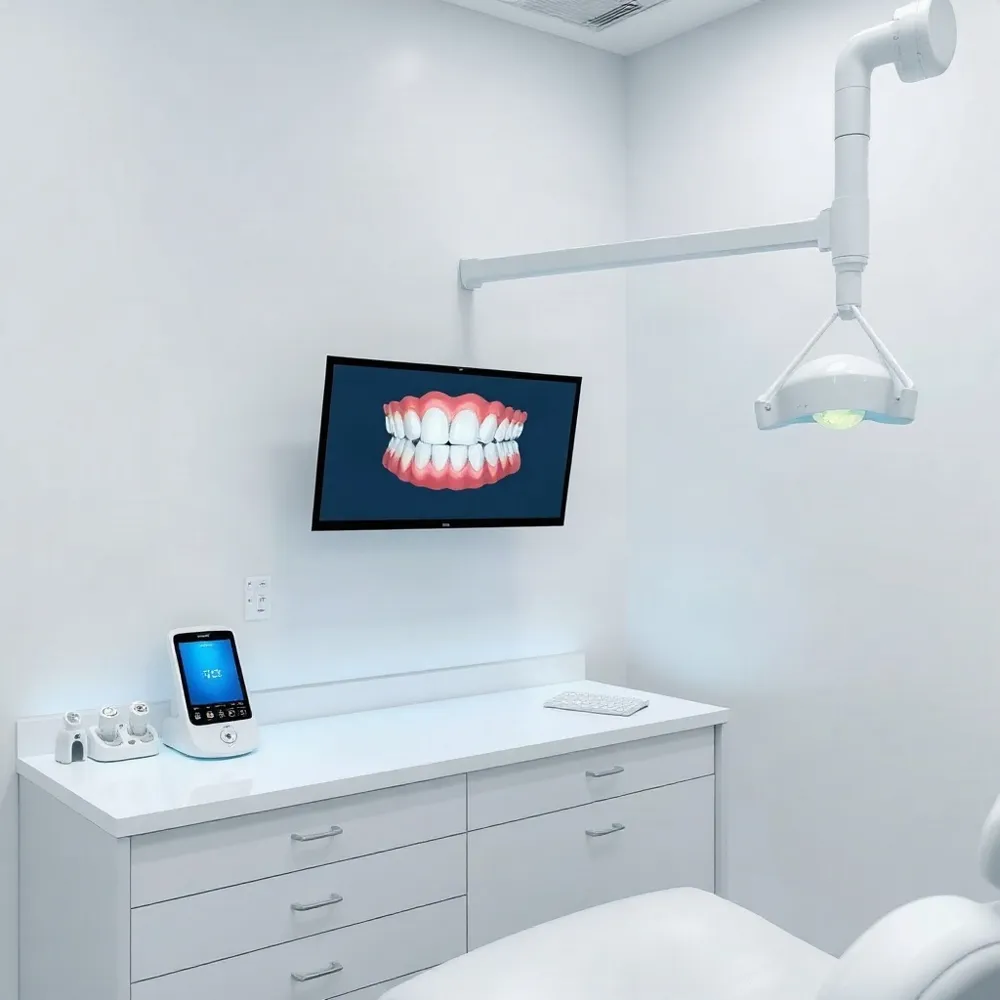
The newest orthodontic technology is represented by SureSmile, a system that integrates digital 3D imaging and robotic wire bending. Instead of relying solely on manual adjustments, an orthodontist uses a digital scan to create a personalized treatment plan, and robotically bent wires are fabricated to match exact specifications. According to SureSmile, this approach can reduce treatment time by 30% compared to conventional braces. At davidmmayerdmd.com, patients can receive a thorough evaluation to determine whether advanced technology aligners, fixed braces, or another method best matches their lifestyle, budget, and dental needs.
How SureSmile Aligners Differ from Metal Braces
 Choosing between SureSmile aligners and traditional metal braces comes down to understanding how each system works and what they offer. Both methods are effective, but they differ significantly in appearance, comfort, daily experience, and the types of dental issues they best address.
SureSmile aligners are nearly invisible, made from smooth, clear plastic trays that fit closely over the teeth. Patients can remove them for eating and cleaning, which makes maintaining oral hygiene easier. Traditional metal braces use visible brackets and wires bonded to the teeth, which can cause irritation to the gums and cheeks. Because braces are fixed in place, they require careful attention to diet and special brushing techniques.
Treatment duration also differs. SureSmile patients often complete their treatment in 12 to 18 months, while metal braces typically take 18 to 24 months. However, metal braces are capable of correcting severe misalignments, bite problems, and jaw discrepancies, whereas SureSmile is best suited for mild to moderate cases. The cost of SureSmile generally falls between $3,500 and $8,000, while traditional braces are often more affordable, ranging from $2,500 to $6,000. At davidmmayerdmd.com, we help patients weigh these factors and choose the path that fits their smile goals and lifestyle.
Appearance. SureSmile aligners are virtually invisible; metal braces use visible silver brackets and wires.
Comfort. SureSmile aligners are smooth plastic with minimal irritation; metal braces have brackets that can rub against soft tissue.
Removability. SureSmile aligners are removable for eating and cleaning; metal braces are fixed until treatment ends.
Treatment duration. SureSmile typically takes 12–18 months; metal braces typically take 18–24 months.
Effectiveness. SureSmile is ideal for mild to moderate cases; metal braces work for all cases, including severe orthodontic issues.
Cost range. SureSmile ranges from $3,500 to $8,000; metal braces range from $2,500 to $6,000.
Are Clear Aligners Better Than Metal Braces?
 Whether clear aligners are better than metal braces depends on your specific dental needs and lifestyle. Clear aligners offer a virtually invisible, removable option that is great for mild to moderate issues and allows for easier eating and cleaning. Metal braces, on the other hand, are typically more effective for complex misalignments and severe bite problems because they provide constant, controlled force.
Clear Aligners. Nearly invisible trays that are removable for meals and oral hygiene. They typically require 12–18 months of treatment for mild to moderate cases and demand wearing the aligners 20–22 hours daily to achieve results.
Metal Braces. Fixed brackets and wires that deliver continuous force without relying on patient compliance. They handle severe crowding, overbites, and underbites effectively, with treatment lasting 18–24 months on average. Metal braces are generally more affordable than clear aligners.
A key advantage of clear aligners is shorter treatment times for straightforward cases, with some patients finishing in under 12 months. Metal braces often produce faster, more predictable results for complicated orthodontic conditions because the brackets and wires work around the clock without the risk of inconsistent wear.
The more affordable metal braces are fixed in place, which ensures consistent treatment without relying on patient compliance, whereas aligners must be worn 20–22 hours daily to be effective. According to the Cleveland Clinic, about 20% of all orthodontic patients in the United States are over 18, driving demand for discreet options like clear aligners among adults.
Ultimately, the best choice is determined during a consultation with your dentist, who can evaluate your unique situation and recommend the most effective path to a healthy, confident smile.
Ceramic vs. Metal Braces: Pros and Cons
When weighing orthodontic options, the choice between ceramic and metal braces often comes down to aesthetics versus durability. Ceramic braces use tooth-colored or clear brackets made of polycrystalline alumina, blending in with natural enamel for a much more discreet appearance. Metal braces use high-grade stainless steel brackets and are highly durable, making them a reliable choice for complex cases. Both types apply the same gradual pressure using an archwire, but their material differences affect comfort, cost, and maintenance.
Metal braces are typically the more affordable option, ranging from $3,000 to $7,000, and are often faster at correcting severe misalignment or bite problems because the stronger brackets can withstand greater forces. Their main drawback is visibility—metal brackets are very noticeable. Ceramic braces cost between $4,000 and $8,500, roughly 10 to 50 percent more, due to the cosmetic materials. However, they offer a subtler look favored by adults and professionals. Ceramic brackets are more fragile and more likely to break or chip, and they can stain if exposed to coffee, tea, or red wine without proper cleaning.
Both types are effective, but the trade-off is clear: metal braces provide durability and lower cost at the expense of appearance, while ceramic braces offer discretion but require more careful handling and a higher budget.
Self-Ligating Braces: A Modern Alternative
A newer option gaining attention is self-ligating braces. These work like traditional metal or ceramic braces but use a built-in clip or door on each bracket to hold the archwire in place instead of elastic ligatures (the small rubber bands). This design can reduce friction and may shorten treatment time for some patients. Self-ligating braces are available in both metal and ceramic versions, offering a balance of durability and discretion. Because there are no elastics, appointments can be quicker since there's no need to change colored bands. The cost is similar to standard braces, typically $2,000 to $8,500, and many insurance plans cover them.
For patients at davidmmayerdmd.com, discussing these nuances during a consultation is the best way to determine which bracket type fits your dental needs and lifestyle. Whether choosing durable metal for complex correction or ceramic for a subtler look, a professional evaluation ensures your treatment plan aligns with your goals.
What to Expect With Traditional Metal Braces
Traditional metal braces remain one of the most reliable and cost-effective orthodontic treatments available. Made from high-grade stainless steel brackets and wires, they can address even the most complex cases, including severe crowding, overbites, and underbites. The Cleveland Clinic notes that braces work by applying continuous, gentle pressure to shift teeth into proper positions over time.
However, wearing metal braces comes with several disadvantages. The most obvious is their visible appearance: silver brackets and wires are hard to miss, which can cause self-consciousness in adults and teens alike. The brackets and wires can also irritate the inside of the cheeks, lips, and gums, especially after adjustments. Patients face strict dietary restrictions — hard, sticky, or crunchy foods like popcorn, nuts, and caramel can damage brackets and wires, leading to extra visits for repairs.
Oral hygiene requires more effort with metal braces. Food particles easily get trapped around brackets and wires, making brushing and flossing more challenging. Without diligent care, plaque buildup can lead to decalcification (white spots) and cavities. Special tools like floss threaders, interdental brushes, and water flossers can help patients keep their teeth clean throughout treatment.
Side Effects and Discomfort
Most patients experience temporary soreness after each adjustment appointment, typically lasting a few days. Orthodontists recommend acetaminophen (Tylenol) instead of ibuprofen for pain relief, as NSAIDs may interfere with tooth movement. With modern techniques and experienced monitoring, more serious complications such as root resorption (slight shortening of the tooth root) are rare. Regular X-rays and check-ups help ensure treatment stays safe and on track.
Treatment Timeline and Cost
The average treatment time for traditional braces ranges from 18 months to 3 years, depending on the complexity of the case. Patients typically visit their orthodontist every 4 to 8 weeks for adjustments.
Regarding cost, traditional braces are generally the most affordable orthodontic option. National averages fall between $2,500 and $6,000, with many full-treatment plans landing in the $5,000 to $6,000 range. This investment usually covers the braces themselves, follow-up visits, adjustments, and retainers. For patients seeking a proven, comprehensive approach to straightening teeth, David M. Mayer, DMD offers personalized consultations to discuss all available treatment paths.
Orthodontic Options for Adults: Is It Worth It?
Adult orthodontics is more common than many realize. According to the Cleveland Clinic, about one in five orthodontic patients in the United States is over the age of 18. Adults pursue treatment for reasons that go beyond appearance: correcting bite problems that cause jaw pain or uneven tooth wear, improving chewing function, and making daily oral hygiene more effective. Straightening teeth can help prevent cavities and gum disease by eliminating hard-to-clean crowded areas.
The best option depends on your dental needs, lifestyle, and aesthetic goals. Clear ceramic braces use tooth-colored brackets that blend with the natural enamel, offering a discreet appearance with the same reliable mechanics as metal braces. Traditional metal braces remain a durable, cost-effective choice, especially for complex cases like severe crowding or significant bite corrections. For flexibility, clear aligners like those available through providers such as davidmmayerdmd.com offer a nearly invisible, removable alternative, though they require consistent wear of 20 to 22 hours a day and are best suited for mild to moderate issues.
Benefits extend well beyond a straighter smile. Properly aligned teeth are easier to brush and floss, reducing the risk of decay and gum disease. Correcting a bite can alleviate jaw pain, headaches, and uneven tooth wear. For older adults, treatment is safe and effective as long as gums and bone are healthy. Teeth may move slightly slower than in a teenager due to denser adult bone, but modern techniques make the process manageable and comfortable.
For those who want complete discretion, lingual braces are attached to the back surfaces of the teeth, hidden from view. They function like traditional braces and can treat complex cases, but they may cause temporary tongue discomfort and speech changes. The cost for lingual braces typically ranges from $5,000 to $13,000. At davidmmayerdmd.com, patients receive personalized guidance on which approach best balances treatment goals, comfort, and budget.
What to Know Before Getting Braces
1. Dietary Restrictions: What to Avoid
One of the first things to understand before getting braces is that your diet will need to change. Hard, crunchy, and sticky foods like popcorn, nuts, hard candy, and chewing gum can damage brackets and wires, potentially extending your treatment time. Stick to soft foods during the initial adjustment period, and cut fruits and vegetables into small pieces for easier eating.
2. Initial Discomfort and Salivation
Your mouth will feel unusual for the first few days. Extra saliva production and general soreness are normal as your teeth begin to shift. Using orthodontic wax on brackets that rub against your cheeks or lips can reduce irritation. Over-the-counter pain relievers like acetaminophen help manage temporary soreness.
3. Oral Hygiene Tips for Braces Wearers
Brushing after every meal is essential to prevent plaque buildup around brackets and wires. Use a soft-bristled toothbrush and fluoride toothpaste, and incorporate special tools like floss threaders and water flossers to clean between teeth. Dental wax is also useful for covering sharp spots on brackets that may cause irritation.
4. The Importance of Retainers After Treatment
After your braces or aligner treatment ends, a retainer is necessary to prevent your teeth from shifting back to their original positions. Teeth have a natural tendency to relapse. Custom retainers hold them in place while the surrounding ligaments and bone stabilize. Committing to wearing your retainer as directed protects the investment you made in your smile.
5. SureSmile Compliance and Costs
Patients considering SureSmile aligners should know they require wearing the trays for 20 to 22 hours each day to be effective. Negative reviews often cite compliance challenges, especially for younger patients, and note that SureSmile has less brand recognition than Invisalign. Without insurance, SureSmile treatment typically costs between $3,500 and $6,000, though many practices offer payment plans and HSA/FSA options to make treatment affordable.
| Topic | Key Advice | Tips & Notes |
|---|---|---|
| Dietary restrictions | Avoid hard, sticky, crunchy foods | Switch to soft foods; cut produce into small pieces |
| Initial discomfort | Normal soreness and extra saliva | Use dental wax; take acetaminophen as needed |
| Oral hygiene | Brush after meals, floss daily | Use floss threaders, water flossers, interproximal brushes |
| Retainers after treatment | Essential to prevent relapse | Wear as directed for long-term results |
| SureSmile compliance | Wear aligners 20-22 hrs/day | May be challenging for younger patients; check reviews |
| SureSmile cost (no insurance) | $3,500 - $6,000 | Payment plans, HSA/FSA available |
Making the Right Choice for Your Smile
Both SureSmile aligners and traditional metal braces are effective tools for straightening teeth. The best choice depends on the severity of your case, your lifestyle, and your budget.
For personalized advice, consult with a dental professional who can evaluate your specific needs and recommend the right treatment plan for your smile.