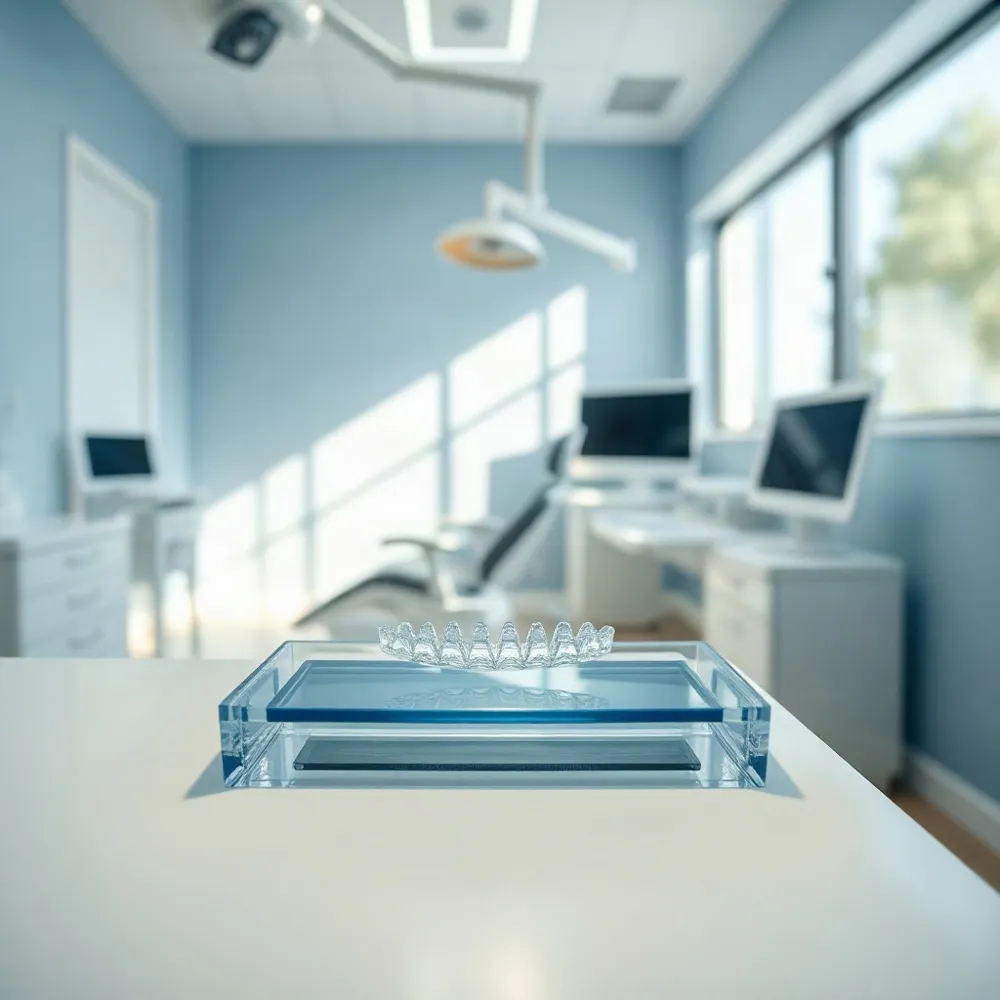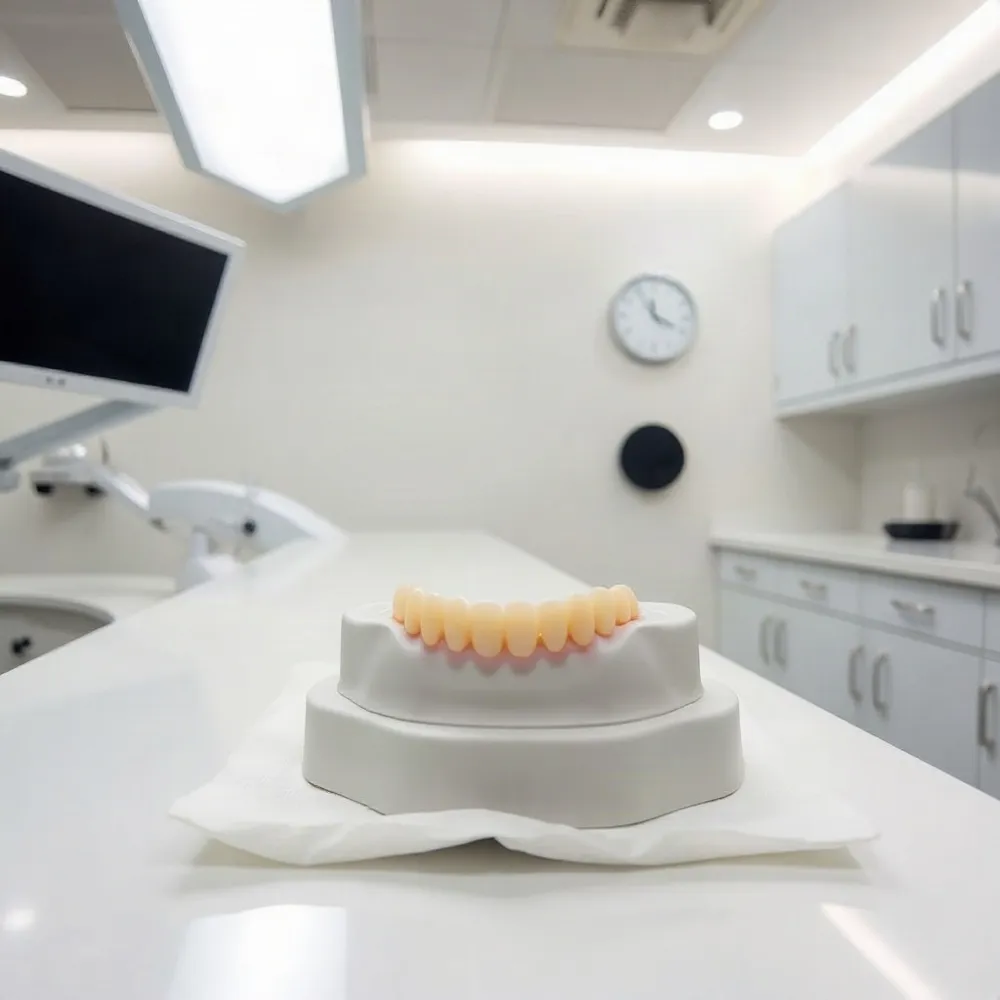
Essential Daily Maintenance for Your Dental Appliances
Consistency in your daily denture care routine is vital for maintaining both the longevity of your prosthetic and the health of your oral tissues. By removing and cleaning your appliance daily, you prevent the accumulation of biofilm and calculus, which are primary contributors to denture-related stomatitis—a condition that can cause persistent soreness and inflammation.
At davidmmayerdmd.com, we emphasize that your dental appliance requires the same level of attention as natural teeth. This includes brushing the surfaces of the denture with a soft-bristled brush and a non-abrasive cleanser, as well as cleaning your gums, tongue, and the roof of your mouth to stimulate circulation. Our team in Paterson, NJ, often finds that patients who commit to this daily maintenance experience fewer complications and enjoy a more secure, comfortable fit.
Neglecting these habits can lead to more than just discomfort. Poorly maintained appliances can harbor bacteria, increasing the risk of infection. Whether you are using full or partial dentures, establishing a reliable routine protects your oral health. If you notice persistent irritation or a loose fit, our practice is ready to assess your needs, providing professional cleanings or relining services that keep your smile functioning properly.
Daily Cleaning Routines and Brushing Techniques
 Consistency in your daily denture care routine is vital for maintaining both the longevity of your prosthetic and the health of your oral tissues. Effective maintenance starts with removing and rinsing your appliances with water after every meal to eliminate loose food particles. At davidmmayerdmd.com, we emphasize that these small habits prevent the buildup of biofilm that can lead to discomfort.
How often should I clean and brush my dentures?
You should clean your dentures daily to remove food, plaque, and other deposits. In addition to a thorough daily brushing with a soft-bristled brush and a non-abrasive cleanser, you should rinse your dentures with water after every meal to clear away loose debris. It is also important to brush your natural teeth, tongue, and the roof of your mouth daily to maintain optimal oral hygiene. Most dentures require soaking overnight in water or a mild solution to help them retain their shape, so be sure to consult your dentist for specific storage instructions. Always remember to rinse your dentures thoroughly before placing them back in your mouth to remove any remaining cleaning solution.
What are the best methods and products for cleaning dentures?
To keep your dentures clean and hygienic, remove and rinse them after every meal to eliminate food debris, being careful to handle them over a towel or sink filled with water to prevent breakage if dropped. My.clevelandclinic.org notes that dentures require daily cleaning twice a day to effectively remove plaque and stains. Clean your dentures daily using a soft-bristled brush specifically designed for dentures and a mild cleanser, such as gentle dish soap or an ADA-accepted denture soaking solution. Always avoid using regular toothpaste, as its abrasive particles can create tiny scratches that harbor bacteria. For overnight care, soak your dentures in water or a manufacturer-recommended solution to help them retain their shape and remain pliable. Finally, remember to rinse your dentures thoroughly before placing them back in your mouth to avoid ingesting any chemical residue from soaking solutions.
When cleaning, pay special attention to the grooves that fit against your gums, especially if you use dental adhesive. If you find that you need to use adhesive frequently throughout the day, it may indicate that your appliance requires professional adjustment. Our team at davidmmayerdmd.com helps patients identify when a simple cleaning is enough and when a professional reline is necessary to restore comfort and function.
Substances and Methods to Avoid During Cleaning
 Maintaining the integrity of your dentures requires careful selection of tools and cleaning agents. Using the wrong materials can lead to irreversible damage, affecting both the comfort and the longevity of your prosthetic. At davidmmayerdmd.com, we emphasize that while daily care is essential, the methods you use must remain gentle to protect the delicate acrylic resin surface.
What should I avoid using when cleaning my dentures?
To keep your dentures in excellent condition, you should avoid using stiff-bristled brushes, as they can damage or scratch the material. Never use harsh household cleansers, whitening toothpastes, or any products containing bleach, as these are too abrasive and can cause permanent damage. It is also vital to avoid using hot or boiling water, which will warp the plastic and compromise the fit of your dentures. Additionally, never use denture cleansers inside your mouth, as these chemicals are not safe for ingestion. Always stick to soft-bristled brushes and mild, non-abrasive cleansers specifically recommended for dental prosthetics.
The structural composition of most dentures, including the full and partial dentures provided at our practice, relies on maintaining a specific shape. Household bleach is particularly hazardous because it can weaken the structure and cause discoloration per Mayoclinic.org. Similarly, whitening toothpastes are often ineffective on acrylic and may introduce micro-scratches where bacteria can thrive. When compared to the specialized, gentle solutions we recommend at davidmmayerdmd.com, these abrasive household alternatives pose a significant risk to your oral health and the stability of your appliance.
- Avoid stiff-bristled brushes that create grooves for plaque and bacterial growth.
- Refrain from using hot or boiling water, which causes the base material to distort.
- Skip standard whitening toothpastes that contain harsh abrasives.
- Eliminate bleach and chlorine-based cleaners, especially if your appliance includes metal attachments which can tarnish per Mayoclinic.org.
Safe Overnight Storage and Moisture Retention
 Providing your mouth with a period of rest each night is critical for maintaining healthy oral tissues. At davidmmayerdmd.com, we emphasize that removing your dental appliances before sleep allows your gums and bone to recover from the pressure of daily wear, which helps prevent inflammation and irritation.
How should I store my dentures overnight?
Your dentures are primarily constructed from acrylic resin, which requires constant moisture to remain pliable and retain its precise shape per the ADA. If left to dry out, the material can contract and become brittle, leading to a poor fit or permanent warping as noted by the Mayo Clinic. Always store your appliance submerged in a container filled with plain water or a dentist-approved soaking solution recommended by the Cleveland Clinic.
Before placing your appliance in its container, perform a thorough cleaning to remove bacteria and food debris. Use a soft-bristled brush and a non-abrasive cleanser to ensure the surface is clean, as plaque can harden overnight. Always avoid hot or boiling water, which can cause immediate and irreparable distortion of the prosthetic per the ADA.
To ensure your storage routine is both safe and hygienic, consider these best practices:
- Use a container with a secure lid to prevent dust accumulation and keep the appliance safely out of reach of pets.
- Change your soaking liquid regularly to maintain hygiene and prevent the buildup of bacteria.
- Rinse the appliance thoroughly with clean water every morning before reinsertion to remove any chemical residue from the soaking solution.
- If you live in a shared environment or assisted living facility, label your storage case to prevent accidental mix-ups.
Guidelines for Using Natural and Home Cleaning Remedies
Many patients inquire if common household items can provide effective maintenance for their dental appliances. While a teaspoon of baking soda in warm water can serve as a gentle solution to help remove odors, natural home remedies should be used with caution to protect the integrity of your dentures.
A diluted white vinegar solution can assist in breaking down mineral deposits and stubborn stains, but it should not be used for daily soaking because its acidity may weaken denture materials over time. At davidmmayerdmd.com, we emphasize that standard toothpaste, vinegar, or harsh household chemicals can create micro-scratches on the surface, which later harbor bacteria and stains.
Can I use natural home remedies like vinegar or baking soda to clean my dentures?
For your daily routine, it is best to use a soft-bristled brush and a dedicated denture cleanser that is specifically designed to be non-abrasive. Always follow the manufacturer instructions for any cleaning product and ensure your dentures are rinsed thoroughly before putting them back in your mouth to avoid accidental chemical ingestion. If you have concerns about persistent stains or buildup, please contact our office at davidmmayerdmd.com so we can recommend the safest professional care for your specific appliances.
Special Considerations for Partial and Complex Dentures
Managing partial dentures requires a higher level of precision than full appliances, particularly when metal frameworks or clasps are involved. At davidmmayerdmd.com, we emphasize that these metal components are susceptible to both mechanical damage and chemical reactions if not handled with care. Unlike standard acrylic, metal structures can lose their shape if bent during cleaning, which compromises the fit and potentially stresses your remaining natural teeth.
How do I clean partial dentures that contain metal components?
To clean partial dentures with metal components, start by removing them and rinsing thoroughly under lukewarm water to dislodge loose food particles. Use a soft-bristled denture brush with a mild, non-abrasive cleanser specifically formulated for partials. Avoid regular toothpaste, as its abrasive properties can scratch both the acrylic base and the metal framework. Gently brush all surfaces of the appliance, paying extra attention to the metal clasps where plaque often accumulates. Additionally, ensure you brush your natural teeth and gums daily to maintain overall oral health and prevent bacterial buildup. Finally, soak your dentures overnight in a professional soaking solution to keep them hydrated and free of harmful bacteria.
Protecting your appliance from corrosion is another essential practice. Per Mayo Clinic, you should avoid soaking metal attachments in chlorine-based solutions, as these chemicals can cause the metal to tarnish and weaken over time. If your device is implant-supported, proper cleaning around the implant abutments is equally critical to prevent biofilm accumulation. We advise our patients at davidmmayerdmd.com to never attempt DIY repairs if a clasp bends or a framework cracks. Household glues contain toxins that can cause burns or systemic health issues, and these adhesives rarely provide a functional fix. If you notice structural issues, contact us immediately for a professional assessment.
Addressing Persistent Stains and Professional Maintenance
Staining is a common concern for many patients, often resulting from regular consumption of coffee, tea, or red wine. While daily denture care helps mitigate surface buildup, these pigments can accumulate over time. When your home routine is no longer enough, davidmmayerdmd.com provides professional deep cleaning services to safely restore your smile without the risk of damaging the prosthetic material.
How can I remove stubborn brown stains from my dentures?
Stubborn brown stains on dentures are often caused by everyday habits like consuming coffee, red wine, or smoking, and they should be addressed promptly to prevent them from becoming more difficult to remove. To safely clean your dentures at home, use a soft-bristled brush and a non-abrasive denture cleanser, as regular toothpaste can scratch and damage the material. Avoid bending the dentures during cleaning, and always place a towel in the sink to prevent breakage if they are accidentally dropped. While soaking them in a mild, dentist-approved solution overnight helps maintain their cleanliness, persistent discoloration requires professional attention. We recommend scheduling a visit to our practice so our team can provide a professional, deep cleaning to restore your dentures safely and effectively.
Beyond aesthetics, your comfort is a primary indicator of whether your dentures need adjustment. If you notice sore spots, bleeding gums, or persistent irritation, these may be warning signs of a poor fit that could lead to secondary infections. If your appliances feel loose or you find yourself needing adhesive more than once daily, it is time to consult us for a professional assessment regarding a potential reline or complete replacement.
Partnering With Us for Your Long-Term Oral Health
Consistency in your daily routine is the foundation of a healthy smile, yet even the most diligent home care cannot replace the precision of professional expertise. Regular dental checkups at davidmmayerdmd.com allow our team to monitor the structural integrity of your dentures, address early signs of wear, and ensure that your oral tissues remain healthy and free from irritation. While DIY adjustments or home repair kits can cause permanent damage to your appliance, our Paterson practice provides safe, expert care to restore comfort and function.
We understand that dentures are a vital part of your daily life, and our compassionate, multilingual team is committed to making quality dental care accessible to every patient. Whether you require a routine cleaning, a professional reline, or a replacement for an unstable appliance, we provide tailored solutions in a comfortable environment. If you notice any discomfort, looseness, or signs of damage, we invite you to visit our office. Our commitment is to your long-term well-being and the confidence that comes with a perfectly fitting, reliable smile.