Why Fast Denture Repair Matters
Dentures play an essential role in eating, speaking, and daily confidence. When a denture cracks or breaks, even a minor issue can quickly become a more costly problem if repair is delayed.
Accidents happen — dropping dentures on a hard surface or biting into tough foods can cause chips, cracks, or complete breaks. Prompt professional care can often keep repair costs between $100 and $200, while waiting or attempting improper fixes may lead to a full replacement costing significantly more.
How Common Are Denture Breaks?
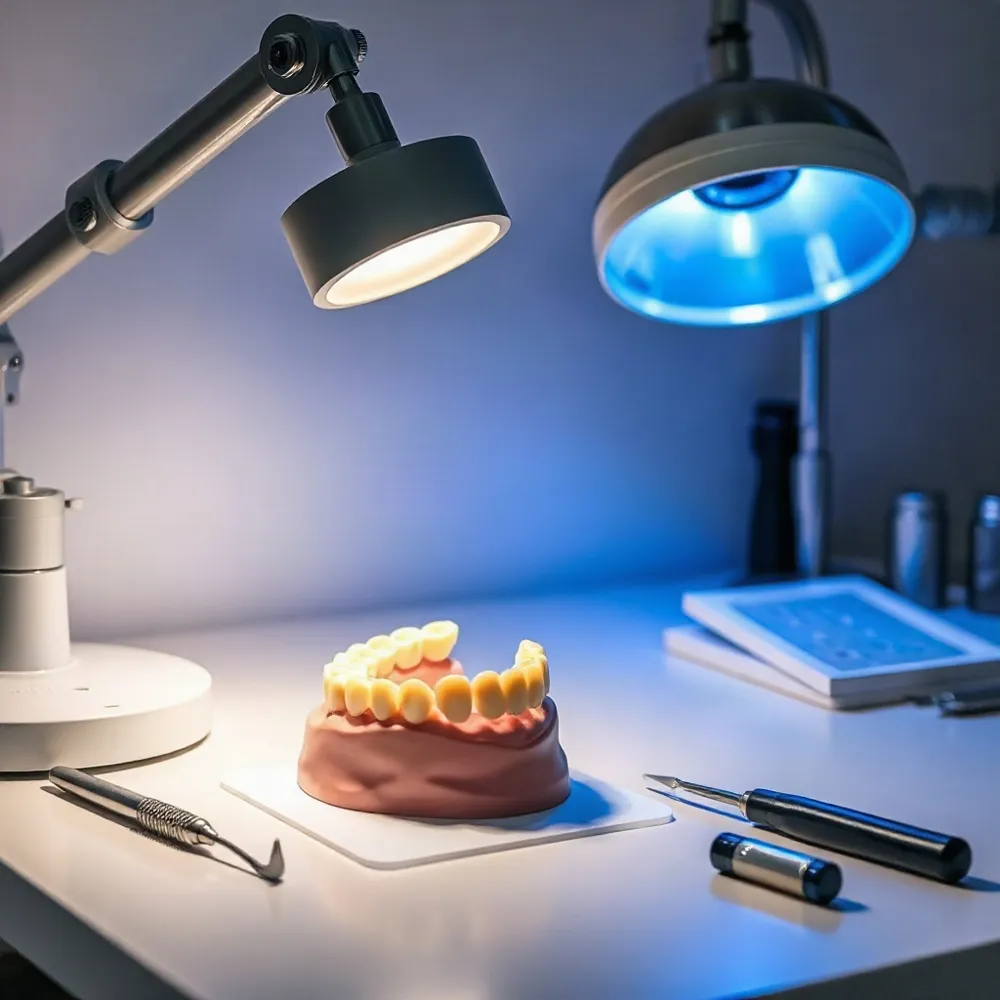 Denture breakage is a fairly common occurrence. Research indicates that a significant percentage of denture wearers will experience a fracture or crack at some point during the lifetime of their appliance.
The risk is particularly high for lower dentures, which are more prone to breaking due to their smaller size and the specific forces placed on them during chewing. Everyday accidents, such as dropping a denture while cleaning it over a sink, are one of the most frequent causes of breakage.
After several years of use, the acrylic material can become fatigued and brittle, making it more susceptible to cracking under normal bite pressure. Hard foods, like nuts and crusty bread, also contribute to stress fractures over time.
Fortunately, most types of denture fractures can be repaired efficiently by a skilled dentist. At davidmmayerdmd.com, many cracks, chips, and debonded teeth are handled with a same-day repair, getting patients back to eating and speaking comfortably without a long wait.
Assess the Damage: What Can Be Fixed Same-Day?
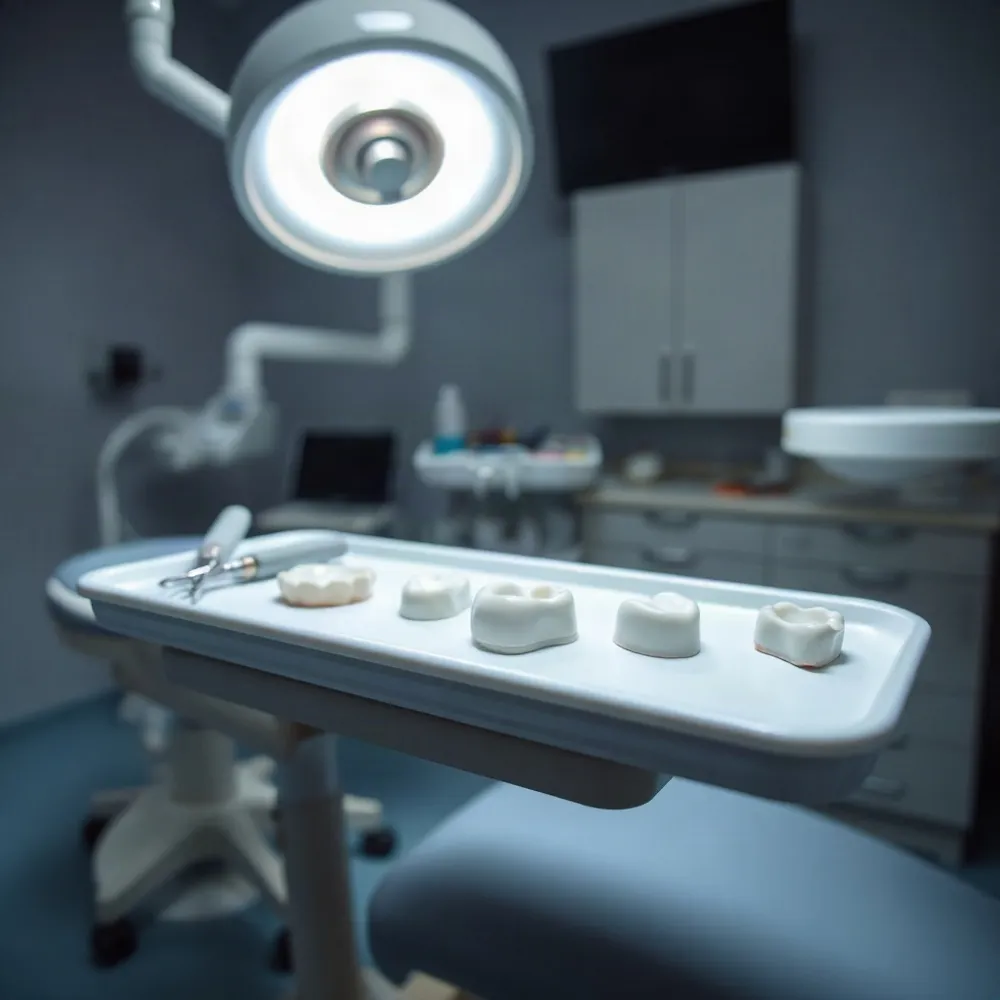 Not every denture break requires a complete replacement. Understanding what can be repaired — and how quickly — starts with identifying the type of damage.
Minor Cracks and Chips
A hairline crack or small chip in the acrylic base is often repairable while you wait. Dentists use high-quality bonding resins to fill and seal the crack, restoring the denture’s strength and fit. Catching a crack early prevents it from spreading into a complete fracture that would require more extensive work. A practice with an on-site lab can often finish this repair within a few hours, allowing you to leave with a fully functional denture.
Loose or Missing Teeth
When a denture tooth becomes loose or falls out completely, it can usually be reattached or replaced during a single visit. Your dentist will clean the socket, apply a dental-grade adhesive, and press the tooth back into place. If the original tooth is lost or damaged, a replacement can be matched to the shape and shade of the existing set. This type of repair is straightforward and is commonly completed same-day.
Complete Breaks Require Professional Lab Work
A denture that has snapped in half or broken into multiple pieces cannot be fixed with an at-home kit. The edges must be precisely realigned and bonded using specialized acrylic materials, often with a metal reinforcement wire to restore structural integrity. This type of repair requires a dental lab and typically takes longer than a simple crack fix. However, many dental offices with on-site laboratories can still complete the repair the same day or within 24 hours, depending on the complexity of the break.
How Long Does Denture Repair Really Take?
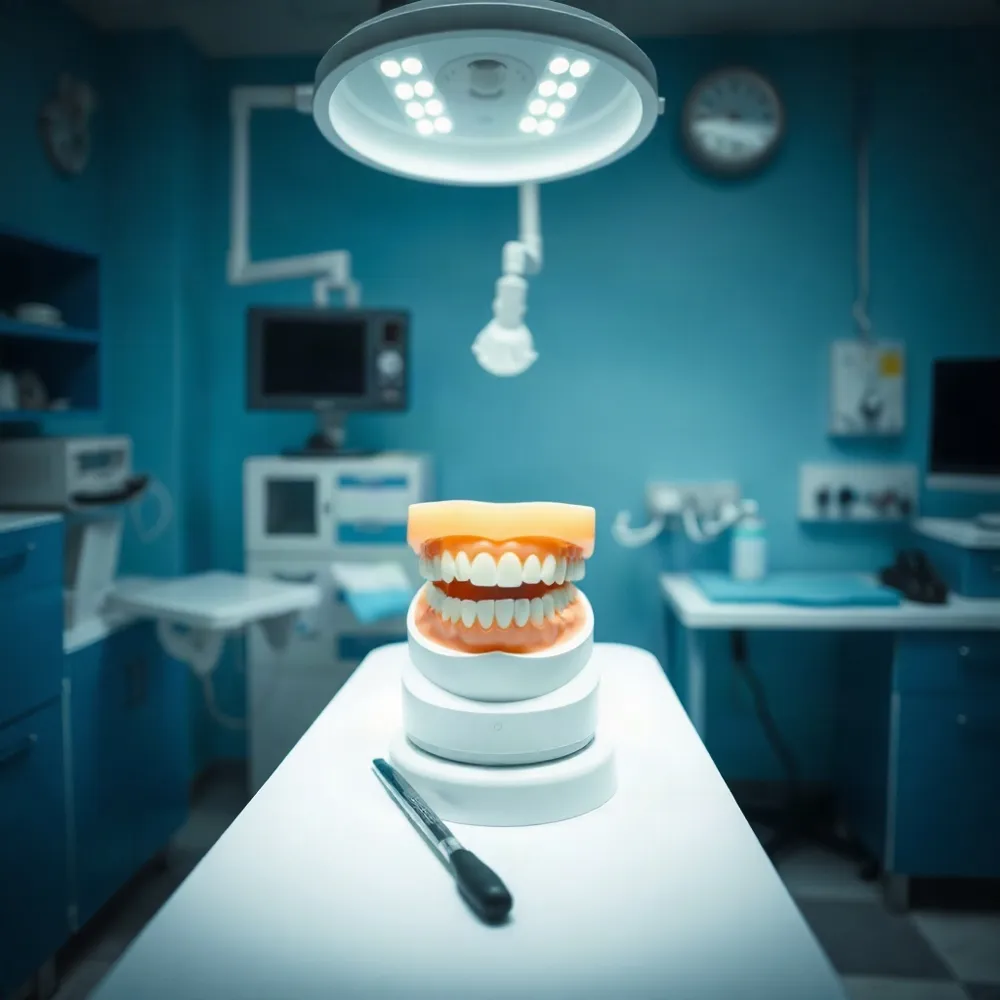 The time needed to repair a denture depends entirely on the type and severity of the damage. Many minor issues can be resolved in a single appointment, sometimes in as little as an hour. More complex structural problems may require the denture to stay at the lab for a day or longer. Understanding the difference helps you plan accordingly and avoid unnecessary wait times.
Minor Repairs: Same-Day, Often in One Hour
Simple fixes like reattaching a loose tooth, smoothing a rough edge, or filling a small hairline crack are typically completed the same day. A practice with an on-site lab can often finish these repairs in about an hour, allowing you to leave with a fully functional denture. For example, at a practice like davidmmayerdmd.com, same-day repairs are a standard offering for these common issues, getting you back to eating and speaking without a prolonged gap.
A typical emergency denture repair visit averages around 30 minutes for simple fractures, debonded teeth, chips, or clasp adjustments. The speed comes from the dentist or technician working with the fresh fracture surfaces, which bond predictably and allow for a precise repair without sending the appliance to an outside lab.
Complex Repairs: When More Time Is Needed
A denture that has broken completely in half, has missing chunks of acrylic, or requires replacement of multiple teeth is a more involved process. These repairs often require a dental impression to create a model of the mouth, and the denture may need to be reinforced with metal or a new base. In such cases, the repair can take 24 hours to a few days, even with an on-site lab.
If the denture is warped, has been repaired multiple times, or the base is significantly distorted, a full remake may be the more durable option. The dentist will explain what can be done the same day and what requires follow-up. Acting quickly within 24 to 48 hours of the break helps prevent the edges from wearing down, which can make precise alignment harder and increase the likelihood of needing a longer lab turnaround or a complete replacement.
How an On-Site Lab Speeds Up Turnaround
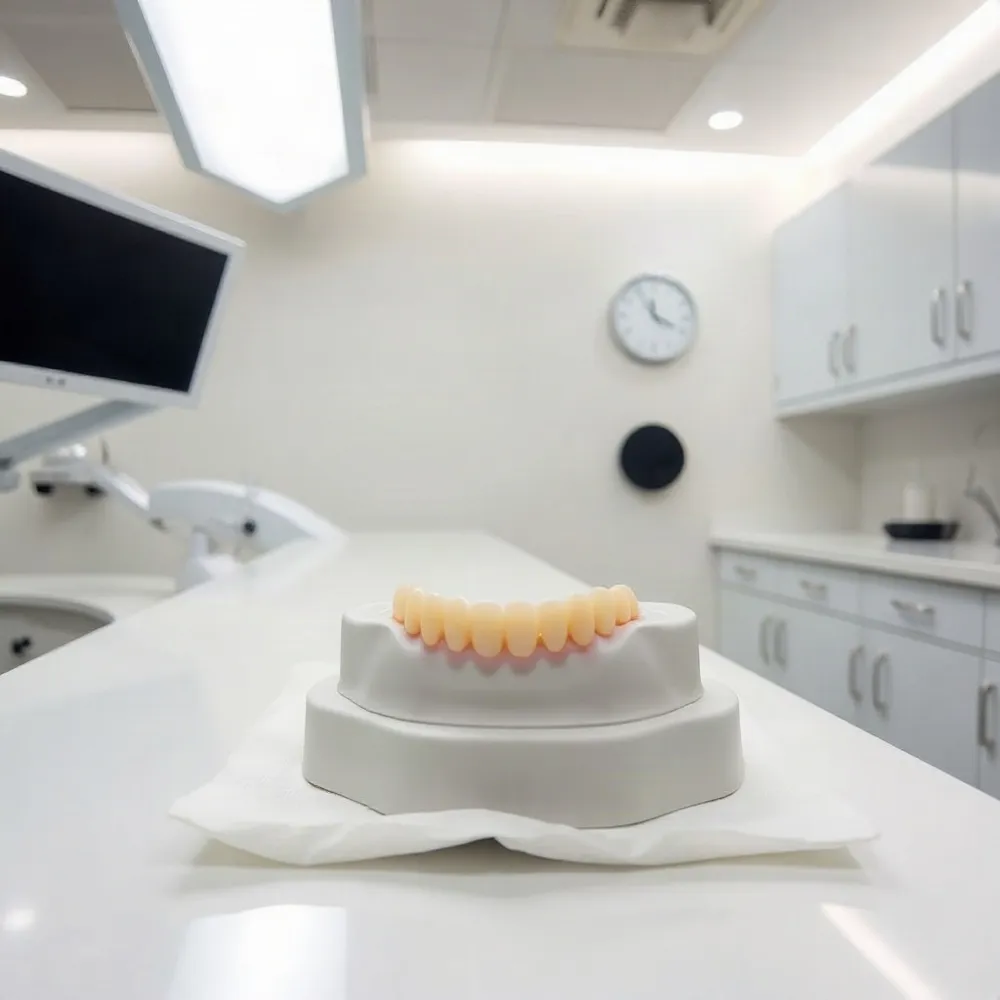
The single biggest factor in repair speed is whether the dental practice has an in-house laboratory. Offices with on-site labs can perform repairs in hours rather than days because they avoid the shipping time and scheduling delays of an external lab. davidmmayerdmd.com operates with this model, allowing for same-day service on many repairs and ensuring that even complex work is completed as efficiently as possible.
For patients, this means less time without their dentures. Going without a denture for days can affect nutrition, speech, and, for partial wearers, cause natural teeth to shift. An on-site lab also allows the dentist to check the fit immediately, making adjustments on the spot rather than sending the denture back for another round of work.
While over-the-counter denture repair kits exist for temporary fixes, they are only safe for minor cracks or loose teeth and never for a denture broken in half. These kits can cause more harm than good by ruining the fracture surfaces needed for a clean professional bond. A temporary repair kit should only be used as a stopgap until you can see a dentist within 24 to 48 hours for a permanent solution.
Temporary Fixes vs. Professional Repair
When a denture breaks, the immediate impulse is often to fix it quickly at home. While an FDA-approved denture repair kit from a pharmacy can serve as a temporary solution for minor issues like a small crack or a loose tooth, it is only a stopgap. For a denture that has snapped in half, home repair attempts will likely ruin the fracture surfaces and create bite problems that require a full replacement.
Why Household Glues Are Dangerous
Products like Super Glue, Krazy Glue, epoxy, and clear nail polish contain toxic chemicals that are not safe for oral use. They become brittle when dry, can damage denture acrylic, irritate gums, and permanently prevent proper professional bonding. Using them often necessitates a costly full replacement instead of a simple repair at a practice with the right tools.
At-home kits cannot provide the precision alignment or dental-grade materials needed for a lasting result. A poor fit from a DIY fix can cause sore spots, gum inflammation, and difficulty chewing. For patients in Paterson, our practice offers professional same-day repair using high-quality bonding agents and acrylics to restore strength, fit, and safety.
What to Do Before Seeing the Dentist
If your denture breaks, gather all pieces and store them in a container of cool water or denture solution to prevent warping. Rinse your mouth with warm salt water to soothe irritation, and call a dentist immediately to schedule an appointment. Prompt professional care within 24-48 hours keeps repair costs lower and prevents further damage.
What to Do When Dentures Break in Half or Bottom Dentures Crack
Cost and Insurance: What to Expect
The cost to repair a broken denture depends on the type and severity of the damage. Simple repairs, such as replacing a single broken tooth or fixing a small crack, typically range from $50 to $150. More complex repairs, like repairing a cracked base or reattaching multiple teeth, generally cost between $150 and $300.
Compare this to the cost of a full denture replacement, which can run $1,500 to $3,000 or more. Prompt professional repair not only saves money but also preserves the fit and function of your existing appliance. Practices like David M. Mayer, DMD offer walk-in same-day evaluations for broken dentures and can provide an exact cost estimate tailored to your specific damage.
Many dental insurance plans cover a portion of denture repair as a basic or major restorative service, though coverage varies by plan. Deductibles, annual maximums, and waiting periods may apply. It is always a good idea to check your benefits or ask your dentist's office to verify coverage before scheduling a repair.
Prevent Future Breaks with Simple Care
A small hairline crack can often be repaired by a dentist using specialized bonding materials. Professional repair restores the strength and fit of the denture, while at-home kits may worsen the damage or cause an improper fit that irritates gums. Even a minor crack should be evaluated to prevent further breakage.
Daily Cleaning and Handling Habits
Clean dentures daily with a soft-bristled brush and mild dish soap or a denture cleaner — regular toothpaste is too abrasive and can scratch the surface. When brushing, fill the sink with water or work over a folded towel; if the denture slips from your hands, the water or towel cushions the fall and prevents a costly break.
When dentures are not worn, store them in clean water or a denture solution to keep the acrylic from drying out and warping. Never use hot water, which can distort the base and ruin the fit.
Food Choices and Regular Check-ups
Hard foods — nuts, ice, whole apples, popcorn kernels, hard pretzels — and sticky candies like caramel or taffy can crack or loosen dentures. Slice apples and avoid using teeth to open packages. Sticky sweets can pull on the appliance and weaken the base.
Schedule a dental check-up at least once a year. The dentist can spot small cracks before they spread, adjust the fit as gums and bone change, and catch worn areas that need early repair. At davidmmayerdmd.com, the team of experienced professionals provides same-day repairs and preventive guidance to help your dentures last longer.
Get Fast, Professional Denture Repair in Paterson
When a denture breaks, a quick return to normal eating and speaking is the priority. Our practice offers same-day repairs, often completed while you wait, using an on-site lab and state-of-the-art technology. With over 40 years of experience, our team has the skill to match the shape, shade, and fit of your existing appliance.