Introduction to Same-Day Crowns
Definition and Overview of Same-Day Crowns
Same-day crowns, often referred to as CEREC crowns, are dental restorations that can be designed, fabricated, and placed within a single dental appointment. These crowns serve as custom caps that cover damaged or decayed teeth, restoring both function and natural appearance.
Technological Advances Enabling Same-Day Crowns
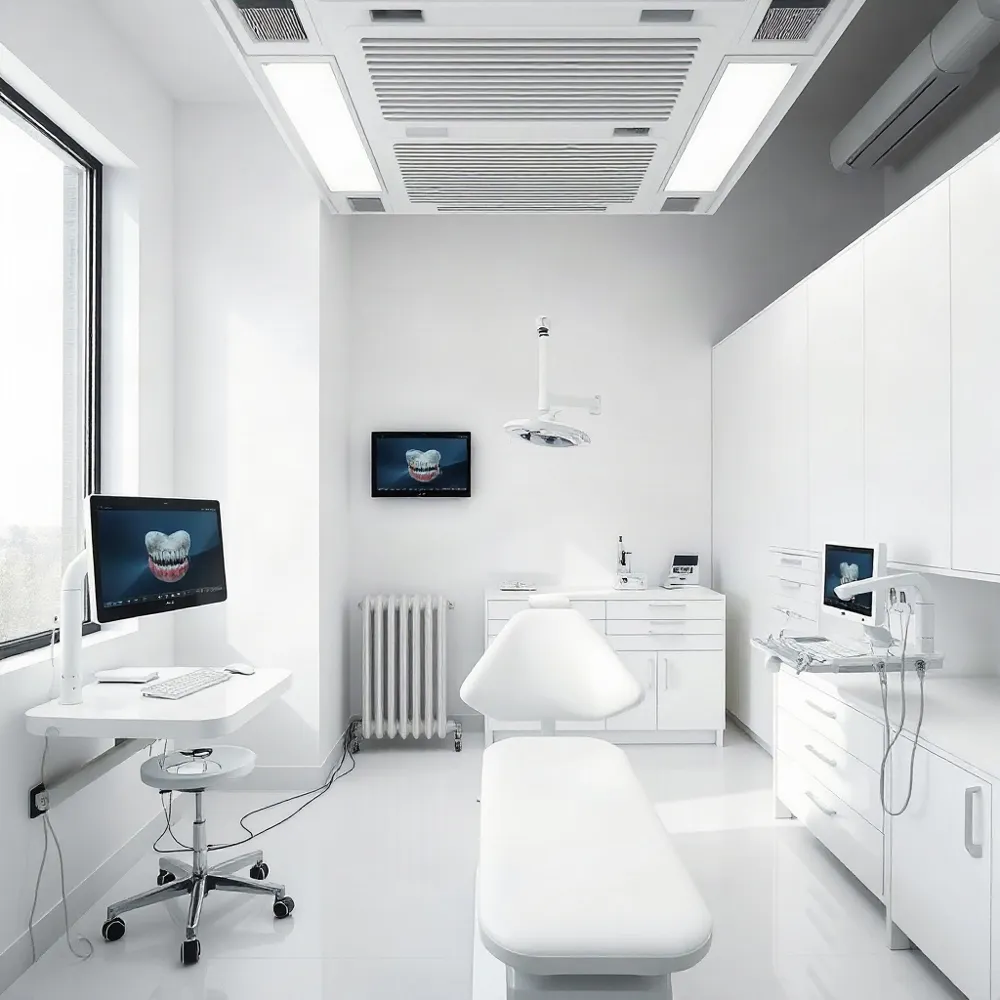
The key to same-day crowns lies in advanced CAD/CAM (Computer-Aided Design/Computer-Aided Manufacturing) technology. Through high-resolution digital intraoral scanning, dentists capture precise 3D images of the tooth, which are then used to design and mill the crown onsite from durable ceramic materials. This innovative technology eliminates the need for traditional impressions and temporary crowns.
Benefits of Same-Day Crowns for Patients
Same-day crowns offer significant advantages, including reduced treatment time, convenience from a single visit, and elimination of temporary crowns. They provide durable, aesthetically pleasing restorations that closely match natural teeth. The process is less invasive and more comfortable, leading to faster recovery and long-lasting results with proper care.
Understanding Same-Day Crowns: Technology and Procedure
What are same-day dental crowns?
Same-day dental crowns, often called CEREC crowns, offer a fast and efficient solution for tooth restoration in just one visit. These crowns are custom-designed and fabricated during your dental appointment using computer-aided design and manufacturing (CAD/CAM technology). This eliminates the need for multiple visits and temporary crowns, streamlining the treatment process while maintaining high quality and natural appearance.
How dentists make same-day crowns
Dentists use a state-of-the-art process starting with a detailed digital scan of the prepared tooth using an intraoral camera. This replaces traditional impressions, creating a precise 3D model. Using computer software, the crown is designed to fit perfectly and match the surrounding teeth. Next, a milling machine carves the crown from a durable ceramic block right in the dental office, usually within 10 to 20 minutes.
Duration of the same-day crown procedure
The entire same-day crown process typically takes about 1 to 2 hours. This includes tooth preparation, digital scanning, computer-aided design, milling of the crown, and final placement. Thanks to this efficient workflow, patients avoid multiple appointments and the discomfort of temporary crowns.
Use of CAD/CAM and CEREC technology
CAD/CAM technology integrates digital imaging with in-office crown manufacturing. CEREC (Chairside Economical Restoration of Esthetic Ceramics) is a widely used system that captures precise 3D images of the tooth and surrounding area. This technology enables the accurate design and rapid milling of high-quality ceramic crowns, ensuring both function and aesthetics.
Precision and comfort of digital impressions
Digital impressions taken with CAD/CAM scanners provide an accurate representation of the tooth structure, enhancing the fit of the crown. Unlike traditional goopy molds, digital scans are more comfortable, quicker, and reduce the need for adjustments. This results in improved patient comfort and a natural, seamless appearance of the restoration.
Evaluating the Durability and Reliability of Same-Day Crowns
Are same-day dental crowns durable and reliable?
Same-day dental crowns, commonly referred to as CEREC crowns, are made using advanced materials and technology that guarantee durability and reliability comparable to traditional crowns. These crowns are crafted from high-quality ceramic crowns that mimic the natural appearance and strength of real teeth. The use of CAD/CAM digital design and in-office milling ensures precise fit, reducing the likelihood of adjustments and enhancing patient comfort.
Material quality and durability of same-day crowns
Same-day crowns utilize dental-grade porcelain or ceramic that is both strong and wear-resistant, capable of withstanding normal biting and chewing forces. The all-ceramic nature of these crowns avoids metals, ensuring biocompatibility and a natural look while also maintaining resilience over time. Proper fabrication in a single dental visit preserves more natural tooth structure, which supports overall tooth health.
Comparison with traditional crowns
Traditional crowns are often fabricated in a dental lab with a wider range of material options, including gold, porcelain-fused-to-metal, and others, which might allow for more customization. However, studies demonstrate that the strength and longevity of same-day crowns are comparable to lab-made ones when proper oral hygiene is maintained. The convenience of completing the entire crown process in one visit without needing temporary crowns is a significant advantage of same-day crowns.
Long-term reliability and lifespan
With good oral care and routine dental visits, same-day crowns can last from 10 up to 30 years. Their durability depends on factors such as the patient’s oral hygiene practices, diet, and bite forces. The precise digital fit reduces potential complications like crown loosening or damage, contributing to their successful long-term use.
Patient care and factors affecting longevity
Maintaining crowns involves everyday oral hygiene—brushing, flossing, and avoiding hard or sticky foods that could damage the crown. Wearing mouthguards during sports is recommended to protect dental restorations. Regular dental check-ups allow early detection of any issues, ensuring crowns continue to function effectively over time.
| Aspect | Same-Day Crowns | Traditional Crowns | Notes |
|---|---|---|---|
| Material | High-quality ceramic (porcelain, zirconia) | Variety (gold, PFM, ceramic, resin, etc.) | Both durable, traditional offers more material options |
| Fabrication Time | Typically under 2 hours in one appointment (Single appointment dental crowns) | Several weeks, multiple visits | Same-day crowns offer faster treatment |
| Fit and Precision | CAD/CAM digital impressions ensure precise fit | Lab-made with handcrafted adjustments | Comparable accuracy, digital reduces adjustments |
| Lifespan | 10-30 years with proper care | 10-15 years or more with care | Same-day crowns can last equally long |
| Patient Comfort | No temporary crowns, fewer appointments | Temporary crowns required, multiple appointments | Same-day crowns enhance convenience |
Same-day crowns represent a reliable, durable option for many dental restoration needs, balancing quality, efficiency, and patient experience.
Weighing the Pros and Cons: Limitations and Costs of Same-Day Crowns

What are the disadvantages or limitations of same-day crowns?
Same-day crowns provide the advantage of convenience and speed, but they do come with certain limitations. One notable concern is durability; while made from high-quality ceramics, they may not be as robust as porcelain-fused-to-metal crowns, especially in areas of the mouth that endure strong biting forces, like molars. Furthermore, although digital scanning technology is precise, it may miss underlying tooth fractures or decay below the gum line, potentially leading to untreated problems if not carefully diagnosed beforehand. Same-day crowns are typically best suited for moderate damage or decay but might not be ideal for all dental conditions, such as multiple tooth restorations or complex cosmetic cases. A thorough evaluation by an experienced dentist is crucial to determine the suitability of a same-day crown for your specific dental needs.
Are same-day crowns more expensive than traditional crowns?
Cost considerations between same-day and traditional crowns can vary. Same-day crowns often use advanced CAD/CAM technology, which can increase the upfront cost. Generally, dental crowns range from $1,000 to $2,000, and same-day crowns may fall within or slightly above this range. Traditional crowns typically involve multiple visits and laboratory fees, which could offset some of the expenses. The choice of material also impacts the price; for instance, porcelain crowns tend to be more costly than metal alloys regardless of fabrication method. Overall, same-day crowns may prove cost-effective by eliminating the need for temporary crowns and multiple appointments, but patients should consult their dental provider and insurance company to understand coverage and out-of-pocket expenses specific to their situation.
Suitability for different dental conditions
Same-day crowns are well-suited for many routine restorative needs such as damaged, decayed, or moderately worn teeth. They are particularly advantageous for patients seeking swift treatment due to busy lifestyles. However, cases involving extensive tooth damage, multiple teeth, or patients requiring complex cosmetic dental work might benefit more from traditional crown fabrication techniques due to their greater customization options.
Insurance coverage considerations
Insurance coverage for same-day and traditional crowns varies among providers and plans. Many insurance companies cover both types of crowns, but patients should verify whether advanced CAD/CAM technology procedures carry additional costs or limitations. Understanding your dental insurance policy's specifics can help in planning the treatment financially and managing expectations about out-of-pocket expenses.
Materials and Types of Crowns: Understanding Choices and Costs
What types of dental crowns are available and how do their costs compare?
Dental crowns come in several materials, each with its unique characteristics, costs, and suitability for different dental needs.
-
Metal Crowns: Typically made from gold or base-metal alloys, these crowns are very durable and often chosen for molars due to their strength. They generally cost between $1,000 and $3,000 per tooth.
-
Porcelain-Fused-to-Metal (PFM) Crowns: Combining a metal base with a tooth-colored porcelain exterior, PFM crowns provide a balance of strength and aesthetics. They suit both front and back teeth and usually range from $1,200 to $3,500.
-
All-Ceramic or Porcelain Crowns: Known for excellent aesthetics and a natural appearance, these crowns are ideal for front teeth. Their cost typically falls between $1,500 and $3,000.
-
Zirconia Crowns: Made from a strong ceramic material, zirconia crowns are both durable and tooth-colored, suitable for visible areas. Prices align closely with porcelain crowns.
-
Resin Crowns: These are a more affordable option, costing around $400 to $800. However, they have lower durability and are more prone to wear.
Other options include stainless steel crowns, often used temporarily in children.
The choice of material impacts not only the crown's appearance but also its strength, longevity, and suitability for different teeth. Costs vary depending on material choice, procedure complexity, and geographical location. Most dental insurance plans cover a portion of crown costs, helping to make appropriate materials accessible to patients.
| Crown Type | Typical Cost Range | Key Features |
|---|---|---|
| Metal | $1,000 - $3,000 | Durable, best for molars |
| Porcelain-Fused-to-Metal | $1,200 - $3,500 | Strong, aesthetic, versatile |
| All-Ceramic/Porcelain | $1,500 - $3,000 | Highly aesthetic, good for front teeth |
| Zirconia | $1,500 - $3,000 | Strong, tooth-colored, durable |
| Resin | $400 - $800 | Affordable, less durable |
Choosing the right crown depends on individual dental needs, aesthetic preferences, and budget considerations. Dentists can provide tailored recommendations to ensure both functionality and appearance are optimized.
Why Choose Same-Day Crowns? Advantages and Practical Considerations
Are same-day crowns a good idea?
Same-day crowns are a highly convenient option for many patients, offering complete dental restoration in a single visit through advanced CAD/CAM technology in dentistry. These crowns are ideal for teeth that are cracked, chipped, have large fillings, or require coverage after root canal therapy. The entire process, from digital imaging for crown design to in-office milling and placement, happens onsite, eliminating multiple appointments and the need for temporary crowns. Healthy gum tissue is essential for best results, and some complex cases might still call for traditional crowns.
Benefits of same-day crowns including convenience and time-saving
Same-day crowns drastically reduce treatment time—typically completed within about two hours—compared to traditional crowns which require multiple visits over weeks. This single-appointment dental crowns procedure suits busy lifestyles and limits patient discomfort by removing the need for temporary crowns and repeated dental impressions.
Aesthetic and comfort advantages
Crafted from high-quality ceramic crowns, same-day crowns closely mimic the natural color, translucency, and shape of teeth. Digital scanning for crowns and design ensure a precise fit, often surpassing traditional impression methods in comfort. Patients enjoy the natural look and seamless integration into their smile without the inconveniences of lab delays or uncomfortable putty impressions.
Suitability for various dental conditions
Same-day crowns effectively restore damaged, decayed, or weakened teeth. They support routine restorative needs like large cavities and wear from biting forces, and they are suitable for use on molars and front teeth in most cases. However, extensive cosmetic requirements or multiple adjacent tooth restorations may benefit more from traditional lab-manufactured crowns.
Comparison with traditional crowns in patient experience and oral health
Traditional crowns require more tooth structure removal and multiple visits, including temporary crown placement, which carries risks of dislodgement. Same-day crowns preserve more natural tooth structure due to precise digital preparation and do not require temporary fixtures. Patient experience is often improved with less chair time, reduced discomfort, and fewer follow-ups. Both crown types offer comparable durability when combined with good oral hygiene practices, providing long-lasting protection and restored function.
| Feature | Same-Day Crowns | Traditional Crowns | Patient Benefit |
|---|---|---|---|
| Appointment Count | One visit | Two or more visits | Time-saving, convenient |
| Material | High-quality ceramic/porcelain | Various: gold, porcelain, PFM, ceramic (Porcelain-fused-to-metal crowns) | Durable and natural appearance |
| Impression Method | Digital scanning, no putty | Traditional impression with putty | Comfort, precision |
| Tooth Preparation | Minimal removal | Often more extensive | Tooth preservation |
| Temporary Crowns | Not needed | Required (Temporary crown placement | Less risk of temporary crown issues |
| Procedure Duration | About 2 hours | Weeks due to lab processing | Efficiency and immediate restoration |
| Aesthetic Outcome | Highly natural, custom fit | Customizable, sometimes superior | Enhanced smile integration |
Conclusion: Setting the Record Straight on Same-Day Crowns
Debunking Myths with Facts
Same-day dental crowns, also known as CEREC crowns, are crafted using advanced digital technology that creates durable, natural-looking ceramic restorations in a single appointment. Contrary to common misconceptions, these crowns can last as long as traditional crowns—up to 20 to 30 years with proper care—and match the aesthetics of natural teeth closely. The process eliminates the need for temporary crowns and multiple visits, offering patients a comfortable and efficient experience without compromising quality or fit.
Personalized Dental Care
While same-day crowns are a convenient choice for many, individual dental needs vary. Consulting with a qualified dental professional ensures the best treatment options based on your oral health, bite alignment, and restorative requirements. This personalized approach helps optimize both function and appearance.
Final Thoughts
The integration of digital technology in same-day crown procedures represents a significant advancement in dental care. Patients benefit from reduced treatment times, fewer appointments, and excellent restoration quality. With proper oral hygiene and regular dental visits, same-day crowns offer a reliable and aesthetically pleasing solution for tooth restoration that aligns with modern lifestyles.