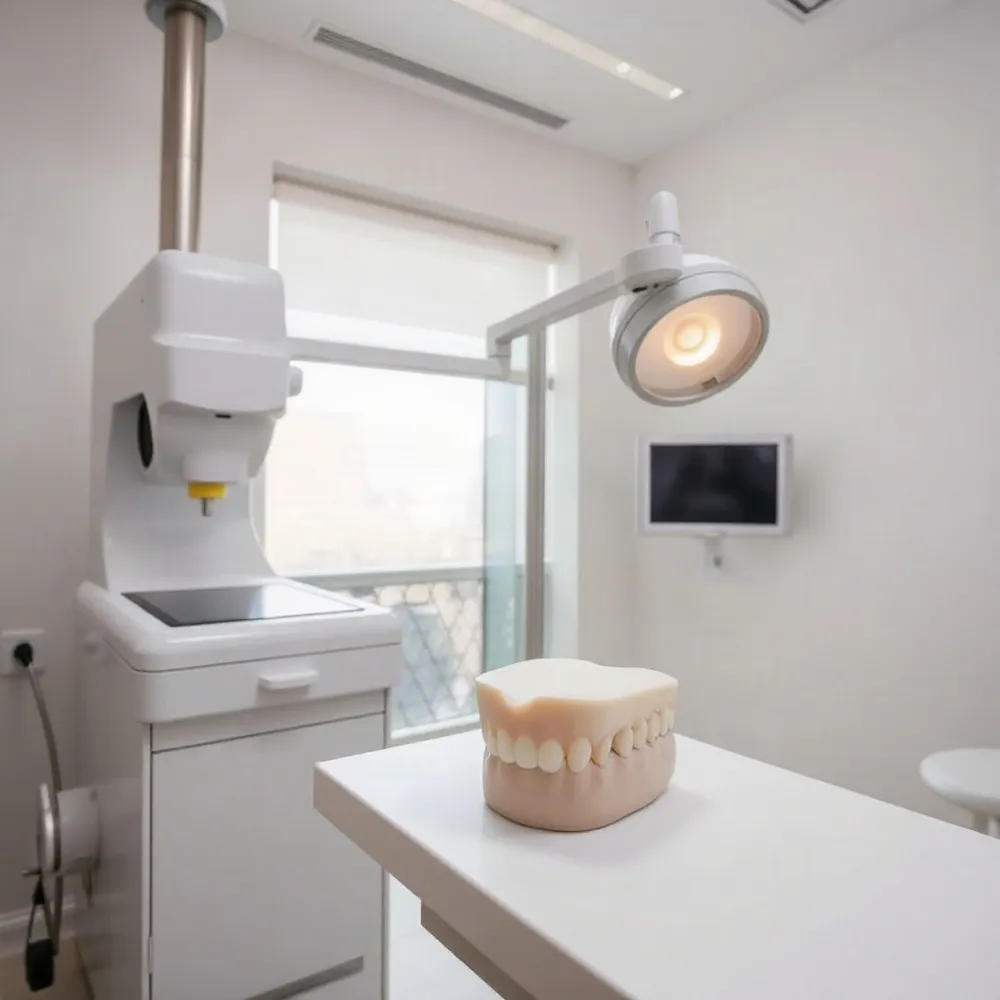
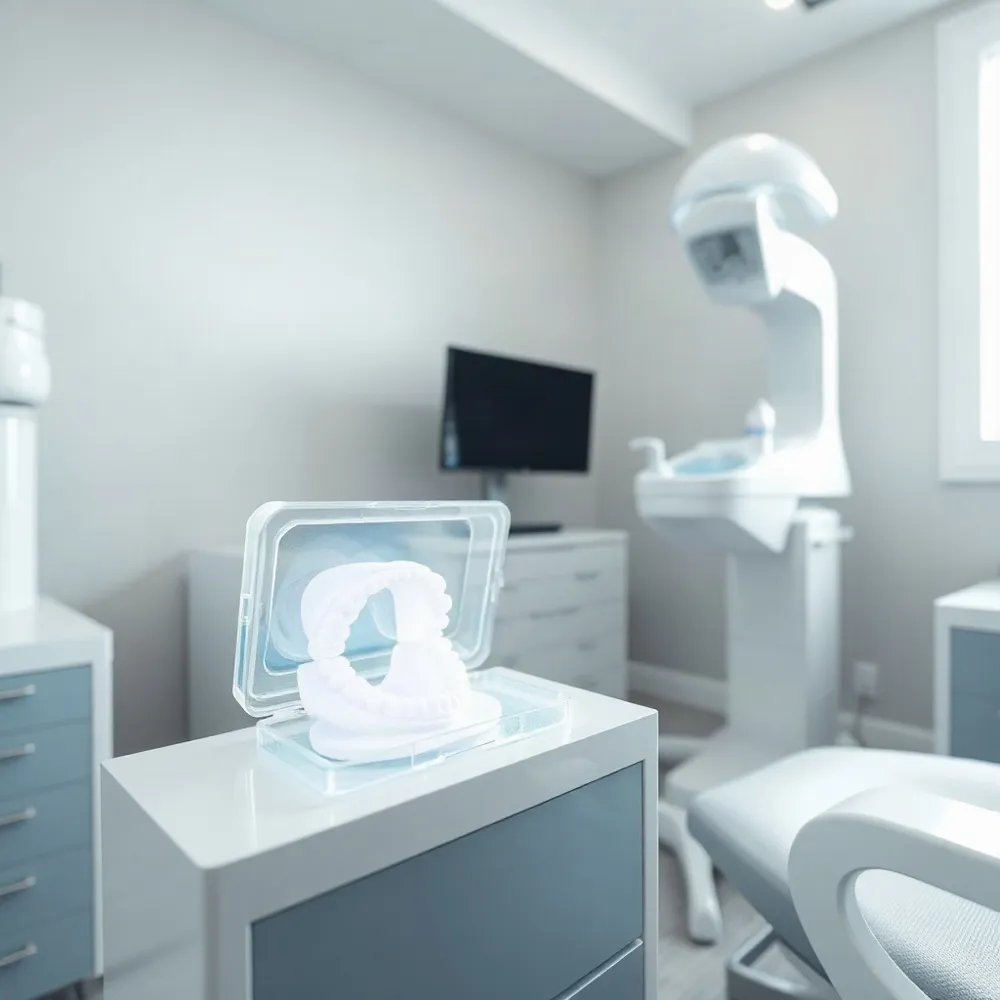
The Evolution of Emergency Dental Care and Patient comfort
The practice of oral surgery has moved far beyond its origins in ancient civilizations, where practitioners relied on basic mechanical tools like the tooth key. Today, the focus has shifted from simple extraction to a comprehensive model of dentistry that integrates advanced emergency services with state-of-the-art diagnostic technology. At davidmmayerdmd.com, this evolution is evident through a commitment to high-precision care, ensuring that urgent treatments are as efficient as they are comfortable.
- Historical advances from primitive tools to modern, specialized surgical instrumentation.
- Diagnostic precision through 3D imaging, which allows for the mapping of nerves and bone before intervention per StatPearls.
- Implementation of atraumatic extraction protocols that reduce post-surgical trauma and preserve bone integrity.
Modern dentistry represents a departure from reactive, pain-focused models toward a proactive approach that prioritizes early detection and minimal intervention. While some general clinics still rely on traditional forceps, davidmmayerdmd.com employs contemporary techniques like vertical extraction to simplify complex procedures. By utilizing four-handed dentistry, where an assistant supports instrument management and retraction, practitioners can provide safer outcomes for those facing urgent dental needs.
The integration of digital dentistry ensures that patient welfare remains at the center of every procedure. Modern workflows now emphasize a patient-centric environment designed to alleviate the anxiety often associated with emergency care. Through the application of modern surgical innovations, the clinical transition from diagnostic imaging to effective, restorative solution-finding is now faster and more predictable than standard historical protocols.
Modern Shifts in Dental Care and Technology
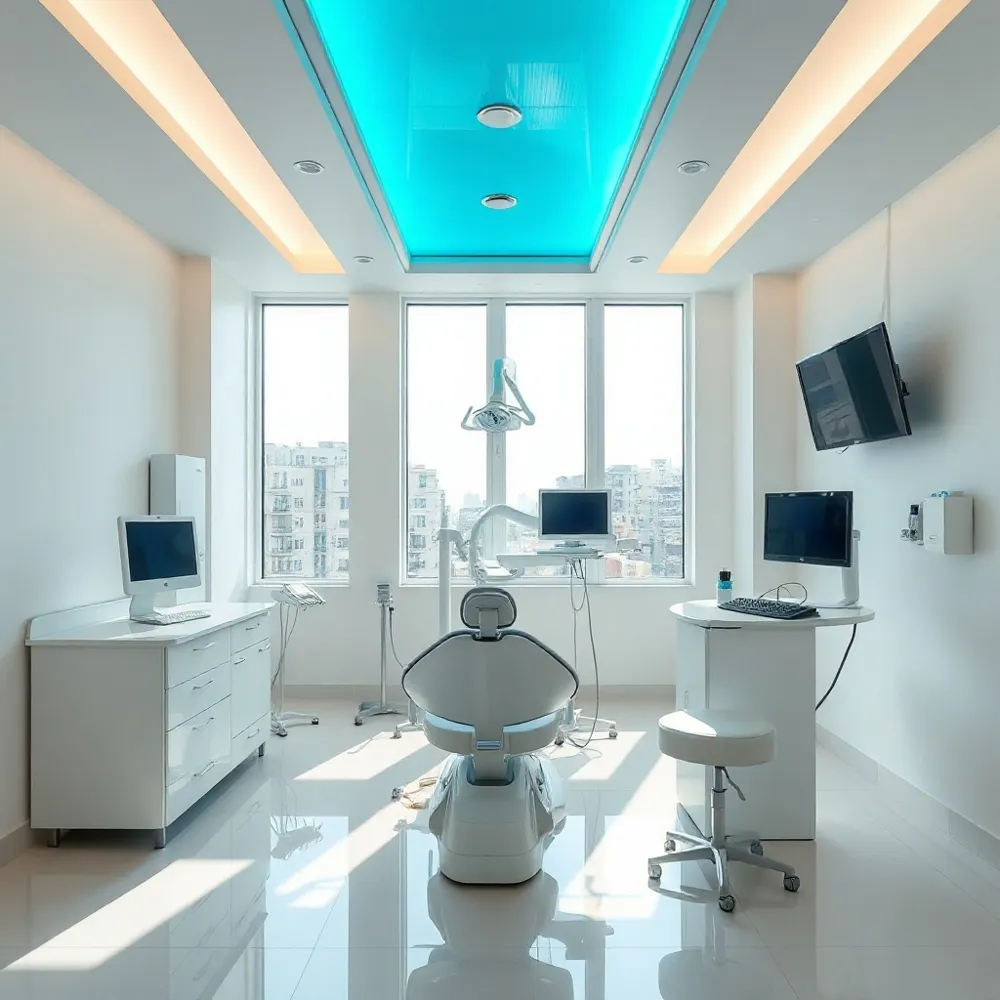 Over the past decade, the field of dentistry has undergone a fundamental transition from a reactive model toward proactive, preventative care. This evolution is underpinned by the seamless integration of digital dentistry and data analytics, which allow practitioners to identify issues such as decay or periodontal disease significantly earlier than previous generations of clinicians. At davidmmayerdmd.com, this technological framework sustains a commitment to efficiency, allowing the team to deliver same-day emergency treatments that preserve tooth structure and reduce patient stress.
The emergence of Artificial Intelligence (AI) has further enhanced these diagnostic capabilities. By analyzing complex radiographs and imaging far faster than manual methods, AI tools assist in detecting subtle cracks or bone loss that might otherwise go unnoticed. While large multi-site clinics may rely heavily on automated systems, the team at davidmmayerdmd.com balances these high-tech insights with the personal, compassionate oversight of an experienced provider who has spent over 40 years refining patient-centered care. This combination ensures that technology serves the patient's individual health outcomes rather than just the workflow.
Remote Accessibility and Connectivity
Accessibility remains a top priority in modern care, and teledentistry has established itself as a vital service for initial consultations and follow-up guidance. By allowing patients to consult with a professional from home, this technology lowers barriers to receiving timely advice for dental emergencies. For residents of Paterson, NJ, this digital connectivity works hand-in-hand with the local, in-person surgical proficiency offered at davidmmayerdmd.com. Patients can receive professional assessments regarding their pain or post-operative healing without making an unnecessary trip, ensuring that resources are focused on those who require immediate, in-office intervention.
Precision Tools for Atraumatic Extraction Procedures
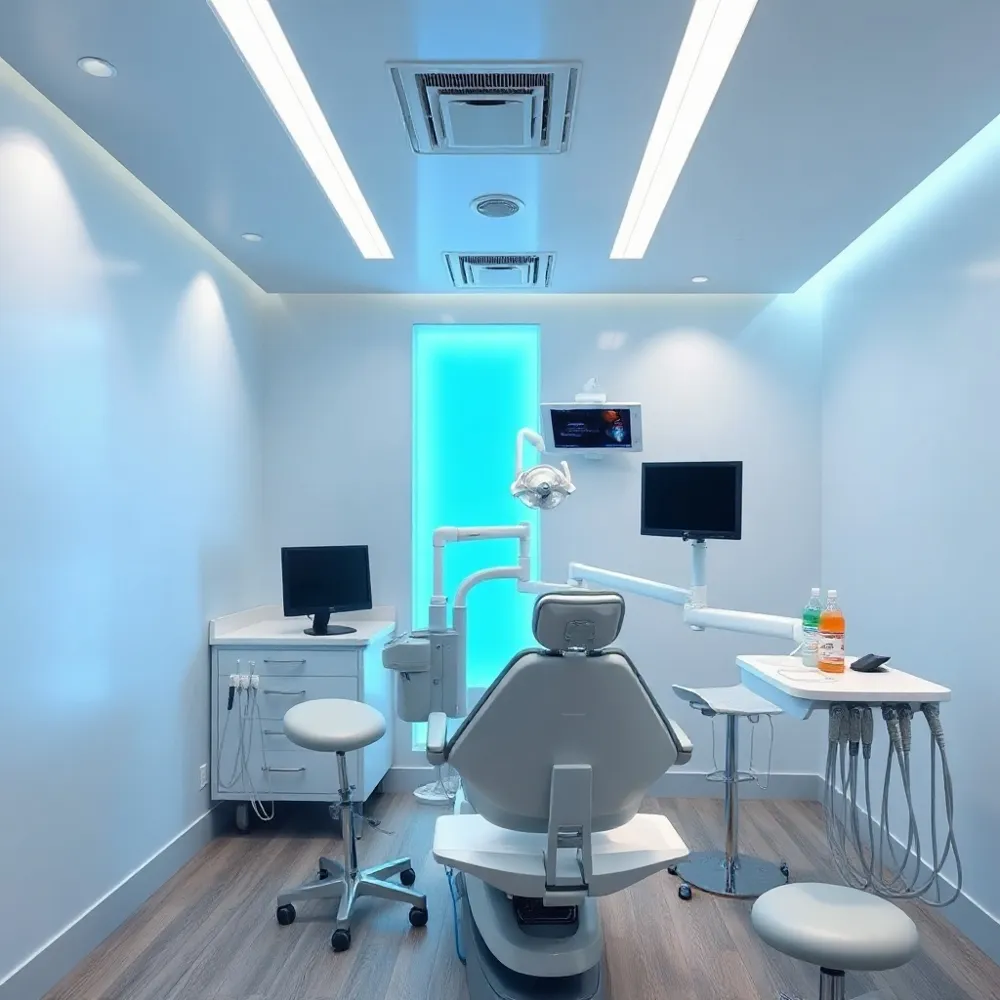 Modern dentistry prioritizes the preservation of alveolar bone through minimally invasive techniques that move far beyond the historical reliance on forceful extraction. Practitioners now utilize specialized instruments like luxators and elevators to sever the periodontal ligament and expand the alveolar socket incrementally. Because these tools allow for precision along the long axis of the tooth, they mitigate the trauma to adjacent gums and bone that often results from traditional forceps-only approaches Oral Surgery, Extraction of Teeth - StatPearls - NCBI Bookshelf.
What are modern atraumatic extraction methods? Recent advances include the use of physics forceps, powered periotomes, piezosurgery, and specialized axial extraction systems to enhance predictability. By reducing the physical force needed to mobilize a tooth, clinicians can ensure that the integrity of the surrounding structure remains intact, which is a critical prerequisite for immediate implant placement Tooth Extraction using Vertical, Conventional, and Surgical ....
Safety and efficiency are further bolstered by the application of four-handed dentistry. This model integrates a skilled assistant who manages suction, soft-tissue retraction, and instrument exchange, allowing the primary clinician to maintain total focus on the surgical site. This synchronized teamwork minimizes operator fatigue and reduces the risk of errors, such as wrong-site identification, while simplifying complex procedures for the patient.
Before any extraction, thorough preoperative planning is essential. Clinicians must perform a careful radiographic and anatomical assessment to identify risks such as the proximity of maxillary roots to the sinus floor or the relationship of mandibular nerves to tooth apices. Leveraging these advanced diagnostic protocols helps prevent complications like oro-antral communication or neural injury, ensuring that every emergency intervention is both safe and tailored to the unique anatomy of the patient.
Laser Technology and Advanced Surgical Innovations
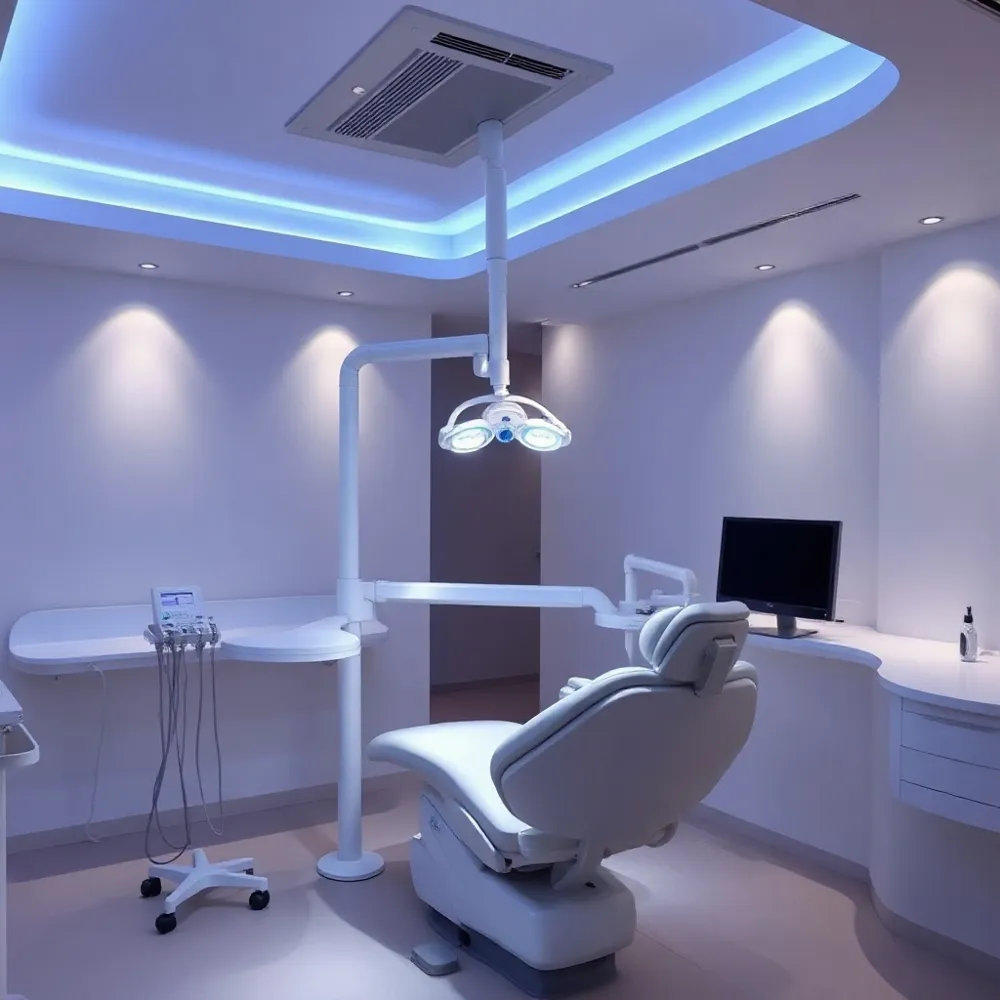 Modern dental surgery has moved beyond the mechanical limitations of traditional metal instruments, integrating sophisticated tools that prioritize tissue preservation. At davidmmayerdmd.com, we prioritize a minimally invasive approach to oral health, employing equipment that offers greater precision than conventional forceps or dental elevators referenced in StatPearls.
How do lasers improve the tooth extraction process?
Laser technology enhances the tooth extraction process by using focused light rather than traditional metal instruments to gently remove the tooth and surrounding tissue. This approach offers greater precision, which helps minimize bleeding and reduces trauma to the adjacent gums. By utilizing light energy, dentists can also sterilize the extraction site during the procedure, effectively lowering the risk of bacterial contamination. These benefits result in a more comfortable patient experience and a significantly smoother, faster recovery period. Ultimately, integrating lasers into oral surgery allows for a treatment option that reduces tissue disruption for our patients.
Beyond laser integration, surgical precision is further supported by piezoelectric technology, which utilizes ultrasonic vibrations to selectively cut bone without damaging soft tissues. While some traditional practices continue to rely on forceful mechanical removal methods, as studied in The Open Dentistry Journal, our team at davidmmayerdmd.com utilizes these ultrasonic and laser systems to ensure surgical precision and minimize complications.
| Innovation | Clinical Benefit | Improvement Over Traditional |
|---|---|---|
| Laser Systems | Site Sterilization | Reduced infection risk |
| Piezoelectric | Selective Bone Cutting | Protects adjacent nerves |
| Advanced Imaging | Surgical Planning | Mitigates guessing |
Technological Advancements in Modern Tooth Extraction
Modern tooth extraction relies on several advanced technologies that collectively improve precision, reduce recovery time, and protect oral structures for potential future restoration.
3D Cone-Beam Imaging for Surgical Planning
Cone-beam computed tomography (CBCT) provides a full three-dimensional view of the tooth roots, nerves, and jawbone. This level of detail allows the surgical team to assess the tooth's relationship with the inferior alveolar nerve and the maxillary sinus before making an incision, reducing the risk of complications during the procedure.
Platelet-Rich Fibrin (PRF) for Accelerated Healing
Platelet-Rich Fibrin (PRF) is an advanced biological technique that uses a sample of the patient's own blood. The blood is processed through a centrifuge to produce a fibrin membrane rich in growth factors. When placed into the extraction socket, PRF accelerates tissue regeneration and significantly reduces post-surgical swelling and pain. This patient-derived material eliminates concerns about foreign substances and supports natural healing.
Minimally Invasive Protocol Strategies
The overarching shift in modern extraction protocols is toward minimally invasive care. Luxators, designed to sever the periodontal ligament along the long axis of the tooth, preserve alveolar bone for future implant placement. Sectional (split-tooth) techniques reduce pressure on adjacent bone and soft tissue. These approaches, combined with instruments used in a four-handed dentistry setup, shorten recovery times and minimize post-operative complications such as dry socket or excessive bleeding.
Navigating Post-Operative Care and Recovery Guidelines
Effective post-operative care is the final, essential stage of ensuring a successful recovery following a tooth extraction. At davidmmayerdmd.com, we emphasize that protecting the stabilizing blood clot is paramount to preventing alveolar osteitis, commonly known as dry socket. This condition, which typically presents 1 to 3 days after a procedure, occurs when the clot breaks down prematurely, exposing the underlying bone and nerves.
What should patients avoid after a tooth extraction?
To ensure proper healing, it is essential to protect the blood clot that forms in the extraction site. For the first 24 hours, avoid rinsing your mouth forcefully, spitting, or touching the surgical area with your tongue or fingers. You must strictly avoid using straws, as the suction can dislodge the clot, and refrain from smoking for at least five days. Additionally, avoid strenuous physical activity for several days to prevent complications. When eating, steer clear of hard, crunchy, or small foods like nuts, seeds, rice, or popcorn that could become trapped in the socket.
- Monitor your pain levels; contact our office if discomfort intensifies significantly after 3 days.
- Refrain from routine antibiotic use, as current clinical evidence does not support their necessity for preventing routine post-extraction infections.
- Follow provided instructions regarding local hemostatic measures if you manage bleeding at home.
Our team at davidmmayerdmd.com remains available to guide you through these recovery milestones. If you experience persistent symptoms, please reach out to our office to ensure your healing remains on track.
Commitment to State-of-the-Art Dental Health
Providing high-quality dental care requires more than just clinical skill. It demands a dedication to constant improvement and a deep investment in state-of-the-art diagnostic and treatment tools. At davidmmayerdmd.com, our practice reflects this philosophy by combining over 40 years of expertise with modern, tech-driven interventions that prioritize patient welfare. We understand that selecting a provider involves trust, which is why our approach moves beyond generic treatment plans to offer personalized care tailored to each patient's specific anatomical and health needs.
The integration of advanced technology is a defining characteristic of our care model. While some facilities may rely on traditional instruments, our investment in 3D cone-beam imaging and specialized surgical techniques ensures that we can mitigate complications before they occur. By using methods such as four-handed dentistry, we maintain the highest standards of safety and efficiency during every procedure, from routine exams to complex emergency extractions.
Looking toward the future, we continue to embrace innovations in personalized oral medicine. As dental science evolves to include more precise, less invasive methodologies, our commitment remains fixed on accessibility and compassionate outcomes. Choosing a dentist who balances this long-standing clinical legacy with the newest evidence-based practices ensures that your smile receives the best possible protection, both today and for years to come.