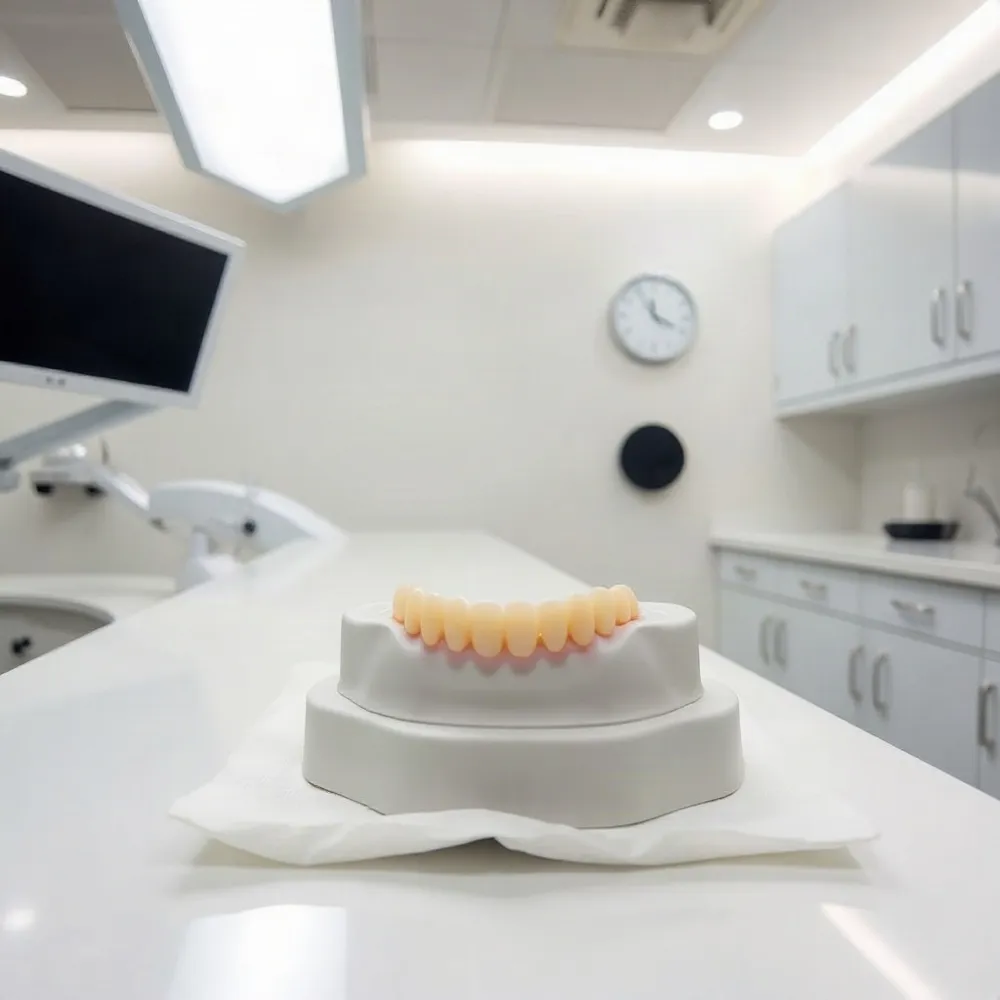
Why Tooth Extraction Sometimes Becomes Necessary
Severe decay that compromises the tooth’s structural integrity is one of the most common drivers of extraction. When the cavity extends into the pulp, where nerves and blood vessels reside, the resulting infection often cannot be reversed with a filling or root canal. Per the Mayo Clinic’s guidance on tooth decay, untreated decay can lead to abscess, swelling, and pain that signals the need for immediate attention. In these advanced stages, emergency tooth extraction at davidmmayerdmd.com becomes the most reliable way to halt the spread of infection and preserve your overall health.
Severe decay. When cavities reach the pulp and cause irreversible pulpitis, the infection may spread to the root tip. A root canal may fail if the tooth is too damaged, leaving extraction as the safer option to prevent systemic complications.
Advanced gum disease. Periodontitis destroys the bone and ligaments that hold teeth in place. When the supporting structure is lost, the tooth becomes loose and may require removal to stop further bone loss and protect neighboring teeth.
Trauma or fracture. A crack extending below the gumline or a tooth split vertically often cannot be restored. If the fracture compromises the tooth’s ability to function or triggers recurrent infections, extraction avoids chronic pain and infection.
Impaction. Wisdom teeth that fail to erupt fully can push against adjacent teeth, cause crowding, or lead to cyst formation. Impacted teeth are prone to pericoronitis, which can escalate to a severe infection, making removal the standard preventive measure.
Crowding. When orthodontic treatment requires space, selective extraction of one or more teeth can align the bite and improve long-term oral health. This is a planned, non-emergency indication for removal.
Each of these scenarios shares a common thread: the goal is always to preserve natural teeth whenever possible. However, when the supporting structures or the pulp are beyond repair, tooth extraction at davidmmayerdmd.com provides a decisive resolution that alleviates pain and prevents complications. Recognized for patient-focused care and over 40 years of experience, the practice ensures that every removal is assessed against saving the tooth first.
| Reason | Typical Symptoms | When Removal Is Necessary |
|---|---|---|
| Severe decay | Throbbing pain, sensitivity, swelling | Cavity reaches pulp; root canal fails |
| Gum disease | Bleeding gums, loose teeth, bad breath | Bone loss exceeds 50% of support |
| Trauma | Visible crack, pain on biting | Fracture extends below gumline |
| Impaction | Jaw stiffness, swelling, pain | Third molar remains partially buried |
| Crowding | Misaligned bite, spacing issues | Orthodontic plan requires space creation |
Pulp. The innermost soft tissue containing nerves and blood vessels; irreversible infection here often triggers extraction if root canal is not viable.
Periodontitis. Advanced gum infection that damages the periodontal ligament and bone; loses attachment so the tooth becomes mobile.
Pericoronitis. Inflammation of the gum tissue around a partially erupted tooth; can cause swelling and pain that may require emergency removal.
Common Reasons a Tooth May Need Removal
Tooth extraction is a common dental procedure, but it is rarely the first option your dentist considers. Understanding the reasons a tooth may need to be removed can help you recognize warning signs early and seek care before a minor issue becomes a dental emergency. Severe decay, advanced gum disease, and trauma are among the leading causes that push a tooth beyond the point of repair.
Severe Decay and Damage Beyond Repair
The most frequent trigger for a tooth extraction is extensive decay that has destroyed the tooth's structure, making a filling or crown impossible. When cavities reach the pulp, the soft tissue inside the tooth, and cause an infection that a root canal cannot resolve, removal becomes the safest option to protect your oral and overall health. Similarly, a tooth fractured below the gum line or split from an injury may not be restorable. For a clear overview of these situations, severe decay that cannot be restored is a common indication for extraction.
Trauma from accidents, sports injuries, or biting on hard objects can also leave a tooth beyond repair. If the damage extends into the root or the tooth becomes loose in its socket, your dentist will assess whether any restorative option remains. In cases where the tooth cannot be saved, extraction relieves pain and prevents further complications. At davidmmayerdmd.com, we focus on preserving natural teeth whenever possible, but when extraction is necessary, we ensure the process is as comfortable and straightforward as possible.
Advanced Gum Disease and Infection
Periodontal (gum) disease is another leading cause of tooth loss. As the infection progresses, it destroys the bone and ligaments that hold teeth in place, leading to loosening. When a tooth has lost significant support, extraction may be the only way to prevent the infection from spreading to neighboring teeth and underlying bone. This is particularly important because untreated gum disease is a silent condition that often shows few symptoms until the damage is advanced. Based on indications for tooth extraction, mobility due to bone loss is a clear sign that removal may be indicated.
Infections that reach the pulp and cause an abscess present a more urgent scenario. An abscess is a pocket of pus that forms when bacteria spread to the tooth's center. If the infection cannot be drained or treated with antibiotics and a root canal, the tooth may need to be extracted to stop the infection from spreading to your jaw, face, or bloodstream. This is why timely evaluation matters. Our team at davidmmayerdmd.com recommends addressing any dental pain or swelling promptly, as early intervention can often save a tooth that would otherwise be lost.
Overcrowding and Orthodontic Needs
Sometimes teeth are removed not because they are unhealthy, but because they are causing problems for the rest of your dentition. Overcrowding occurs when there is not enough space in the jaw for all teeth to align properly. Orthodontic treatment, such as braces or clear aligners, often requires the removal of one or more teeth to create room for the remaining teeth to shift into proper alignment. This approach helps achieve a stable bite and a healthier smile. A dentist will evaluate your jaw space, tooth size, and treatment goals before recommending extraction as part of an orthodontic plan.
Wisdom teeth, or third molars, are the most commonly extracted teeth for this reason. They often emerge impacted, meaning they do not fully break through the gum, or they grow at an angle that pushes against neighboring teeth. This can lead to pain, infection, or damage to adjacent molars. Proactive removal of problematic wisdom teeth is a standard preventive measure. For those with immediate concerns, our emergency tooth extraction guide explains when removal becomes urgent, and our tooth extraction overview details the full process from consultation to recovery.
Impacted Teeth and Impending Complications
An impacted tooth is one that fails to erupt fully through the gum, often due to obstruction from the jawbone or neighboring teeth. While any tooth can be impacted, wisdom teeth are the most common. Impacted teeth can cause a range of issues, including persistent pain, swelling, and difficulty opening your mouth. They may also create pockets where food and bacteria accumulate, leading to gum infection and decay. In some cases, an impacted tooth can press against a nerve, causing referred pain or even sinus complications. If left untreated, the risks multiply, and extraction becomes medically necessary. The top reasons for extraction include these impaction-related complications, which are best addressed early.
Decay damage. Extensive decay that cannot be restored with a filling or crown is the most common reason for removal, as the structural integrity of the tooth is compromised.
Gum disease. Advanced periodontitis destroys the supporting bone and ligaments, leaving teeth loose and prone to falling out or needing extraction to prevent spread of infection.
Impaction. Teeth that remain trapped in the jaw, especially wisdom teeth, can cause pain, infection, and damage to adjacent teeth, making removal advisable.
Trauma. A fracture, split, or severe injury that extends below the gum line often makes a tooth unsalvageable, especially if the nerve or blood supply is damaged.
Overcrowding. Removing one or more teeth creates space for orthodontic alignment, improving bite function and long-term oral health.
| Reason | Key Sign | Why Removal Is Needed |
|---|---|---|
| Severe decay | Deep cavity, pain, sensitivity | Tooth structure destroyed; crown or filling cannot hold |
| Advanced gum disease | Loose tooth, receding gums, swelling | Bone loss eliminates support for the root |
| Impacted tooth | Pain, swelling, jaw stiffness | High risk of infection or damage to nearby teeth |
| Trauma | Visible fracture, mobility | Damage extends below gum line or into the root |
| Overcrowding | Crowded alignment, bite issues | Creates space for orthodontic treatment to succeed |
Signs a Tooth Is Beyond Repair
 A dentist's first instinct is always to preserve your natural tooth. The decision to remove one only comes after a careful evaluation shows that the damage has progressed beyond what a filling, root canal, or other restoration could reliably fix. Understanding what makes a tooth unsalvageable can help you recognize when an extraction is the right path and when a tooth is genuinely beyond repair.
Severe decay. When decay reaches the inner pulp and destroys a large portion of the tooth's structure, a filling or crown can no longer provide a stable foundation. At this point, bacteria have compromised the tissue, and a root canal with a crown may no longer be a viable option.
Advanced fracture. A crack that extends below the gum line or splits the tooth vertically can expose the root and create a pathway for infection. Once a fracture reaches the supporting bone, the tooth can no longer be predictably saved, and removal becomes the safer choice.
Several specific conditions signal that a tooth has moved from repairable to non-restorable. The most common include extensive decay, severe fractures, advanced gum disease that has loosened the tooth, and impacted teeth that can't erupt properly. Each situation removes the structural or biological support that a restoration would need to succeed. For a closer look at the signs that a tooth may be beyond saving, review the signs a tooth is beyond repair.
When a Root Canal Isn't Enough
A root canal removes infected pulp and seals the tooth, but it doesn't repair all types of damage. If the remaining enamel and dentin are so weak that they can't support a crown, or if the infection has spread into the surrounding bone, the tooth is no longer a good candidate for restoration. In these cases, extraction prevents the infection from spreading to nearby teeth and the jaw.
The Role of Immediate Treatment
Time matters when a tooth is beyond repair. Waiting allows bacteria to multiply, increasing the risk of abscess, swelling, and systemic infection. An emergency tooth extraction addresses the problem quickly, relieves pain, and prevents further oral health complications. Knowing when to act can be the difference between a simple removal and a more complex surgical procedure.
| Condition | What It Means | Restoration Potential |
|---|---|---|
| Large cavity | Decay reaches pulp and weakens tooth | Low |
| Vertical crack | Split reaches gumline | Low |
| Advanced gum disease | Bone loss loosens tooth | Low |
| Impaction | Tooth cannot emerge normally | Low |
If you're unsure whether your tooth can be saved, a professional evaluation is the next step. Our team at davidmmayerdmd.com offers careful, honest assessments to help you decide whether a restoration is worth pursuing or whether extraction is the safer path for your long-term oral health.
Wisdom Teeth and the Need for Removal
 While saving a natural tooth is always the preferred outcome, some situations leave little choice but removal. Understanding the reasons behind extraction can help you recognize when a problem has moved beyond what a filling, crown, or root canal can fix. Many of these cases stem from damage or disease that compromises the tooth's structural integrity or the health of the surrounding bone and gums.
Severe Decay or Infection
When tooth decay penetrates deep into the tooth and reaches the pulp, it can lead to an infection that spreads to the root and supporting bone. In many instances, a root canal can save the tooth, but if the decay is too extensive or the tooth has lost too much structure, extraction becomes the safer option. Untreated infections carry the risk of abscess formation, which can affect your overall health, so addressing them promptly is critical. Signs that a tooth may be beyond repair include persistent pain, swelling, and the presence of pus or a pimple-like bump on the gums.
Periodontal Disease and Bone Loss
Advanced gum disease, or periodontitis, destroys the bone and tissues that hold teeth in place. As the supporting structures weaken, teeth become loose and may eventually require extraction. This is often a gradual process, and by the time loosening is noticeable, significant bone loss has already occurred. In cases where the tooth is too mobile to support a restoration or where the infection compromises neighboring healthy teeth, removal may be recommended to preserve the overall health of your mouth.
Impacted Wisdom Teeth
Wisdom teeth, also known as third molars, often fail to erupt properly due to lack of space or improper angulation. When a tooth becomes impacted, it can push against adjacent teeth, cause crowding, and create pockets where bacteria accumulate, leading to infection, cysts, or damage to nearby roots. Impacted wisdom teeth that fail to erupt properly are a frequent reason for extraction, especially in young adults. Not all impacted teeth cause immediate problems, but preventive removal is often advised to avoid future complications.
Overcrowding and Orthodontic Preparation
Sometimes teeth are removed to create space for proper alignment, whether for braces or other orthodontic treatments. In cases of severe crowding, one or more teeth may be extracted to allow the remaining teeth to shift into better positions. This is a planned, proactive measure rather than an emergency, but it requires the same careful evaluation to ensure the outcome is stable and functional.
Trauma and Fractures
A tooth that suffers a severe crack, fracture, or break may be beyond repair, especially if the damage extends below the gum line or involves the root. While a tooth extraction can sometimes be avoided with a crown or root canal, extensive structural loss or a split tooth often leaves no restorative option. In these cases, removal prevents further damage to the surrounding bone and soft tissue.
| Reason | Description | When Extraction Is Likely |
|---|---|---|
| Severe decay or infection | Deep cavities or pulp infection that compromise the tooth | When a root canal cannot save the tooth |
| Periodontal disease | Bone loss and loosening of the tooth from advanced gum disease | When the tooth is too mobile to support restoration |
| Impacted wisdom teeth | Teeth that fail to erupt properly, causing pain or damage | When there is a risk to adjacent teeth or jaw health |
| Overcrowding | Lack of space for proper alignment | Preliminary to orthodontic treatment |
| Trauma | Fractures or breaks that extend below the gum line | When the tooth structure is compromised beyond repair |
Creating Space for Orthodontic Treatment
Tooth removal is sometimes the only way to protect your oral health and relieve pain. Severe decay, advanced gum disease, physical trauma, and orthodontic overcrowding are among the most frequent causes. When damage extends beyond what a filling, root canal, or crown can repair, extraction becomes a necessary last resort rather than a first choice. Understanding these reasons can help you recognize when a problematic tooth should be evaluated promptly.
Severe Decay and Damage Beyond Repair
Cavities that reach the inner pulp can cause intense pain and infection. If the decay is too extensive for a crown or root canal to restore, removal may be the only way to stop the infection from spreading to surrounding teeth and bone. Similarly, a tooth fractured below the gum line or split by trauma may not be salvageable. At David M Mayer DMD, we prioritize saving your natural teeth whenever possible, but when the structure is compromised beyond repair, extraction offers relief and prevents further complications.
Decay. Advanced cavities that destroy too much tooth structure leave no foundation for a filling or crown.
Trauma. Cracks reaching below the gum line or into the root often make the tooth unsalvageable.
Infection. An abscess that doesn't respond to root canal therapy or antibiotics may require extraction to stop the spread.
When a tooth is beyond saving, emergency tooth extraction can quickly resolve pain and reduce the risk of systemic infection. Signs like persistent throbbing, swelling, or pus discharge indicate that waiting could worsen the condition. If you're unsure whether your situation is urgent, our team can assess it and guide you through the safest course of action.
Gum Disease and Weakened Supporting Bone
Periodontal disease attacks the gums and bone that hold teeth in place. As the infection progresses, teeth lose their attachment and become loose. In advanced stages, extraction may be necessary to prevent the loss of neighboring healthy teeth. Early intervention can often save the tooth, but once the supporting structures are destroyed, removal may be the only way to protect your overall oral health.
Unlike acute trauma or decay, gum disease often develops silently with minimal discomfort until significant damage has occurred. Regular check-ups allow us to catch these issues early. If extraction does become necessary, there are hidden benefits to removing a hopeless tooth, including the prevention of infection spread and the preservation of surrounding bone for future treatments.
Creating Space for Orthodontic Treatment
Crowded teeth are difficult to clean effectively, which increases the risk of decay and gum disease. Orthodontic treatment, such as braces or clear aligners, often requires additional space to align teeth properly. In these cases, extracting one or more teeth creates room for the remaining teeth to shift into healthier positions. While some patients may view extraction as a setback, it is a routine part of many successful orthodontic plans.
If you're considering orthodontic treatment, our team can help you understand whether extraction is needed. Waiting too long to address overcrowding can lead to more complex dental problems, so early evaluation is essential. We work closely with you to develop a plan that supports both your orthodontic goals and long-term oral stability, ensuring the best outcome for your smile.
| Reason for Extraction | Common Signs | Why Removal Is Necessary |
|---|---|---|
| Severe decay or damage | Pain, visible cavity, broken tooth | Infection risk, no restorable structure |
| Advanced gum disease | Loose teeth, receding gums | Bone loss exceeds supporting capacity |
| Orthodontic overcrowding | Crowded or misaligned teeth | Space creation for proper alignment |
Simple vs. Surgical Extraction: Key Differences
When you and your dentist discuss removing a tooth, the conversation usually centers on one of two approaches: a simple extraction or a surgical extraction. The choice depends on how the tooth is positioned and how accessible it is. A simple extraction is performed on a tooth that is visible above the gumline, allowing the dentist to grasp it with forceps and ease it out. In contrast, a surgical extraction is needed when the tooth is broken off at the gumline or has not erupted fully, requiring an incision into the gum tissue. Understanding which type you need helps set the right expectations for the procedure and recovery.
For many patients, the distinction is not obvious until the dentist takes an X-ray and examines the tooth closely. Simple extractions are routine and typically involve minimal trauma to the surrounding bone and gum tissue. They are often completed in a matter of minutes with local anesthesia. Surgical extractions are more involved: the dentist may need to remove some bone, section the tooth into smaller pieces, or place stitches to promote healing. The tooth extraction services at David M Mayer DMD are designed to handle both scenarios with care and precision, ensuring that you receive the appropriate treatment for your specific situation.
Procedure Differences and What to Expect
Simple Extraction. Performed on teeth visible above the gumline. The dentist uses a dental elevator and forceps to loosen and remove the tooth. The procedure is typically quick, with local anesthesia, and recovery is usually straightforward.
Surgical Extraction. Required when the tooth is broken below the gumline, impacted, or has not fully erupted. The dentist makes an incision in the gum, may remove surrounding bone, and often places stitches. This is a more involved procedure that may require sedation and a longer recovery period.
While both procedures aim to relieve pain and prevent further complications, the post-operative experience differs. Simple extraction recovery is often shorter, with most people returning to normal activities within a day or two. Surgical extraction recovery can take longer, with swelling and discomfort lasting up to a week. Your dentist will provide specific aftercare instructions tailored to your procedure. If you are dealing with a problematic tooth and are unsure whether you need an extraction, the emergency extraction guide outlines common signs that indicate the need for immediate attention.
Choosing the Right Approach at David M Mayer DMD
At David M Mayer DMD in Paterson, NJ, we have over 40 years of experience performing both simple and surgical extractions. Our team uses state-of-the-art technology to ensure accurate diagnosis and comfortable treatment. Unlike generic dental chains where you might see a different provider each visit, we offer continuity of care in a compassionate, multilingual environment (English, Spanish, and Arabic). We take the time to explain your options, discuss the risks and benefits, and answer any questions you have before proceeding. Whether you need a straightforward extraction or a more complex surgical procedure, we are here to help. To learn more about what to expect during an emergency extraction, read our patient-focused guide.
Before you decide on extraction, we encourage you to schedule a consultation. We will evaluate your tooth, review your medical history, and determine the least invasive treatment that preserves your oral health. If extraction is indeed necessary, we will make sure you are comfortable and well-informed every step of the way. For those seeking comprehensive dental care, including preventive and restorative options, David M Mayer DMD offers a full range of services under one roof, making it a convenient choice for your entire family.
| Aspect | Simple Extraction | Surgical Extraction |
|---|---|---|
| Tooth visibility | Above gumline | Below gumline or impacted |
| Procedure | Forceps only | Incision, possibly bone removal |
| Anesthesia | Local | Local or sedation |
| Recovery time | 1-2 days | Up to a week |
| Stitches | Usually none | Often required |
Understanding the differences between simple and surgical extraction helps you feel more prepared and less anxious about the procedure. Our goal at David M Mayer DMD is to provide honest, clear guidance so you can make the best decision for your dental health. If you have any concerns or want to discuss your options, our team is ready to help.
What to Expect in Terms of Cost and Planning
Knowing what a tooth extraction costs before you sit in the chair takes the stress out of an already anxious appointment. Simple and surgical extractions are priced differently, and the number you end up paying depends on factors like the location of the tooth, the complexity of the removal, your choice of sedation, and whether you have insurance. Below is a breakdown of typical ranges, what drives the final bill, and the payment options that can make treatment affordable.
For a simple extraction, the tooth is visible above the gum line, and the procedure usually involves just a local anesthetic and a few minutes of work. On the low end, you might pay around $200, while more difficult simple cases can run up to $700. Surgical extractions, which come into play when a tooth is broken off below the surface or when the bone needs to be reshaped, typically cost between $300 and $1,800 per tooth. Sedation options, like the laughing gas we offer, add $100 to $500 to the total.
| Type of Extraction | Typical Cost Range | What Affects the Price |
|---|---|---|
| Simple extraction | $200–$700 | Tooth position, number of roots, local anesthesia only |
| Surgical extraction | $300–$1,800 | Impaction, bone removal, sectioning the tooth |
| Sedation (optional) | $100–$500 | Nitrous oxide or other options, duration |
Beyond the type of extraction, your specific situation drives the final number. A tooth that’s severely decayed or infected may require more procedural steps, such as draining an abscess or removing bone, which increases both chair time and cost. Your location also matters: practices in urban areas generally charge more than those in rural regions, and a specialist like an oral surgeon will typically cost more than a general dentist.
Extraction type. Simple extractions (visible tooth, local anesthesia) fall at the low end of the range. Surgical extractions, which involve an incision or bone modification, sit at the high end.
Sedation choice. Local anesthesia is usually included in the base price, while nitrous oxide or other forms of sedation add a separate fee of $100 to $500.
Diagnostic imaging. X-rays and 3D imaging, such as a cone-beam CT scan, may be billed separately, adding roughly $50 to $200 to the total when needed to plan the extraction.
Geographic region. Practices in higher-cost areas, like parts of New Jersey, may charge more than the national average, so local pricing can vary.
Whether you’re comparing emergency extractions in the moment or planning ahead, understanding these price drivers helps you avoid surprise bills. For a deeper look at the financial side, our article on what to expect in terms of cost and planning covers average ranges and ways to prepare.
Trusting Your Dentist's Recommendation
 Severe decay, advanced gum disease, trauma, or overcrowding can all push a tooth past the point of repair. When a tooth is beyond saving, removal protects the rest of your smile and your overall health. The decision to extract is never taken lightly, and it comes only after exploring every reasonable option to preserve the tooth.
Severe decay. Tooth decay is one of the most common reasons for extraction. When cavities reach the inner pulp, they cause infection that spreads to the root. At that stage a filling or root canal may no longer help, and removal becomes the only way to halt the infection. For guidance on the signs, see 24 Signs You May Need Tooth Extraction.
Gum disease. Advanced periodontal disease destroys the bone and ligaments that hold a tooth in place. As support weakens, the tooth becomes loose and may need to be taken out to stop the infection from spreading to neighboring teeth. Early treatment offers the best chance to avoid this outcome.
Impacted teeth. When a tooth fails to break through the gum line properly, such as a wisdom tooth, it can push against adjacent teeth or become infected. Impacted teeth often cause pain, swelling, and alignment problems, making extraction the safest choice. Learn more in What Is a Tooth Extraction?.
Trauma. An accident or injury can crack, fracture, or loosen a tooth beyond repair. If the damage extends below the gum line or affects the root, saving the tooth may not be possible. Temporary discomfort from a damaged tooth can often be managed, but extraction becomes necessary when the structure fails.
Overcrowding. When there isn't enough room in the jaw for all teeth, extractions may be part of orthodontic treatment. Removing one or more teeth creates space for proper alignment and prevents future bite problems. Hidden risks of removal are outlined in The Hidden Benefits of Emergency Tooth Extraction.
When Removal Is the Clear Choice
In many cases, dentists recommend extraction only when the tooth is beyond saving. If you feel intense pain, notice swelling, or have an infection that keeps returning, those are strong signals that your tooth may be compromised. Our tooth extraction services in Paterson, NJ focus on making the process comfortable and clear, so you understand every step before we begin.
When you come to our Paterson practice, we don't rush to remove a tooth. We start with a thorough exam and honest advice about your options. If we determine that extraction is the best path, we explain why and walk you through the procedure so you feel confident. For those times when waiting isn't an option, our emergency tooth extraction care provides prompt relief and clear guidance.
| Reason | When It Applies | Why Removal May Be Needed |
|---|---|---|
| Severe decay | Infection reaches the pulp | Halts spread of infection |
| Gum disease | Bone loss loosens the tooth | Removes source of infection |
| Impacted tooth | Fails to break through gum | Prevents damage to neighbors |
| Trauma | Crack or fracture below gumline | Pain relief and protection |
| Overcrowding | Too little jaw space | Creates room for alignment |
Trusting your dentist's recommendation is important. Dentists recommend extractions only when a tooth is beyond saving, and our same-day emergency extractions are designed to relieve pain while protecting your overall health.
Making an Informed Decision About Tooth Extraction
Knowing what to expect after a tooth extraction can turn a stressful experience into a manageable one. While each person heals differently, most people can gauge their progress against a general recovery timeline. Right after the procedure, you'll be asked to bite on gauze for about 30 to 45 minutes to allow a blood clot to form. This clot is essential for proper healing and protects the underlying bone and nerve endings. Over the next 24 hours, you may experience some swelling and discomfort, which is entirely normal.
The First 24 Hours
The first day is critical for healing. You should rest, avoid spitting, and refrain from using a straw, as suction can dislodge the clot and lead to a painful condition called dry socket. Apply an ice pack to the outside of your cheek in 20-minute intervals to reduce swelling. Your dentist may prescribe pain relievers or recommend over-the-counter options; follow their instructions carefully.
If you're experiencing severe pain that doesn't subside, it's important to contact your dentist. At davidmmayerdmd.com, they emphasize that personalized aftercare instructions are provided to each patient, which can significantly improve your comfort and recovery speed.
Days 2-3: Swelling and Discomfort
Swelling typically peaks around the second day. You can continue using a cold compress, and once the swelling starts to recede, you might find it helpful to switch to gentle warm salt water rinses after meals. This keeps the area clean without irritating the surgical site. Most people can return to work or normal activities after these first few days, but you should still stick to soft foods and avoid strenuous exercise.
If you had a surgical extraction, such as an impacted tooth, you might notice some bruising on your cheek. This is normal and will fade within a week. If you experience heavy bleeding, persistent pain, or signs of infection like a fever, contact your dentist promptly.
Week 1: The Critical Healing Phase
By the end of the first week, the socket is filled with granulation tissue, which is a good sign. You may have stitches if your dentist placed them; some dissolve on their own, while others may need to be removed at a follow-up visit. It's important to attend any scheduled check-up to monitor your progress. At davidmmayerdmd.com, they recommend following all post-operative instructions to ensure a smooth recovery and prevent complications.
When to Call Your Dentist
While some discomfort is normal, certain signs warrant immediate attention. Seek help if you experience severe pain that painkillers don't touch, bright red bleeding that persists for more than a few minutes, or swelling that worsens after a few days. Dental experts emphasize that early intervention can prevent serious issues. If you're uncertain about any symptom, it's always better to call your dentist for advice—they're there to help you heal safely.
| Timeframe | What to Expect | Care Tip |
|---|---|---|
| First 24 hours | Bleeding, swelling, clot formation | Bite on gauze, avoid straws |
| Days 2-3 | Swelling peaks, discomfort | Cold compresses, soft foods |
| Week 1 | Clot matures, granulation tissue | Gentle rinses, attend follow-up |
| Week 2+ | Socket heals, jawbone begins fill-in | Return to normal diet gradually |