Why Same‑Day Dental Treatments Matter
Working parents often juggle full‑time jobs, school runs, and extracurricular activities, leaving little room for multiple dental visits. Each additional appointment can mean missed work hours, lost school time, and logistical headaches such as arranging childcare or transportation. Same‑day dental services eliminate these disruptions by allowing diagnosis, restoration and and final placement to occur in a single visit. Modern chairside CAD/CAM systems—such as CEREC, Fastmill.io, and Glidewell’s in‑office milling units—capture digital impressions, design the restoration on a computer, and mill crowns, veneers, or onlays in under two hours. In‑office 3‑D imaging and digital X‑rays further streamline the workflow, reducing chair time and the need for temporary prosthetics. By consolidating treatment, same‑day dentistry saves families time, reduces time off, and improves overall satisfaction while delivering restorations that are as durable and aesthetic as those fabricated in a laboratory.
Convenient Technology Makes Same‑Day Repairs Possible
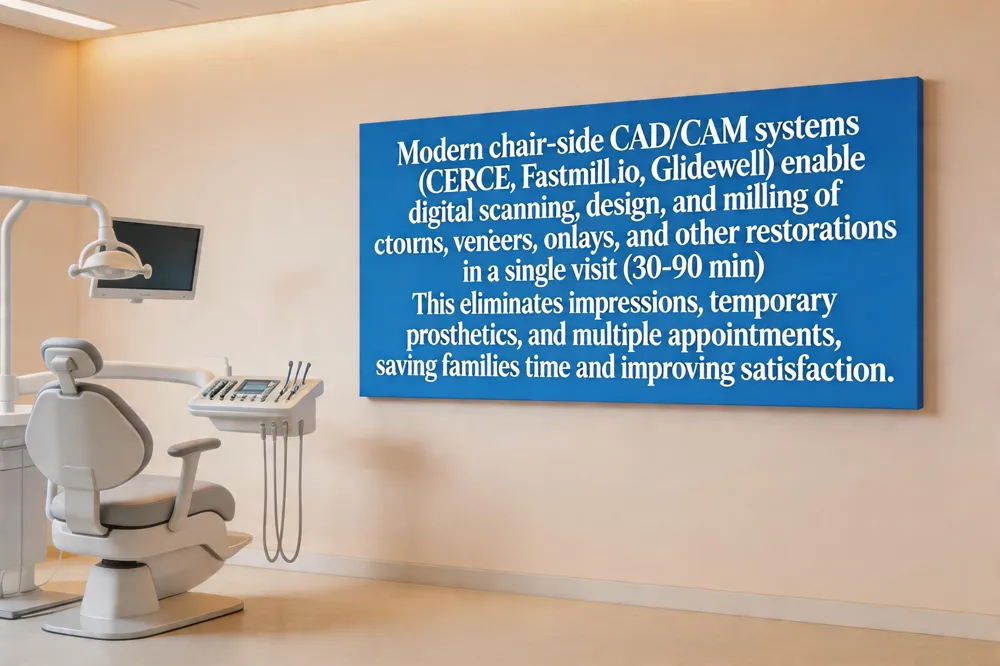 Modern chair‑side CAD/CAM systems such as CEREC, Fastmill.io, and Glidewell’s Fastmill.io have revolutionized restorative dentistry by allowing dentists to design, mill, and place crowns, veneers, onlays, and other restorations in a single visit. The workflow begins with a digital intra‑oral scan that creates a precise 3‑D model of the tooth, eliminating the need for messy putty impressions and reducing appointment time. Advanced imaging tools, including digital X‑rays and CBCT, provide immediate diagnostic information, enabling the clinician to plan the restoration on the spot. Once the digital design is approved, an on‑office milling unit fabricates the final restoration in minutes—often within 30–90 minutes—using high‑quality ceramic or zirconia materials. Because the permanent restoration is completed chair‑site, there is no need for a temporary crown or provisional material, which can cause discomfort, sensitivity, or the risk of loss. Patients leave the office with a fully functional, aesthetically matched restoration, saving hours of missed work or school and avoiding multiple appointments. This streamlined, technology‑driven approach not only improves convenience for busy families but also enhances patient satisfaction and treatment outcomes.
Dental Emergencies Parents Face and Why Prompt Care Matters
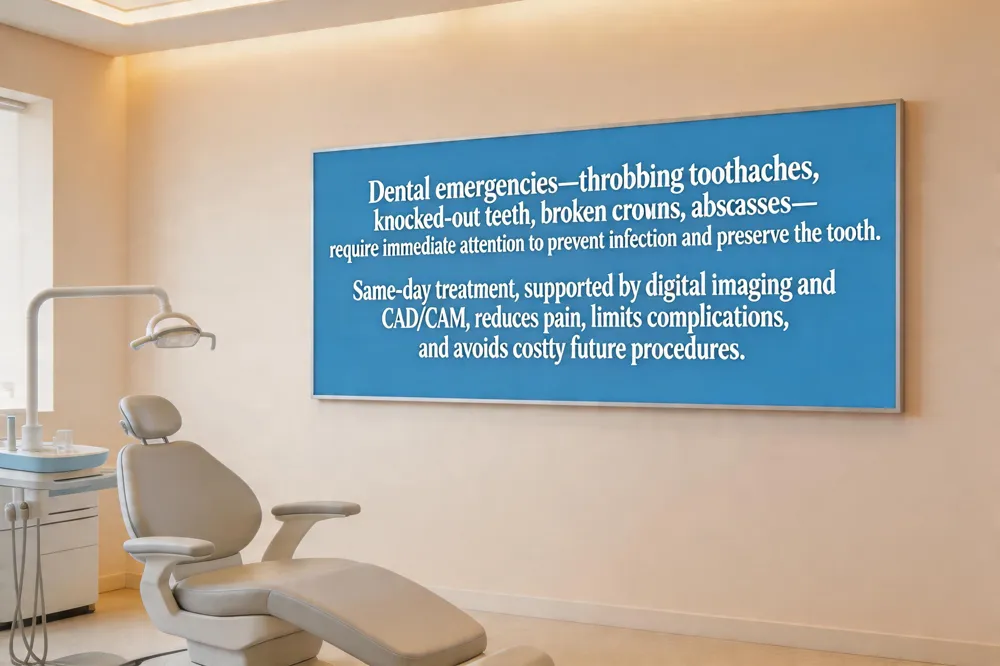 A dental emergency is any oral condition that causes uncontrolled bleeding, severe pain, or trauma that requires immediate attention. Common urgent situations include a throbbing toothache, a knocked‑out or partially displaced tooth, a broken crown or a filling, and an abscess with swelling and fever. In the dental office, the most frequent medical emergency is syncope—fainting—accounting for roughly 39‑50 % of in‑office incidents, often triggered by anxiety or anesthetic administration.
Home‑care guidelines such as the 3‑3‑3 rule can help manage mild infection or pain before a dentist is seen: take three 200 mg ibuprofen tablets every three hours, for no longer than three days, while rinsing with warm salt water and applying clove oil for extra relief. If symptoms persist beyond this window, seek urgent dental care.
Emergency rooms can provide temporary relief—prescribing pain medication, antibiotics, or managing severe swelling—but they cannot perform definitive dental procedures like extractions, root canals, or crown placement. Prompt same‑day dental treatment, often enabled by digital imaging and CAD/CAM technology, prevents infection spread, saves the tooth, and reduces the need for costly future procedures, making it essential for busy families.
Financial and Scheduling Flexibility for Parents
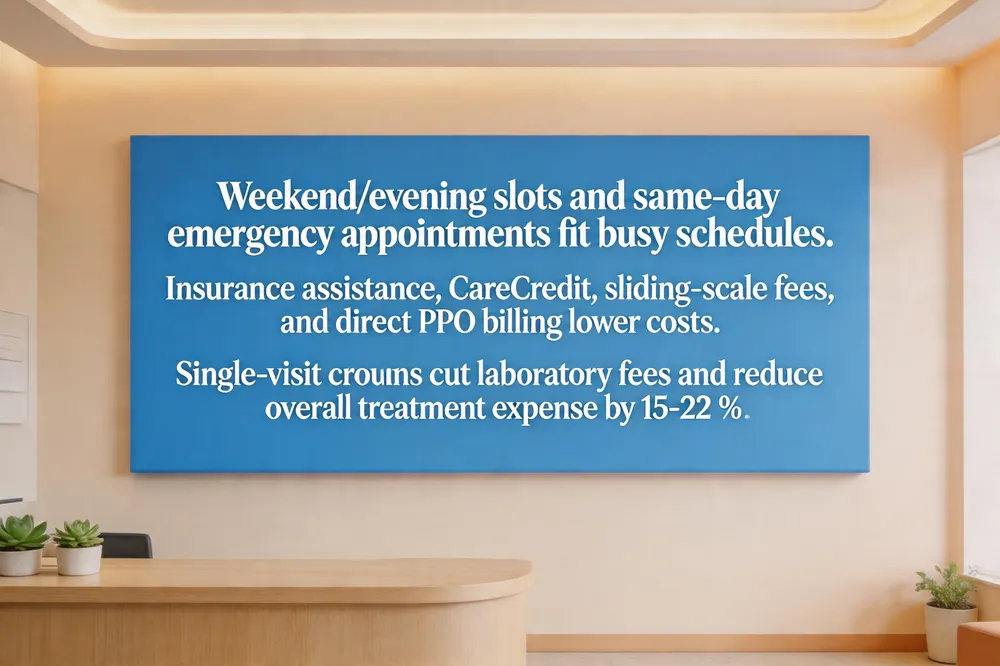 Weekend and evening appointments give busy families the ability to fit dental care around work and school schedules. Many practices—such as those in Paterson, NJ, Chicago, Jacksonville, and Bayonne—reserve same‑day emergency slots, allowing parents to receive urgent treatment for toothaches, cracked teeth, or lost crowns without waiting days for an opening. Insurance assistance and flexible financing options, including CareCredit, sliding‑scale fees, and direct billing to PPO plans, reduce the financial barrier to prompt care. Because a single‑visit crown or restoration eliminates the need for temporary prosthetics, laboratory fees, and multiple follow‑up visits, families often save 15–22 % on overall treatment costs compared with traditional multi‑visit protocols.
Emergency dentist near me: If you’re experiencing a dental emergency in Paterson, NJ, David Mayer DMD offers same‑day emergency appointments. Our multilingual team can treat severe toothaches, knocked‑out or chipped teeth, lost fillings or crowns, abscesses, and other urgent oral issues. With extended hours and state‑of‑the‑art technology, we provide quick, comfortable care to prevent further damage. Call our office at (555) 123‑4567 or visit www.davidmmayerdmd.com to schedule an emergency visit today. Walk‑ins are welcome, and we’ll work with your insurance to keep treatment affordable.
Multilingual Teams Reduce Barriers to Prompt Care
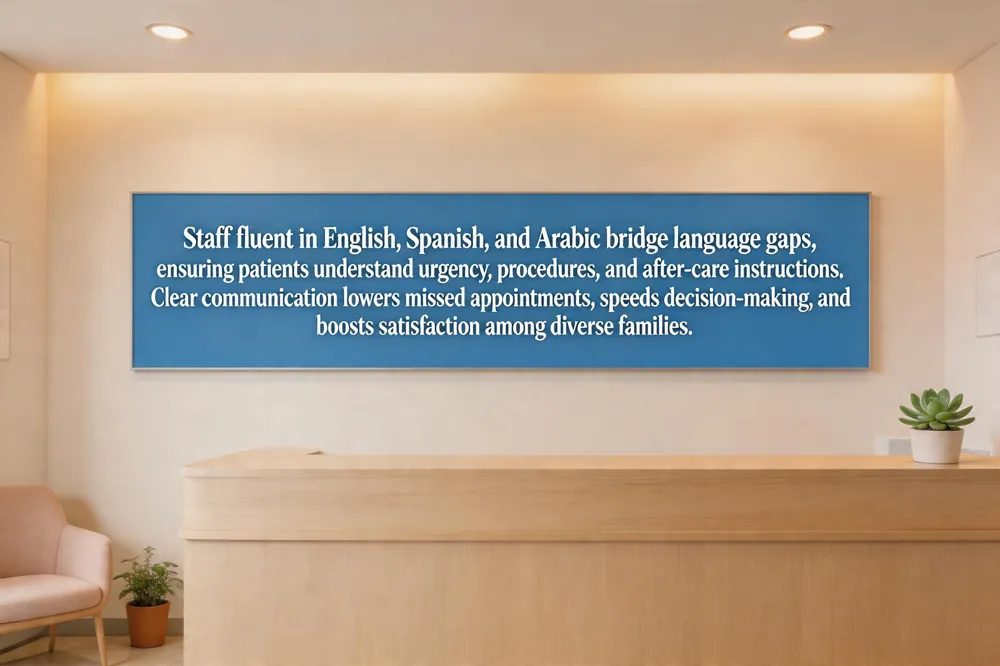 A dental practice that staffs English, Spanish, and Arabic‑speaking clinicians can instantly bridge language gaps that often delay treatment for busy families. When patients hear explanations in their native language, they understand the urgency of an emergency, the steps of a same‑day repair, and the after‑care instructions without confusion. This clear communication reduces missed appointments and speeds up decision‑making, allowing parents to schedule a one‑visit crown, bonding, or root‑canal treatment that fits around work and school. Moreover, multilingual staff foster cultural competence—recognizing and respecting customs, health beliefs, and family dynamics—so patients feel welcomed and safe. The result is higher satisfaction, quicker pain relief, and a stronger therapeutic relationship that encourages regular preventive visits, ultimately improving oral health outcomes for diverse communities.
Long‑Term Benefits and Balanced View of Same‑Day Care
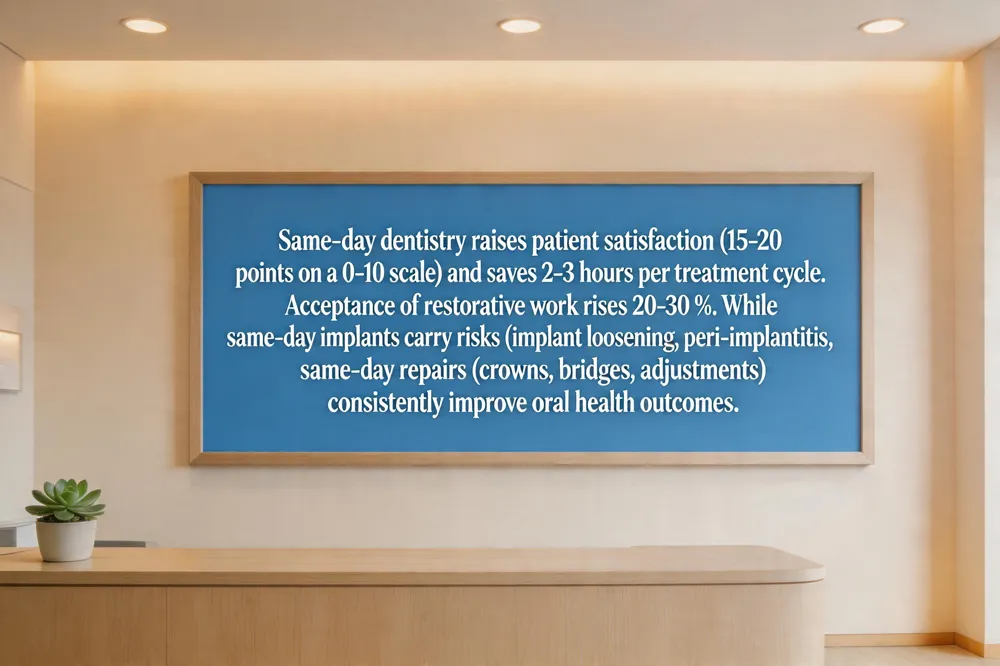 Patient satisfaction rises sharply when same‑day dentistry eliminates multiple office visits; studies report a 15‑20‑point increase on a 0‑10 scale and patients saving an average of 2‑3 hours per treatment cycle. Reducing appointment counts also boosts treatment acceptance rates, with many practices seeing a 20‑30 % rise in patients who choose restorative work when they can see immediate results. However, same‑day dental implants carry drawbacks. Immediate loading can shorten the osseointegration period, increasing the risk of implant loosening, peri‑implantitis, or postoperative swelling. The accelerated workflow may limit comprehensive diagnostic screening for low bone density or hidden infections, potentially compromising long‑term durability. Despite these concerns, same‑day repairs—crowns, bridges, denture adjustments—have demonstrated positive oral‑health outcomes by preventing infection spread, preserving tooth structure, and maintaining chewing function. Overall, while same‑day care offers convenience and high satisfaction, clinicians must assess case complexity and patient health to balance short‑term benefits with long‑term stability.
Putting It All Together for Busy Parents
Modern CAD/CAM and digital imaging let dentists design, mill and place crowns, veneers, or bondings in a single visit, cutting appointments from weeks to hours. Flexible same‑day scheduling—including evenings, weekends, and walk‑ins—helps parents fit care into work or school days, while insurance‑compatible financing and payment plans lower cost barriers. Multilingual teams speaking English, Spanish and Arabic improve communication, boosting satisfaction among families. Because immediate repairs prevent infection, preserve natural teeth and reduce time off, same‑day dentistry is becoming the standard for practices.