Understanding Same Day Full and Partial Dental Repairs
What Same Day Dental Repairs Encompass
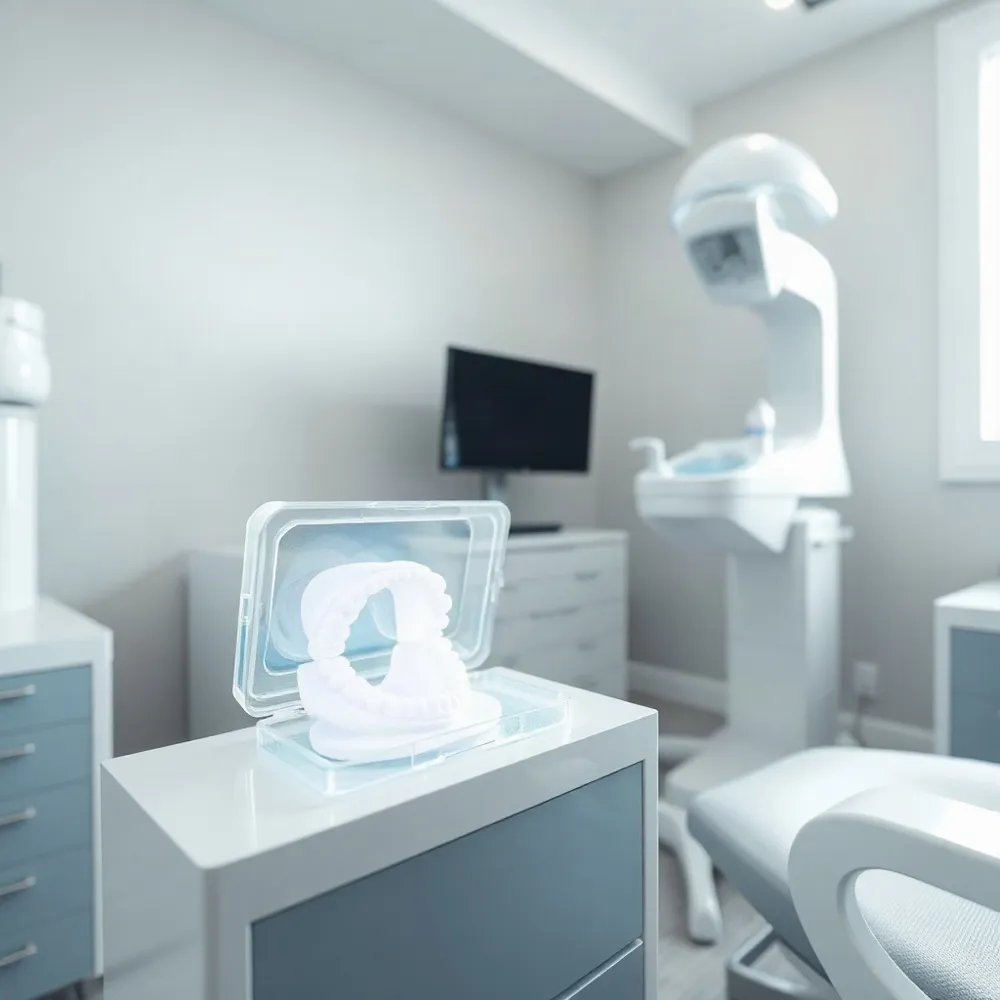
Same day dental repairs include full and partial dentures, as well as emergency treatments for damaged teeth. Full dentures are custom-made to be placed immediately after tooth extraction, enabling patients to leave the dental office with a complete set of teeth on the same day. For individuals who need only a few missing teeth replaced, same day partial dentures offer a removable option that functions like natural teeth right after an extraction.
The Significance of Immediate Dental Care
Immediate dental care is crucial for individuals facing tooth loss or extensive tooth damage. It helps maintain aesthetic appearance and functionality while preventing further oral health complications. Same day solutions allow patients to avoid prolonged discomfort from missing teeth and reduce the social and professional anxiety that can accompany tooth loss. Timely intervention also supports gum and jaw health, offering a protective barrier after extractions.
Overview of the Article Structure
This article delves into the types of same day dental repairs, including full and partial dentures, along with emergency dental treatments. It will cover the benefits, the preparation process, potential adjustments, and recovery expectations. Additional topics include cost considerations, insurance coverage, and the role of follow-up appointments in ensuring long-term comfort and success.
Key Facts About Same-Day Dental Repairs
- Same day dental repairs allow patients to complete treatment in a single visit, ideal for urgent dental issues like chipped or broken teeth.
- Full-arch implant solutions can restore all upper or lower teeth in one day, using advanced technology like CAD/CAM systems for on-site restorations.
- Flexible partial dentures are made of lightweight, stain-resistant materials and provide a discreet fit without requiring tooth modifications or metal clasps.
- Fixed partial dentures offer greater stability and durability but require adjacent teeth as anchors and invasive tooth preparation.
- Same day dentures may need multiple adjustments for up six months as gums heal and reshape to ensure a proper fit and long-term comfort.
- Dental bonding is a cost-effective solution for minor tooth damage but may require frequent touch-ups if it chips over time.
- 3-3-3 brushing rule (three times a day for three minutes each time) helps maintain dental repair durability and prevent plaque buildup.
- Patients with diabetes or immune disorders may experience slower healing and higher risk of complications with same day dentures.
- Same day crowns use CEREC technology to design, mill, and place restorations in-office, eliminating the need for temporary crowns and second appointments.
- Partial dentures can lead to gum irritation, bone loss, or shifting natural teeth if not properly maintained or adjusted regularly.
1. The Concept of Same Day Full and Partial Dental Repairs

`
2. The Procedure for Same Day Full and Partial Repairs
Can a dentist fix all your teeth in one day?
Yes, a dentist can restore all your teeth in one day using full-arch implant solutions like same-day dental implants. This advanced procedure involves placing implants and attaching a temporary restoration during a single visit, allowing patients to leave with a functional, natural-looking smile immediately. At our practice, we use state-of-the-art technology and a compassionate, experienced team to streamline the process, which is ideal for those needing complete tooth replacement in the upper or lower jaw. However, candidacy depends on factors such as oral health, jawbone density, and overall medical condition, which we carefully evaluate during your consultation. For eligible patients, this method eliminates prolonged waiting periods and provides lasting results with minimal disruption to daily life.
3. The Benefits of Same Day Full and Partial Repairs

Benefits of Same Day Full and Partial Repairs
Dental emergencies such as broken or missing teeth can be distressing and impact daily life. Same day dental repairs offer immediate solutions that help patients restore their smile and oral function in a single visit. These repairs can range from simple restorations like dental bonding for minor tooth damage to the placement of crowns or dentures. Same day dentistry uses advanced technology, such as CAD/CAM systems, which allow dentists to create precise dental restorations on-site. This innovation eliminates the need for multiple appointments and temporary restorations, providing a permanent solution in a much shorter timeframe. Patients can avoid the discomfort and disruption typically associated with waiting weeks for dental treatments. The convenience of same day dentistry also supports better dental health outcomes by addressing problems promptly before they worsen.
Psychologically, immediate dental repairs can significantly boost a patient's confidence and comfort. For individuals facing missing teeth due to extraction or other procedures, the assurance of maintaining a functional smile during the healing process can reduce anxiety and support a sense of normalcy. Same day options like partial dentures also serve as protective barriers for gums after extractions, minimizing swelling and speeding recovery. Patients benefit from the ability to resume normal activities, including social interactions and professional responsibilities, without the embarrassment of tooth loss or visible damage.
4. Potential Drawbacks and Risks
How long does it take to recover from same day dentures?
Over time, as your gums heal and your mouth adjusts to the dentures, you will gradually regain your chewing ability. The exact timeline for when you can start chewing normally varies from person to person. In general, it may take several weeks to a few months to become comfortable with chewing solid foods.
Adjustments needed over time
same day dentures often require multiple adjustments as the gums heal and shrink. This is because gum swelling after extractions can cause discomfort, and the mouth changes shape over time, necessitating relining or refitting for a proper fit. Adjustments may be needed for up to six months, especially if the patient experiences significant healing changes or shifts in oral structure.
Possible health conditions affecting treatment suitability
Certain health conditions like diabetes or immune issues can affect the success of same day dentures by influencing the healing process and stability of the dentures. For example, patients with poorly controlled diabetes may have slower wound healing and a higher risk of infection, which can impact the effectiveness and comfort of immediate dentures.
Long-term costs
While the initial procedure for same day dentures is convenient, it can also come with increased long-term costs. These dentures are generally more expensive than traditional dentures and not always fully covered by insurance. Additionally, patients may face additional expenses for adjustments and the eventual need for a permanent denture, which can add up over time.
5. Choosing the Right Type of Repair
What is the difference between fixed and flexible partial dentures?
Fixed (conventional) partial dentures are permanently cemented or attached using adjacent teeth as anchors, offering greater stability and durability for chewing but requiring tooth preparation and a more invasive process. Flexible partial dentures, made of lightweight, resilient materials like nylon or flexible acrylic, clip onto remaining teeth without metal clasps, avoiding tooth modifications and providing a more comfortable, natural-looking option. Fixed dentures are ideal for long-term use and stronger bite forces, while flexible dentures suit those with soft tissue sensitivity or limited gum support, though they may require more frequent replacement due to material wear. Flexible options also resist staining and are less likely to cause gum irritation, but fixed dentures provide a more secure, permanent solution with proper oral hygiene. Patient preference for aesthetics, budget, and existing oral health conditions help determine which option is appropriate.
6. The Cost Implication
What are the disadvantages of partial dentures?
Partial dentures may cause initial discomfort or soreness as the mouth adjusts to the appliance, requiring time to develop proper fit and function1. The clasps or metal frameworks can sometimes be visible, affecting the aesthetic appearance of the smile2. They also demand consistent maintenance and periodic adjustments to prevent loosening, which can lead to further dental complications if neglected3. Moreover, improper fit or lack of regular cleaning may accelerate bone loss in the jaw and compromise the stability of remaining natural teeth4. Lastly, compared to permanent solutions like dental implants, partial dentures are generally less durable and may need replacement or repairs over time.
7. Aftercare and Long-Term Maintenance

Care routine for same-day dental solutions
Proper maintenance is crucial for preserving the functionality and appearance of same-day dentures or repairs. Patients who receive same-day dental solutions—including dentures, crowns, or partial dentures—should follow a consistent care routine. This includes daily cleaning of the dental appliance with a soft-bristled brush and a non-abrasive denture cleaner. Soaking the dentures overnight in a mild solution can further maintain their shape and prevent bacterial buildup. Patients should also continue to clean their natural gums or remaining natural teeth, using a gentle toothpaste and a soft brush to avoid irritation.
Regular follow-up requirements
Follow-up care plays a vital role in ensuring long-term stability and comfort. Patients who receive same-day partial or full dentures may require multiple return visits within the first few weeks and months to make adjustments for a better fit as the gums heal and reshape. For same-day dental crowns or same-day dental implants, follow-up appointments are needed to monitor healing and the integration process of the implant with the jawbone. These check-ups allow dental professionals to address any discomfort, looseness, or misalignment early, ensuring continued patient satisfaction and avoiding more extensive interventions later.
Potential long-term complications if not well-maintained
Neglecting regular cleaning and dental check-ups can lead to several complications. These include accelerated gum irritation, infections, or bone resorption in the jaw if dentures are not properly maintained. Improperly cared for partial dentures can cause excessive wear on natural teeth or gum tissue, leading to painful sores or shifting of adjacent teeth. Similarly, same-day dental implants or crowns may loosen over time if oral hygiene is not maintained. Long-term damage could increase the need for future dental interventions, which can be both costly and time-consuming.
Are partial dentures noticeable?
Partial dentures are designed to blend seamlessly with your natural teeth, using tooth-colored artificial teeth and gum-colored bases for a realistic appearance. Advances in materials and customization—such as acrylic, metal, or flexible nylon frameworks—allow for a discreet fit that matches your smile’s shape, size, and shade. Discreet clasps or implant support further minimize visibility, though individual results depend on proper fitting by a skilled dentist and your unique dental structure. With regular cleaning and adjustments, partial dentures can remain virtually unnoticeable in daily interactions. Modern options prioritize both aesthetics and function, helping patients regain confidence in their smile.
Quick Answers to Top Questions About Same Day Dental Repairs
What is a same-day dental repair?
A same-day dental repair allows patients to complete their dental treatment within a single appointment. This option is especially beneficial for individuals with urgent dental concerns like chipped, cracked, or broken teeth.
When is it used?
Same-day dental treatments are ideal for emergency repairs and restorative procedures that do not require multiple visits. They are also preferred in cosmetic scenarios where immediate results are desired, particularly for visible smile imperfections or for patients who cannot afford prolonged treatment timelines.
How is it done?
Depending on the situation, same-day dental repair can include bonding, crowns, fillings, or partial denture placement. Advanced dental equipment, such as CEREC (Chairside Economical Restorations) systems, enables dentists to design, fabricate, and place restorations in a single visit by using digital impressions and in-office milling. The exact process will depend on the extent of the damage and the type of restoration required.
Top Facts You Need to Know
Quick facts about same-day dental repairs, such as bonding, crowns, and fillings, allow patients to receive treatment in a single visit. These options include tooth-colored composite fillings and porcelain crowns for severe damage, offering both functionality and aesthetics. The 3-3-3 brushing rule further supports overall dental health by minimizing plaque buildup and protecting enamel. Dental bonding, in particular, provides a cost-effective solution for minor tooth damage but may require repair or replacement if it chips over time.
Summarizing key points from the article
Immediate dental repairs, including same-day crowns and bonding, are ideal for patients with sudden dental emergencies like chipped or cracked teeth. Treatment can be completed in hours, with dental professionals using advanced technologies to create restorations on site. The 3-3-3 brushing rule plays a role in maintaining dental repair durability by protecting against plaque and decay. Emergency dentists also utilize diagnostic tools to evaluate and treat urgent oral health concerns effectively.
Emphasizing the importance of immediate dental care
For dental emergencies, such as infections or avulsed (knocked-out) teeth, same-day care significantly impacts recovery outcomes. Early intervention prevents complications and preserves natural teeth when possible. The 3-3-3 rule, alongside immediate dental restorations, contributes to long-term oral health. Patients should also consider post-operative care, including a soft-food diet and regular check-ups, to ensure the success of same-day dental interventions.
Summary of Same Day Full and Partial Dental Repairs
Overview of Key Concepts
Same day dental repairs, including full and partial dentures, offer a convenient solution for patients seeking immediate tooth replacement after extraction. These temporary solutions allow for the maintenance of appearance and functionality while gums heal. Both full and partial dentures require follow-up visits for adjustments, ensuring comfort and fit as healing progresses. Patients interested in these options should consult a dentist to determine eligibility based on individual oral health.
Importance of Timely Care
In modern dental care, same day repairs play a crucial role, providing prompt solutions for both emergency and elective procedures. This approach minimizes disruption to daily life and can significantly improve patient outcomes by preventing further complications. Same day treatments are particularly useful in emergency scenarios, where quick action can preserve dental health and reduce recovery time.
Recommendation for Action
For patients experiencing urgent dental issues or considering tooth replacement options, seeking immediate consultation with a dental professional is essential. Early intervention ensures appropriate treatment planning, tailored to individual needs and circumstances, ultimately supporting long-term oral health and well-being.