When Your Tooth Needs More Than a Filling
A sudden crack, a broken cusp, or a tooth that has simply worn down over years of chewing can leave you unsure what to do next. Common culprits include biting down on a hard popcorn kernel or ice cube, chronic grinding, or an accidental blow to the mouth.
Unlike a fractured bone, a cracked or broken tooth cannot heal on its own. Even small fractures can deepen over time, exposing the inner pulp to bacteria and leading to pain or infection. This is where a dental crown becomes a powerful solution. A crown is a custom-made cap that restores the tooth's strength, shape, and appearance, holding it together and sealing out harmful bacteria.
What Is a Crown and Can It Save Your Cracked Tooth?
 A dental crown is a tooth-shaped cap that covers the entire visible portion of a damaged, weakened, or decayed tooth. Often called a "tooth cap," there is no difference between the two terms, and they are used interchangeably to describe the same restorative treatment. A crown restores the tooth's shape, strength, and function, acting as a protective barrier that holds the remaining healthy structure together.
Not all cracks are the same. Craze lines are superficial enamel cracks that cause no pain and require no treatment beyond monitoring. Fractured cusps occur when pieces of the chewing surface break off, usually causing minimal discomfort. More serious vertical cracks run from the chewing surface toward the root, and split teeth occur when untreated cracks separate the tooth into distinct segments. Crowns work best for cracks confined above the gum line, where they can splint the tooth together and prevent the crack from spreading.
If a crack reaches the pulp (the tooth's inner nerve chamber) but has not extended below the gum line, a root canal followed by a crown can often save the tooth. Research shows survival rates for endodontically treated cracked teeth restored with crowns reach 94 percent at two years, compared to only 20 percent when no crown is placed [source: my.clevelandclinic.org]. When cracks extend below the gum line or involve the root, however, a crown cannot save the tooth, and extraction or implant may be necessary.
Even if you feel no pain, a cracked or structurally compromised tooth can worsen over time. Early diagnosis and prompt treatment are critical because delaying care can turn a crown-treatable crack into a case requiring extraction. Bite forces and grinding habits can also cause cracks to progress despite crown protection, so patients who clench or grind may need a nightguard.
How Bad Can a Tooth Be and Still Get a Crown?
 The fundamental requirement for a successful crown is enough healthy tooth structure above the gum line to anchor the restoration securely. A tooth with large cavities, cracks confined to the crown, or a prior root canal can often be saved with a crown, as long as the remaining tooth is sound. Research shows survival rates for endodontically treated cracked teeth restored with crowns reach 94 percent at two years, compared to only 20 percent without crowns.
It is generally too late to place a crown when a crack extends below the gum line into the root structure, when there is a vertical root fracture, or when extensive decay has compromised the tooth's foundation. A split tooth with completely separated segments cannot be reunited by a crown. Untreated gum disease or severe bruxism (teeth grinding) without a night guard can also make crown placement unwise or cause early failure.
What Happens When There Is Not Enough Tooth
If a tooth is more than three-quarters missing, a dentist can often build it up with composite resin or a core buildup to create a solid foundation. When the tooth lacks structure above the gum line, a post-and-core foundation may be needed. This involves a root canal to remove damaged pulp, placing a post in the canal, and building the core around it. At davidmmayerdmd.com, the team evaluates each tooth's remaining structure to determine whether a crown is feasible or if a buildup is necessary first.
Alternatives When Crowns Will Not Work
When a tooth cannot support a crown, several options can preserve oral health. A dental bridge uses two crowns on adjacent teeth to anchor a false tooth in place. A dental implant involves a titanium post surgically placed in the jawbone to support a crown, bridge, or denture. For multi-rooted teeth, tooth sectioning may save part of the tooth. Partial dentures can replace one or more missing teeth without affecting healthy adjacent teeth.
Early evaluation is critical. Cracks caught before they extend deeply into the tooth respond much better to crown treatment. If you are unsure whether your tooth can be saved, a thorough exam and X-rays will determine the best course. With over 40 years of experience and same-day emergency treatment available, the team at davidmmayerdmd.com can help you understand your options and act before damage progresses.
The Benefits and Potential Downsides of Crowns
A dental crown is a versatile restoration that can protect a weak or damaged tooth, relieve pain, and restore your ability to chew and speak comfortably. By covering the entire visible portion of the tooth, a crown holds cracked segments together and seals out bacteria, preventing further damage and decay. With proper care, most crowns last between five and 15 years, and some can last up to 30 years.
The biggest tradeoff is that preparing a tooth for a crown requires removing a layer of enamel, an irreversible process. Some patients also experience temporary sensitivity to hot and cold after placement, and porcelain crowns can chip under heavy force. If the crown's margins are not properly sealed, bacteria can enter and cause decay underneath, so meticulous daily brushing, flossing, and regular check-ups are essential.
Cost and Long-Term Value
The cost of a dental crown varies by material and location, typically ranging from $800 to $2,500. Dental insurance often covers a portion, but patients should confirm their plan details. While a simple extraction costs less upfront ($150–$350), pulling a tooth often leads to long-term expenses like teeth shifting, bone loss, and the eventual need for an implant or bridge, which can cost $3,000 to $6,000. A crown preserves your natural tooth, avoids these future costs, and helps maintain your bite alignment and jawbone health.
Crown versus Filling
A filling is appropriate for small cavities or minor damage where most of the natural tooth structure remains. You need a crown when decay or cracks are too extensive for a filling to provide adequate protection. Crowns offer stronger, longer-lasting support for heavily damaged teeth and are also the standard restoration after a root canal. At davidmmayerdmd.com, the team can evaluate your tooth and recommend the most suitable treatment to keep your smile healthy and strong.
| Topic | Details | Advice |
|---|---|---|
| Lifespan of a crown | 5–15 years average, up to 30 | Requires consistent oral hygiene |
| Cost of a crown | $800–$2,500 | Check with your insurer for coverage |
| Cost of extraction | $150–$350 | May lead to higher future costs for replacement |
| Crown vs filling | Crown for large cracks/decay; filling for small cavities | Let the dentist assess structural integrity |
Choosing the Right Crown: Types, Preocedure, and Longevity
Choosing the Right Crown: Types, Procedure, and Longevity
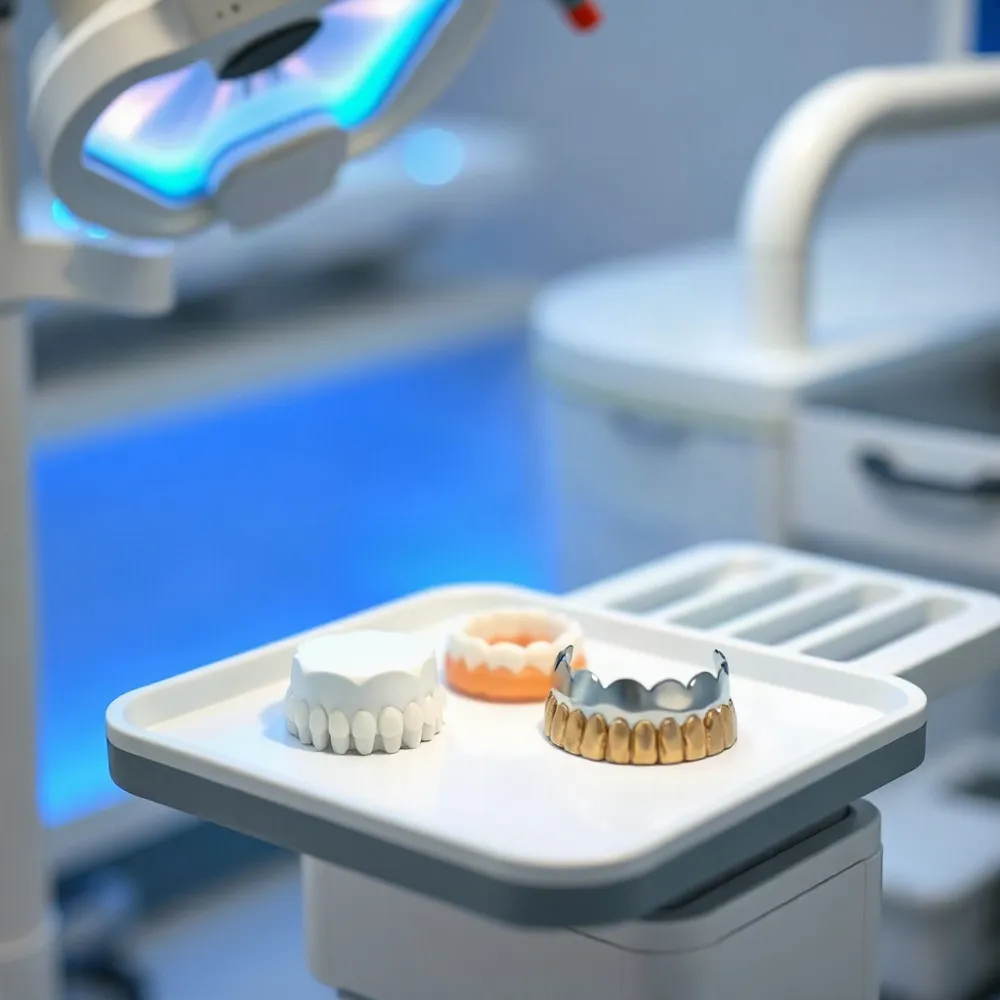
Selecting the right crown type is a balance between appearance, strength, and location in the mouth. Common materials include porcelain-fused-to-metal (PFM), all-ceramic (including zirconia), all-metal, and same-day CAD/CAM crowns. Porcelain or all-ceramic crowns offer the best aesthetic match for natural teeth, making them a popular choice for front teeth. All-metal crowns (such as gold alloys) are extremely durable and require minimal enamel removal, so they are often used for out-of-sight molars that endure heavy chewing forces. Zirconia crowns combine exceptional strength with a lifelike appearance, suitable for both front and back teeth.
The Crown Procedure: What to Expect
The dental crown procedure typically involves two visits spaced 2 to 3 weeks apart. During the first visit, the dentist numbs the area, prepares the tooth by removing a thin layer of enamel, and takes impressions (or a digital scan) to create your custom crown. A temporary crown made of resin or acrylic is then placed to protect the tooth. At the second visit, the temporary crown is removed, and the permanent crown is checked for fit and bite before being cemented into place using dental cement. Some practices, including ours at davidmmayerdmd.com, offer same-day crowns using CAD/CAM technology, which allows the entire process to be completed in a single appointment.
After Placement and Long-Term Care
After crown placement, most people resume normal activities immediately but may experience mild sensitivity to heat and cold for a few weeks. Gum soreness typically subsides within a few days. It is wise to avoid hard foods like ice and nuts, as well as sticky foods like caramels, which can dislodge or damage the crown. With proper care, dental crowns last an average of 5 to 15 years, and some remain functional for up to 30 years.
Caring for a crowned tooth requires the same habits as natural teeth: brush twice daily with fluoride toothpaste, floss once a day, and use an antibacterial mouthwash. Patients who grind or clench their teeth should wear a custom night guard to protect both the crown and opposing teeth. Regular dental check-ups and cleanings are essential to catch any issues early.
When to Call the Dentist
Contact your dentist if you notice a loose crown, cracks or chips, sharp edges that bother your tongue or gums, or any bad breath or bad taste that could signal decay beneath the restoration. A chipped crown can sometimes be repaired with composite bonding, but larger damage may require a replacement. Our team in Paterson provides thorough exams using advanced tools to assess the fit and condition of your crown, helping you maintain a strong and healthy smile for years to come.
What Happens Under the Crown and When Problems Arise
A dental crown acts like a protective helmet for a damaged tooth, but the natural tooth underneath remains alive and vulnerable. The crown material itself cannot rot, but bacteria can still leak through microscopic gaps at the crown margin, leading to decay on the underlying tooth.
How Decay Develops Under a Crown
Decay typically starts when the seal between the crown and the tooth breaks down. Gum recession, which exposes the tooth root, or cement erosion can create micro-gaps where plaque and bacteria accumulate. Without diligent brushing and flossing around the gum line, those bacteria feed on food particles and produce acid that eats into the natural tooth structure.
Over time, this hidden decay can progress from a small area needing crown replacement to deeper damage requiring root canal therapy or even extraction. The process is often painless in early stages, which is why many patients are surprised to learn decay has developed under a restoration that looks fine.
Signs That Something Is Wrong
Pain on Biting. A sharp, brief pain when you chew can indicate a crack in the underlying tooth or that the crown is too high and needs adjustment.
Temperature Sensitivity. Lingering sensitivity to hot, cold, or sweet foods and drinks may signal that decay has reached the inner layers of the tooth (dentin or pulp).
Swelling or Tenderness. Redness, swelling, or a small bump (gumboil) near the crowned tooth's gum line can point to an abscess or infection from deep decay.
Loose or Chipped Crown. A crown that feels mobile or has visible chips may have lost its cement seal, allowing bacteria entry, or the tooth beneath has fractured.
Some cracks cause no discomfort at all, making regular dental visits essential for early detection. During a check-up, your dentist can take X-rays and examine the crown margins to spot problems before they become emergencies.
What to Do If a Crown Breaks or Falls Off
If your crown comes off or breaks at the gum line, retrieve the piece, rinse your mouth gently with warm water, and contact our dental practice immediately. With over 40 years of experience in Paterson, NJ, we offer same-day emergency care to assess the situation. Do not try to reattach the crown yourself — we need to inspect the underlying tooth for cracks or decay. In many cases, we can recement the same crown, but if damage is extensive, we may recommend a new crown or, if the tooth cannot be saved, a dental implant.
Do You Need a Crown After a Root Canal?
A tooth that has undergone root canal therapy becomes more brittle and prone to fracture. Back teeth (molars) used for heavy chewing almost always require a crown to prevent breaking. If more than half of the natural tooth structure is missing or the tooth is cracked, a crown is strongly recommended by the Cleveland Clinic. After your root canal, our team will evaluate your tooth and help you choose the best restoration to keep your smile healthy and functional.
A crown does not make the tooth invincible, but with proper care and regular check-ups, it offers years of reliable protection. Our practice uses advanced diagnostic tools to catch issues early and offers a range of crown materials — from durable zirconia to natural-looking ceramic — so your restoration fits comfortably and lasts. If you experience any warning signs, don't wait.
Making an Informed Decision for Your Smile
Dental crowns are an effective way to repair many cracked or broken teeth, but success depends on having enough healthy tooth structure above the gum line to anchor the restoration securely. Every tooth is different, so a personalized evaluation by a skilled dentist is the only way to know for sure what option will work best for you.
At the practice on Union Avenue, the same-day emergency care and advanced CEREC technology mean you can often have a custom crown placed in a single visit, restoring both function and confidence without the wait. With over 40 years of experience and a compassionate, multilingual team, the goal is always to save your natural teeth whenever possible.
A well-placed crown can restore your ability to chew comfortably, protect the tooth from further damage, and give you back the confidence to smile freely. If you think a crown might be the right solution for your cracked or broken tooth, schedule a consultation to discuss your options and take the next step toward a healthier, more comfortable smile.