What “While You Wait” Means
“While you wait” usually means that a crown can be designed, made, and placed during one dental visit. It does not mean the restoration is ready instantly: the appointment includes preparing the tooth, creating the crown, checking its fit, and securing it. With CEREC technology, digital scans and in-office milling can support this single-visit process, though the full visit takes longer than the milling step alone. Healthline’s guide to CEREC crowns explains how the workflow works.
Availability depends on a dental office’s equipment and workflow, and not every tooth is suited to same-day treatment. A dentist needs to examine the tooth and consider its condition before recommending an approach. At David M. Mayer, DMD, the team provides crown care and uses modern dental technology, but patients should ask whether a same-day option fits their particular case.
Conventional treatment often takes more than one visit. The dentist prepares the tooth and places a temporary crown while a dental laboratory makes the permanent restoration; the patient returns later for fitting. A temporary crown protects the prepared tooth during that interval, but it is not the final restoration.
When a Tooth Needs a Crown
 A crown is a custom cap that covers the visible part of a tooth. A dentist may recommend one when a large cavity, crack, break, extensive wear, failing filling, or root canal treatment has weakened the tooth. By covering it, a crown can help restore strength and chewing function. Learn more about when a tooth may need a crown.
The natural tooth remains beneath the crown, though the dentist removes some tooth structure so the restoration can fit. A crowned tooth can still develop decay, particularly near the crown’s edge, so brushing, flossing, and regular checkups remain important. A dental crown covers and protects a tooth, but it does not make the underlying tooth invulnerable.
Not every damaged tooth can support a crown. The amount of sound tooth remaining, along with the condition of the root, gums, and surrounding bone, affects whether restoration is possible. A split tooth, too little healthy structure, or decay or a fracture extending far below the gumline may mean removal is safer.
Root canal treatment may address infection before a crown is placed, but it cannot repair every fracture or replace missing tooth structure. At davidmmayerdmd.com, crown care is part of a full-service practice in Paterson with more than 40 years of experience. An examination and X-rays help the dentist explain whether a crown, another treatment, or extraction is appropriate. Seek advice if you notice pain, sensitivity, a loose crown, or changes near the gumline.
How Same-Day Crowns Are Made
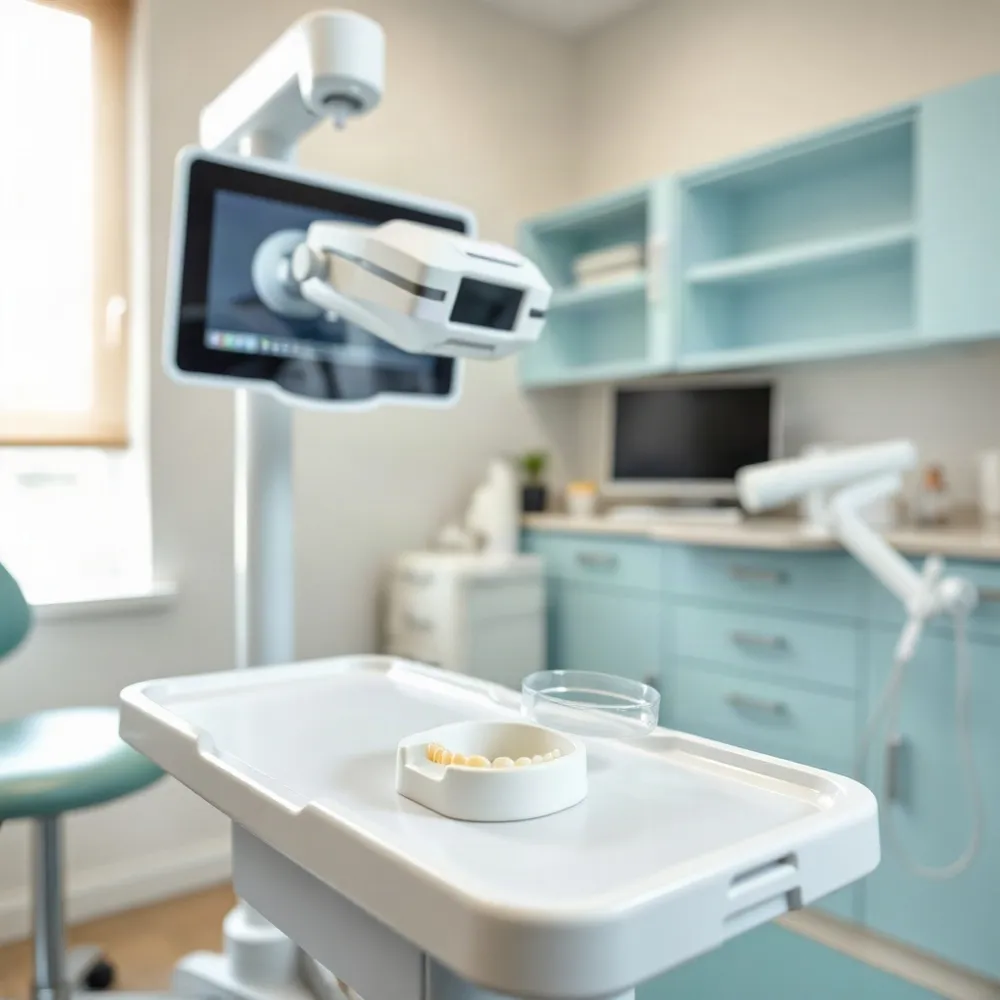 A same-day crown appointment starts with an examination to confirm the tooth can be restored this way. The dentist prepares the tooth, usually with local anesthesia, then captures digital images to create a three-dimensional model. The model guides the crown’s design in computer-aided design and manufacturing (CAD/CAM) software. CEREC is one system that uses this approach; its name stands for Chairside Economical Restoration of Esthetic Ceramics. The CEREC crown process includes designing and milling a ceramic crown in the dental office.
Once designed, the crown is milled from a ceramic block. The machine’s milling stage may take about 15 minutes, but that is only one part of the visit. The dentist checks the crown’s fit and appearance, makes any needed adjustments, then bonds it to the prepared tooth and checks the bite. A full appointment commonly takes about two to three hours, though the time depends on the tooth and whether additional treatment is needed.
The process is not available at every dental office, and a same-day crown is not suitable for every tooth. At davidmmayerdmd.com, crown care is part of a full-service dental practice in Paterson, where the team uses state-of-the-art technology; an examination helps determine which treatment options fit the patient’s needs.
With a conventional lab-made crown, the dentist prepares the tooth and places a temporary crown while a dental laboratory makes the permanent restoration. The patient returns for a later appointment to have the permanent crown checked and fitted. A same-day workflow may avoid that interim restoration and return visit when the case is appropriate.
Materials and Treatment Tradeoffs
Same-day crowns are commonly milled from tooth-colored ceramic, with specific material options depending on the office’s equipment and the tooth being restored. CEREC crowns, for example, are generally made from ceramic using digital design and milling technology, though CEREC is not the only same-day system. Ceramic can create a metal-free appearance that blends with nearby teeth. Healthline’s overview of CEREC crowns explains how the material and process work.
The material still needs to suit the tooth’s job. A front tooth may call for careful shade and shape matching, while a back tooth faces substantial chewing forces. Ceramic options vary, and some may be more vulnerable to chipping under heavy force than others. Zirconia is also a ceramic and may be considered where strength is a priority. The dentist weighs these factors alongside appearance preferences and the patient’s bite.
Laboratory-made crowns can offer a wider choice of materials, including metal alloys, porcelain-fused-to-metal, and ceramic. That range can help when a case needs a particular material or detailed color customization. It does not mean lab-made crowns are always stronger or better: suitability depends on the specific material, tooth, and clinical needs. David M. Mayer, DMD, provides crown care as part of a full-service practice in Paterson, where the team’s more than 40 years of experience supports discussions about treatment options and patient priorities.
Modern same-day crowns can be durable and effective for many appropriate restorations. A laboratory approach may be useful for complex cases or highly detailed cosmetic work, while a chairside crown can meet the needs of many other patients. As materials and treatment tradeoffs for same-day crowns show, the choice should reflect the tooth’s condition and location, bite forces, appearance goals, and available materials, not speed alone. Good daily care and regular dental check-ups matter for either type.
Benefits and Limits of One Visit
A same-day crown can reduce treatment to one appointment, avoiding a return visit to have a lab-made crown fitted. It can also spare patients the waiting period and the temporary crown often used between appointments. CEREC crowns can be designed and placed during one visit when the tooth and treatment plan are suitable.
Without a temporary crown, there is no interim restoration to protect and watch for loosening or dislodging. That can make the period between preparation and final placement more convenient, though it does not remove the need to follow the dentist’s care instructions.
There are tradeoffs. Chairside systems commonly use ceramic, so they may offer fewer material choices than lab-made crowns. Some practices may charge more, and not every office has the required equipment. A same-day approach may also be unsuitable when damage is complex, including some fractures that extend below the gumline.
At davidmmayerdmd.com, crown treatment is part of a full-service practice that offers adult and family dental care. Ask the dentist whether a one-visit crown is appropriate for your tooth, what alternatives are available, and how the costs compare. A same-day crown is an option to weigh after an examination, not an automatic fit for every patient.
Temporary Crowns While You Wait
Yes. When a tooth is prepared for a conventional crown, the dentist can usually place a temporary crown to cover and protect it while the permanent restoration is made. It can also help limit sensitivity and maintain the tooth’s position in the bite. Learn more about temporary crowns and their purpose.
A temporary crown is meant for short-term use, not as durable as the permanent crown. Because it is often held in place with softer cement, it may loosen or come off more easily. Follow your dentist’s instructions, and avoid hard, sticky, chewy, or crunchy foods. When possible, chew on the other side of your mouth.
Brush gently around the crown and floss carefully, following the care guidance from your dental team. If the crown feels loose or falls off, contact the dentist promptly for advice. Do not try to secure it with household glue, which is not intended for use in the mouth.
Eating and Caring for a New Crown
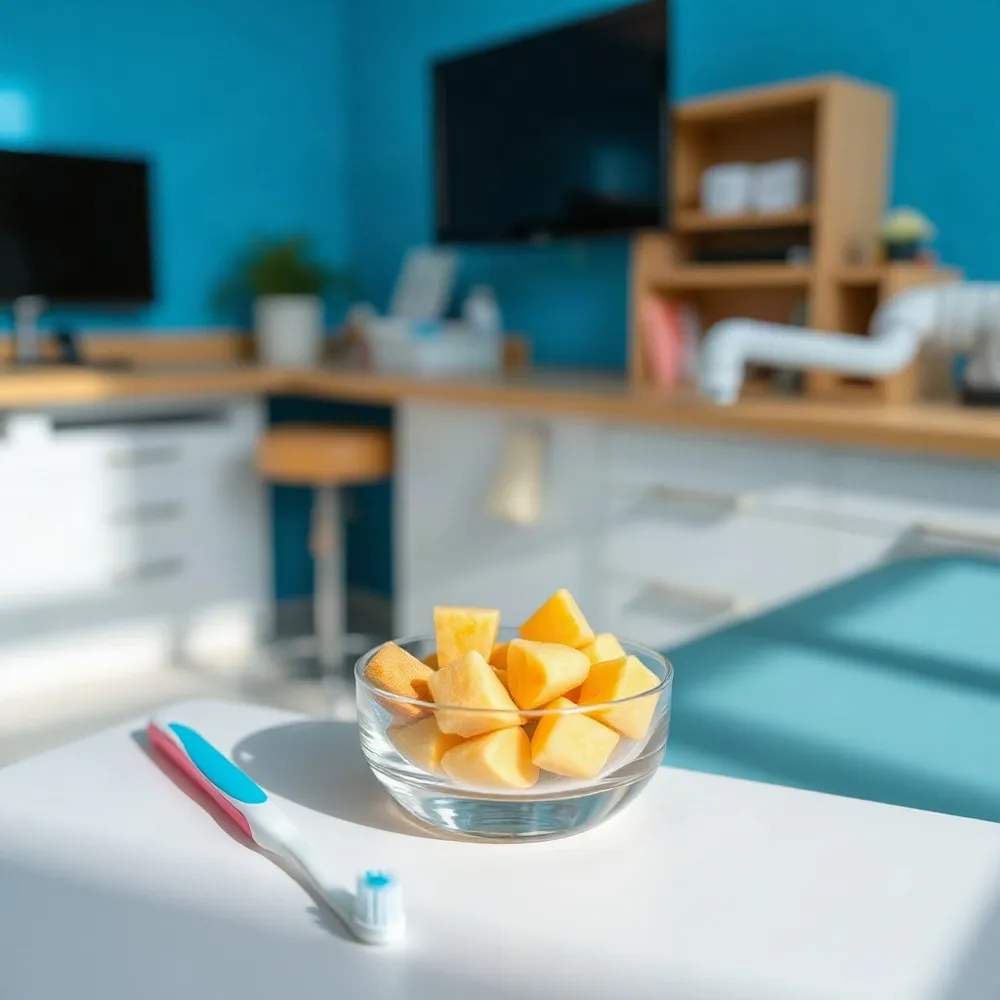 After a same-day crown, wait until the numbness wears off before chewing so you do not accidentally bite your cheek or tongue. Follow your dentist’s guidance on when to eat, since the bonding material may need time to set. For more advice on eating and caring for a new crown, see the practice’s related guidance.
For the first day, choose soft foods and chew on the opposite side when possible. Avoid hard, crunchy, sticky, or chewy foods that could put extra stress on the restoration. Mild sensitivity to temperature or pressure can occur after treatment, but contact your dentist if pain worsens, your bite feels uneven, or the crown feels loose.
Long-term care is much like caring for natural teeth: brush and floss regularly, and keep routine dental visits so your dentist can check the crown and surrounding tooth. Avoid chewing ice or other hard objects. If you grind or clench your teeth, ask whether a nightguard could help protect the restoration.
Longevity, Costs, and Planning
A dental crown often lasts about 10 to 15 years, though some last longer. That range is a general estimate, not a promise: lifespan depends on the crown material, how well it fits, and where it sits in the mouth. Crowns on back teeth face stronger chewing forces than those on front teeth. For more on how material affects durability and cost, see this guide to crown materials and longevity.
Grinding or clenching, chewing hard objects, and poor oral hygiene can contribute to crown damage or decay near its edge. Brush and floss daily, keep regular dental checkups, and ask your dentist whether a nightguard may help if you grind your teeth. Contact the dental team if a crown feels loose, becomes painful, or chips or cracks.
In the United States, a same-day crown may cost about $800 to $2,500, but this is an estimate rather than a quote. The fee can vary with location, material, tooth position, and the amount of damage. A root canal or core buildup may add to the cost, and the technology used to design and make the crown in the office may also affect the fee. A dental examination is needed to determine what treatment is appropriate and what it will cost.
Insurance benefits, annual limits, and coverage rules differ by plan. Ask the dental office for a written estimate after an exam, then confirm your expected out-of-pocket cost with your insurer. At David M. Mayer, DMD, the team provides a range of dental care in Paterson, New Jersey, including crowns, so patients can discuss treatment needs and costs in the context of their care.
A one-visit crown may be an option when the tooth and treatment needs are suitable. The dentist’s evaluation, along with the patient’s priorities and budget, determines whether that approach or another crown plan is the right fit.
A Faster Option, Not a Shortcut
A crown can sometimes be designed, made, and placed in one visit, but the appointment still includes tooth preparation, scanning, fitting, and adjustments. Same-day treatment is not suitable for every tooth, and the dentist’s assessment should guide the choice.
For general background on CEREC crowns, including how they differ from lab-made crowns, patients can review Healthline’s overview. At davidmmayerdmd.com, the practice provides crown care and uses modern dental technology; ask the team which options are available for your case.
Before deciding, ask a dentist to examine the tooth, explain suitable materials and timing, and provide a cost estimate. That conversation helps you weigh convenience against your dental needs and budget.