When Your Dentures Break, Act Fast
For patients who struggle with ill-fitting or repeatedly breaking dentures, full-arch permanent dentures offer a more stable alternative. Unlike traditional removable dentures that rest on the gums, these restorations are anchored to dental implants surgically placed in the jawbone. The result is a secure fit that doesn't shift or click when you speak or eat.
Stability. Because full-arch dentures attach to implants, they stay firmly in place. You won't need adhesive pastes or worry about embarrassing slips, whether you're biting into an apple or giving a presentation.
Bone health. Implants mimic natural tooth roots, stimulating the jawbone and slowing the bone loss that typically occurs after teeth are removed. This preserves your facial structure and helps maintain a more youthful appearance.
Durability. While a repaired denture can last a few more years with proper care, implant-supported restorations are designed for long-term use. With good oral hygiene and regular dental check-ups, they often serve patients well for a decade or more.
Full-arch dentures aren't the right choice for everyone. They require adequate bone density and good overall health. A thorough examination with X-rays helps determine if you're a candidate. For those who qualify, the investment is generally higher than a simple repair, but the comfort, confidence, and functionality often make it worthwhile.
If you're tired of dealing with broken or ill-fitting dentures, schedule a consultation with a dental professional to explore whether full-arch permanent dentures are right for you. They can assess your specific situation and discuss the best options for restoring your smile and your quality of life.
Why You Shouldn't Ignore a Broken Denture
 A cracked or broken denture is more than a cosmetic inconvenience. Left unattended, even a small fracture can irritate your gums, create painful sores, and allow food particles to accumulate in the gap where the repair should be. Over time, the damage often worsens, turning a simple fix into a more involved and costly restoration. Addressing the problem quickly protects both your oral health and your confidence in daily interactions.
What Happens When You Keep Wearing a Broken Denture
Continuing to wear a broken denture puts uneven pressure on your jaw and remaining natural teeth. That imbalance can accelerate bone resorption, change your bite alignment, and lead to chronic discomfort or headaches. A broken edge may also have sharp spots that cut your tongue or cheeks, increasing the risk of infection. Rather than adjusting to a damaged appliance, it's safer to have it professionally evaluated before the problem affects your ability to eat and speak normally.
- Sharp or rough edges that irritate soft tissues
- Difficulty chewing, which can limit your diet and nutrition
- Speech changes, including slurring or clicking sounds
- Increased risk of infection or prolonged soreness
- Progressive cracking that makes repair more complex
Immediate Steps to Take After a Break
If your denture breaks, stay calm and remove it gently to avoid further damage. Rinse it with warm (not hot) water to remove debris, and handle it over a soft surface to prevent dropping. Do not attempt to glue the pieces together with household adhesives, as these products are not safe for your mouth and can cause allergic reactions or toxic effects. Store the denture in a clean, damp container and call your dentist right away. For more detailed guidance on temporary measures, review our guide on how to handle a broken denture in an emergency.
Even if the break seems minor, avoid DIY fixes. Superglue and other instant adhesives are not designed for oral use and can ruin the denture's fit or bonding surface, making professional repair harder. Instead, focus on keeping the broken pieces safe and getting professional help promptly. For a step-by-step explanation of safe temporary fixes, see this guide on repairing broken dentures.
Why Professional Repair Matters
Professional denture repair restores both function and aesthetics, ensuring a precise fit that prevents sores and instability. Dentists use medical-grade materials that bond securely and withstand the forces of chewing, unlike the unreliable results of at-home fixes. A proper repair also allows us to check the underlying fit and make adjustments, reducing the chance of future breakage. If you're in the Paterson area, emergency denture repair services offer same-day solutions for minor fractures, so you can get back to your routine without prolonged discomfort.
Ignoring a broken denture affects more than your mouth. It can interfere with your ability to eat nutritious meals, speak clearly at work or social gatherings, and smile without self-consciousness. Addressing the issue quickly helps you maintain your quality of life and avoid more serious dental problems down the road. For additional tips on preventing further damage, read our advice on what to do if your denture breaks.
Immediate Steps After the Break
 When your denture breaks, the first thing to do is stay calm and resist the urge to test whether the pieces still fit together by biting down. Instead, find a clean, well-lit area where you can examine the break carefully. Remove the denture from your mouth and hold it under cool running water to rinse away debris, but never use hot water. Heat can warp the acrylic base, and a warped denture no longer fits properly. This can turn a simple crack into a problem that requires a full reline or replacement.
Next, gently dry the broken surfaces with a soft cloth and place the pieces together in your hand. This tells you whether the break is a clean snap that can be realigned or a fracture with missing fragments that will need professional attention. If any parts are loose but still attached, leave them in place. Do not attempt to force the denture back into your mouth, as a sharp edge can cut your gums or tongue. The goal of this inspection is simply to gather information so you can make a confident call about whether this is a minor fix or an emergency. The patient's own guide to handling a knocked-out tooth follows the same principle: handle the injury minimally and get to a professional quickly.
When the Break Is Minor: Safe Temporary Measures
If the break is a clean crack or a small chip and you cannot see a dentist right away, there are a few temporary measures that can hold things together. Avoid any over-the-counter glue or superglue. These contain solvents that can permanently damage the acrylic and are toxic if swallowed. The patient's guide to broken denture repair stresses the same warning. A safer approach for a hairline crack is to keep the denture dry and place it in a clean, hard container. Do not wear it, and avoid chewing on that side of your mouth until you can get professional help.
For a chipped tooth on the denture, you might be tempted to file it down yourself. That is a bad idea. Filing can create a rough edge that irritates your tongue, and it can also remove the enamel-like layer that keeps the denture looking natural. The emergency denture repair page notes that most repairs involve re-bonding, refilling, or adjusting the denture base, which is best left to a professional. Temporary fixes are just that: temporary. They buy you time, but they are not a substitute for a proper repair.
When You Need Same-Day Professional Help
Some breaks demand immediate attention. If the denture has a sharp, jagged edge that cuts your cheek or tongue, if it has snapped completely in half, or if a large piece has broken off, do not try to wear it. These situations can cause soft tissue injuries that are painful and can become infected. The same-day dental care guide lists severe swelling, difficulty breathing, or uncontrolled bleeding as signs that you need urgent care. A broken denture that leaves exposed acrylic rubbing against your gums is not an emergency, but it can quickly become one if left unattended.
In these situations, the fastest path to relief is a professional repair. Unlike a tooth that you can temporarily reinsert, a broken denture cannot be safely worn until it is fixed. Trying to hold the pieces together with tape or putty will not work and can make the break worse. If you are in the Paterson area, the practice's emergency denture repair service offers same-day turnaround for most minor fractures, so you are not without a functional smile for long.
What Happens During a Professional Repair
When you bring a broken denture to a dentist, the repair process is straightforward. The dentist first cleans the denture and inspects the break to determine whether it is a simple crack or a fracture that goes through the base. For minor cracks, a dental adhesive is applied to the two sides, and the pieces are clamped together. Once the adhesive sets, the denture is polished to remove any rough spots. For a chip or a missing tooth, the dentist will often replace the tooth with a new one that matches the shade of the existing teeth.
For a denture that has split in half, the repair is more involved. The dentist will reattach the halves, but the join line can become weak over time. In some cases, a metal or acrylic reinforcement bar is added to the base to prevent a future break. This is why DIY repairs are so risky: they do not address the structural weakness, and the denture is likely to break again in the same place. The broken denture guide explains that most professional repairs can be completed in a single visit, and the denture will be as good as new.
Why a Proper Fit Matters After the Repair
A denture that is repaired must still fit correctly. Over time, the bone and gum tissue in your jaw change, and a denture that fit perfectly a year ago may now be loose or rock slightly. When you bring a broken denture to a dentist, they will check the fit after the repair. If the base is warped or the bite is off, a simple repair will not be comfortable. In that case, a reline might be necessary. A reline adds a new layer of material to the inside of the denture, which hugs the contours of your gums more tightly.
Wearing a denture that no longer fits is not just uncomfortable; it can cause sore spots, gum irritation, and even infections. Over time, an ill-fitting denture can accelerate bone loss in the jaw, which makes it even harder to get a stable fit in the future. This is a key reason why you should not put off a repair or a reline. The patient's guide to partial dentures notes that a secure fit is what allows you to eat, speak, and smile with confidence. A well-fitted repair restores that security.
Building Good Denture Habits to Prevent Future Breaks
Once your denture is repaired, a few simple habits can extend its life and prevent a repeat break. Always handle your denture over a folded towel or a sink full of water. A drop onto a hard surface is one of the most common causes of fractures. When you take your denture out, store it in a clean container with water or a denture solution when you are not wearing it. This keeps the acrylic from drying out, which makes it more brittle.
Chewing on hard foods like ice, nuts, or hard candy can crack a denture just as easily as it can crack a natural tooth. Cut your food into small pieces and chew on both sides of your mouth to distribute the pressure evenly. And remember, even the best-repaired denture will eventually need to be replaced. Over time, the fit will loosen as your jaw changes, and the material can become stained or worn. The denture maintenance advice applies here: treat your denture with the same care you would give to a permanent tooth.
A Quick Reference for Managing a Broken Denture
| Situation | What to Do | What Not to Do |
|---|---|---|
| Clean break | Rinse with cool water, keep pieces dry, see a dentist | Do not try to glue pieces together with household glue |
| Small chip on a tooth | Place the denture in a safe container, avoid chewing on it | Do not file the chip down yourself |
| Split in half | Keep the halves in a container, get professional repair | Do not wear the denture; a loose piece can cut your gums |
| Sharp edge that cuts soft tissue | Remove the denture, apply a cold compress if needed | Do not continue wearing it; see a dentist the same day |
A broken denture is stressful, but it is not the end of the world. With the right temporary measures and a prompt visit to a professional, you can have your smile back quickly. If you are in the Paterson area and need a repair, contact the practice to schedule a same-day visit. The sooner you act, the less risk there is of further damage or discomfort.
The Truth About DIY Repair Kits
 A broken denture is a stressful dental emergency, but staying calm and taking the right steps can prevent further damage and discomfort. Whether the crack is small or the appliance has snapped in half, the immediate priority is to protect your mouth and preserve the pieces for professional repair.
Immediate Steps After a Break
Retrieve all the broken pieces and handle them carefully. Rinse your mouth with warm salt water to clean the area and reduce the risk of infection. If any sharp edges are causing irritation, you can gently smooth them with a nail file or emery board, but avoid applying pressure that could worsen the crack.
Store the pieces in a clean, dry container until you can see your dentist. Do not attempt to reattach them yourself with superglue or other household adhesives. These contain chemicals that are toxic and can damage your denture further.
Safe Temporary Fixes
For minor chips or cracks that are not causing pain, a temporary denture adhesive or a soft reline material can help hold the piece in place for a day or two. However, these are short-term solutions. Relying on them for more than a few days can irritate your gums and allow bacteria to grow in the gap.
If a piece of your denture has completely broken off, keep it safe and dry. Do not try to glue it back into your mouth. This can lead to swallowing or inhaling the piece, which is a serious emergency. Instead, call your dentist immediately to schedule a repair.
Why Professional Repair Matters
A professional denture repair is the only safe and lasting solution. Dentists have the proper materials and training to bond the pieces together securely, ensuring your denture fits comfortably and functions correctly. A poorly repaired denture can cause sore spots, difficulty chewing, and even damage to your remaining natural teeth.
For urgent issues, same-day repair services are often available. Practices that offer emergency denture repair in Paterson can often fix a broken denture while you wait, allowing you to avoid the discomfort of being without your teeth for long.
The Risks of DIY Kits
Denture repair kits available at drugstores might seem like a convenient option, but they are risky. The acrylic used in these kits is not the same as the dental-grade material used by professionals. It may not bond properly, leading to a weak repair that breaks again. Worse, these kits can contain harsh chemicals that can irritate your gums or cause allergic reactions.
Furthermore, a temporary DIY fix can void your denture's warranty and make a professional repair more difficult. The adhesive can create a residue that interferes with bonding, so you end up needing a more expensive replacement. Learn more about why you should never DIY your denture repairs.
When to Seek Immediate Care
While many breaks can wait a day or two, some situations require immediate professional attention. If you have difficulty swallowing, breathing, or speaking, or if you have severe pain, swelling, or bleeding, go to an emergency dental clinic or the nearest emergency room right away. These could be signs of a more serious problem, such as a fracture in your jaw or an infection.
For non-emergency issues, call your dentist to schedule a repair appointment as soon as possible. Prompt attention not only prevents further damage but also helps you maintain good oral health. If you need guidance on what to do in a dental crisis, read about the unexpected signs that demand same-day dental care.
| Issue | Immediate Action | Professional Follow-up |
|---|---|---|
| Crack or chip | Rinse mouth, file sharp edges | See dentist for repair |
| Broken piece | Keep piece safe, do not glue | Professional bonding |
| Fractured base | Avoid chewing, use adhesive | Professional reline or replacement |
| Dislodged tooth | Store tooth, keep moist | Professional reattachment |
When to See Your Dentist Immediately
Not every cracked denture needs a same-day trip to the dentist. A small chip or a loose tooth that isn't causing pain can often wait until normal business hours. But some breaks demand immediate attention. If the denture has split clean in half, if a sharp edge is cutting your tongue or cheek, or if the break leaves you unable to chew, speak, or smile comfortably, that crosses the line from annoyance into an emergency. The same applies when the broken piece affects how the denture fits: a denture that no longer stays in place can slip mid-meal or cause painful sores.
Severe facial swelling, difficulty breathing or swallowing, or uncontrolled bleeding are warning signs that go beyond the denture itself and require emergency dental care right away. For a broken-in-half denture that has left you without a functional bite, don't wait until the pain forces your hand. When to See Your Dentist Immediately can help you decide whether your situation is urgent. In many cases, a broken denture that leaves gaps in your bite can also cause uneven pressure on your jaw joints, leading to headaches or ear pain while you wait for a repair.
Act Fast, But Don't Panic
The faster you address a broken denture, the better your chances of a smooth, affordable repair. A clean break with all pieces intact is far easier to bond than a fracture where tiny fragments have gone missing. That's why the first step is to gather every piece and handle the denture with care. If the break happened during a meal, stop chewing on that side. Remove the denture gently to avoid further damage, and rinse your mouth with warm salt water to keep the area clean.
For temporary comfort, many practices advise against DIY glue, which can contain harsh chemicals and create a permanent bond that makes professional repair harder. Instead, keep the denture in a safe container with a little water or denture solution, and call your dentist. Most dental offices, including ours, are used to fielding these calls and can tell you whether your specific break can wait until tomorrow or needs a same-day visit. When in doubt, err on the side of scheduling an appointment.
Even if the break looks minor on the surface, a hairline crack can widen with normal chewing pressure. What starts as a small cosmetic issue can turn into a full split that's much more complex to fix. Broken denture emergencies are common, and a professional can assess whether the break is confined to the base or if it affects the artificial teeth themselves. Catching it early often means a simpler, cheaper repair.
| Situation | Wait or Act Now? | Why It Matters |
|---|---|---|
| Small chip, no pain | Can usually wait | Minor cosmetic issue, safe to schedule |
| Hairline crack | Schedule soon | May worsen with chewing pressure |
| Split in half | Act now | Functional bite lost; risk of injury |
| Sharp edge cutting soft tissue | Act now | Pain, infection risk |
| Difficulty breathing/swallowing | Emergency | Go to ER or emergency dentist immediately |
Professional Repair: What to Expect
Professional denture repair costs depend on the type and extent of the damage, the materials involved, and whether you need an emergency same-day service. A simple crack or chip in the acrylic base is far less expensive to fix than a break that splits the denture in half. Understanding these cost factors helps you plan for unexpected dental bills and avoid the temptation to attempt a DIY fix that could cause more harm.
The average fee for a professional denture repair typically ranges from $50 to $300, according to a detailed cost guide. The lower end covers a simple crack repair, while the higher end includes a full fracture or replacement of a missing tooth. Complex repairs, such as a broken clasp or a fracture running across the midline, often fall in the $150 to $400 range. These costs are significantly lower than the $500 to $2,500 you might pay for a replacement denture.
Emergency same-day repairs usually carry a premium, often an additional $50 to $100 on top of the base repair fee. This is because the dental lab prioritizes your case and may use specialized equipment to complete the work while you wait. Many dental offices, including those offering same-day denture repair in Paterson, have on-site labs that allow for faster turnaround without the need to send the denture off-site.
Your choice of material also affects the cost. Standard acrylic dentures are the most affordable to repair, while flexible or nylon-based partials may cost more due to the specialized materials and techniques required. Additionally, repairs that involve replacing a missing tooth or adding a new tooth to the denture will increase the price. It's always a good idea to ask for a cost estimate before authorizing any work.
Dental insurance often covers a portion of the repair cost, typically 50% to 80%, depending on your plan. Some insurance plans have a separate annual deductible for prosthetics, and coverage for repairs may be subject to waiting periods. Check with your insurance provider to understand your benefits and avoid surprise out-of-pocket expenses.
Cheapest vs. Best: Why Quality Matters
Choosing the cheapest repair option might seem like a good idea initially, but it can lead to more costly problems down the road. A poorly done repair can weaken the denture, leading to frequent breakage and eventually the need for a full replacement. Investing in a professional repair from a dental practice with on-site lab capabilities ensures the repair is done correctly and lasts longer. For example, David M. Mayer, DMD, offers same-day repairs that are not only convenient but also use high-quality materials and techniques. This approach avoids the risk of DIY fixes, which can cause further damage and potentially harm your oral health.
When you compare the cost of a professional repair to the cost of replacing your denture, the savings are clear. A timely, well-executed repair can extend the life of your denture, saving you hundreds of dollars. Moreover, a proper repair prevents issues like bite misalignment and gum irritation, which can lead to additional dental problems. So, while the upfront cost might be slightly higher than a DIY fix, the long-term benefits are worth it.
Preventing Future Denture Damage
A broken denture is more than a cosmetic inconvenience. It's a functional failure that affects your ability to eat, speak, and smile confidently. Ignoring the damage allows the problem to worsen, turning a simple repair into a more complex and costly one. Beyond that, a rough or sharp edge can irritate your gums, tongue, and cheeks, potentially leading to sores or infections that complicate your oral health.
Delaying treatment also means you're not giving your jaw and remaining teeth the support they need. An ill-fitting or broken base can accelerate bone resorption and cause undue pressure on your natural teeth, leading to shifting or further damage. Addressing a fracture or crack right away keeps your bite stable and prevents the need for more extensive dental work down the line, such as partial denture adjustments or a full replacement.
The Risks of DIY Repairs
It can be tempting to reach for super glue or a DIY repair kit when your denture breaks. However, these quick fixes often do more harm than good. Over-the-counter adhesives contain harsh chemicals that are not meant for oral use and can be toxic if ingested. They also create a rigid, brittle bond that doesn't flex with your denture's natural movement, leading to additional stress fractures and a compromised fit.
DIY repairs rarely restore the proper alignment of your bite, which can lead to uneven chewing forces, jaw pain, and headaches. Furthermore, attempting to reshape or re-bond your denture at home without the proper tools and materials often makes it irreparable. As this guide on emergency denture repairs explains, professional repair ensures the right materials and techniques are used to preserve the integrity and longevity of your denture.
What Happens When You Wait
Waiting for an appointment while your denture is broken can exacerbate the situation. Everyday chewing puts significant pressure on the damaged area, causing a small crack to widen into a full break. This can also irritate the soft tissues of your mouth, making it painful to eat and speak in the meantime.
In the meantime, you can find safe, temporary measures to stabilize the denture until you can see your dentist. However, these are only short-term solutions. Professional evaluation is essential to address the underlying cause of the break and prevent future issues. For more on what you can do right now, read about handling a knocked-out tooth while waiting for care — the same principles of gentle handling and avoiding further damage apply to a fractured denture.
When to Use Temporary Fixes at Home
A broken denture is stressful, but the situation is almost never urgent enough to risk permanent damage with a bad at-home repair. Most cracks, chips, and even split dentures can be temporarily stabilized until you reach a dentist. The right approach depends on where the break is, how clean you can keep the area, and whether you have the right materials on hand. Knowing what to use, what to skip, and when to call for help keeps a fixable problem from becoming a reason for a full replacement.
When Temporary Fixes at Home Are Acceptable
Temporary, at-home measures are only appropriate for a few specific scenarios. If a denture cracks but stays intact, or if a tooth chips off, a short-term repair can buy you time. Likewise, if a denture breaks while you're traveling and you can't get to a dentist right away, a temporary fix can help you keep eating and speaking comfortably for a day or two. The goal is never to replace professional care, but to hold things together long enough to avoid pain, further damage, or the embarrassment of going without your teeth.
Situations where temporary fixes are acceptable include a visible crack that doesn't affect biting or chewing, a loose tooth that can be reattached carefully, or a broken clip on a partial denture. In these cases, a simple clean and re-application of a dental adhesive or a temporary repair kit may work. The American Dental Association advises that any repair should be checked by a dentist as soon as possible, because even the best temporary fix can fail, irritate your gums, or allow bacteria to reach the underlying tissue.
On the other hand, if the denture has a sharp edge that cuts your tongue or cheek, if pieces are loose enough to be a choking hazard, or if the break involves a structural part like the base or clasps, do not attempt a DIY fix. These situations require professional evaluation. Using the wrong adhesive or a hard-setting material can cause the denture to fit poorly, leading to sore spots, ulcers, and even bone loss over time. For those moments when you need to understand your options quickly, a trusted dental resource explains how to fix broken dentures in an emergency and when it's safe to proceed on your own.
The Risks of Gluing a Broken Denture at Home
Reaching for superglue or a hardware-store adhesive is the most common mistake people make when a denture breaks. While these products are strong, they are not designed for your mouth. They may contain toxic chemicals that can leach into your saliva and be swallowed. Moreover, the wrong glue hardens quickly, and the excess can create rough, sharp edges that cut your gums or tongue. Even more problematic, the adhesive can alter the fit of the denture so significantly that it no longer rests correctly on your gums, leading to pressure points and making it impossible for a dentist to get a clean bond later.
In fact, many dental professionals report that trying to glue a denture at home often makes a professional repair harder, because the old glue must be removed and the surface roughened before a proper dental adhesive can be applied. This is why the David M. Mayer, DMD team, like many practices, strongly advises against DIY fixes that use superglue. If you've already used it, don't panic, but be honest with your dentist so they can plan the repair accordingly.
How to Choose a Safe Temporary Repair Kit
If you do decide to use a temporary denture repair kit, look for products specifically labeled as "denture repair kits" or "denture reline material." These are available at most pharmacies and online retailers. They typically come with a dental-grade adhesive and a small brush or applicator. When selecting a kit, check that it is non-toxic and safe for oral use. Avoid any product that doesn't clearly state it's for dental purposes. A good kit will include instructions that emphasize cleaning and drying the denture first, applying a thin layer of adhesive, and holding the pieces together for several minutes.
For chipped or broken teeth on a denture, some kits include a moldable plastic that can be softened in hot water and shaped to fill the gap. This can restore the appearance of a tooth temporarily, but it's not a long-term solution. If you need guidance on the specific steps, a step-by-step guide on how to repair broken dentures walks through the process in detail, including what to do and what to avoid.
Step-by-Step Temporary Fix for a Cracked or Chipped Denture
For a crack that doesn't affect the fit, here is a general approach that can help stabilize it until you see a dentist:
- Remove the denture and rinse it with warm water. Never use hot water, as it can warp the acrylic.
- Dry the crack and the surrounding area with a clean cloth or paper towel.
- Apply a thin layer of a dental-grade repair adhesive or a small amount of a temporary denture reline material to the crack, using the provided applicator or a toothpick.
- Press the edges of the crack together gently, holding for 2 to 3 minutes.
- Smooth any excess material with a clean, damp cloth to avoid sharp edges.
- Let the repair set for at least 24 hours before wearing the denture, if possible.
This method is only for cracks where the pieces fit back together neatly. If the denture is split into two or more separate pieces, you should not attempt to hold them together with glue. Instead, place the pieces in a clean, dry container and bring them to a dentist as soon as possible. A broken denture that's been glued poorly may be impossible to repair properly, and you risk needing a full replacement.
What to Do If the Break Happens at Night or on a Weekend
Dental emergencies don't keep office hours. If your denture breaks after hours or over the weekend, the first step is to stay calm. Do not use superglue or any adhesive not designed for dental use. If the broken piece is sharp and could cut your mouth, place a small piece of orthodontic wax or a piece of sugarless gum over the sharp edge to pad it. You can also remove the denture and leave it out until you can see a dentist, especially if the fit is off or it hurts.
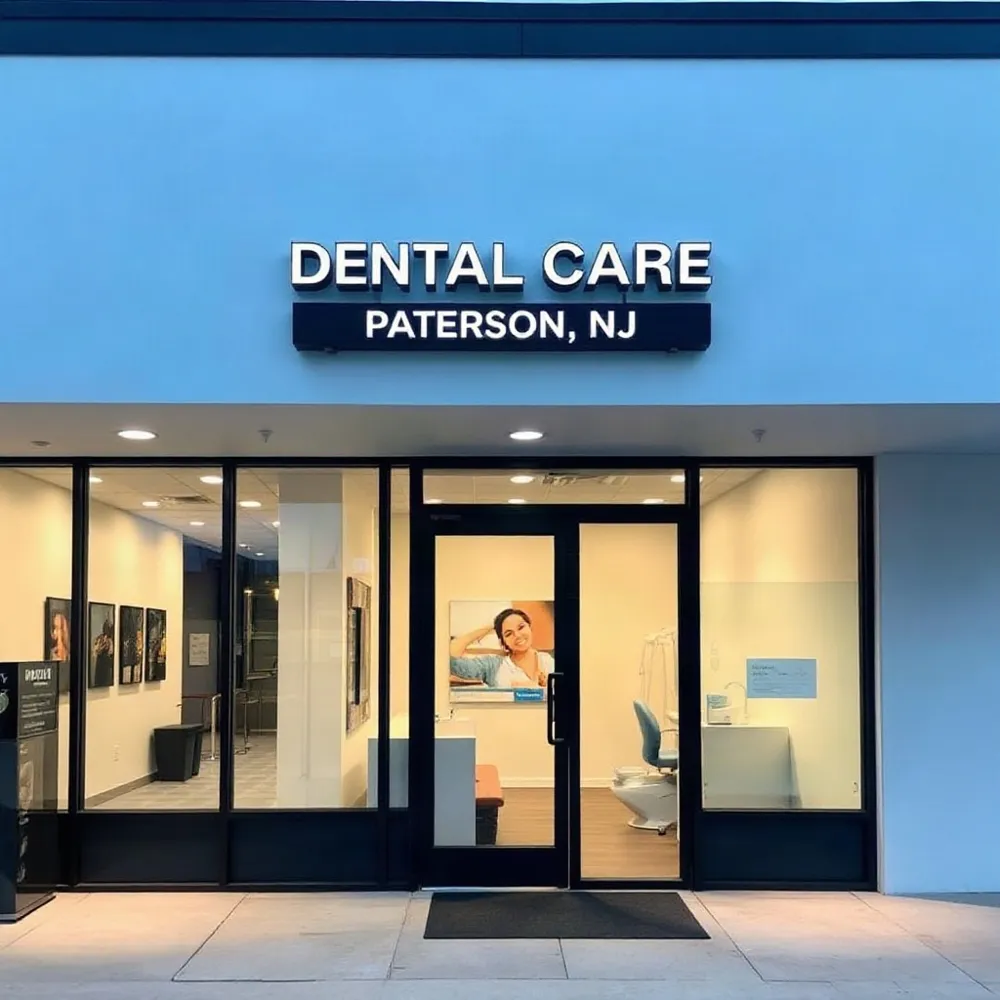
Many dental practices, including the David M. Mayer, DMD office in Paterson, NJ, offer emergency dental services and can often see you the same day or within 24 hours. If you can't reach your dentist right away, the temporary measures described here can help you manage. Just remember that a temporary fix is not a substitute for professional care, and the longer you wait, the greater the risk of complications like gum irritation, infection, or further damage to the denture.
Why Professional Repair Is Almost Always Better
A denture that's been repaired by a dentist is more likely to fit correctly, last longer, and be comfortable. Professional repair involves cleaning the break, roughening the surfaces, and using a medical-grade resin that bonds chemically with the acrylic. This creates a seamless, strong repair that is almost invisible. In contrast, at-home kits may leave a visible seam, and the bond may not hold up to the forces of chewing. A poorly repaired denture can also cause uneven pressure on your gums, leading to sore spots, difficulty eating, and even changes in your bite over time.
If you're in the Paterson area and need a denture repaired, consider scheduling an appointment at David M. Mayer, DMD. The practice has over 40 years of experience in restorative dentistry and uses modern techniques to ensure your denture fits and functions properly. Unlike a temporary fix, a professional repair can often be done the same day, so you can leave with a denture that's ready to use.
How to Protect Your Denture From Future Breaks
Prevention is always better than repair. To avoid the stress of a broken denture, handle it with care. Always fill the sink with water or place a towel underneath when you brush or handle your denture, so it doesn't break if you drop it. Remove your denture at night to give your gums a rest, and store it in a clean, moist environment, such as a denture-cleaning solution. Avoid using your teeth to open packages or bite into hard foods like popcorn kernels, ice, or hard candy.
Regular check-ups with your dentist can also help. During a routine visit, your dentist can check the fit and integrity of your denture, and make small adjustments if needed. This proactive approach can prevent a small crack from turning into a major break. If you notice your denture feels loose or has developed a rough spot, don't wait for it to break. Bring it in for an evaluation.
| Break Type | DIY Feasibility | Recommended Action |
|---|---|---|
| Small crack in base | Temporarily, with dental adhesive | See a dentist for a professional bond |
| Chipped tooth | Possible with a repair kit | Professional tooth repair or replacement |
| Split into two pieces | Not advisable | Professional re-bonding, same-day possible |
| Sharp edge | No | Smooth with wax or gum, call dentist |
Professional Care Protects Your Smile
A broken denture is both frustrating and alarming, especially when you need to chew, speak, or smile with confidence. While seeing your dentist promptly is always the safest option, you may need to manage the situation temporarily if you cannot get professional care right away. Fortunately, there are steps you can take at home to stabilize the repair and avoid further damage while you arrange an appointment.
The first priority is to handle the denture carefully. Remove it and rinse it gently to clear any debris, but do not scrub or apply harsh chemicals that could warp the material. Dry the pieces with a soft cloth and assess the break. If the denture has a sharp edge, you can use a clean nail file or emery board to smooth the area and prevent cuts inside your mouth. This simple step makes the denture more comfortable to wear temporarily.
Safe Temporary Fixes You Can Try
If you need a quick fix while waiting for professional care, several home remedies can help hold a broken denture together for a short period. However, always remember that these are stopgap measures, not permanent solutions. The goal is to keep you functional and comfortable until a dentist can perform a proper repair.
- Use denture adhesive: Apply a small amount of dental adhesive or denture repair glue to the broken edges to temporarily hold them in place. Avoid using superglue or household adhesives, as these contain toxic chemicals and can damage the denture.
- Smooth sharp areas: As mentioned, file down any rough edges with a clean nail file to avoid irritating your tongue, cheeks, or gums.
- Keep the denture moist: If you cannot wear the denture, store it in a denture-cleaning solution or water to prevent it from drying out and warping. Do not use hot water, which can distort the acrylic.
- Avoid chewing on that side: Until a professional repair is made, stick to soft foods and chew on the opposite side to minimize stress on the damaged area.
These temporary measures can give you relief and keep your denture functional for a day or two, but they are not designed to last. According to The Unexpected Signs That Demand Same‑Day Dental Care, severe pain, swelling, or difficulty eating are signs you should not wait to see a professional. If you experience any of these symptoms, seek same-day dental attention immediately.
Why Professional Repair Matters
Attempting a long-term DIY fix on a broken denture can cause more harm than good. Superglue and other household adhesives are not designed for use in the mouth and can release toxic fumes or bond the denture incorrectly, leading to misalignment. A poorly repaired denture can cause sore spots, difficulty chewing, and even damage to your natural teeth or gums. Denture repair involves more than just gluing pieces together; it requires re-bonding, refilling, and adjusting the base to ensure a proper fit and function, as explained in How to Fix Broken Dentures in an Emergency.
For minor fractures, a same-day turnaround is often possible, as noted in Emergency Denture Repair Services in Paterson. At our practice, we understand the urgency of a broken denture and offer prompt, professional care to restore your smile. Our team has over 40 years of experience and uses state-of-the-art technology to ensure durable repairs that fit comfortably. We also provide multilingual support in English, Spanish, and Arabic, making it easy for you to communicate your needs.
When you choose professional repair, you can trust that the denture will be restored to its original strength and shape. We take the time to assess the damage, make precise adjustments, and ensure your denture feels natural and secure. Whether it is a simple re-bonding or a more complex repair, our goal is to get you back to eating, speaking, and smiling with confidence.
When to Seek Immediate Care
While many denture breaks can be managed temporarily, certain situations require immediate professional attention. If your denture is severely fractured, has sharp edges that cut your mouth, or causes difficulty breathing or swallowing, do not wait. Similarly, if you experience uncontrolled bleeding or severe pain, visit an emergency dental clinic right away. For more guidance on handling dental emergencies, check out How to Handle a Knocked Out Tooth While Waiting for Care and The Unexpected Signs That Demand Same‑Day Dental Care.
Remember, a broken denture is more than a cosmetic issue. It can affect your nutrition, speech, and overall well-being. By addressing the problem promptly and seeking professional repair, you can avoid further complications and maintain a healthy, functional smile. At davidmmayerdmd.com, we are committed to providing compassionate, high-quality dental care for you and your family. Contact us today to schedule an appointment or learn more about our denture services.