A Modern Approach to Restoring Damaged Teeth
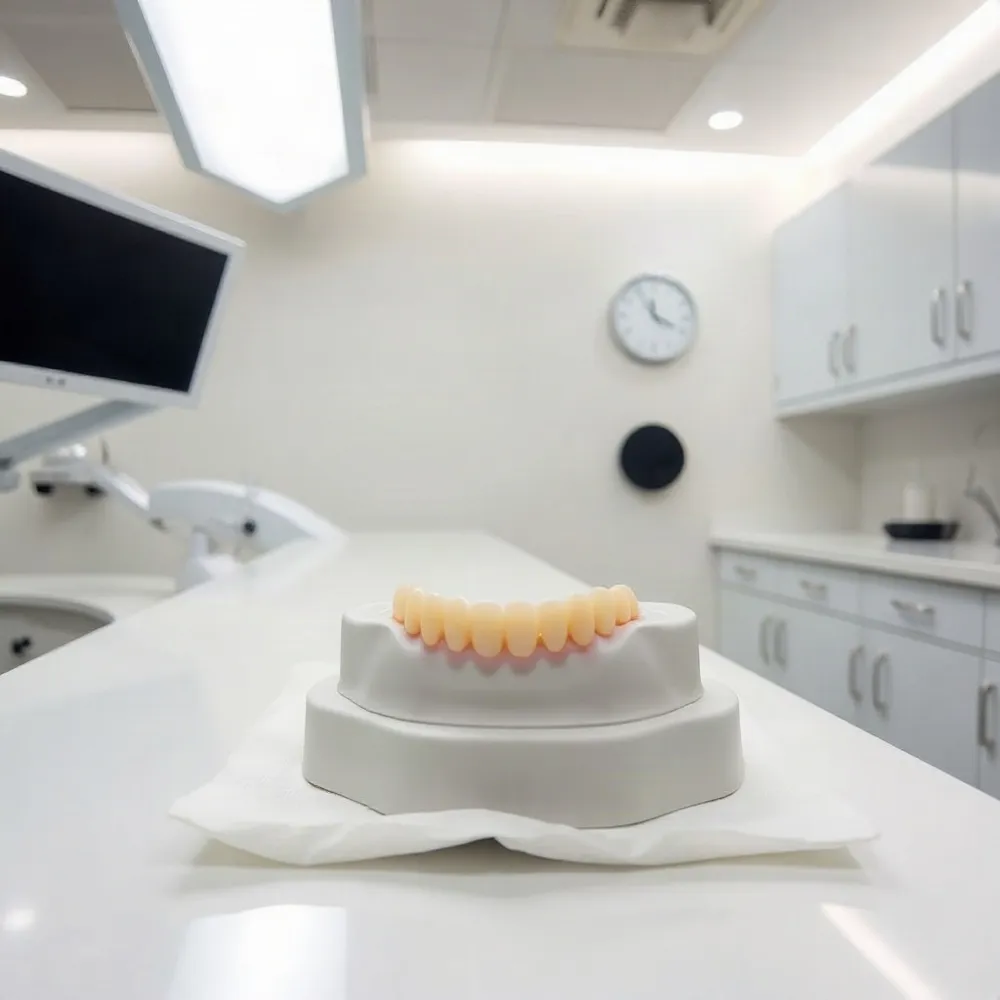
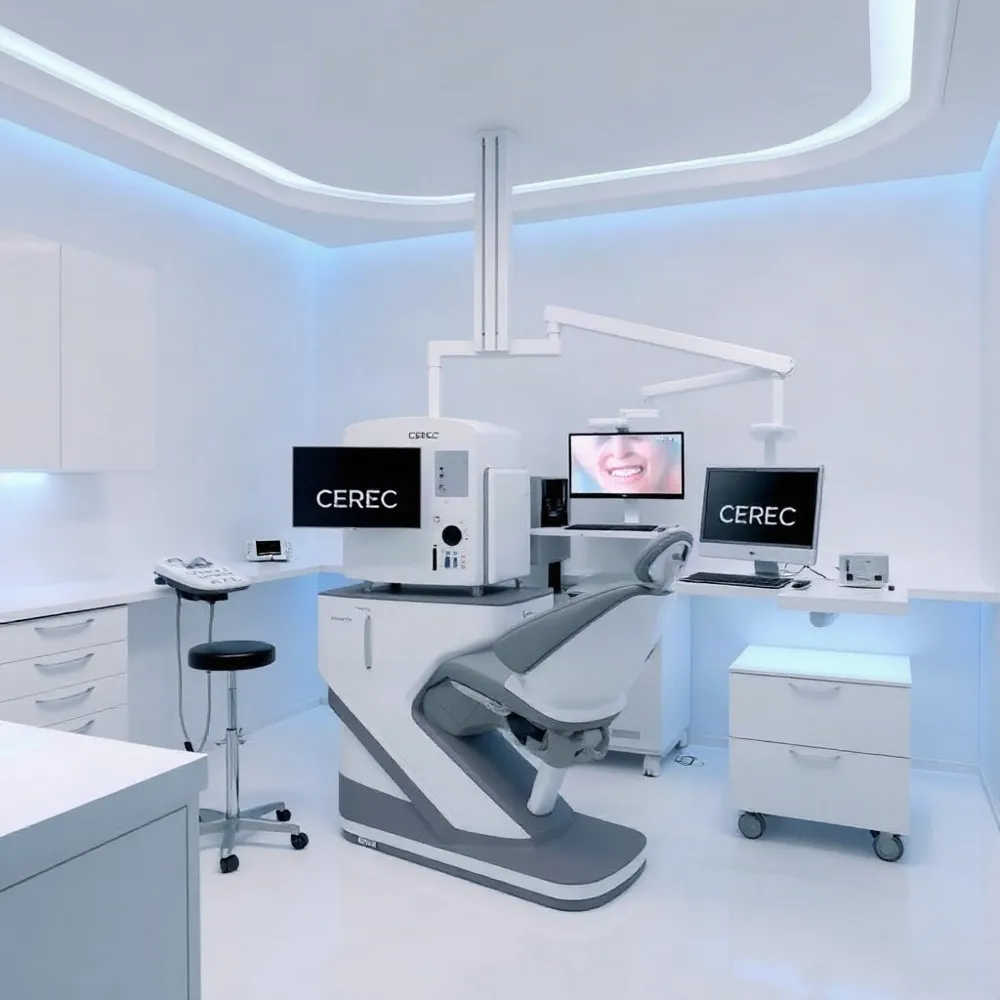
Dental crowns, also known as caps, are custom-made restorations that cover the visible portion of a damaged tooth, restoring its strength, function, and appearance. Whether due to a crack, severe decay, or after a root canal, crowns protect weakened teeth from further harm. Today, advancements like same-day CEREC technology allow these restorations to be fabricated and placed in a single appointment, eliminating the need for temporaries and multiple visits. This article will guide you through the process, benefits, candidacy, and costs of same-day crowns, so you can make an informed decision about your dental care.
What Are Dental Crowns and Why Are They Needed?
A dental crown is a custom-made cap that fits snugly over a damaged tooth, restoring its shape, size, and function. Dentists often recommend crowns when a tooth is cracked, severely decayed, or has a large filling that leaves too little natural structure to support a simple filling. They are also essential after root canal treatment to protect the weakened tooth from fractures, and they can enhance the appearance of misshapen or discolored teeth. While fillings work for minor cavities, they cannot provide adequate support for extensively damaged teeth; a crown offers the strength and durability needed to preserve the tooth long-term.
Traditional Crowns vs. Same-Day Crowns
Understanding the CEREC Same-Day Crown Process

Top Benefits of Choosing a Same-Day Crown
Who Is a Good Candidate for Same-Day Crowns?
What Do Same-Day Crowns Cost and How to Save?
When budgeting for restorative care, the cost of same-day crowns is a common concern. Typically, you can expect to pay between $1,200 and $2,500 per crown without insurance—a range comparable to traditional lab-fabricated crowns. However, the financial advantages of CEREC technology extend beyond the base price. Since the crown is milled and placed in a single appointment, you bypass expenses like temporary crown fabrication and dental lab fees, which are often billed separately with traditional methods. This can translate to significant savings, especially when you factor in the value of not needing to take time off for an additional visit. Most dental insurance plans recognize the necessity of crowns and will cover a percentage of the cost, so it's wise to check your benefits in advance. Additionally, many practices offer flexible payment plans or in-house financing to make the investment more manageable. To get a clear picture of your out-of-pocket expenses, schedule a consultation where your dental team can provide a personalized estimate and walk you through available options, ensuring your smile restoration fits both your needs and your budget.