A New Era for Full-Arch Tooth Replacement
For patients facing full-arch tooth loss, the traditional approach often involved weeks of waiting and multiple, tedious office appointments. Modern dentistry has transitioned to a more efficient reality where same-day prosthetic delivery is possible. At davidmmayerdmd.com, we prioritize this transition, utilizing digital workflows to ensure patients never have to go without teeth during the healing process.
This evolution is driven by integrated technologies, including intraoral scanners and computer-aided design software. By replacing messy impression trays with precise scans, clinicians can design custom restorations that often require fewer chairside adjustments than traditional hand-processed appliances. While older methods relied on multi-visit stone modeling, digital systems allow for faster, more predictable results that restore function and esthetics in just a few visits.
From Casts to Clouds: How Denture Fabrication Has Changed
For decades, the standard path for full-arch tooth replacement relied on manual processes. Conventional denture fabrication typically required 5 to 7 office visits, involving multiple manual impressions, wax try-ins, and heat-cured acrylic processing. This time-intensive cycle often delayed restoration and required patients to manage the discomfort of traditional impression trays.
The evolution of dental technology has introduced a more efficient model through digital workflows. By utilizing intraoral scanners, clinicians can capture high-precision 3D images of the oral cavity, effectively replacing traditional impression materials. This digital data is then processed using specialized CAD software to design the prosthesis. Final production involves either additive 3D printing or subtractive milling from pre-polymerized PMMA (polymethyl methacrylate) pucks. Such advanced manufacturing, detailed in clinical research, often compresses the treatment timeline into just 2 to 4 appointments.
What are the primary differences between digital and conventional dentures?
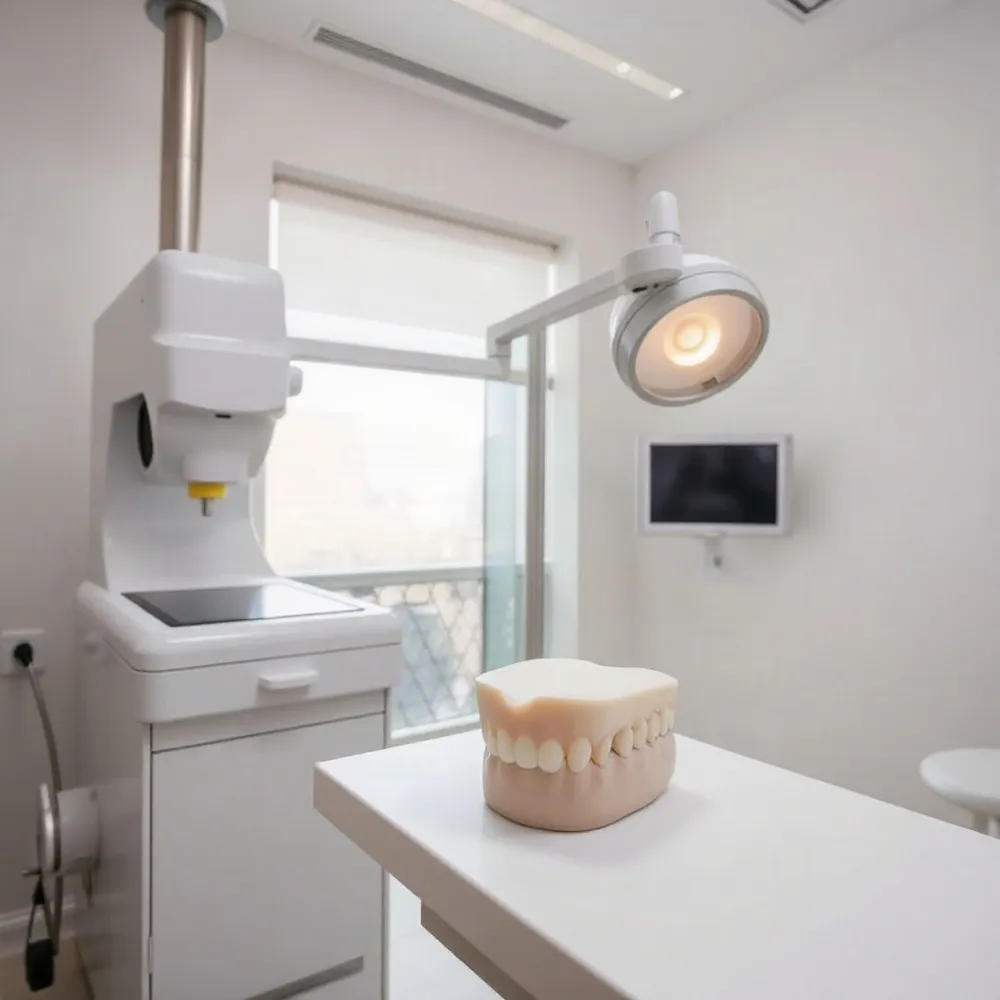
Digital dentures are fabricated using CAD/CAM technology, which often mills them from a solid, pre-shrunk block of high-strength resin, whereas conventional dentures are made through manual injection molding of acrylic that can distort over time. This digital process allows for a more precise fit and better suction, while the resin material is up to 8 times stronger than traditional hand-processed options, offering greater durability. Patients typically need only two to three appointments for digital dentures, compared to multiple visits for traditional methods, significantly reducing the time spent in ill-fitting temporary restorations.
A key advantage of this modern approach is the digital archiving of design files. Because the anatomical data and prosthesis design are stored in the cloud, laboratories can manufacture replacements or duplicates rapidly without requiring the patient to undergo follow-up impressions. This reliability is a major benefit for patients needing long-term maintenance or emergency repairs.
A Step‑by‑Step Look at Digital Denture Fabrication
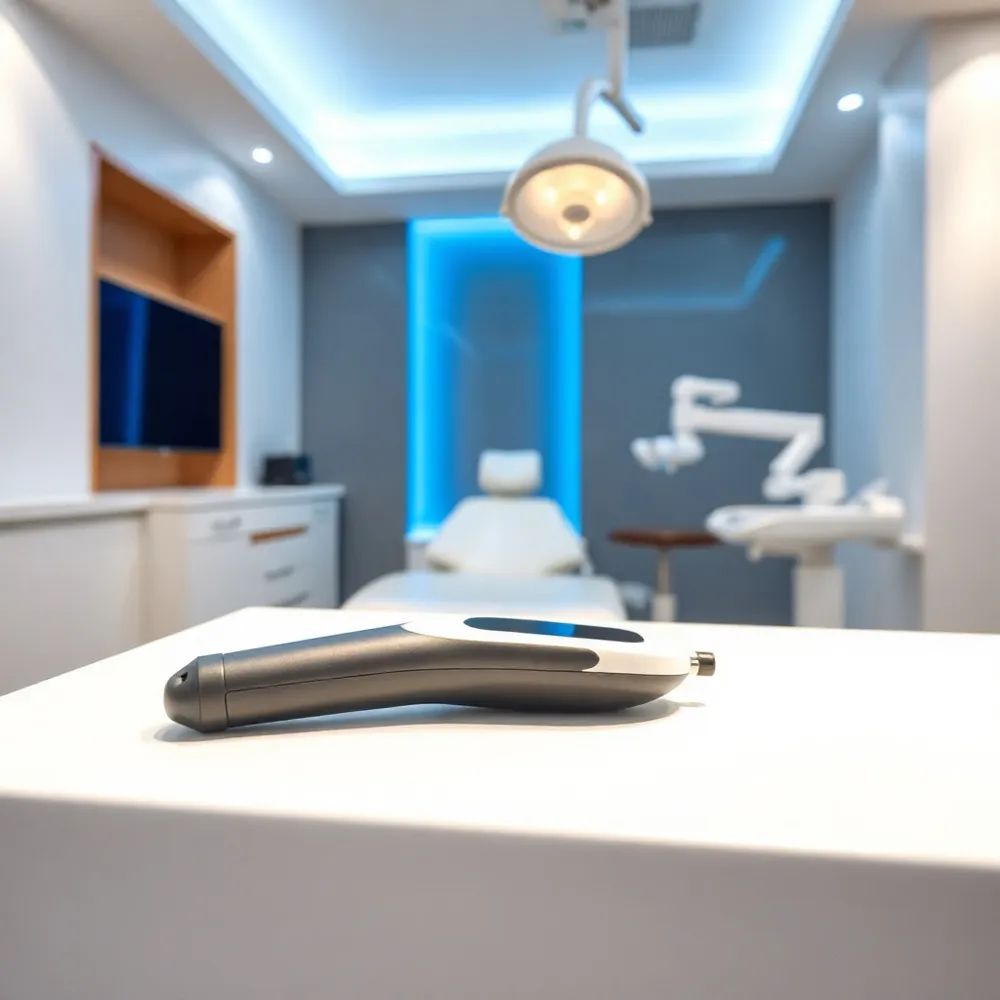 Digital dentures are fabricated using a refined clinical workflow that maximizes precision while minimizing patient chair time. At davidmmayerdmd.com, this process replaces traditional, multi-stage analog techniques with a streamlined, technology-driven approach.
- Intraoral scanning: Dentists capture the oral anatomy without messy impression materials. For edentulous arches, scan aids are often used to identify landmarks that ensure an accurate base fit Advancing precision: The role of digital workflows in modern implant ....
- CAD/CAM design: Sophisticated software allows the clinician to arrange teeth and set the vertical dimension of occlusion. This digital environment supports virtual try-ins, enabling patient feedback and smile customization using professional tooth libraries Fabrication of an Immediate Complete Denture with Digital Workflow.
- Manufacturing: The design is brought to life through either subtractive milling or additive 3D printing. Milling remains the preferred choice for many due to the superior mechanical properties of pre-polymerized PMMA, which offers higher durability than traditional alternatives Advantages of CAD/CAM versus Conventional Complete Dentures.
- Delivery: The final prosthesis is inserted, often on the same day as surgery. Because of the digital precision during the design phase, patients typically require minimal chairside adjustments to reach an optimal bite Digital versus Conventional Dentures: A Prospective, Randomized ....
How are digital dentures fabricated? Unlike conventional laboratories that rely on heat-polymerized acrylic, davidmmayerdmd.com utilizes this advanced technology to ensure the final result is dense, accurate, and hygienic. Because every case is stored as a secure digital file, long-term maintenance is significantly easier. If a denture is ever lost or damaged, a replacement can be rapidly produced without the need for new impressions, a convenience that differentiates this digital approach from older, manual methods The Evolution of Digital Dentures and the Future of Prosthetics.
What Are Immediate Same‑Day Dentures?
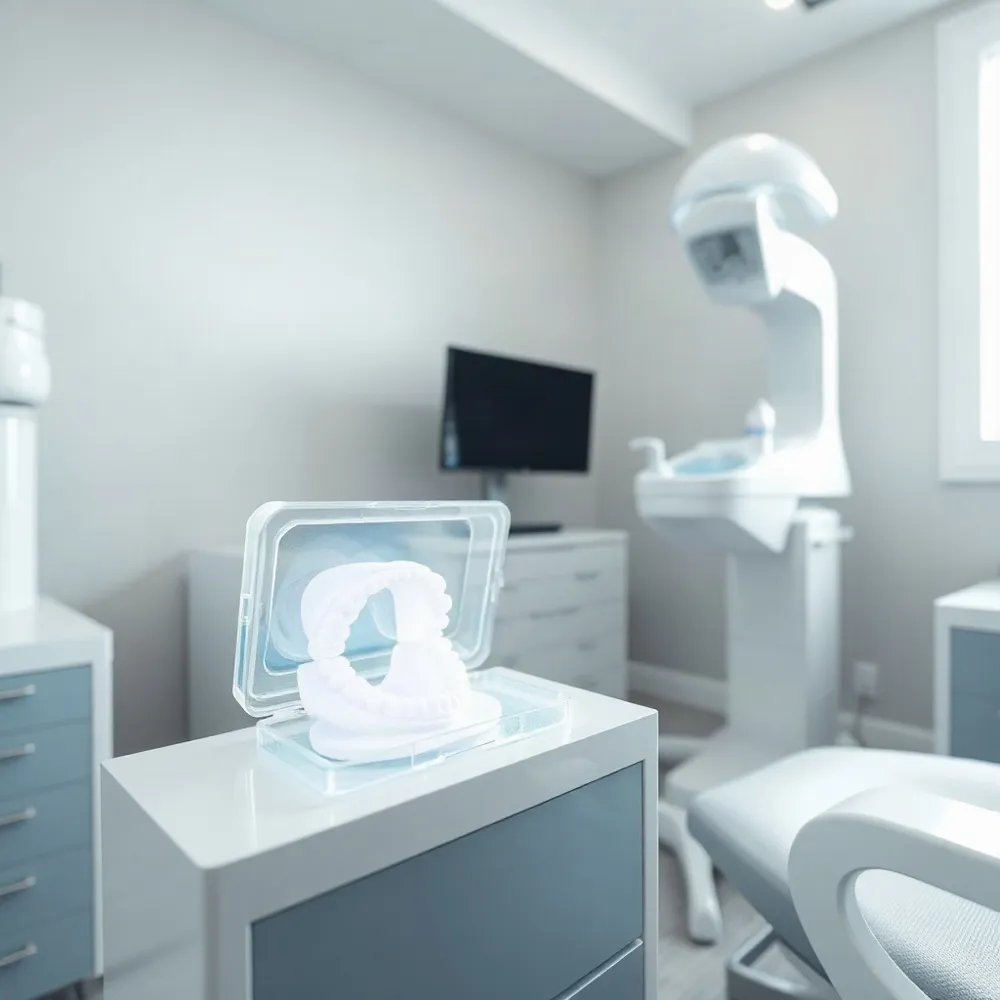
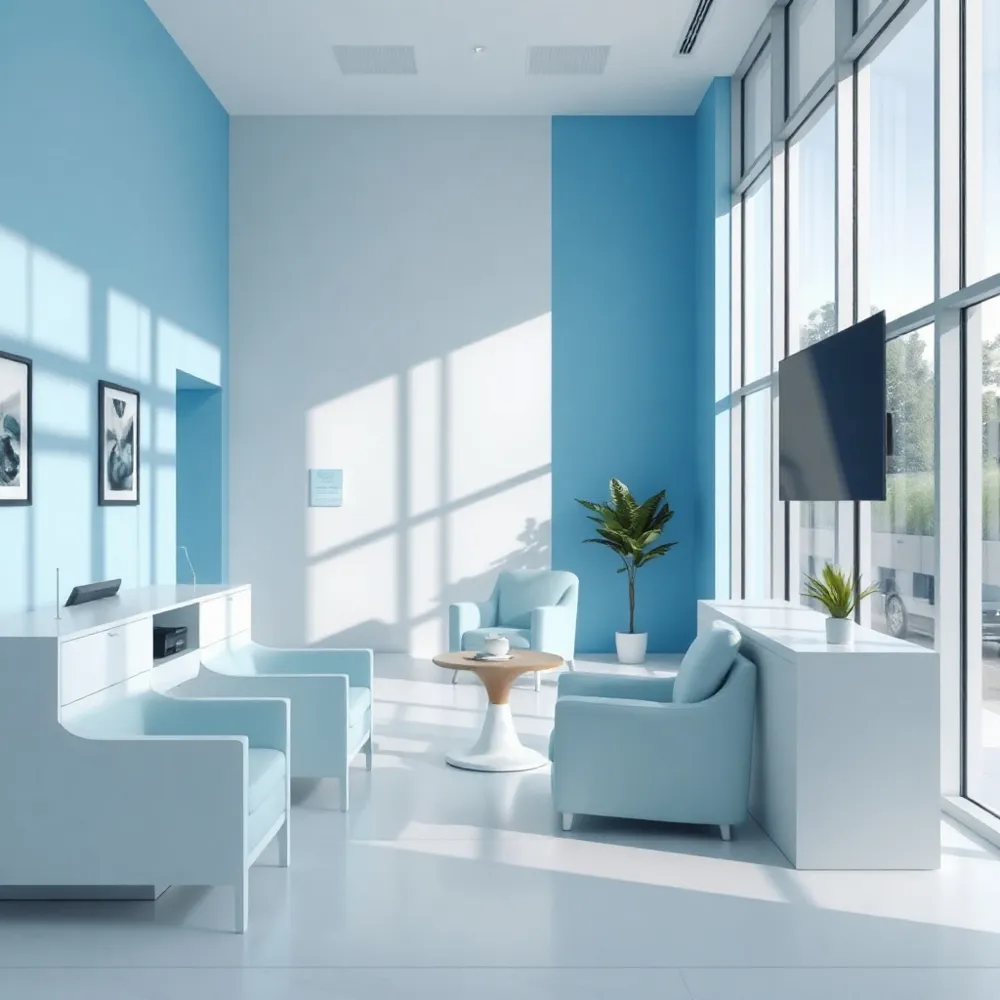 Immediate dentures are custom-designed, removable prostheses that are fabricated before your surgical appointment and placed directly into your mouth following the extraction of compromised teeth. By providing an immediate aesthetic and functional replacement, these transitional appliances ensure that you never have to go without teeth during the initial recovery period.
These dentures function as a protective covering for your surgical sites, helping to stabilize sutures and minimize bleeding while maintaining your facial esthetics, muscle tone, and vertical dimension of occlusion. Beyond appearance, they assist with essential daily tasks by preserving speech patterns and supporting your ability to chew during the 6 to 12 months required for your bone and gum tissue to fully remodel.
Candidates typically include patients with terminal dentition facing full-arch extractions who prioritize comfort and a seamless aesthetic transition. Your dental team can manage these cases with precision, though successful outcomes require a commitment to follow-up care. Because your underlying tissues will change as they heal, these appliances are not static; they require periodic adjustments and soft relining to maintain retention.
What are immediate dentures and can they serve as permanent replacements?
Immediate dentures are custom-made acrylic appliances placed in your mouth right after your natural teeth are extracted, so you never have to go without teeth during the healing process. Because your gums and jawbone shrink and change shape as they heal, these dentures are typically considered temporary or transitional. However, they can serve as permanent replacements if, after the 4- to 6-month healing period, a hard reline is performed to adjust the fit to your changed oral tissues. Most patients use them as a short-term solution while waiting for a final, permanent denture, but with proper follow-up care, conversion to a long-term appliance is possible. Your dentist will guide you through the process, ensuring your immediate dentures remain comfortable and functional every step of the way.
The Digital Advantage for Immediate Dentures
For patients seeking immediate tooth replacement, the shift toward a digital workflow significantly enhances both efficiency and clinical precision. By transitioning from traditional manual methods to a digital process, dental practices can reduce typical lab turnaround times from 10 to 19 days down to just 7 to 8 business days per 3Shape data.
Advanced digital platforms utilize predictive software, such as Computer-Aided Engineering, to account for expected tissue changes following extraction. This proactive approach improves the initial fit of the prosthesis before it is ever placed. Furthermore, the use of adaptive occlusion software can reduce necessary chairside adjustments at delivery by up to 98% compared to conventional fabrication techniques.
The long-term value of this technology lies in its data security. Because every patient case is stored as a permanent digital file in the cloud, future remakes or spare sets can be produced rapidly without requiring new, invasive impressions. This reliable archive is a critical benefit for patients who may face difficulties with traditional impression-taking procedures in modern clinical practice.
Material Strength and Precision: Why Milled PMMA Leads the Way
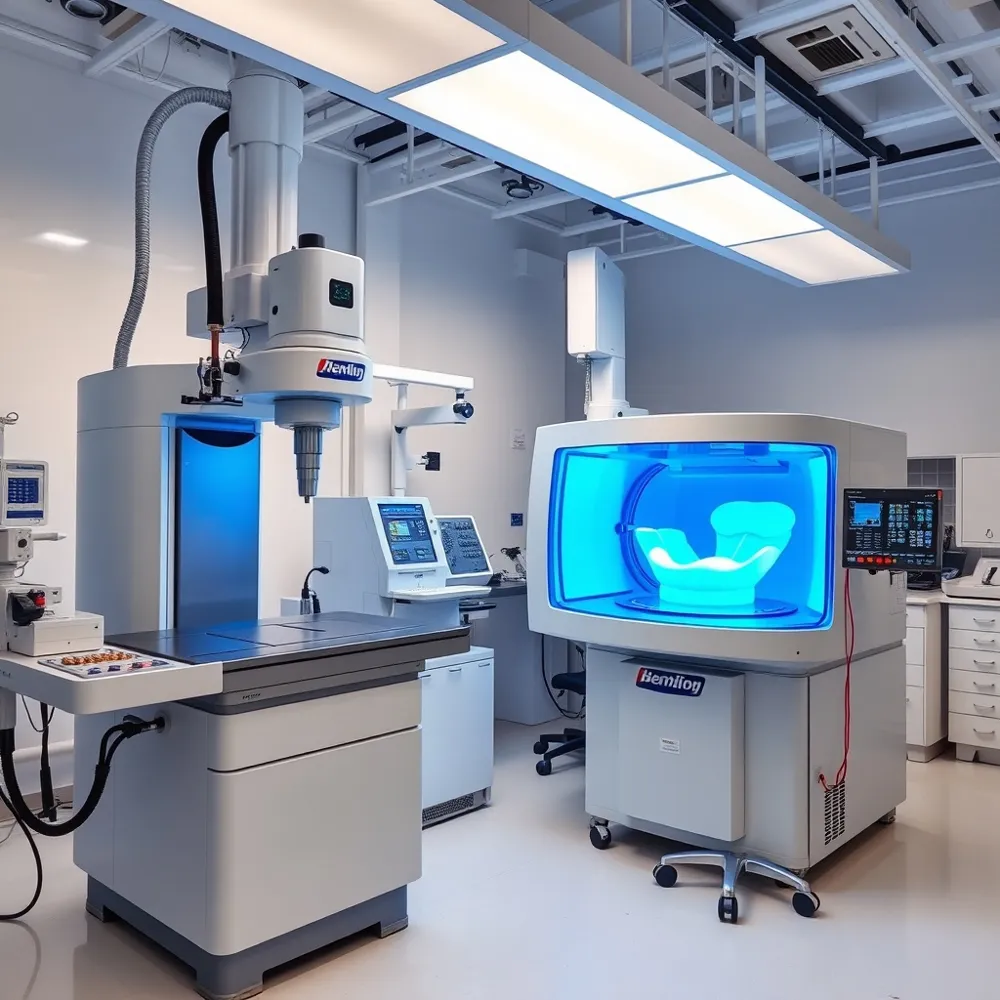 The foundation of a modern, long-lasting prosthesis lies in its material composition. While conventional dentures rely on hand-packed acrylic, high-density, pre-polymerized PMMA pucks offer a superior result. This material is processed through subtractive manufacturing, where the denture base and teeth are carved from a single, solid monolithic unit. Unlike traditional layered designs that depend on a bonded interface between the teeth and the base, this unified construction eliminates a frequent point of structural failure.
Research confirms that this subtractive methodology offers significant advantages. Some studies suggest that milled prostheses are virtually porosity-free and can be significantly stronger than hand-processed alternatives. This increased toughness, combined with a higher elastic modulus and ultimate flexural strength, allows for thinner denture bases that maintain their structural integrity without adding unnecessary bulk.
Beyond sheer strength, the precision of the manufacturing process enhances the clinical experience. Because milled material lacks the polymerization shrinkage common in traditional heat-cured acrylics, these dentures may offer superior retention and a better fit. As noted in research comparing CAD/CAM and conventional dentures, the resulting surfaces may show reduced bacterial adhesion and improved color stability. Digital hybrid techniques further ensure that these mechanical benefits translate into a more comfortable daily fit for the patient.
Comparing Clinical Outcomes: Digital vs. Conventional Dentures
For patients weighing their restorative options at davidmmayerdmd.com, understanding how digital dentures perform against conventional heat-polymerized alternatives is essential. A prospective study comparing these methods found that digital dentures achieved a slightly higher mean clinical efficiency score of 73.2 compared to 67.4 for conventional prostheses. Notably, the digital group demonstrated significantly better upper jaw stability, with a p-value of 0.03.
While conventional dentures showed statistically superior surface finish and polish in this specific study, overall patient satisfaction and quality of life scores were comparable between both groups. Although this study recorded a similar number of appointments for both methods, many modern practices achieve enhanced efficiency through digital workflows, often compressing the complete pathway into just two or three visits.
| Metric | Digital Performance | Clinical Insight |
|---|---|---|
| Stability | Superior | Upper stability significantly improved. |
| Efficiency | Higher | Sato score of 73.2 vs 67.4. |
| Finish | Standard | Conventional polish rated higher. |
| Satisfaction | Comparable | Similar OHIP-20 scores reported. |
At davidmmayerdmd.com, we often find that CAD/CAM dentures reduce the need for excessive post-insertion adjustments due to the high precision of milled PMMA. While the study noted variations in clinical experience, digital fabrication remains a viable, high-performance option for patients seeking reliable, modern tooth replacement.
Cost Considerations for Digital and Immediate Dentures
The price of full-arch tooth replacement depends on the scope of your treatment and the materials selected for your restoration. Options range from basic acrylic sets to premium materials like composite or porcelain, which offer enhanced durability and aesthetics. At davidmmayerdmd.com, we prioritize transparency in our pricing, and costs often include the number of teeth being replaced as well as any necessary surgical procedures, such as extractions or bone grafting.
What factors influence the cost of digital and immediate dentures?
The total investment for digital dentures is influenced by the advanced technology required for their creation. While digital workflows involve premium equipment like intraoral scanners and milling hardware, these tools often reduce total chair time and the total number of patient visits. This efficiency serves as a long-term offset to initial costs. In contrast to some practices that pass high equipment overhead directly to the patient, we focus on clinical efficiency to keep our care accessible.
Immediate dentures, which serve as a critical transitional solution, typically have a lower initial price point than permanent restorations. These appliances are categorized as temporary prosthetics, often costing between $600 and $1,000 for basic models, with premium versions ranging from $2,000 to $4,000 per plate. It is important to remember that because jaw bone and gum tissue naturally remodel during the healing period, these dentures will likely require ongoing professional relining and adjustment visits. These subsequent appointments are necessary to maintain comfort and function until the tissues have fully stabilized.
Limitations and Challenges of CAD/CAM Dentistry
Adopting digital dentistry involves navigating several practical hurdles. For many smaller dental practices, the high initial investment required for intraoral scanners, specialized milling units, and integrated design software can be prohibitive. Beyond the hardware costs, both dentists and support staff must invest significant time in training to overcome the steep learning curve associated with new digital interfaces and troubleshooting equipment.
Technical reliability is another factor to consider. Digital workflows require ongoing maintenance, regular software updates, and the potential for technical downtime to be managed effectively. Mastering the design process is particularly difficult for complex cases, such as full-arch restorations, where achieving accurate denture balancing requires a high level of expertise. While traditional analog methods allow for a broader range of material experimentation, current CAD/CAM systems are often more restricted in the specific resins or pucks they support.
Clinical accuracy remains dependent on the initial data capture. Because intraoral scanning of entirely edentulous arches lacks the fixed landmarks found in dentate patients, clinicians must use specialized strategies to ensure precision. Despite these inherent challenges, the speed and clinical predictability of CAD/CAM systems continue to provide significant value for routine restorative care.
Caring for Your Same‑Day Dentures During the Healing Period
Immediately following your extraction procedure at davidmmayerdmd.com, your immediate dentures act as a protective barrier for the surgical site. To ensure proper healing, you must wear the prosthesis continuously for the first 24 hours. This initial period is critical for controlling bleeding and stabilizing sutures, as removing the appliance may lead to significant swelling that makes it difficult to reinsert.
After the first day, your care routine will shift to emphasize hygiene. You should begin removing and cleaning the appliance up to five times daily to manage soft tissue health. During this early healing phase, avoid soaking the dentures in water for long periods, as your dental team at davidmmayerdmd.com will provide specific instructions tailored to your unique anatomical changes. Maintaining these hygiene practices helps prevent infection at the sensitive extraction sites.
Because your gum and bone tissue will naturally remodel over the next 6 to 12 months, your fit will change. You should expect multiple follow-up visits for chairside adjustments and soft relining to maintain comfort and function. While these appliances serve as a vital transitional measure, they are not permanent. Once your mouth has fully settled, typically after 4 to 6 months, we will discuss transitioning to a definitive permanent denture or performing a hard reline to ensure a lasting, precision fit for your smile.
Enhancing Patient Experience and Practice Efficiency
Integrating a digital workflow into clinical practice transforms the restorative process by reducing total chair time and the number of patient visits. At davidmmayerdmd.com, this efficiency serves as a primary advantage, as patients are significantly more likely to consent to necessary extractions when they know they will not be left without teeth during the healing phase. By modernizing these procedures, practices can improve case acceptance rates while offering an immediate comfort that helps patients maintain their normal social and functional routines.
The transition to digital dentistry also fosters long-term patient trust through reliable data management. Because patient cases are stored as cloud-based files, our office at davidmmayerdmd.com can facilitate rapid replacements for lost or damaged prostheses without requiring repetitive, invasive impressions. This ability to instantly access and reproduce digital designs demonstrates a high level of preparedness and care.
- Digital files enable seamless communication between clinicians and labs, which significantly reduces the frequency of errors and the need for costly remakes per 2024 analysis of CAD/CAM advantages.
- Empowering staff with digital scanning and design skills allows for better office delegation, freeing the clinician to focus on complex diagnostic tasks and face-to-face patient engagement as modern workflows mandate.
- Adopting these tools strengthens a practice's reputation, attracting patients who prioritize modern, predictable, and time-efficient oral healthcare outcomes.
Embracing the Digital Future of Denture Care
Digital workflows are fundamentally reshaping full-arch restoration by offering durable, precisely fitted prostheses that enhance patient quality of life. By leveraging CAD/CAM technology, these modern solutions provide superior strength and comfort over traditional heat-polymerized alternatives. At davidmmayerdmd.com, our team utilizes these advancements to deliver efficient, reliable care that minimizes chair time.
Because clinical data is permanently archived, patients benefit from streamlined maintenance and easier future replacements. If you are exploring options for tooth replacement, consult our team to determine if a same-day digital solution aligns with your needs for a confident, natural-looking smile.